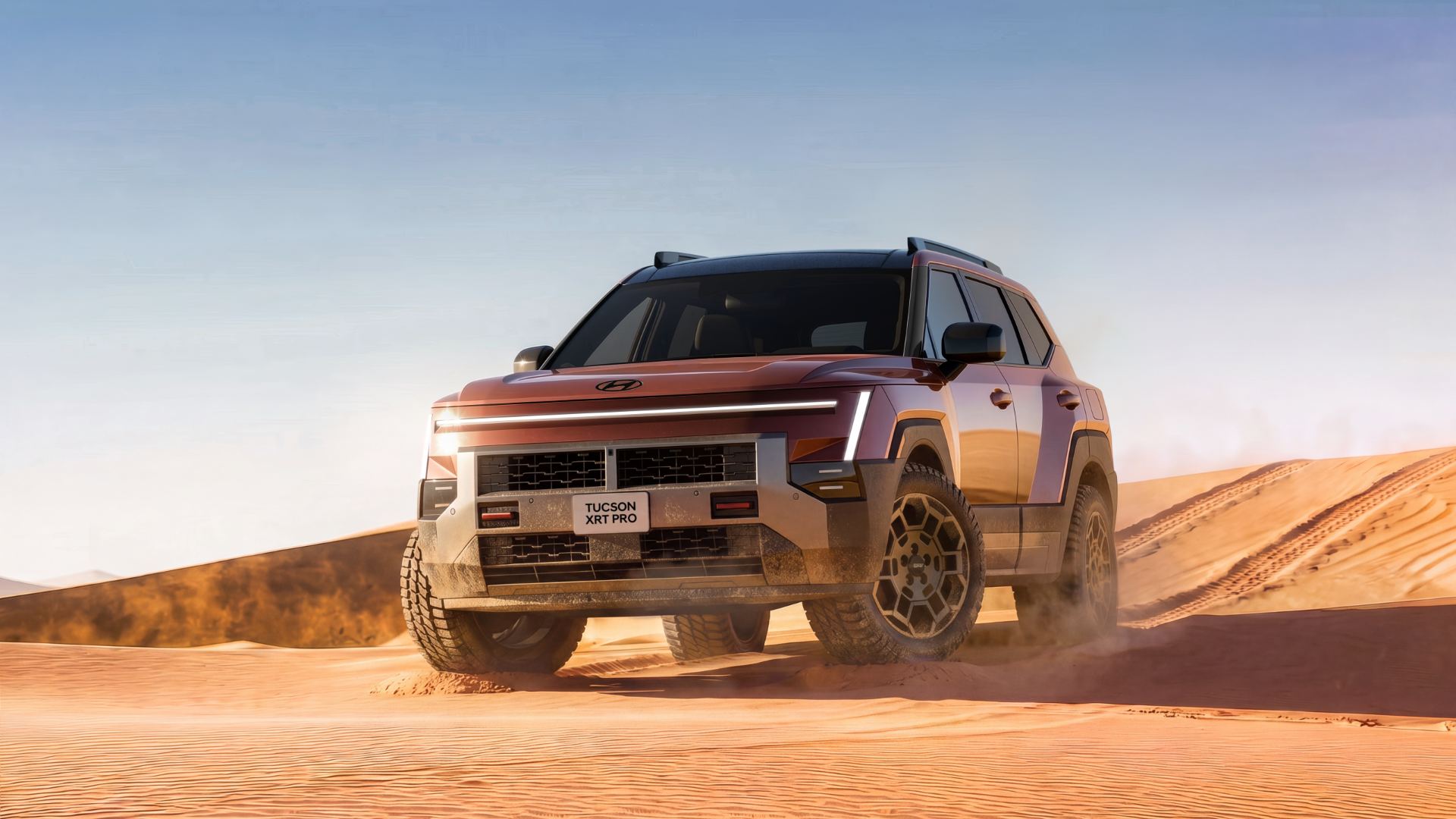
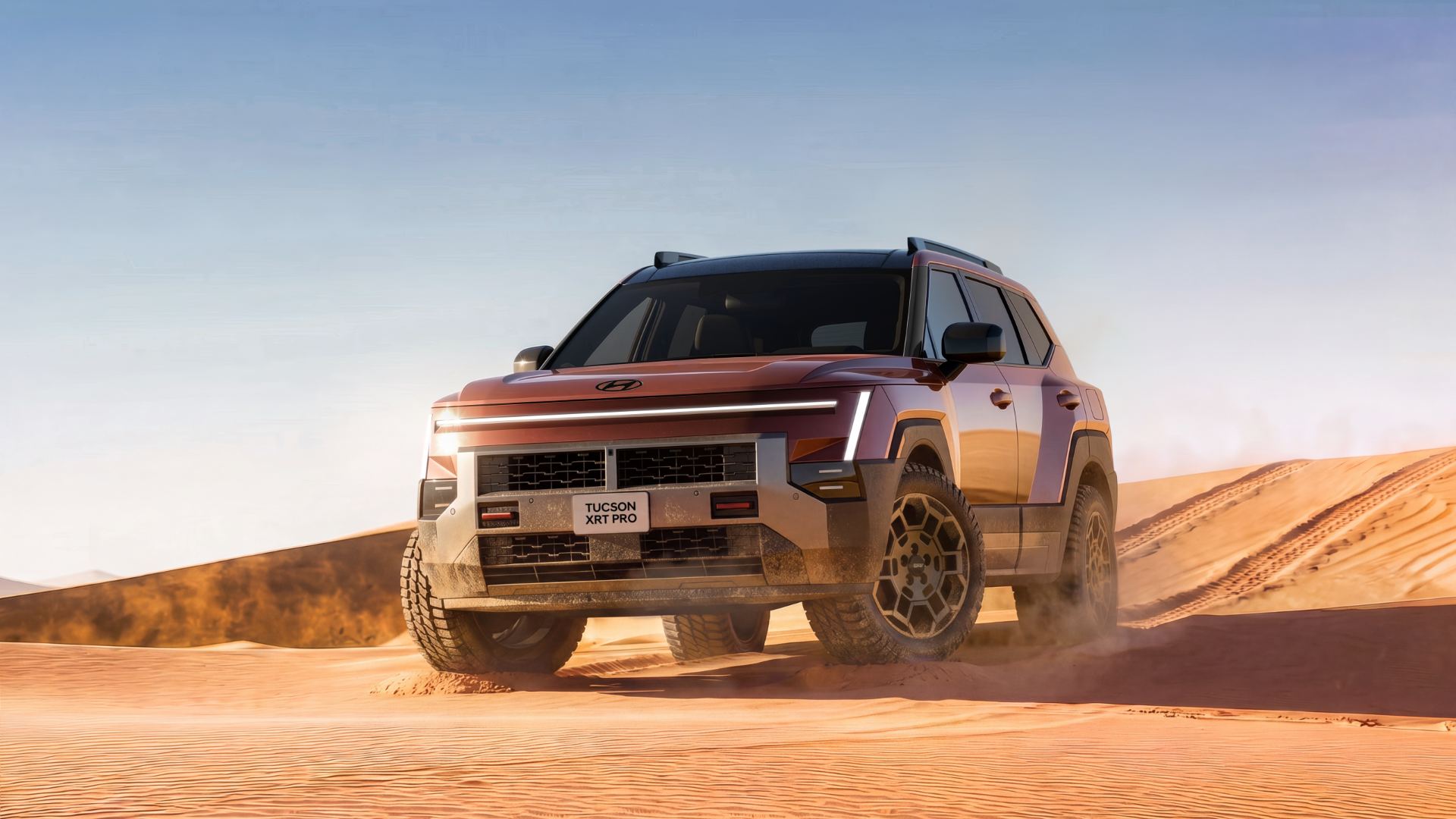
Hyundai has revealed the all-new 2027 Tucson, and the headline numbers are a 233-horsepower hybrid targeting up to 42 mpg, a 17-inch central touchscreen and a new off-road XRT Pro trim with 210 mm of ground clearance. The fifth-generation compact SUV was world-premiered on 1 October 2026 in Long Island City, New York, with Korea getting it later in 2026 and North America, Europe and other global markets following in 2027. Pricing has not been announced in any market yet.
Context and Background
The Tucson is the car Hyundai can least afford to get wrong. Since the nameplate arrived in 2004 it has passed 11.1 million cumulative global sales, with the United States accounting for roughly a fifth of that total, and it sits in the compact SUV class that the Toyota RAV4 and Honda CR-V have dominated for a decade. Hybrids made up 31 percent of Tucson sales in 2025, which explains why electrification is central to this generation rather than an afterthought. Hyundai president and CEO Jose Munoz framed the launch in plain terms at the reveal, saying millions of families count on the Tucson and that this is the best one the company has ever built. Munoz also repeated Hyundai''s plan to launch more than 100 new and refreshed vehicles globally by 2030, 58 of them in North America.
2027 Hyundai Tucson Specs and Powertrains
Three powertrain families carry over in concept but all have been reworked. Entry versions use a 1.6-litre turbocharged T-GDI or a 2.0-litre naturally aspirated MPI petrol engine, producing between 150 and 193 ps depending on market; the US gasoline Tucson is rated at 184 horsepower. The volume seller is the hybrid, pairing the 1.6 turbo with a 13 kW P1 motor and a 47.7 kW P2 motor for 236 to 245 ps globally and 233 horsepower in the US, where Hyundai is targeting up to 42 mpg for a front-wheel-drive car on 17-inch wheels. Towing climbs to 3,000 pounds on the all-wheel-drive hybrid, a 1,000-pound increase over the outgoing model. Above that sits a plug-in hybrid rated at 292 ps with a claimed 81 km, around 50 miles, of electric-only range. An electric water pump is now fitted across every powertrain, and a new HEV Stay Mode keeps climate control, audio and device charging running with the engine switched off. Hyundai has not published an official 0-60 mph figure; the hybrid has been reported at around 8.5 seconds, which remains unconfirmed.
| Powertrain | Configuration | Output | Notes |
|---|---|---|---|
| Gasoline | 1.6 T-GDI or 2.0 MPI | 150-193 ps (184 hp in the US) | Entry engines, market dependent |
| Hybrid (HEV) | 1.6 turbo + 13 kW P1 and 47.7 kW P2 motors | 236-245 ps (233 hp in the US) | Targets up to 42 mpg; tows up to 3,000 lb |
| Plug-in Hybrid (PHEV) | 1.6 turbo + twin electric motors | 292 ps | Claimed 81 km (about 50 miles) electric range |
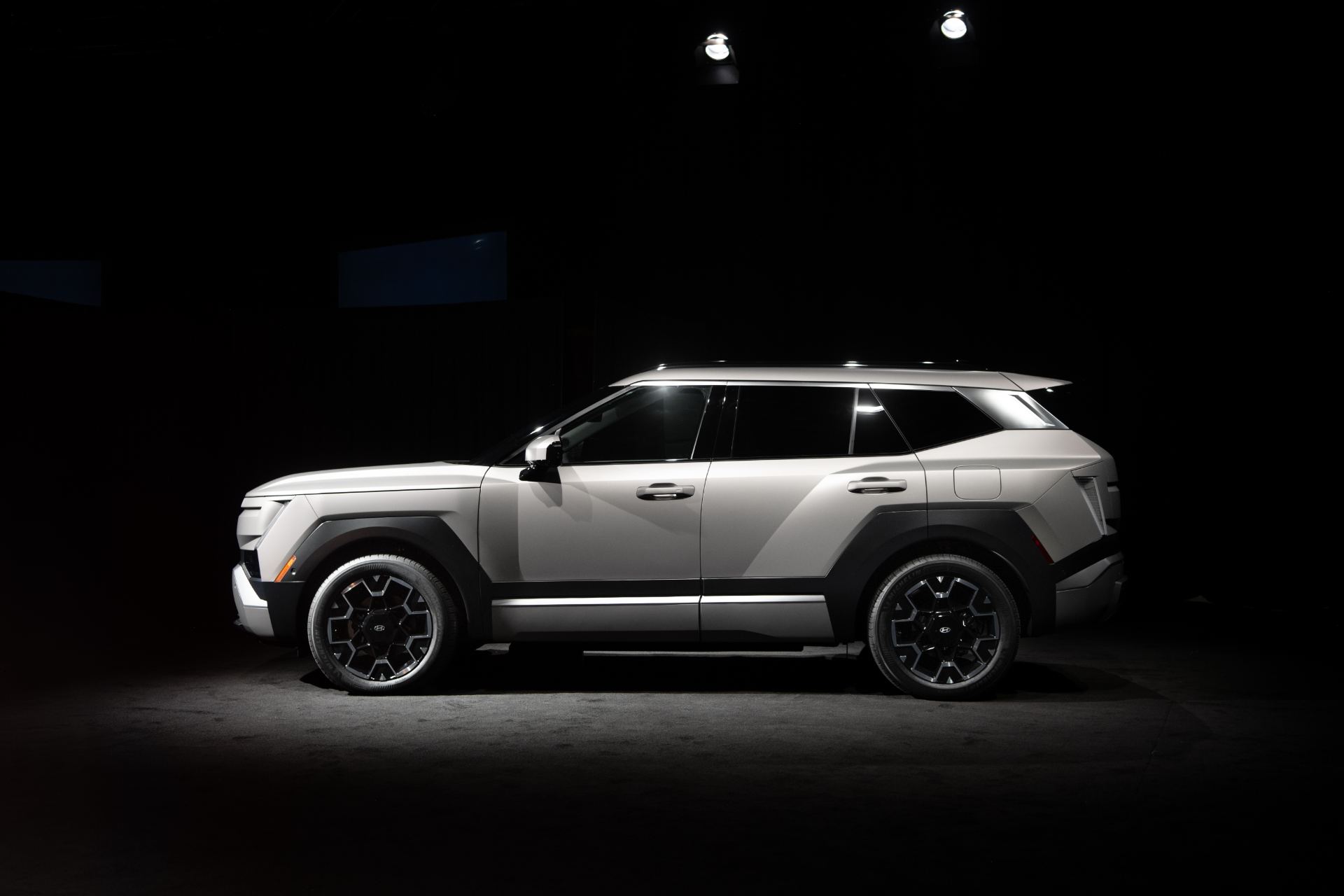
The body has grown in every direction. The long-wheelbase car measures 4,700 mm long, 1,905 mm wide and 1,685 mm tall, with a 2,785 mm wheelbase, and cargo space is quoted at 1,067 litres or 41.7 cubic feet. Rear legroom of 1,064 mm, just under 42 inches, is competitive for the class, and the rear doors now open to 83 degrees, 10 degrees wider than before, which matters more for fitting a child seat than any spec sheet suggests.
| Measurement | 2027 Tucson | Change |
|---|---|---|
| Length | 4,700 mm (185.0 in) | +60 mm |
| Width | 1,905 mm (75.0 in) | +40 mm |
| Height | 1,685 mm (66.3 in) | +20 mm |
| Wheelbase | 2,785 mm | +30 mm |
| Cargo volume | 1,067 L (41.7 cu ft) | Not stated |
| Ground clearance | 180 mm (210 mm on XRT Pro) | Not stated |
How Much Will the 2027 Tucson Cost?
Hyundai has not announced pricing for the 2027 Tucson in any market, and no official MSRP or RRP exists yet. Expect US numbers closer to the on-sale date, with European and UK pricing to follow. The only solid reference point is the current generation: the 2026 Tucson starts at 29,450 dollars for the front-wheel-drive SE, the Tucson Hybrid opens at 33,650 dollars and the plug-in hybrid at 38,615 dollars. Given a longer, wider body, the move to Android Automotive-based infotainment and the addition of the XRT Pro off-road trim, a redesigned model arriving at or below those figures would be a genuine surprise. Treat any starting price you see quoted today as an estimate rather than a fact.
Exterior
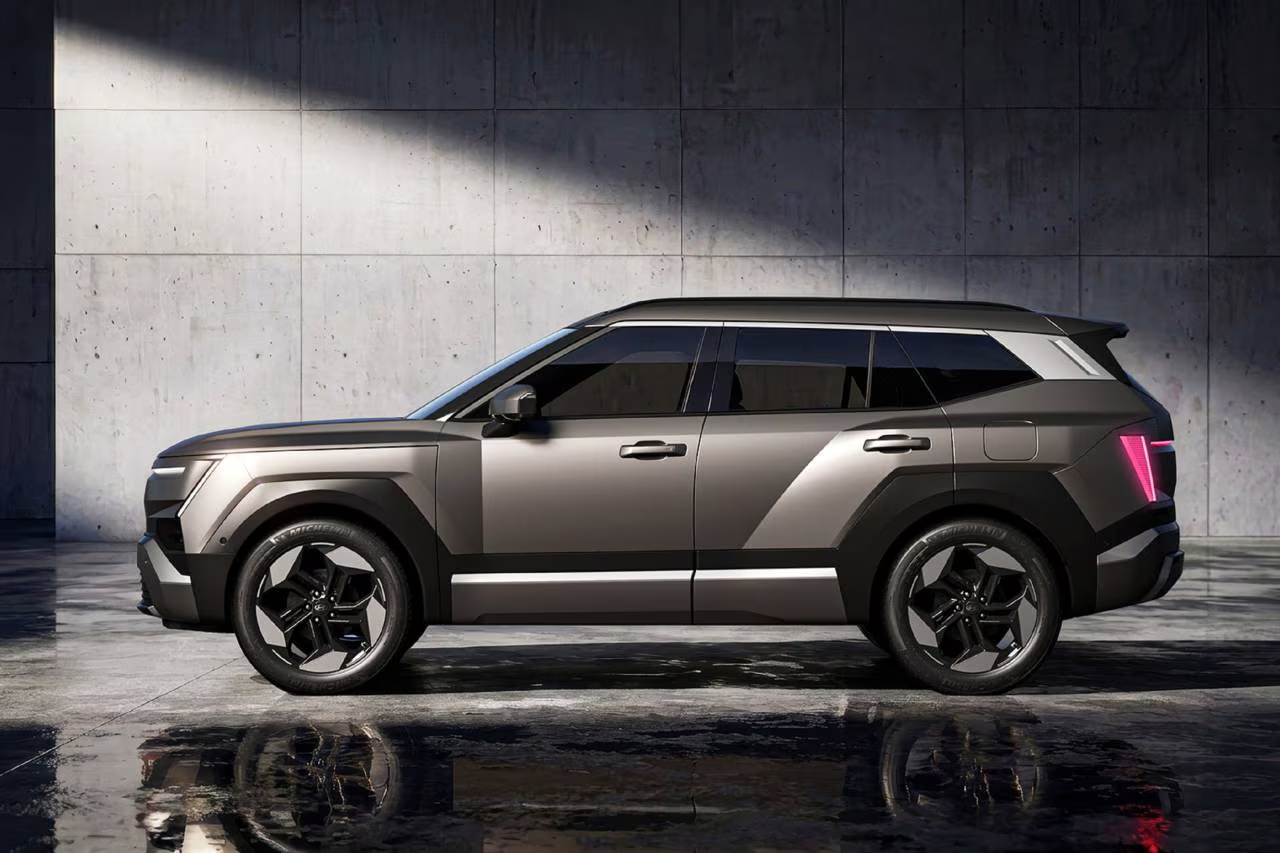
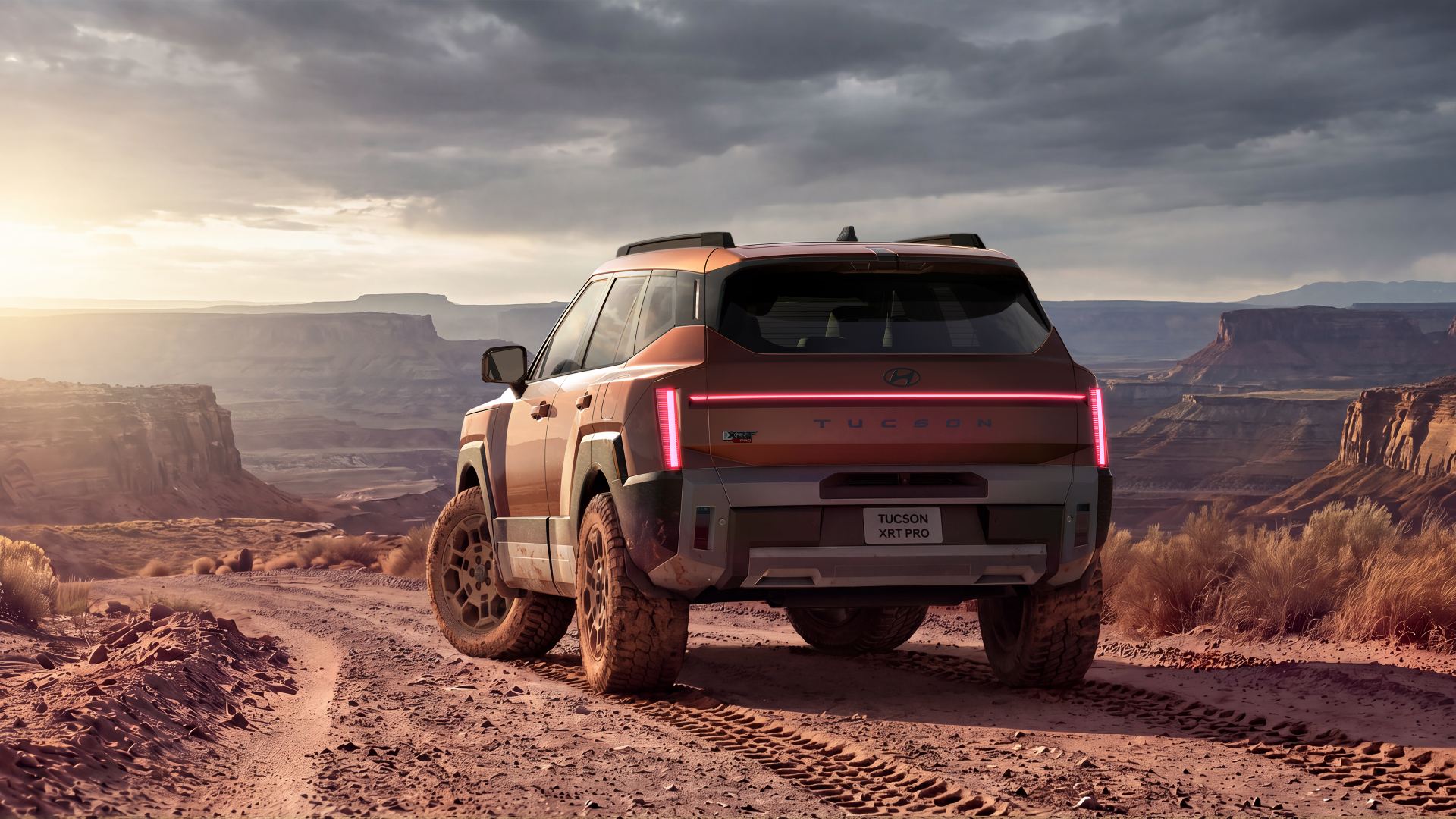
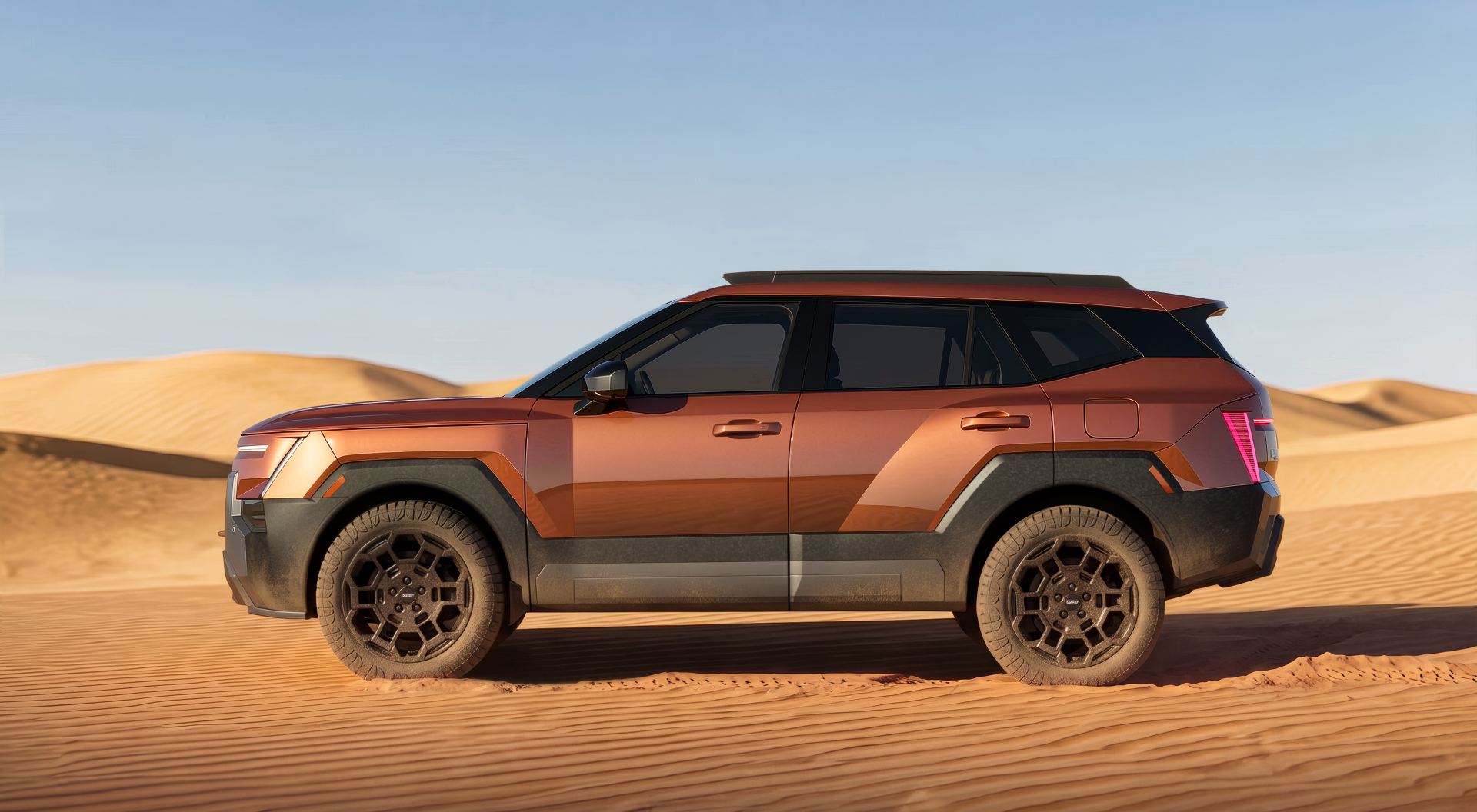
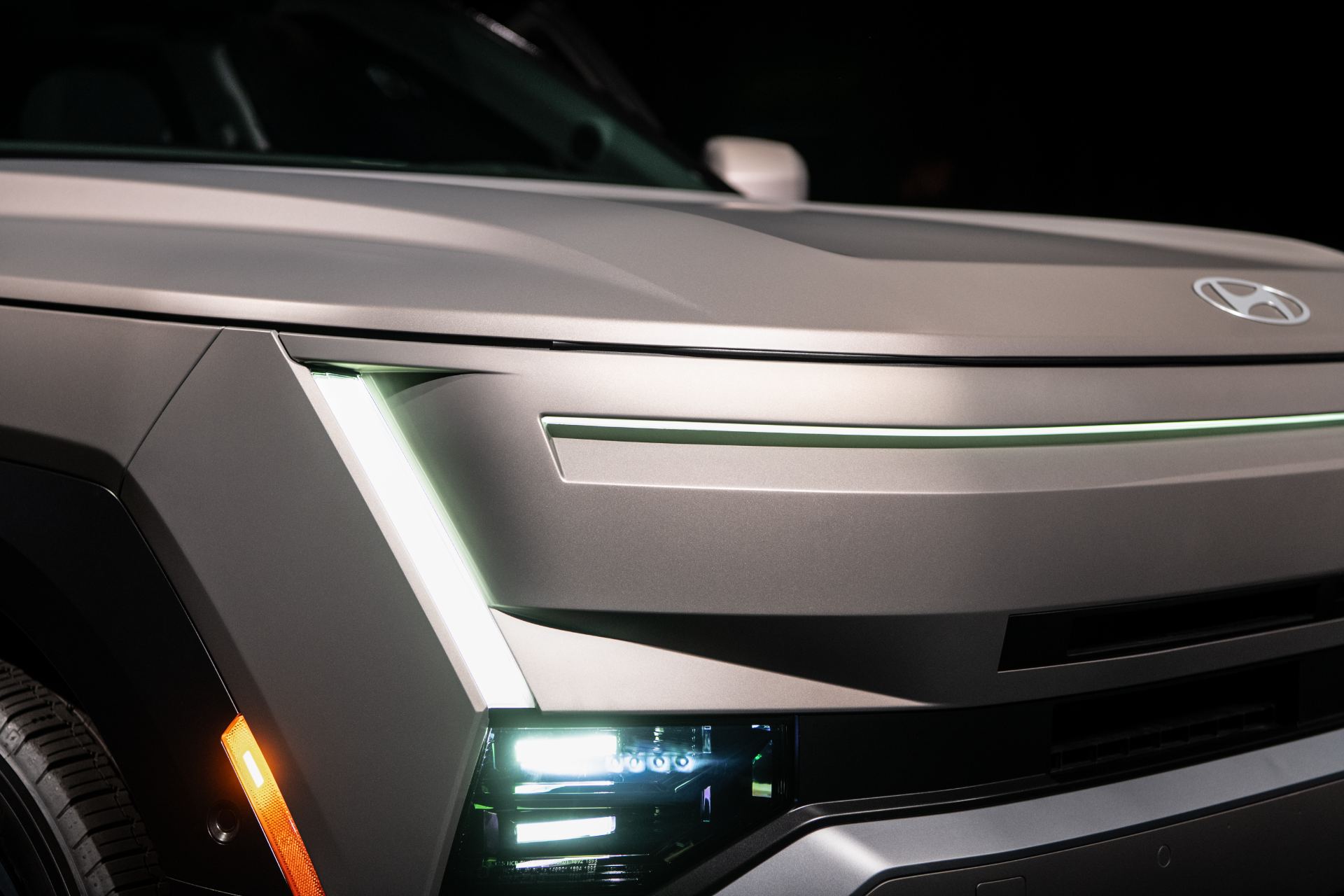
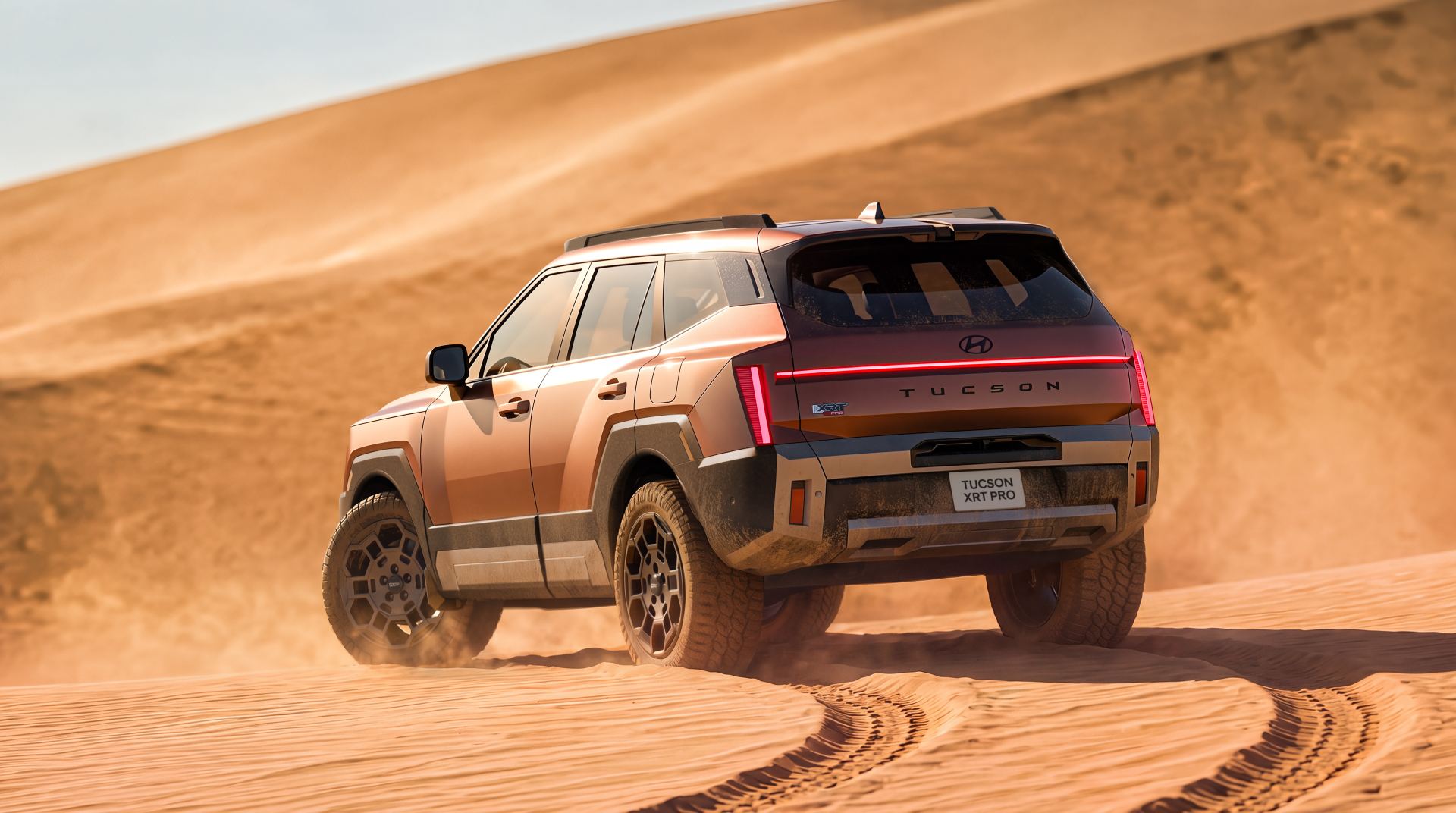
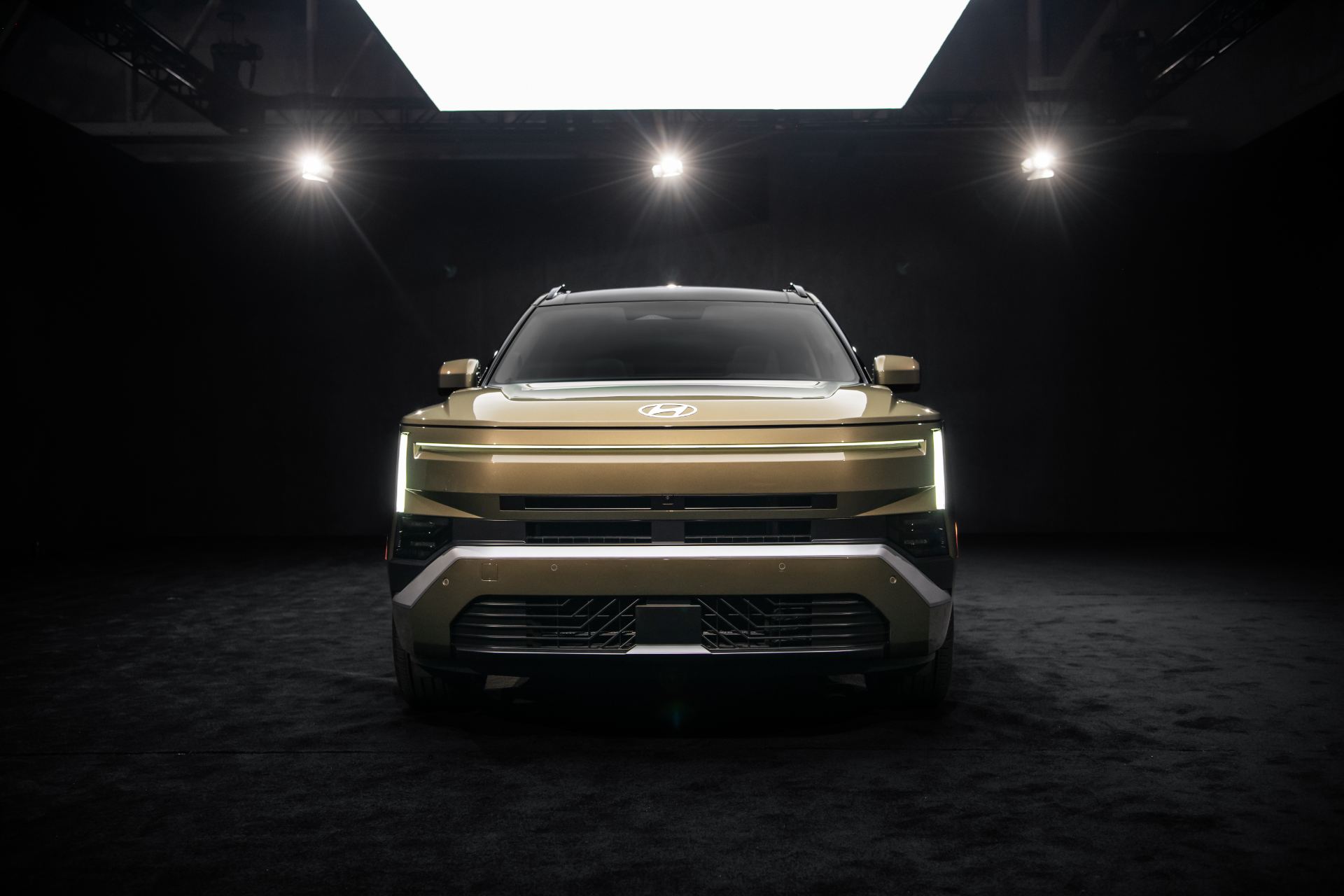
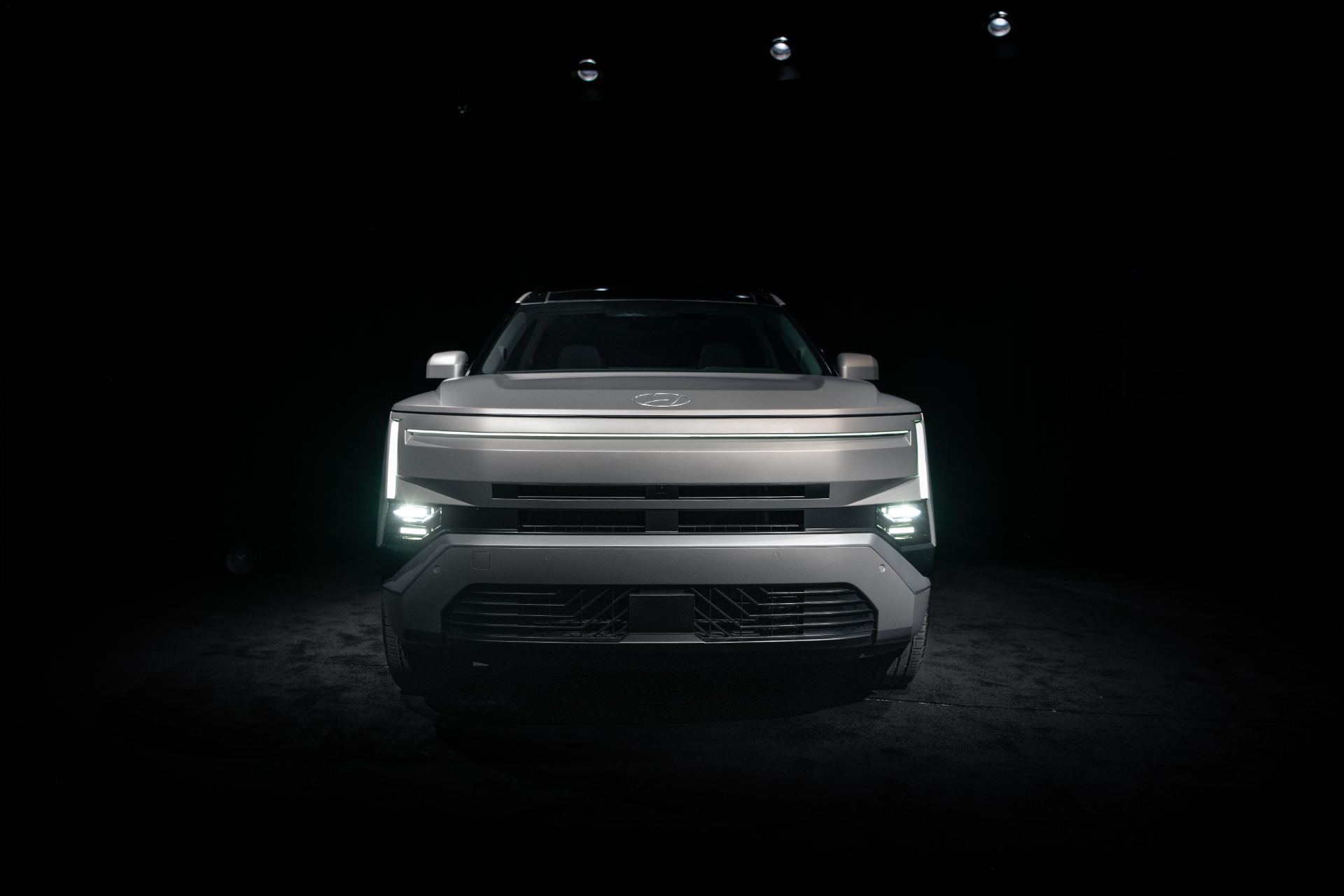
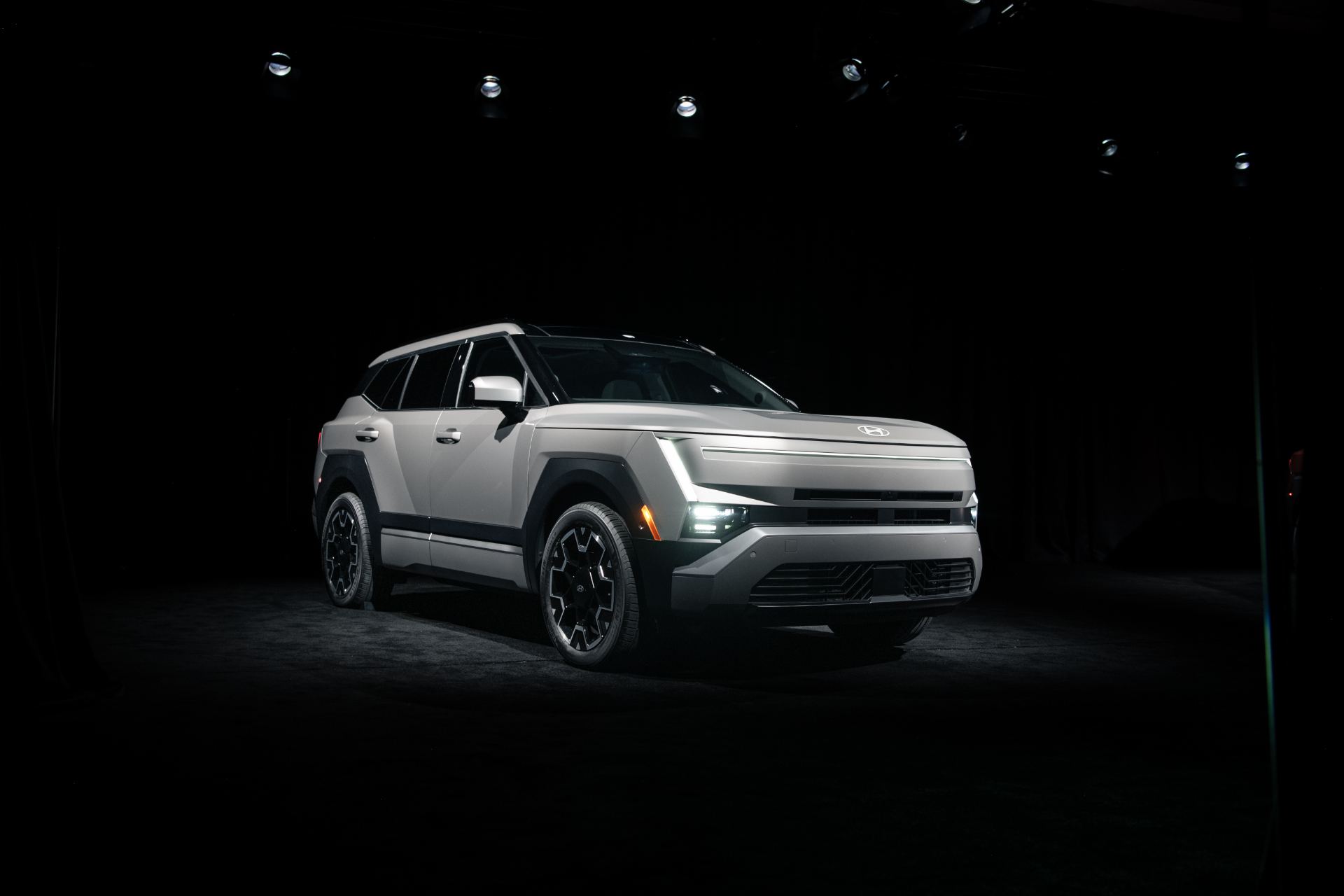
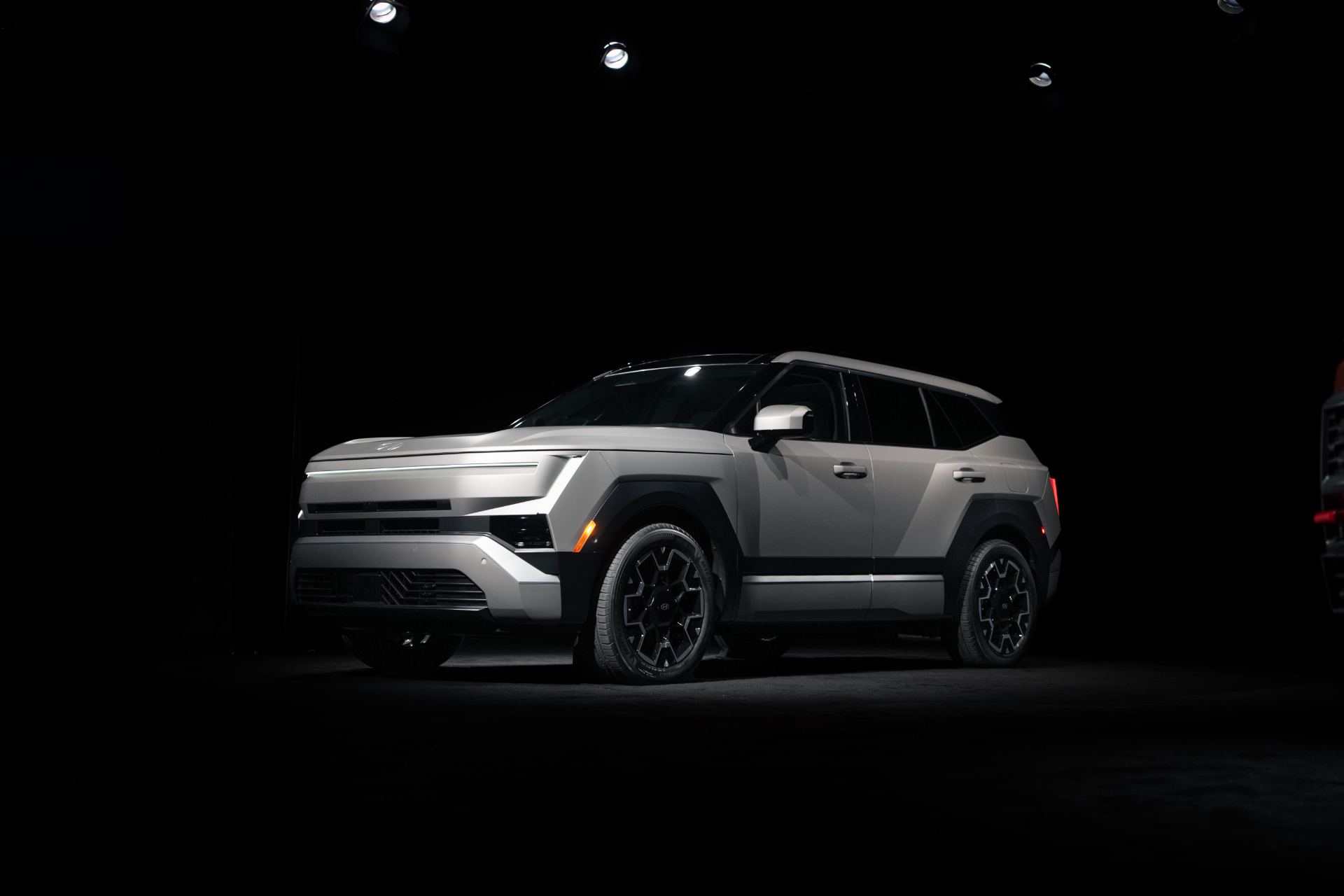
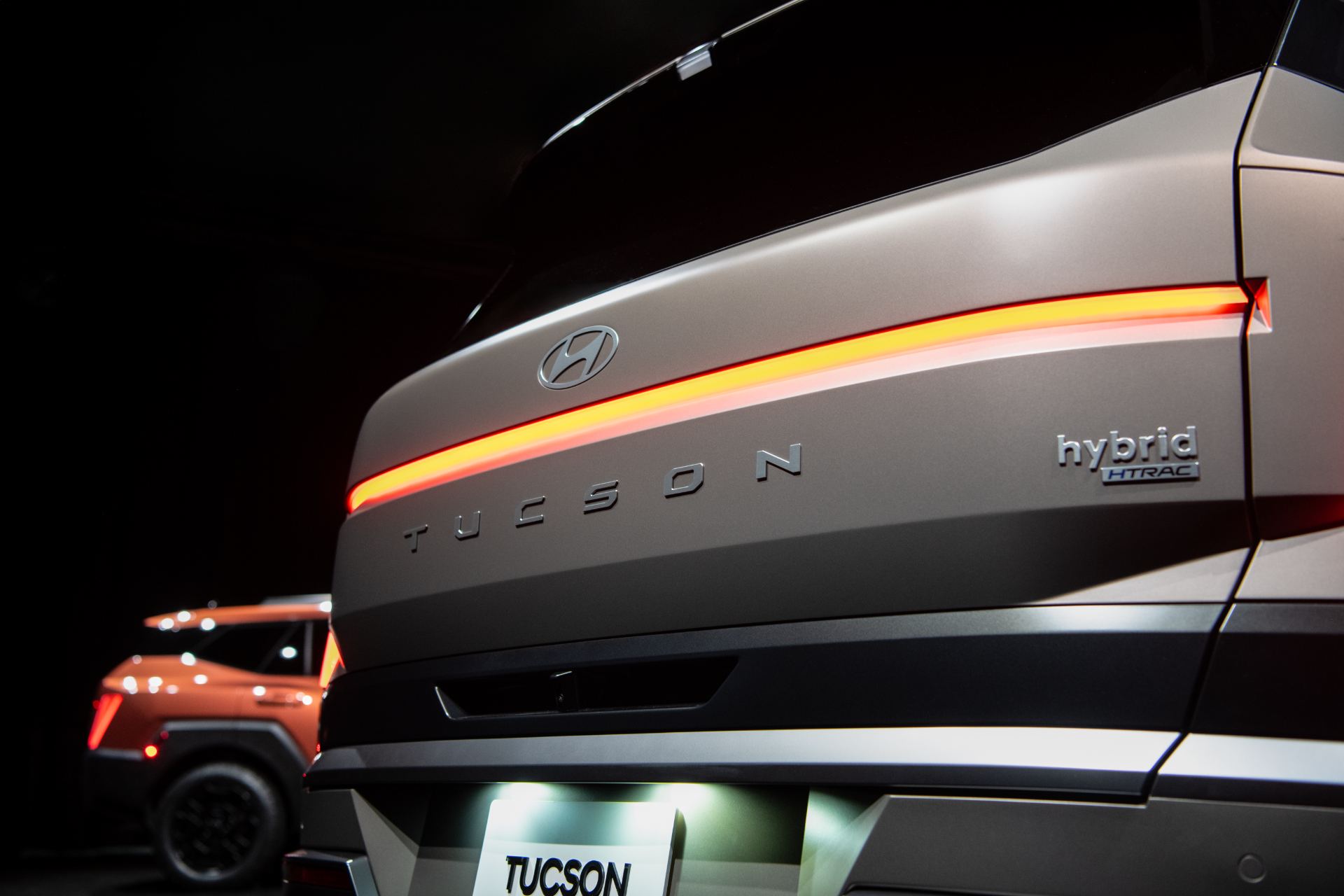
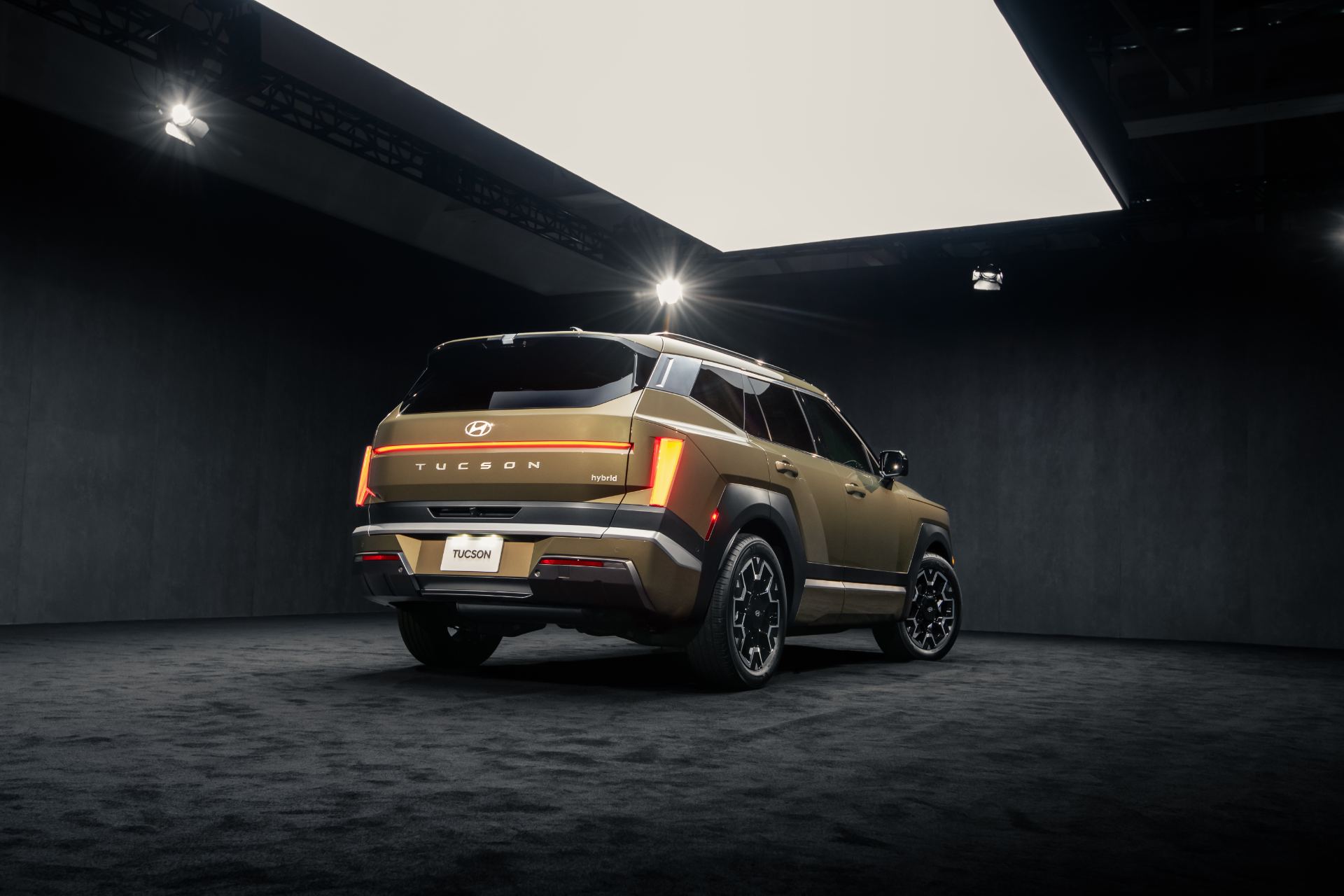
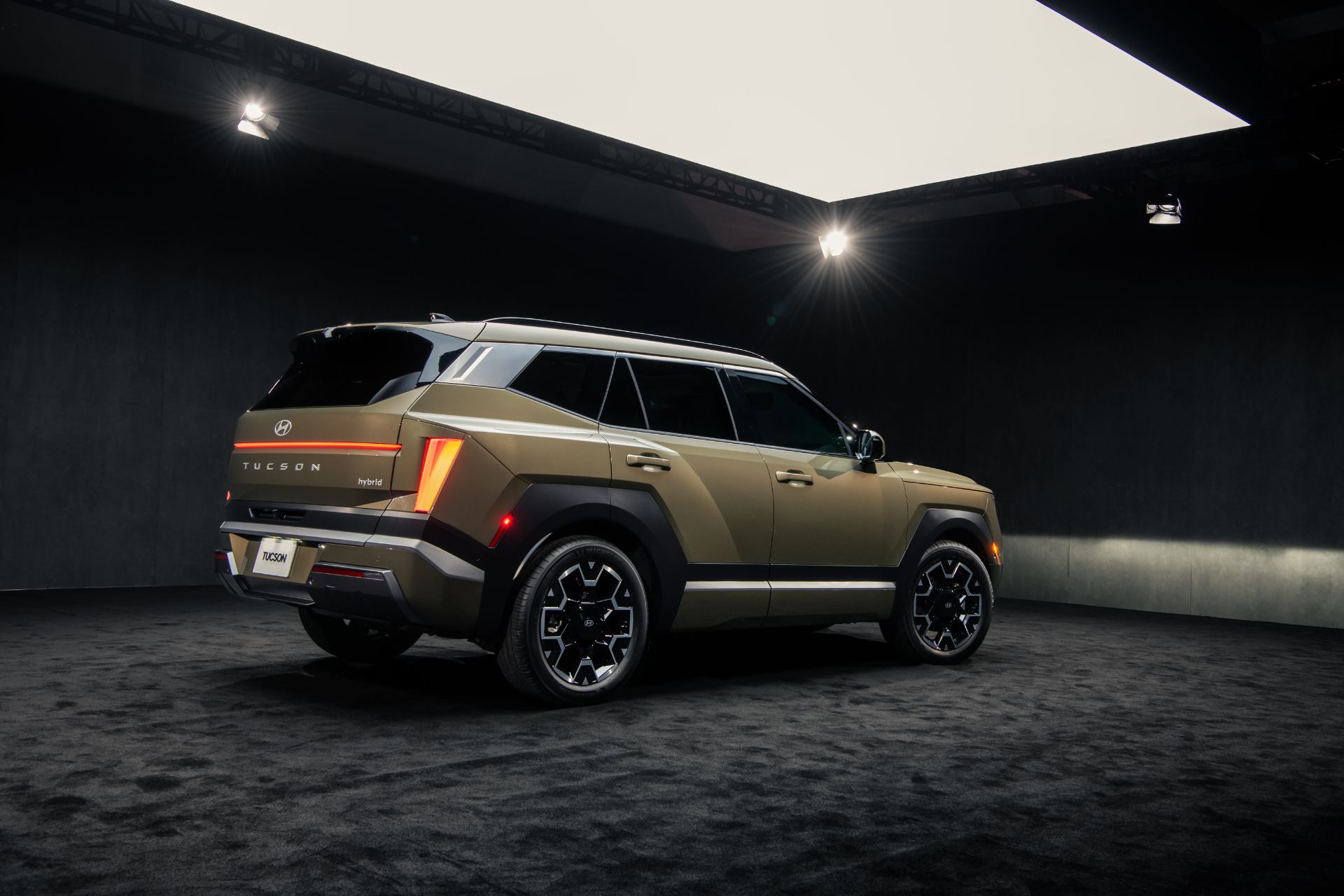
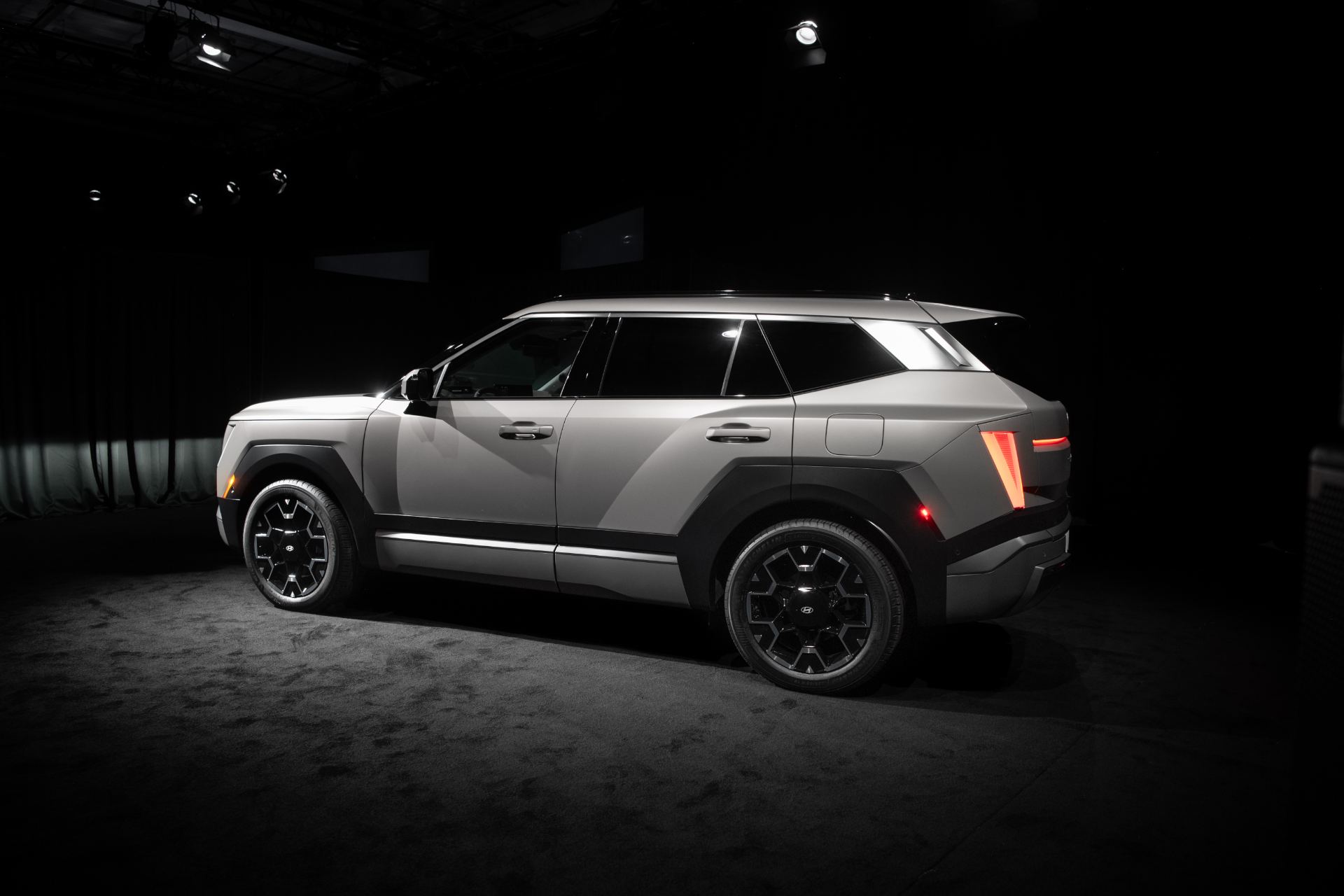
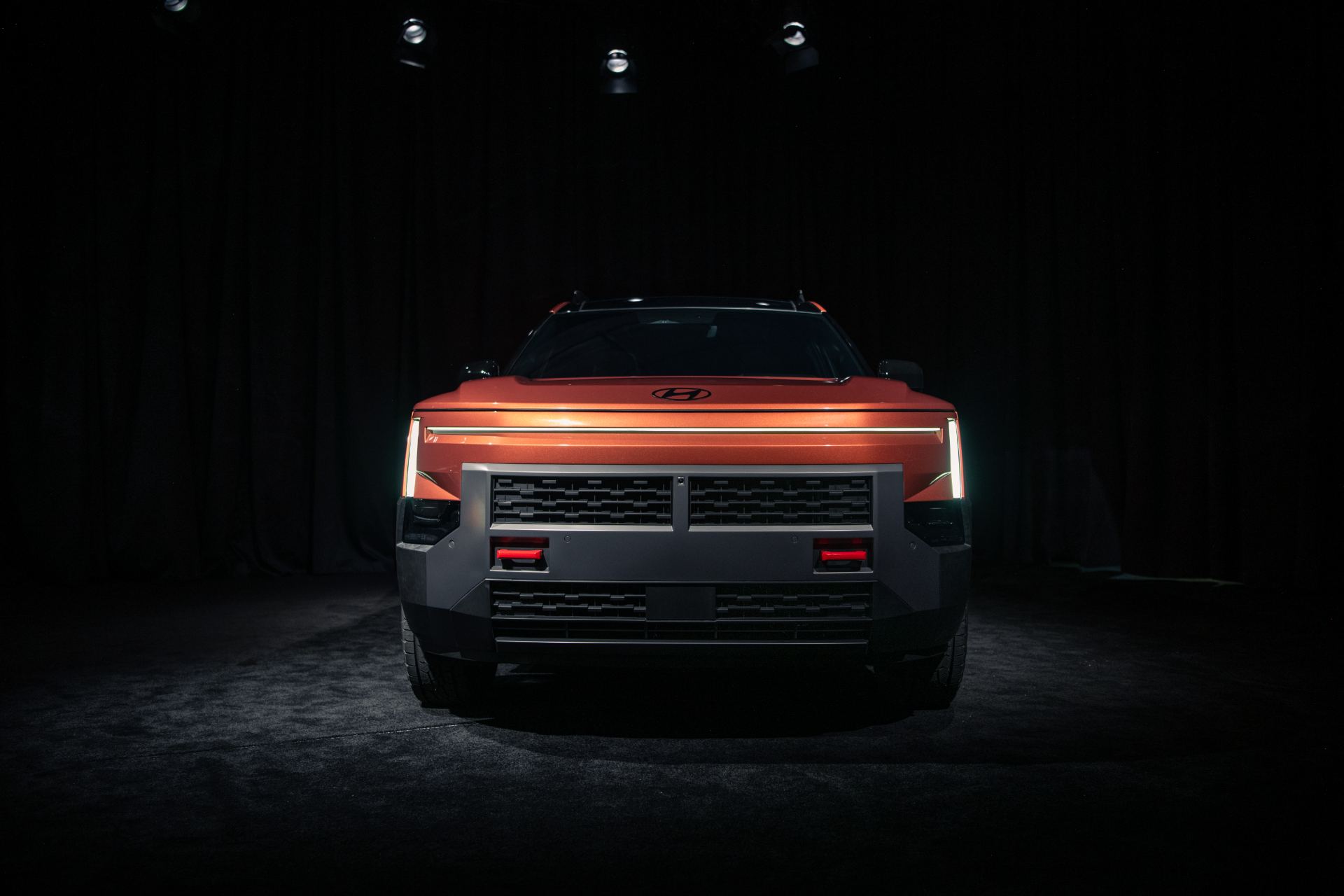
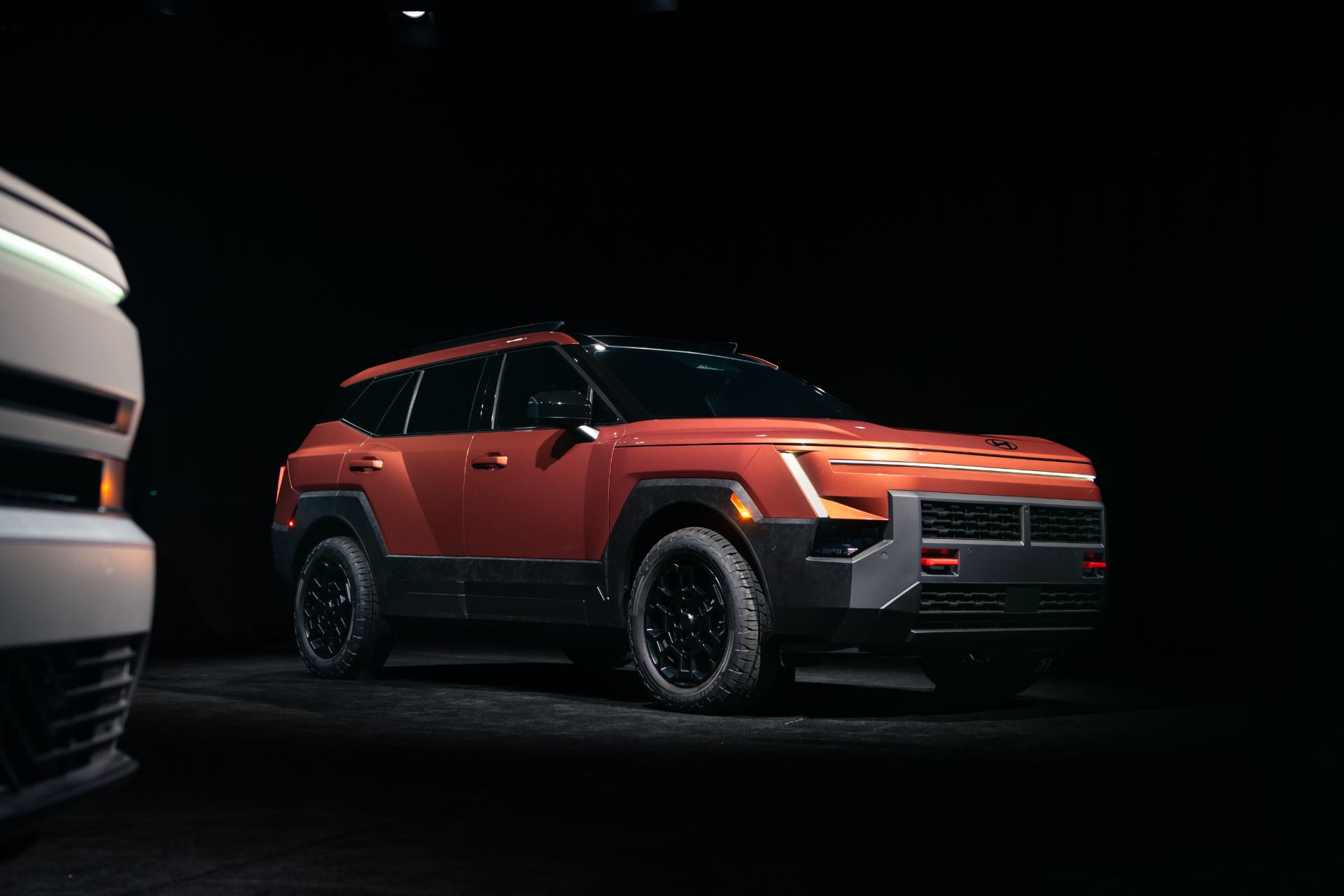
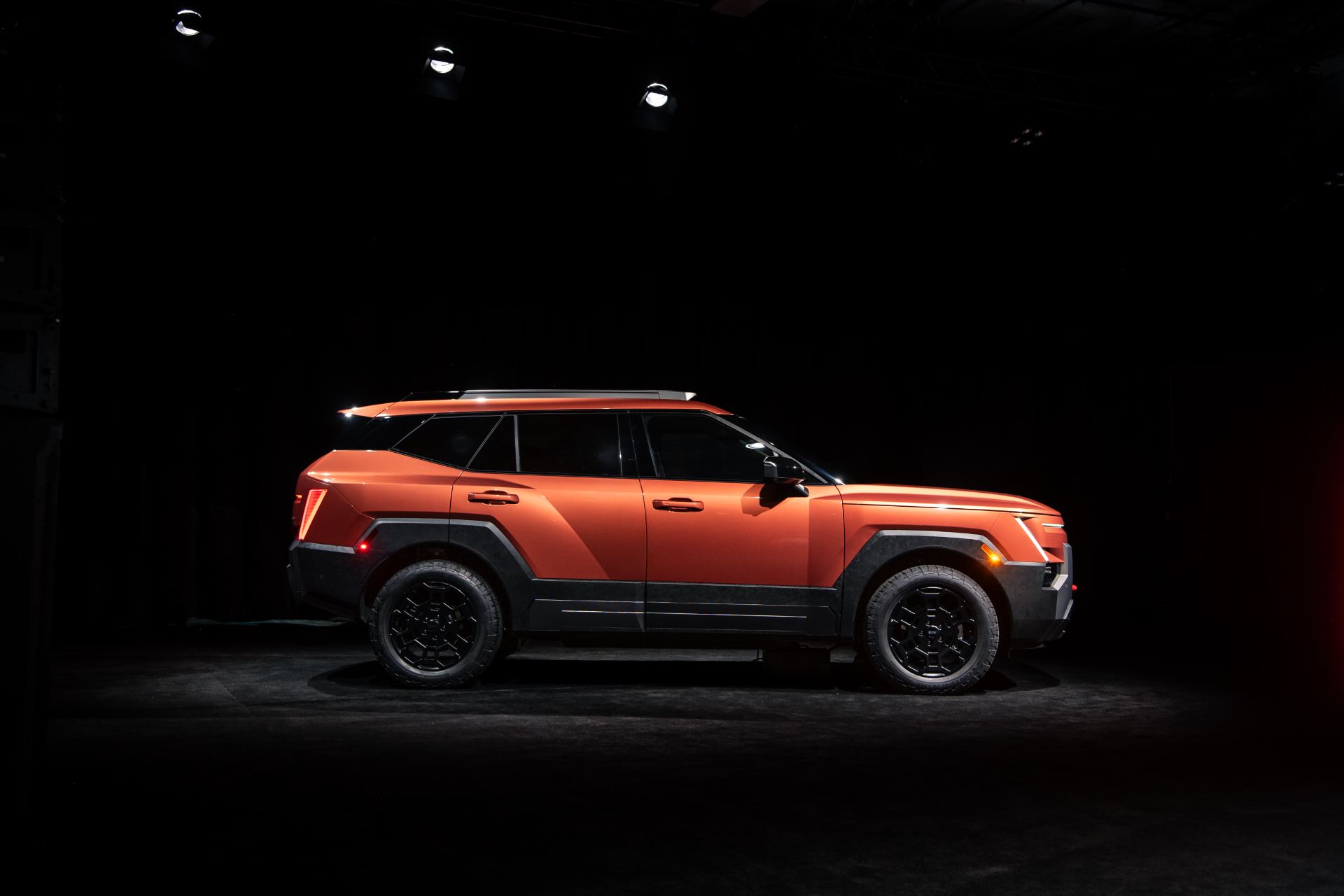
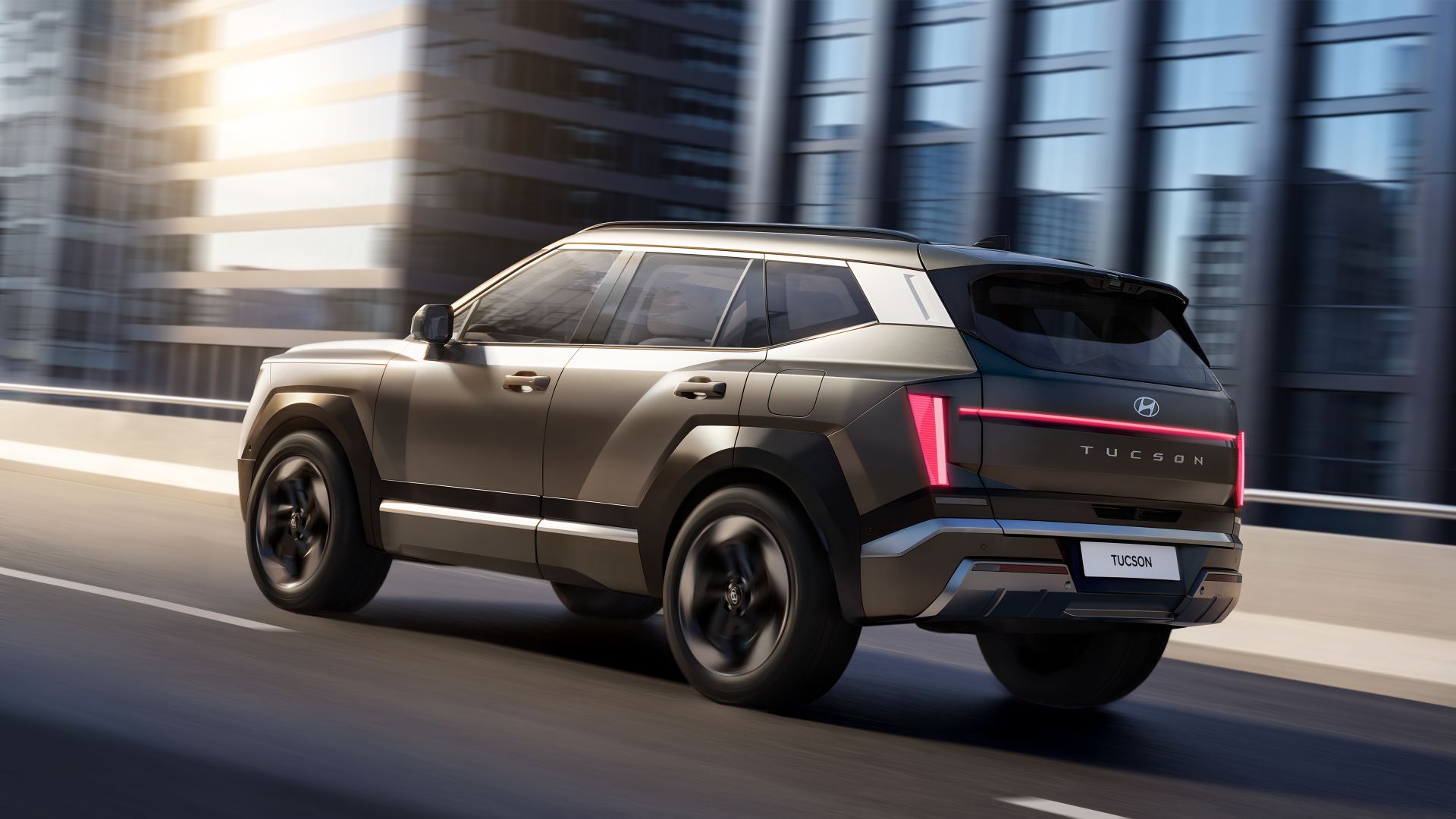
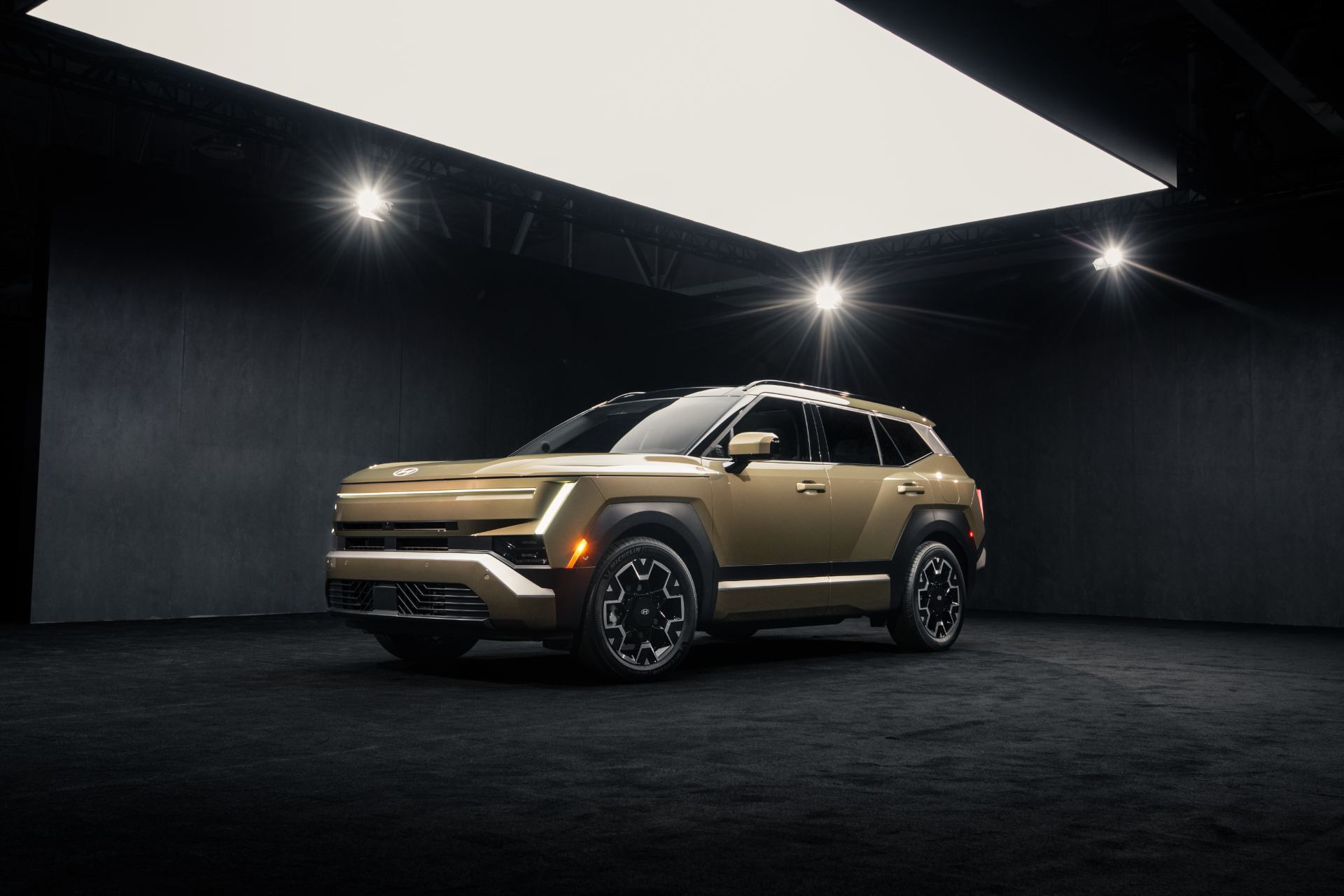
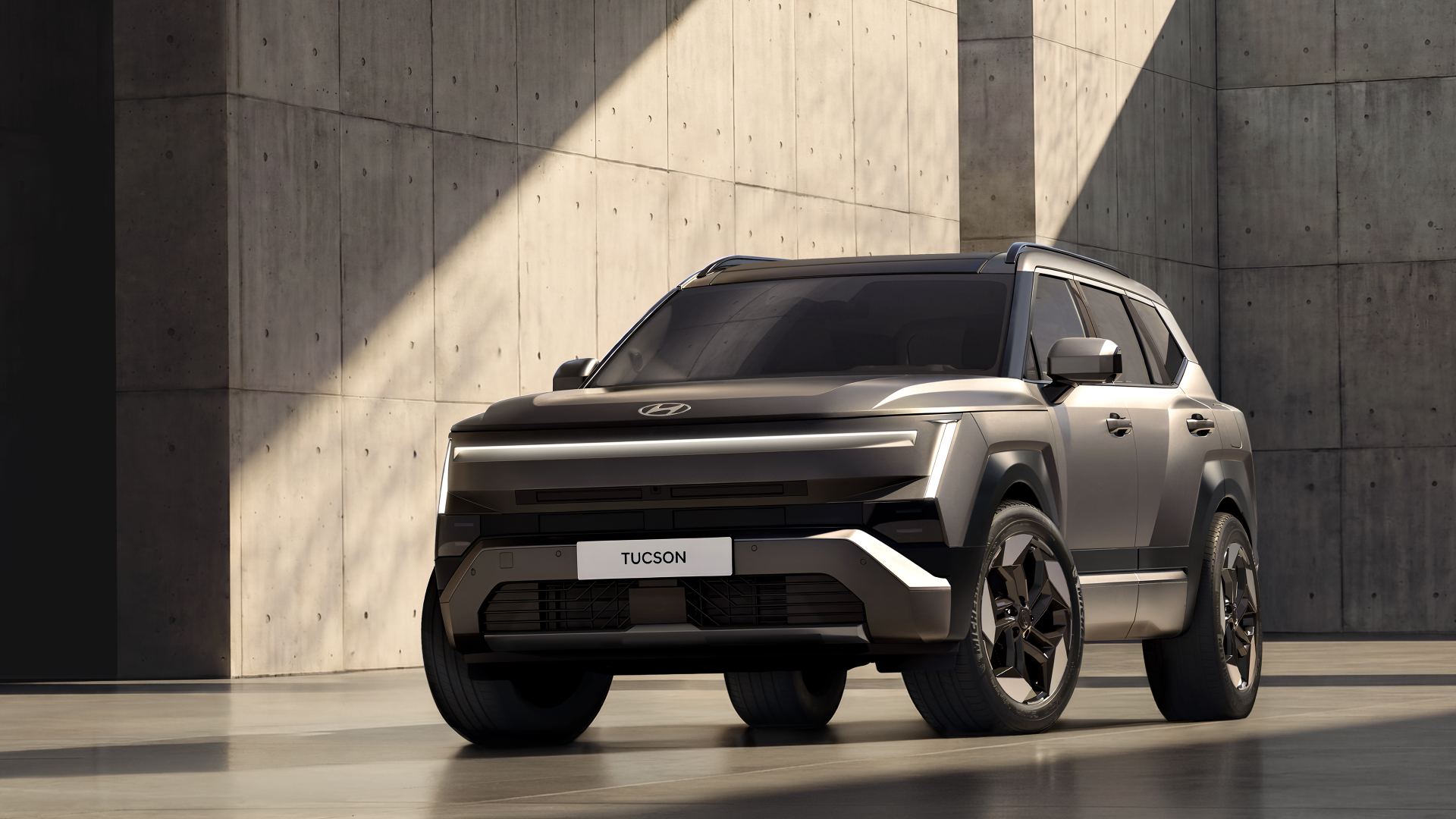
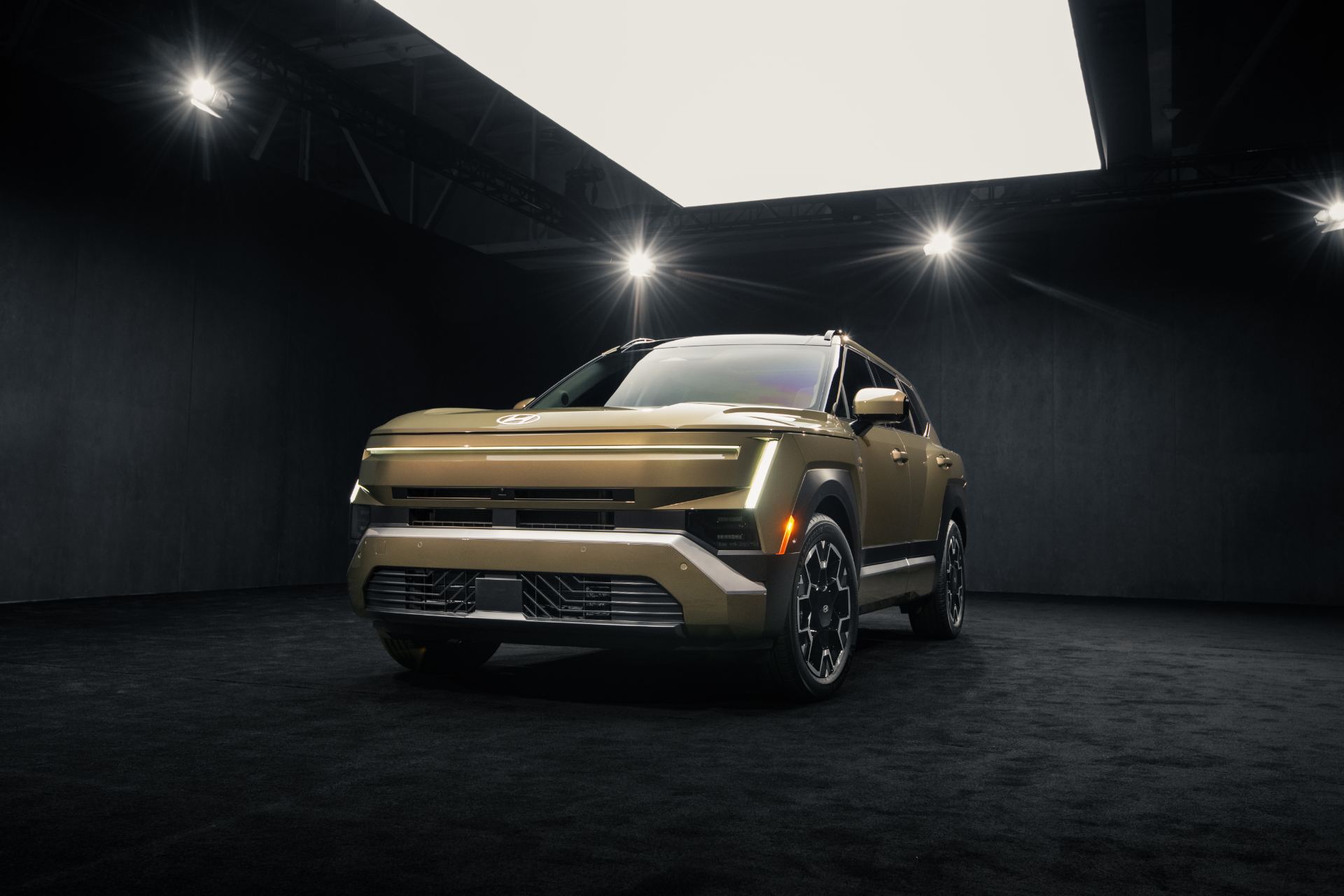
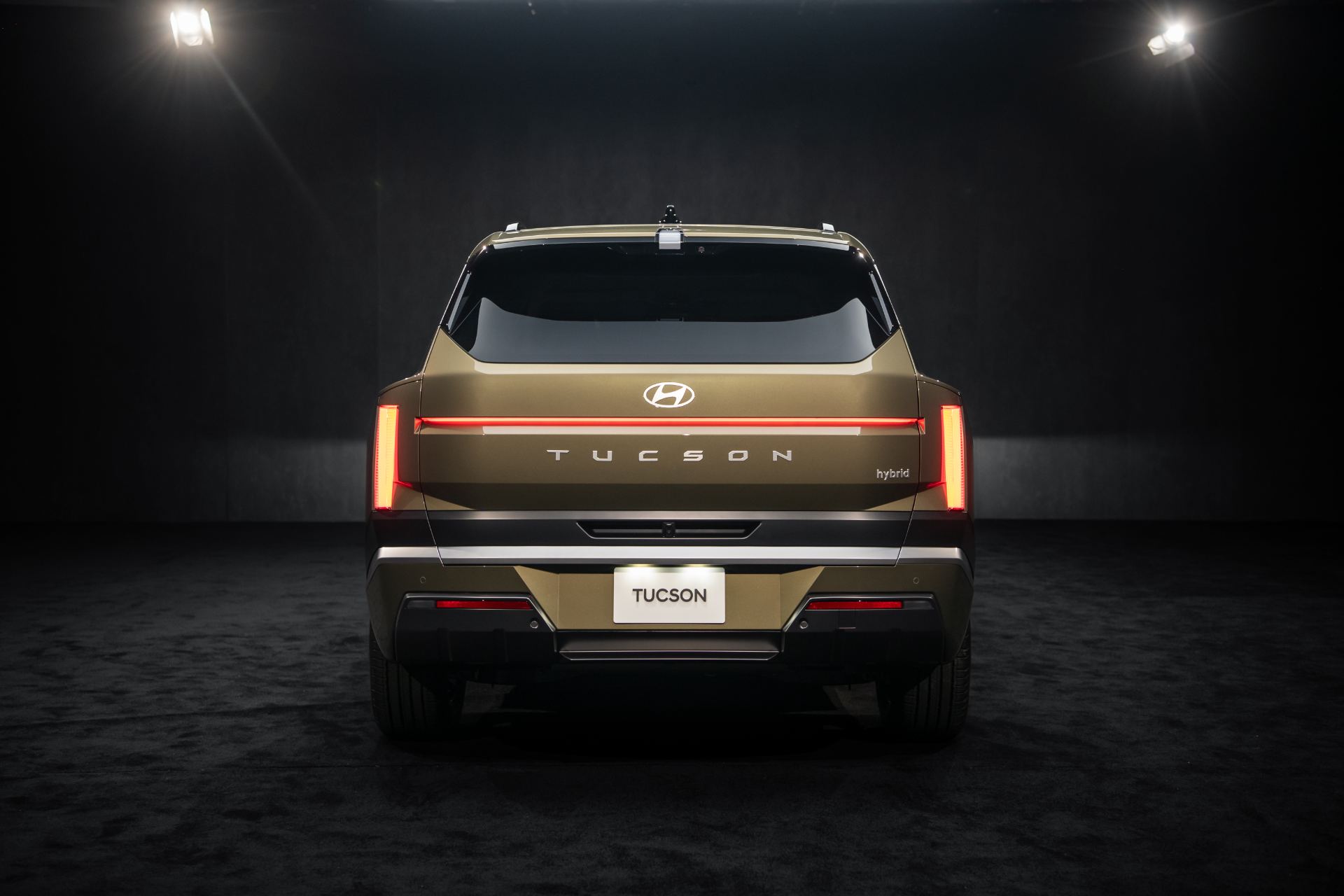
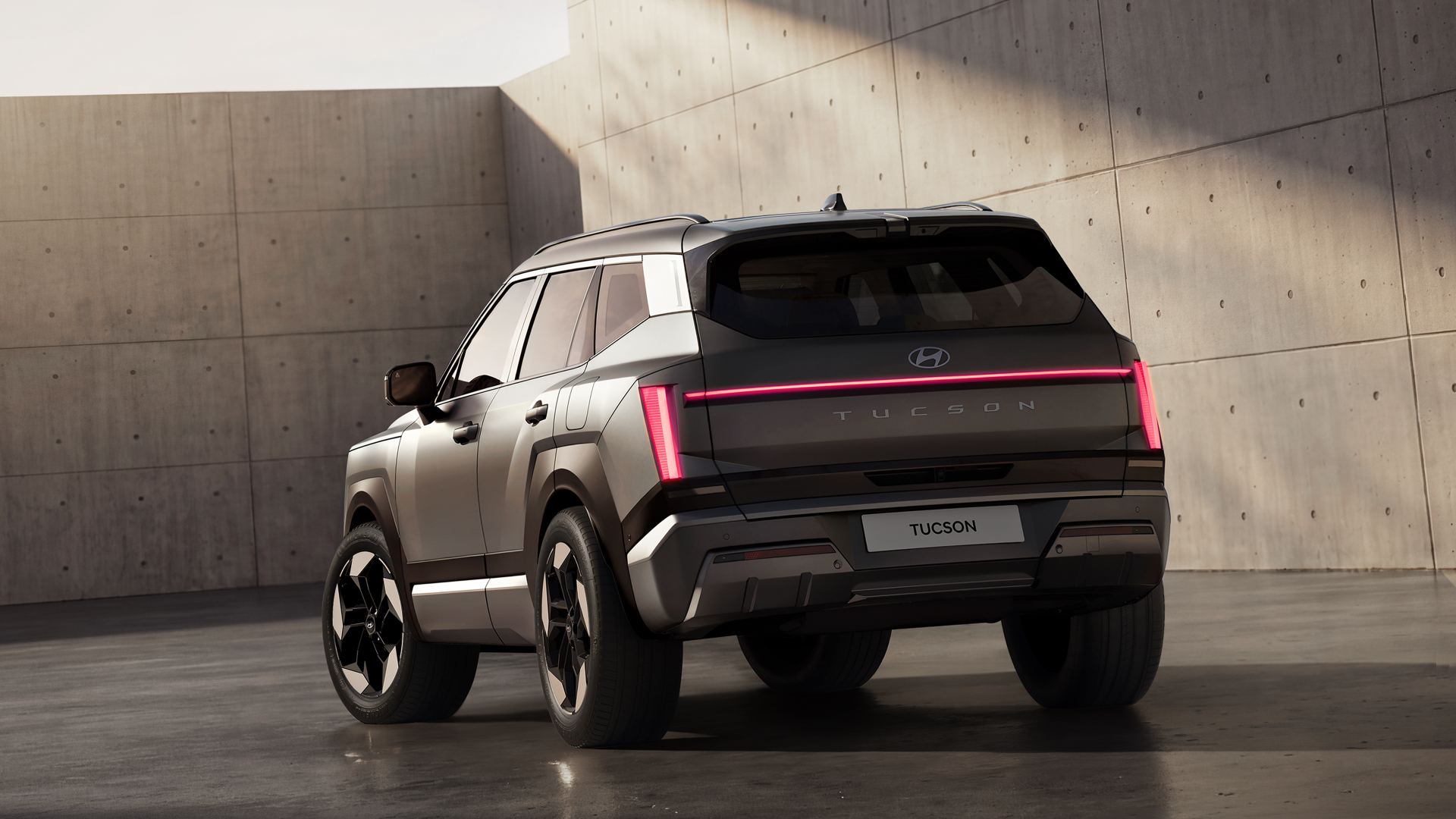
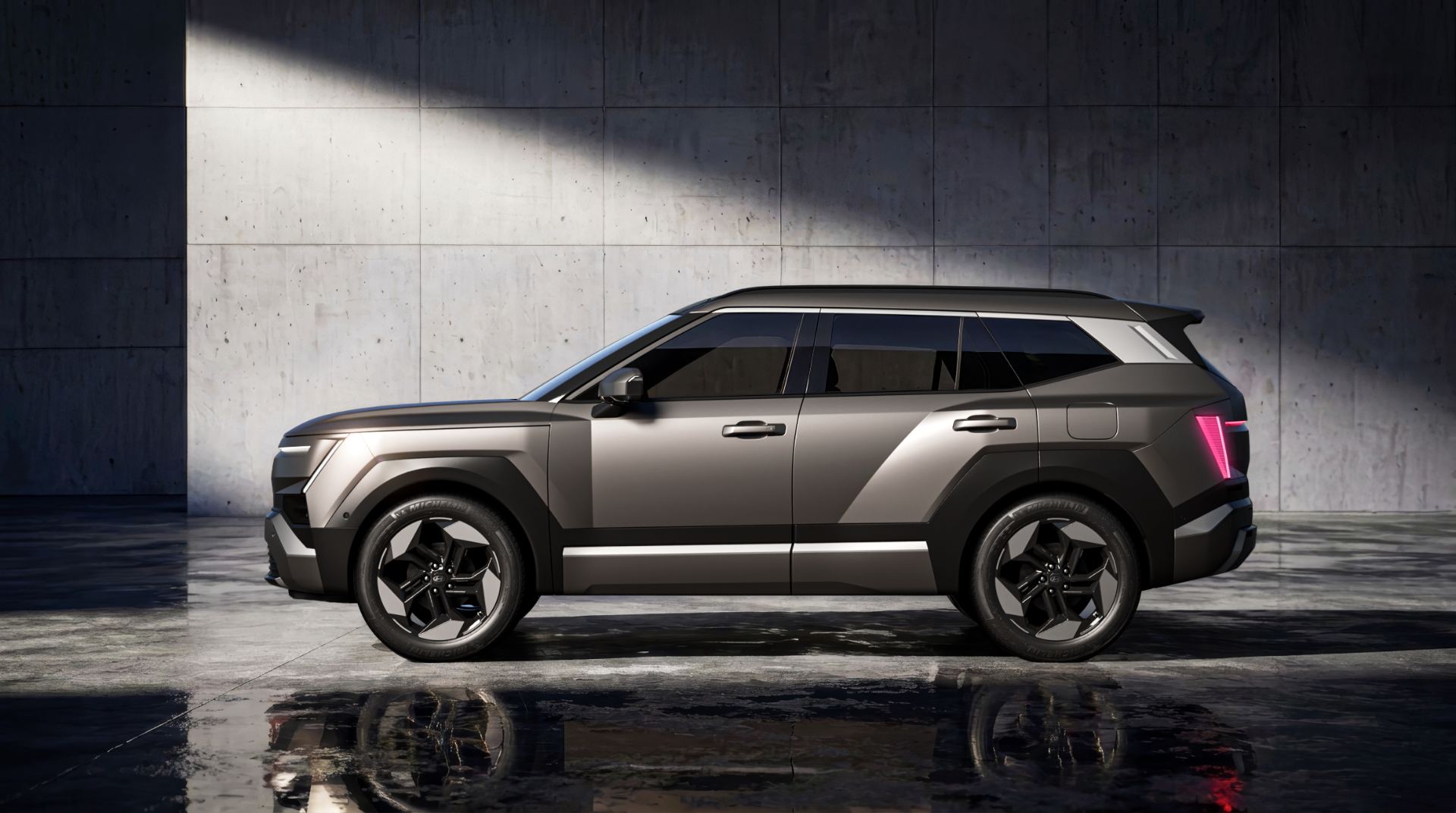
The styling follows what Hyundai calls its Art of Steel design language: pronounced fenders and crisp body creases set against deliberately flat, restrained door surfaces, with a wide front end built around H-Edge lighting that mixes indirect centre illumination with sharper edge elements. At the back, Prism Rear Lamps use a sculptural three-dimensional floating design. The standout option is Micro Pixel Lighting, which uses 25,600 individually controlled LED pixels in the headlamps. Launch colours include Ranger Green Pearl and Matte, Kodiak Blue Pearl, Driftwood Gray Metallic and Matte, Red Rock Orange Pearl and Matte, and Serenity White Pearl, with the matte finishes a first for the nameplate.
Interior and Technology
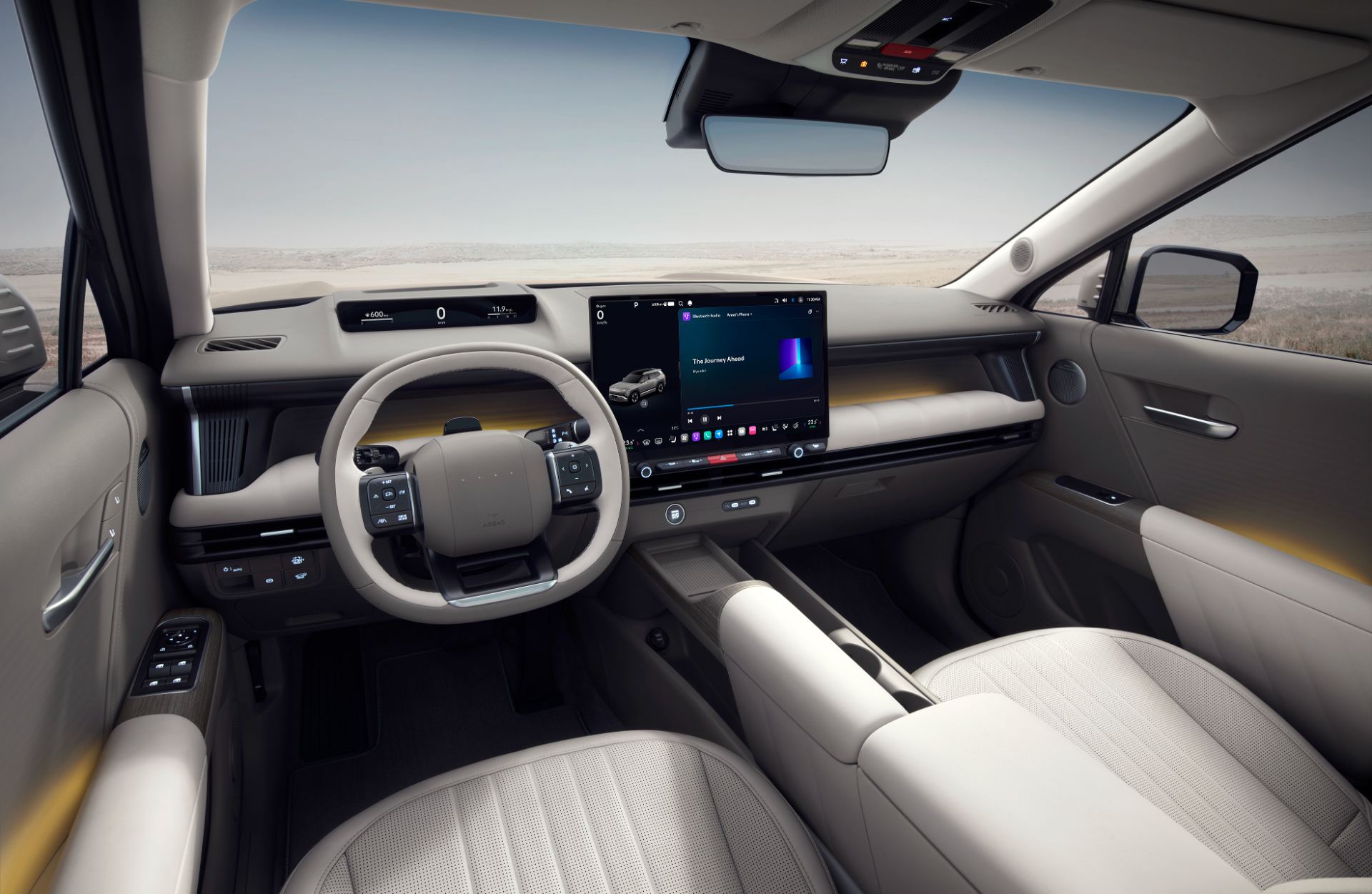
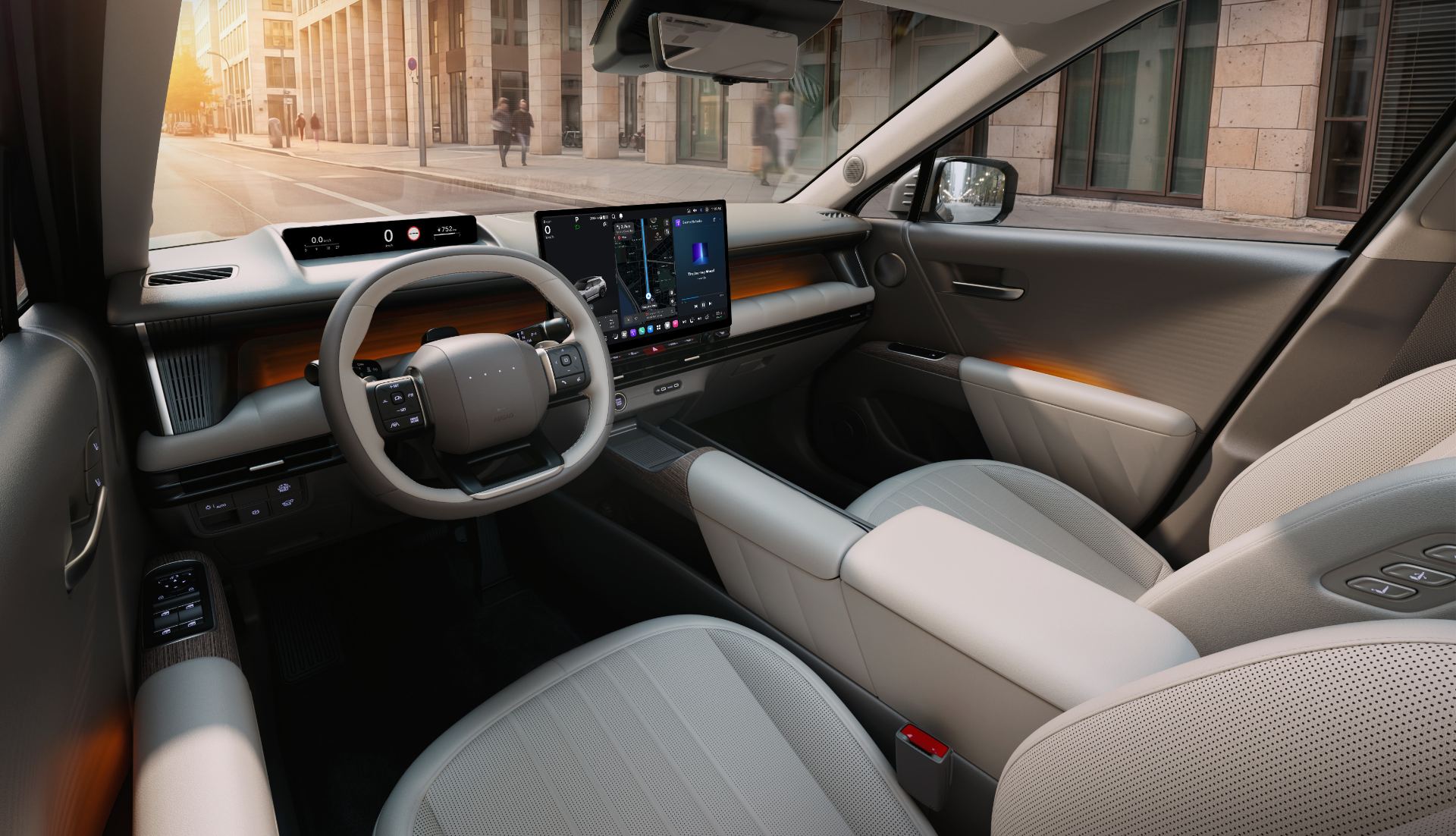
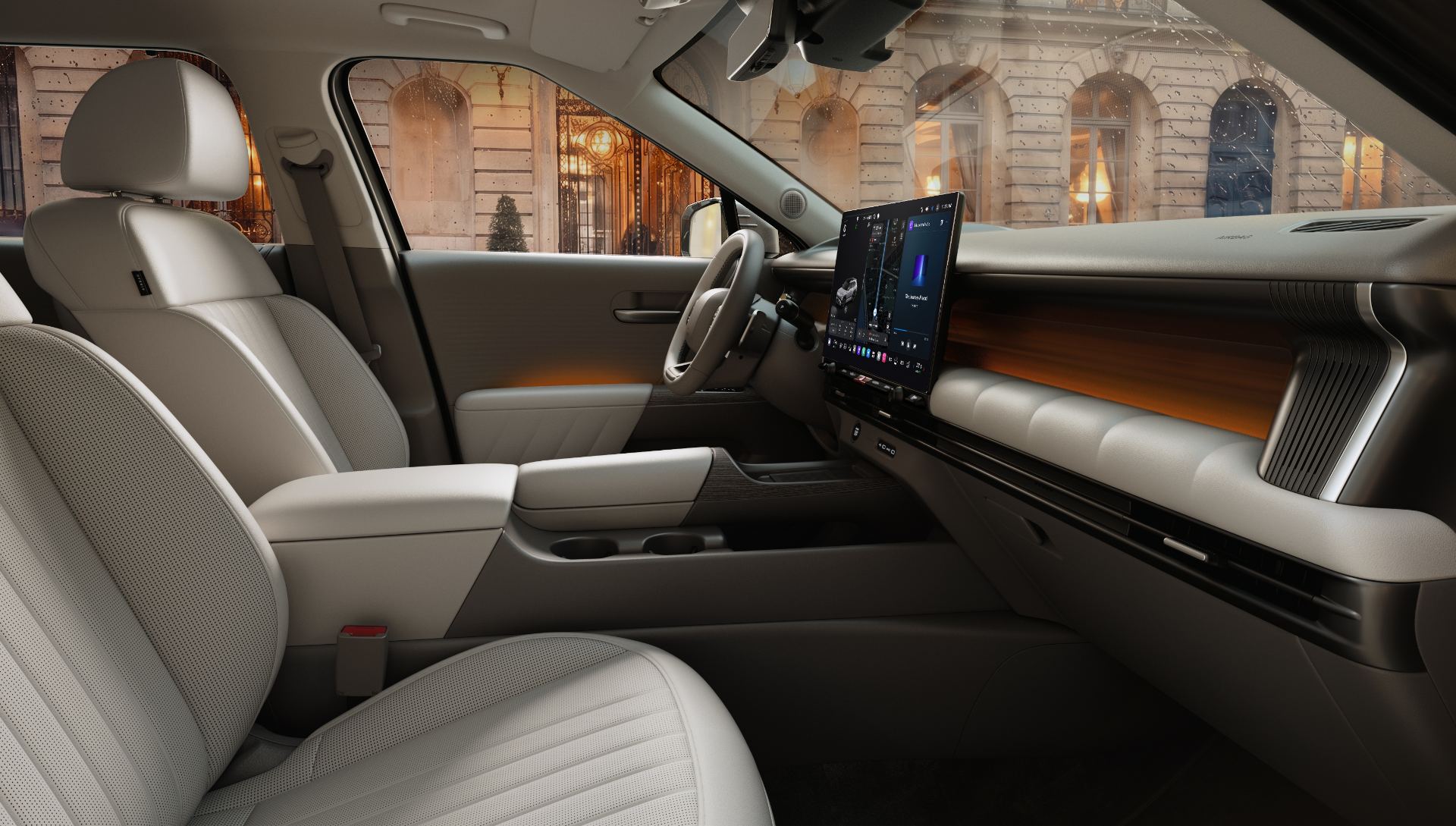
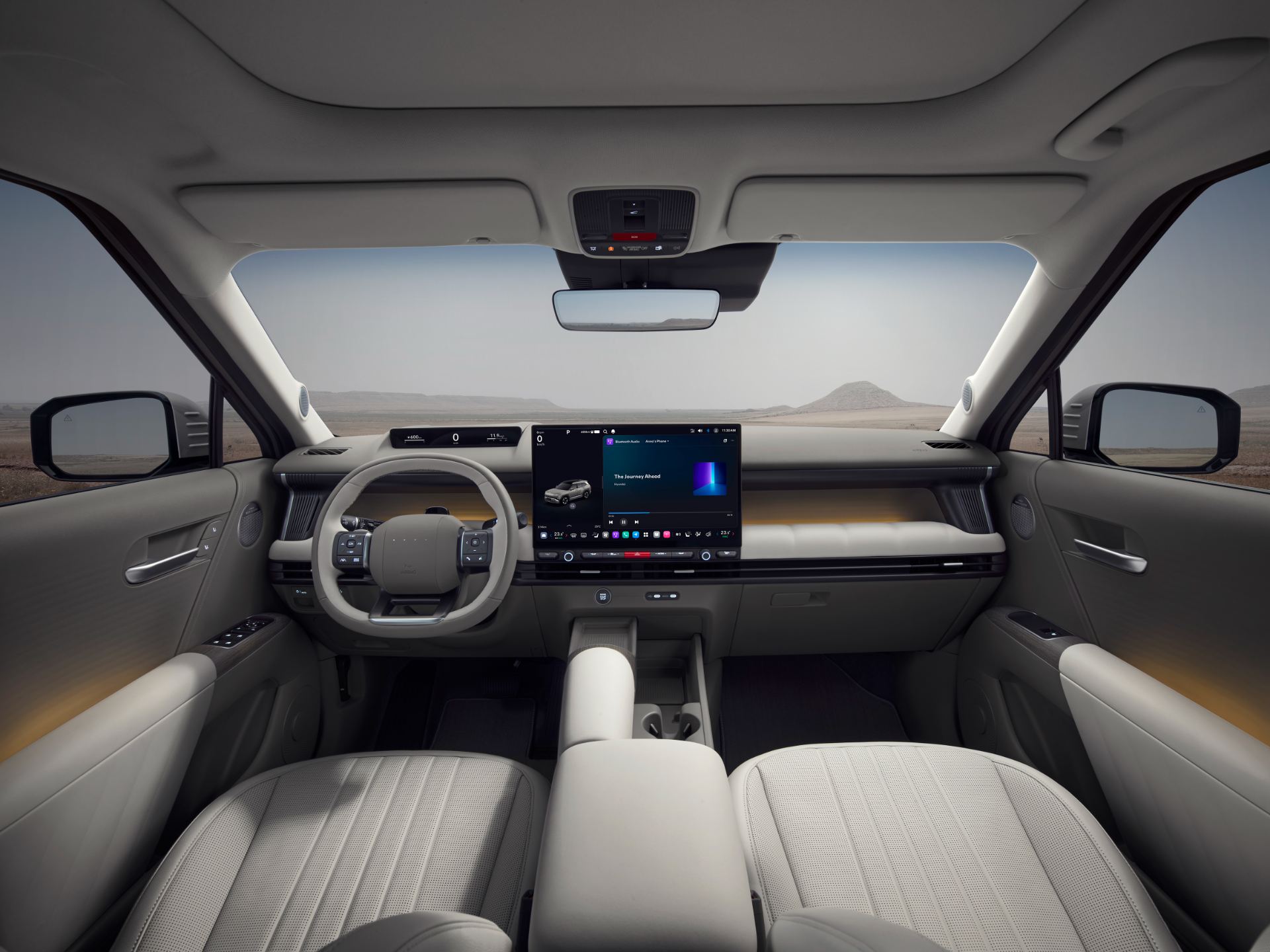
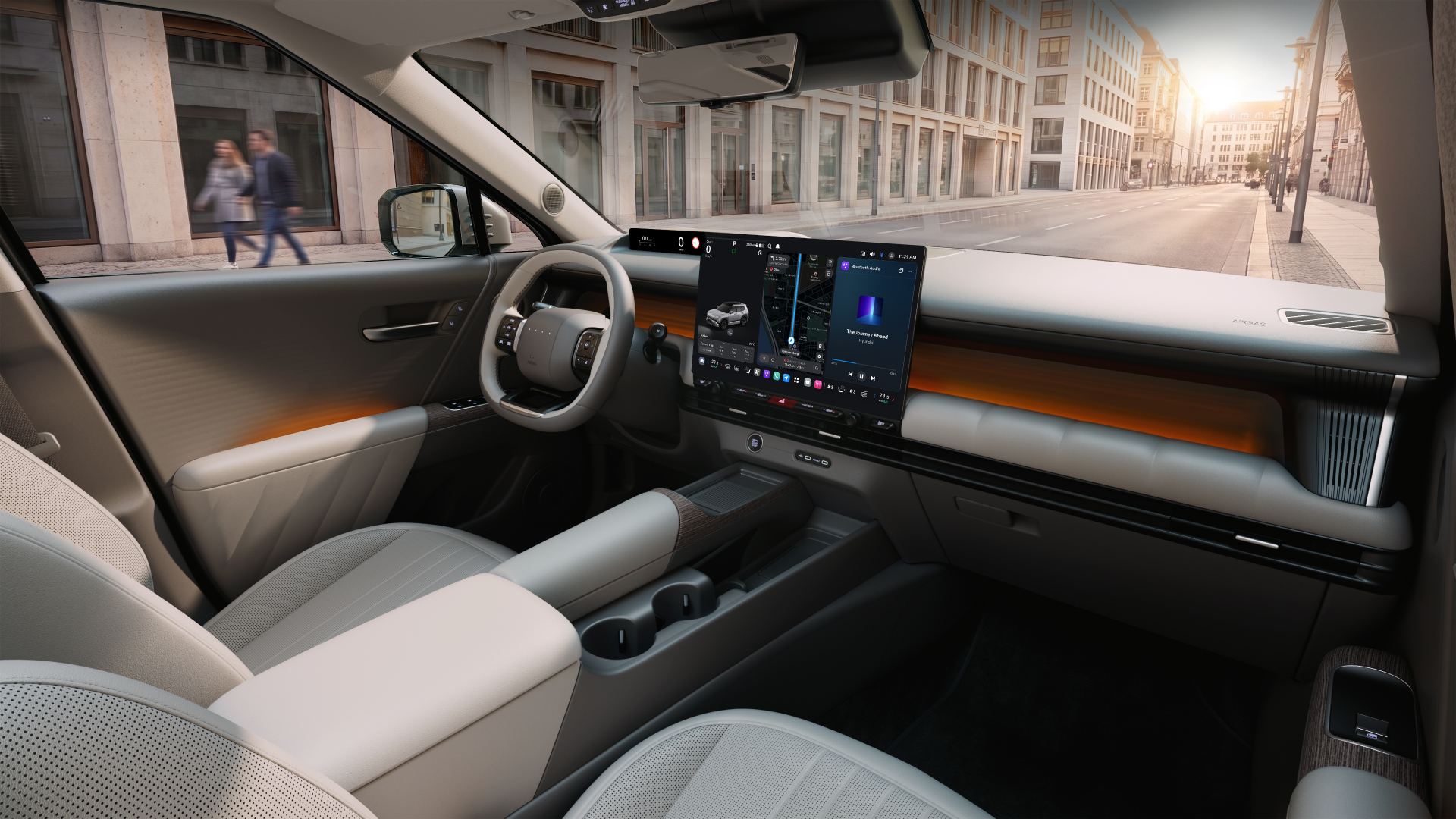
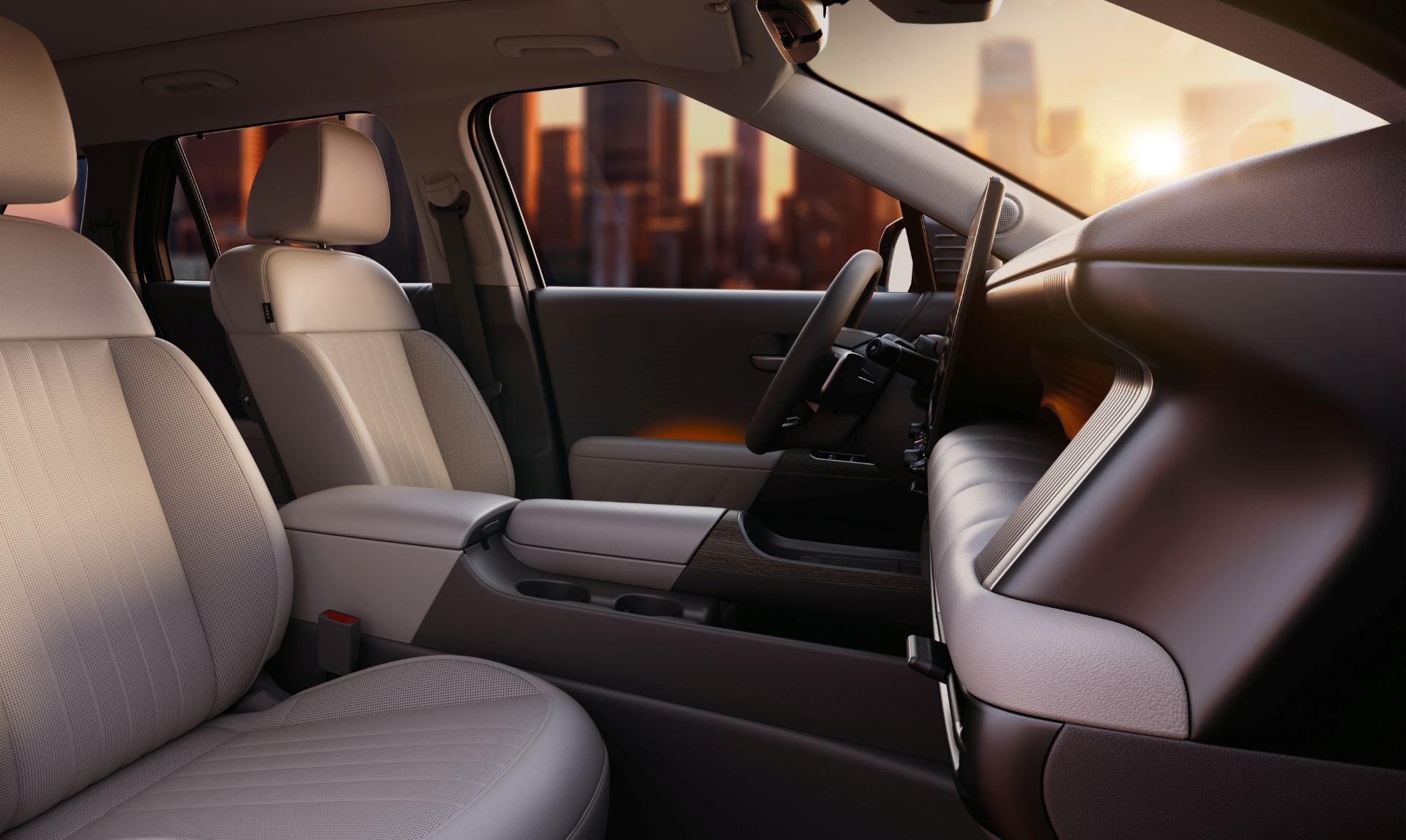
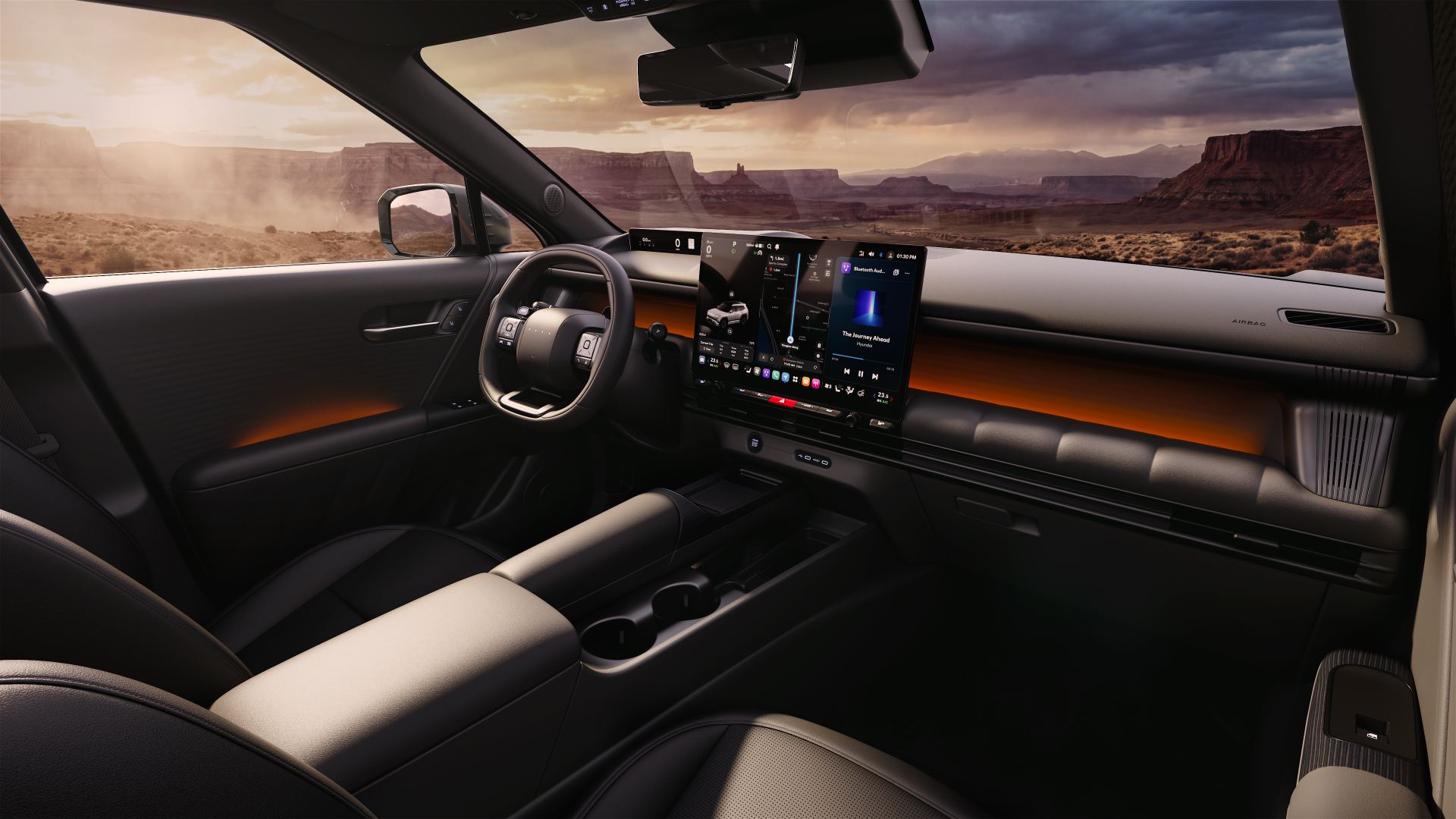
The cabin is where this generation changes most. A 17-inch or 12.9-inch central touchscreen is joined by a standard 9.9-inch Slim Information Display ahead of the driver, and the whole system now runs Pleos Connect on Android Automotive OS, with wireless Apple CarPlay, wireless Android Auto, over-the-air updates and native apps from Hyundai''s Pleos App Market. A new in-car assistant called Gleo AI handles navigation and vehicle functions through natural conversation rather than menu-diving. Crucially, Hyundai has kept physical controls for climate and audio alongside the screens. Other details include a Double D-Cut steering wheel, a shift-by-wire column lever, two 15-watt wireless charging pads, available three-zone climate control, an available Ergo Motion seat with a seven-cell pneumatic massage function, a Relaxation Comfort Seat that reclines 10 degrees, and an available 13.5-volt metal-coated heated windscreen that Hyundai says clears ice in 15 minutes and rejects 60 percent of solar heat. Seating is for five, with a 6:4 split-folding rear bench in North America and Korea.
XRT and XRT Pro: The Off-Road Tucson
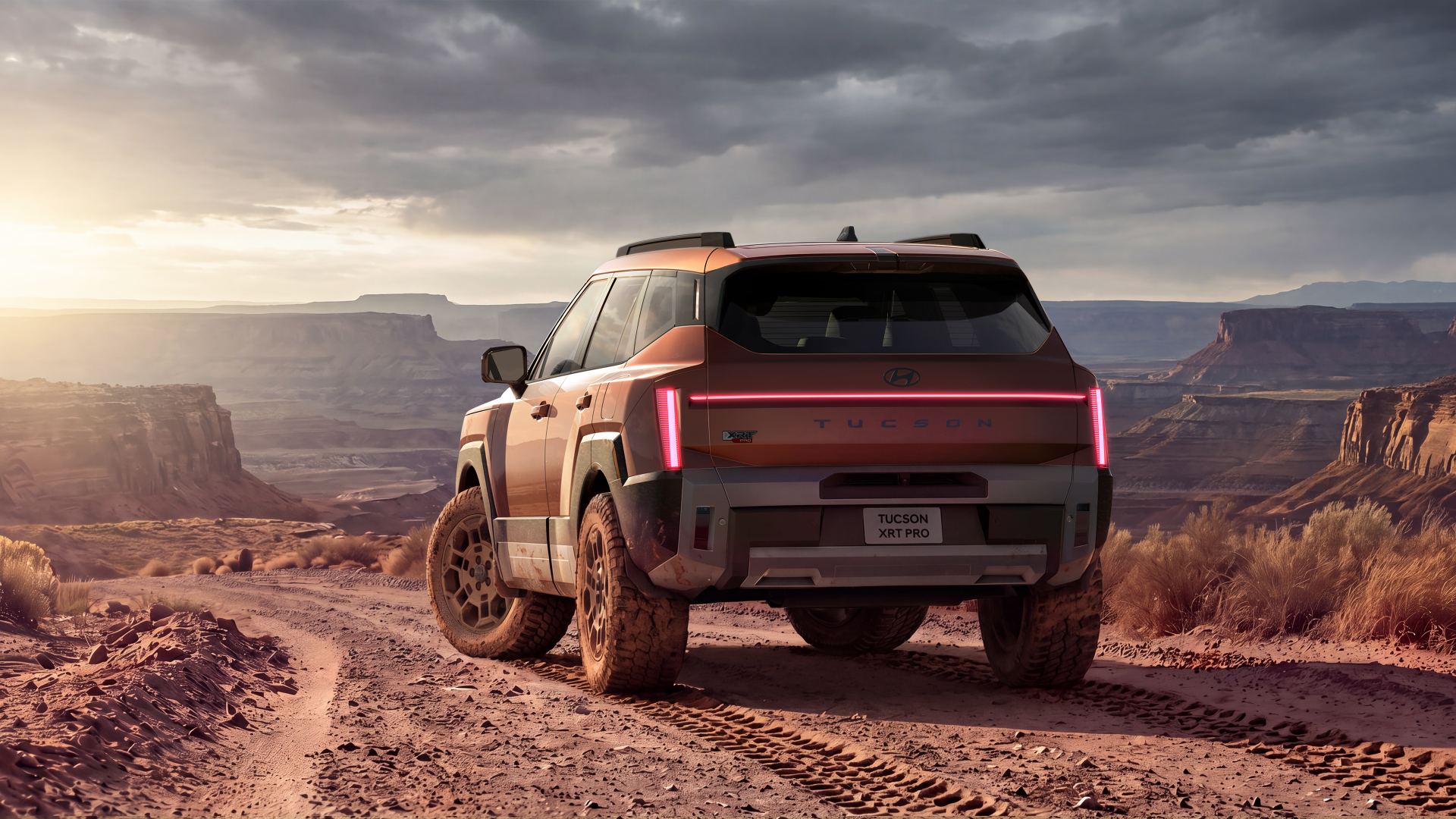
Two rugged trims widen the range. The XRT adds frontal cladding that extends across the fascia, extended black wheel-arch cladding, forged-carbon-inspired motifs and protective bumper and skid-plate detailing. The XRT Pro goes considerably further, with standard all-wheel drive, all-terrain tyres, front recovery hooks, sharper approach and departure angles and ground clearance lifted to 210 mm from the standard 180 mm. It also brings genuine off-road electronics rather than badges: Smart Terrain Assist continuously assesses terrain difficulty and shows the driver a visual stuck score, while Target Speed Control manages speed automatically between 2 and 25 km/h on rough ground. A Ground View Monitor adds a see-through view of the terrain under the nose. Elsewhere in the range, Memory Reversing Assist records up to 30 km/h of forward travel and then steers the car back out, and Trailer Reverse Assist provides semi-automatic alignment when hitching up.
What It Means for Buyers
The 2027 Tucson is aimed squarely at the two cars that define the segment. Against the Toyota RAV4 and Honda CR-V hybrids it arrives with more screen, a more ambitious software stack and a factory off-road trim neither offers. Against the Chevrolet Equinox and GMC Terrain the gap is starker still, because neither currently sells a hybrid in the US at all, so Hyundai walks into that comparison with a 42 mpg target unopposed. The risk is price. A compact SUV with a 17-inch display, Android Automotive and massaging seats is not going to undercut anything, and the outgoing car''s 29,450 dollar entry point was a real part of its appeal. The other open question is software: moving infotainment onto Android Automotive and a native app market is the right long-term call, but first-generation implementations of that stack have been patchy elsewhere in the industry, and Gleo AI is unproven. Buyers who want the cheapest competent compact SUV may find the outgoing model, heavily discounted through 2027, the smarter purchase.
- ✓233-hp hybrid targeting up to 42 mpg, class-leading on paper
- ✓Towing up to 3,000 lb on the AWD hybrid, 1,000 lb more than before
- ✓17-inch display with Android Automotive, OTA updates and native apps
- ✓Physical climate and audio controls retained alongside the screens
- ✓XRT Pro brings genuine off-road hardware and 210 mm of ground clearance
- ✕No pricing announced in any market yet
- ✕A longer, wider and better-equipped car is unlikely to hold current entry pricing
- ✕Still five seats only, with no three-row option in the range
- ✕Android Automotive and Gleo AI are unproven in a Hyundai at launch
- ✕North America and Europe wait until 2027 while Korea gets it first
Common Questions
When does the 2027 Hyundai Tucson go on sale?
Hyundai will launch the all-new Tucson in Korea later in 2026, with North America, Europe and other global markets following during 2027. An exact US on-sale date has not been confirmed, and Hyundai has not committed to a month. Expect firm timing and pricing to be published closer to launch.
How much does the 2027 Hyundai Tucson cost?
No official price exists yet for any market. For context, the outgoing 2026 Tucson starts at 29,450 dollars in the US, with the hybrid from 33,650 dollars and the plug-in hybrid from 38,615 dollars. The 2027 car is longer, wider and more heavily equipped, so an increase is likely, but any specific figure circulating now is an estimate rather than official.
What is the 2027 Tucson hybrid mpg?
Hyundai is targeting up to 42 mpg for the US hybrid in front-wheel-drive form on 17-inch wheels. That is a target rather than a final EPA rating, and larger wheels or all-wheel drive will reduce it. Official EPA figures will be published before the car reaches showrooms.
Is there a plug-in hybrid Tucson?
Yes. The plug-in hybrid pairs the 1.6-litre turbo engine with twin electric motors for 292 ps and a claimed 81 km, roughly 50 miles, of electric-only range. Availability varies by market, and Hyundai has not confirmed which regions will receive it at launch.
2027 Hyundai Tucson vs Toyota RAV4 — which is better?
On paper the Tucson counters the RAV4 with a bigger central display, Android Automotive infotainment and a factory off-road XRT Pro trim, plus a 42 mpg hybrid target that is competitive with Toyota''s. The RAV4 answers with a longer hybrid track record and stronger resale. Without confirmed Tucson pricing or a back-to-back drive, neither can be called the winner yet.
A Tucson Sport variant is due to appear on 12 October 2026 at the Paris Motor Show press day, which should fill in the European side of the range. Pricing, EPA fuel economy ratings and market-by-market trim structures are all still to come, and we will update this article as Hyundai confirms them.