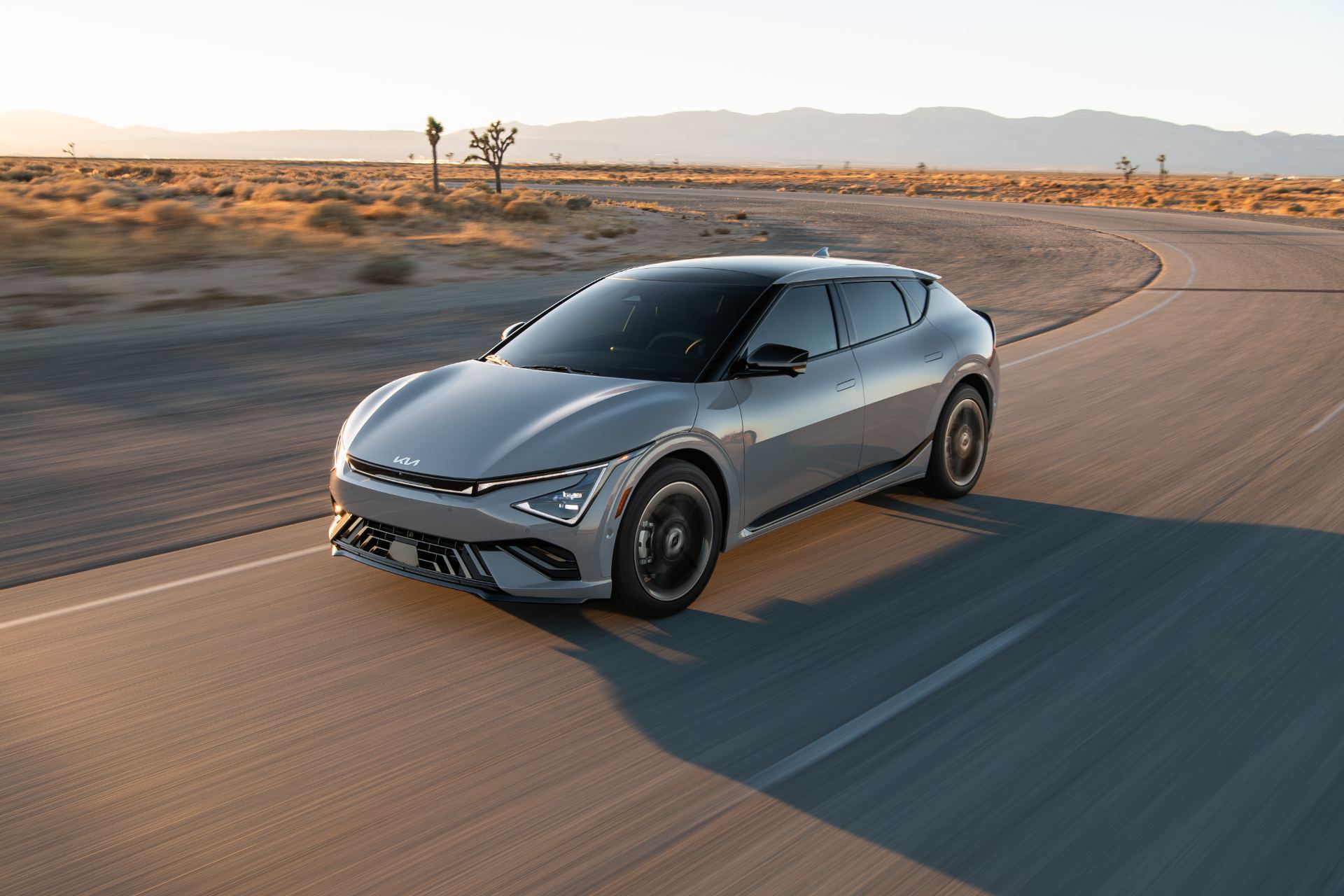
The 2027 Kia EV6 starts at $37,900 before a $1,545 destination charge, and Kia has held the price flat on all seven trims — the range runs from that $37,900 Light Standard Range up to $53,000 for the GT-Line AWD, every one of them unchanged from 2026. Kia America announced the pricing on 26 October 2026. In a year when the federal EV tax credit is gone and most of the industry has been repricing around its absence, standing still is the news.
Context and Background
To understand why a flat price is interesting, you need last year. The $7,500 federal clean vehicle credit ended on 30 September 2025, and the EV6 felt it immediately: sales fell sharply through 2026, with reports putting the drop at around 37% over the first four months of the year. Kia responded by cutting the 2026 car by roughly $5,000 to $5,900 depending on trim, and dropping the high-performance GT version from the US lineup altogether.
That cut is the one that matters, and the 2027 announcement is Kia declining to claw any of it back. The car is a straight carry-over — Kia describes it as "carried over from last year" — built, as before, at the company's West Point, Georgia plant. US assembly mattered a great deal while the credit existed; now it mostly matters for tariffs and supply, but it does mean the EV6 is not exposed to import duties in the way several of its rivals are.
How Much Does the 2027 Kia EV6 Cost?
Seven trims, all unchanged. The EV6 Light SR RWD opens at $37,900, the Light Long Range RWD is $41,200 and the Light Long Range AWD $45,200. Wind RWD costs $44,800 and Wind AWD $48,800, while the GT-Line runs $48,700 in rear-drive form and $53,000 with all-wheel drive. Destination and handling adds $1,545 to all of them, so the cheapest EV6 you can actually buy is $39,445 delivered and the dearest is $54,545 before options, tax and title.
One quirk is worth spotting in that ladder: the GT-Line RWD at $48,700 undercuts the Wind AWD at $48,800 by $100. If you want the GT-Line look and the 20-inch wheels more than you want all-wheel drive, the sportier-looking car is fractionally the cheaper one. Note too that Kia's pricing announcement contains no specifications at all — no battery sizes, no range figures, no power outputs — and directs readers to its own specification pages for those. The figures below come from Kia's published 2027 spec sheet rather than from the pricing release.
| Trim | Battery | Power | EPA range | MSRP |
|---|---|---|---|---|
| Light SR RWD | 63.0 kWh | 167 hp / 258 lb-ft | 237 miles | $37,900 |
| Light Long Range RWD | 84.0 kWh | 225 hp / 258 lb-ft | 319 miles | $41,200 |
| Light Long Range AWD | 84.0 kWh | 320 hp / 446 lb-ft | 295 miles | $45,200 |
| Wind RWD | 84.0 kWh | 225 hp / 258 lb-ft | 319 miles | $44,800 |
| Wind AWD | 84.0 kWh | 320 hp / 446 lb-ft | 295 miles | $48,800 |
| GT-Line RWD | 84.0 kWh | 225 hp / 258 lb-ft | 319 miles | $48,700 |
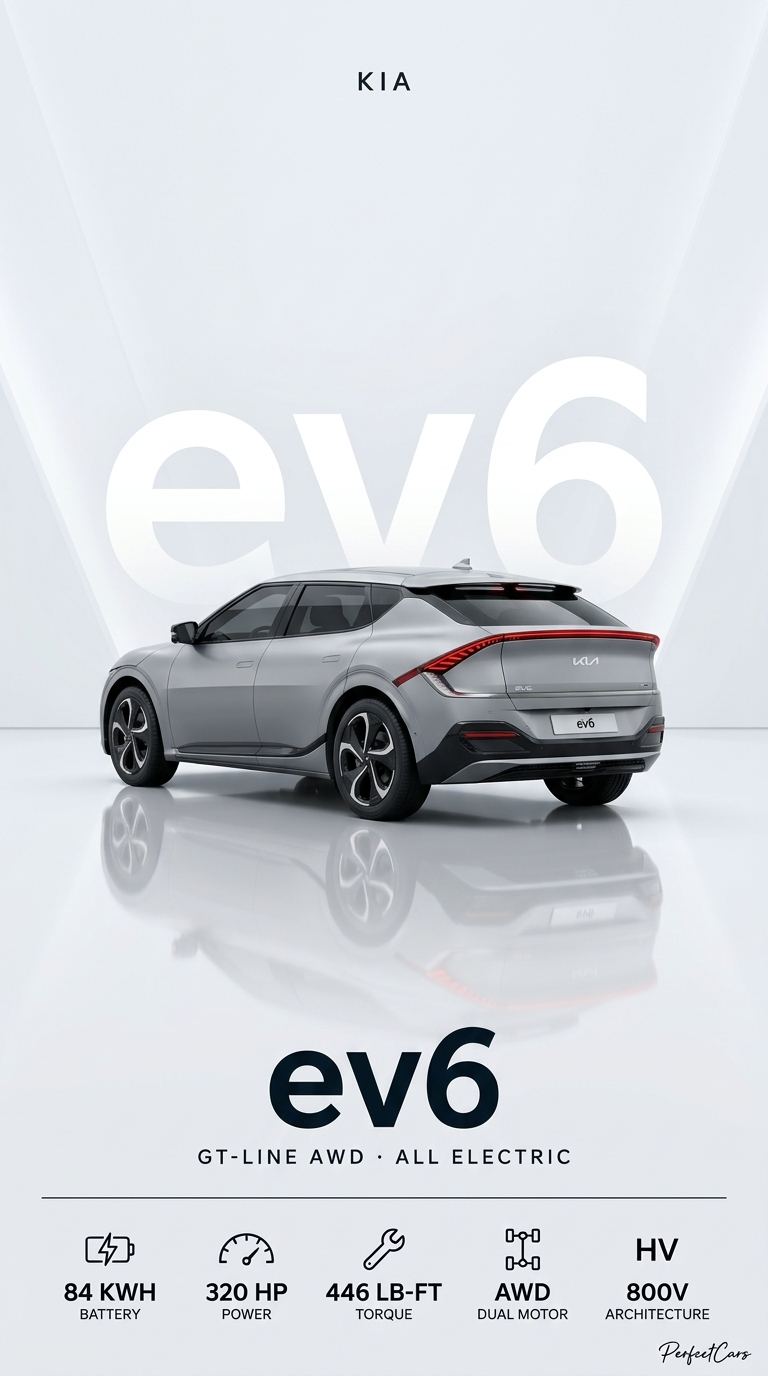
| GT-Line AWD | 84.0 kWh | 320 hp / 446 lb-ft | 270 miles | $53,000 |
All MSRPs exclude the $1,545 destination and handling charge, taxes, title, licence fees, options and retailer charges.
2027 Kia EV6 Range, Battery and Charging
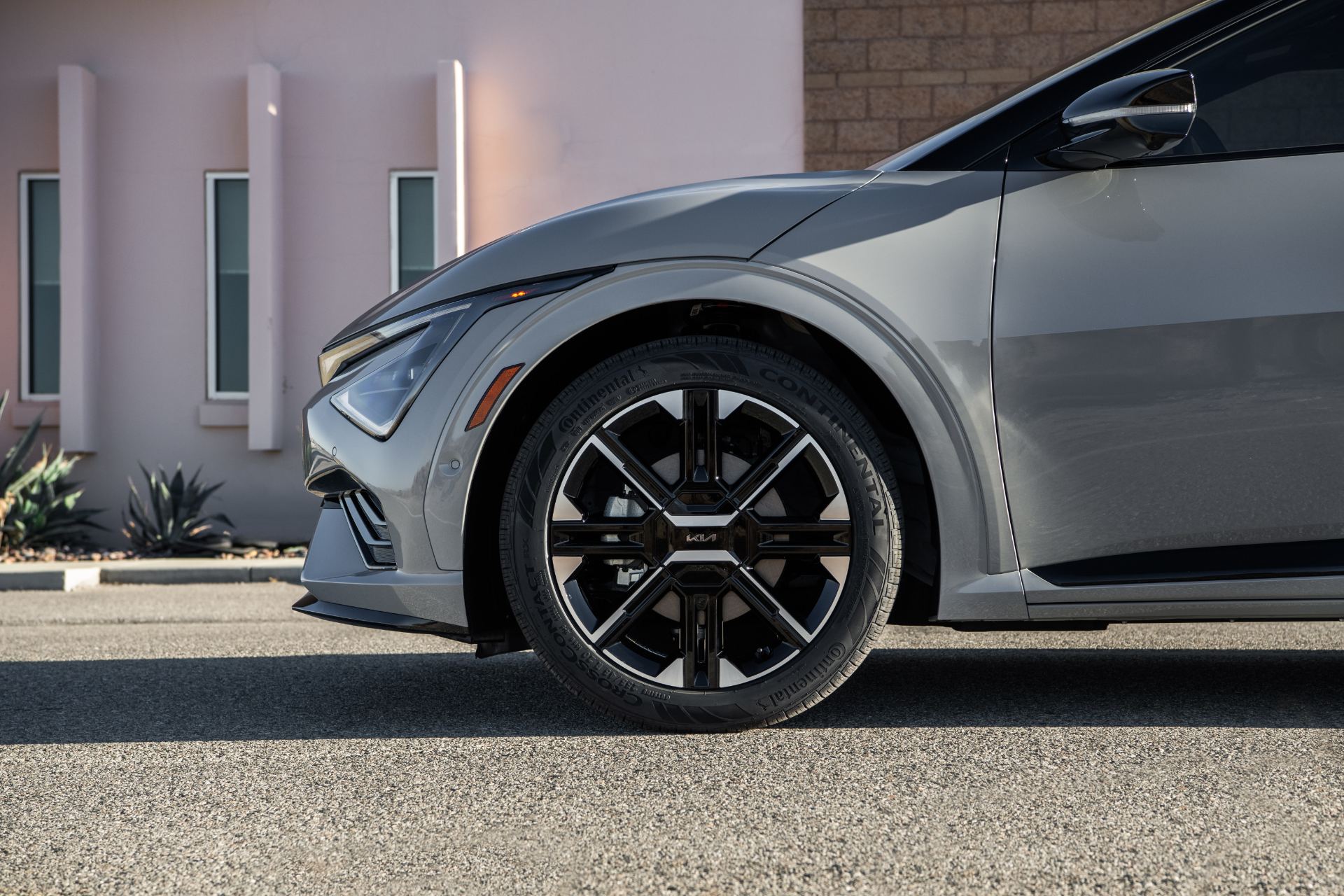
Two batteries are offered. The entry Light Standard Range uses a 63.0 kWh pack on a 523-volt system and is EPA-rated at 237 miles. Every other trim gets an 84.0 kWh pack on a 697-volt architecture, good for 319 miles in rear-drive form and 295 miles with all-wheel drive. One figure stands out: the GT-Line AWD drops to 270 miles, 25 miles short of the mechanically identical Wind AWD, because it alone rides on 20-inch wheels rather than 19s. That is the clearest illustration you will find of what wheel size costs an EV — and it is worth weighing if the GT-Line is on your list for looks.
A note on a figure circulating in coverage of this announcement: several outlets have reported the long-range pack as 81.4 kWh. Kia's own 2027 specification sheet lists it as 84.0 kWh, and that is the number used above. Charging is where the high-voltage architecture pays off — the 84 kWh cars accept up to 240 kW DC (the 63 kWh Light tops out at 180 kW), and Kia quotes 20 minutes on a 350 kW charger, rising to 24 minutes for the Light and 29 minutes for the long-range cars on a 150 kW unit. The onboard AC charger is rated at 10.9 kW, which means 5 hours 40 minutes for the small pack and 7 hours 20 minutes for the large one on a 240V/48A home supply. Efficiency runs from 115 MPGe combined on the Light RWD down to 97 MPGe on the GT-Line AWD.
Exterior
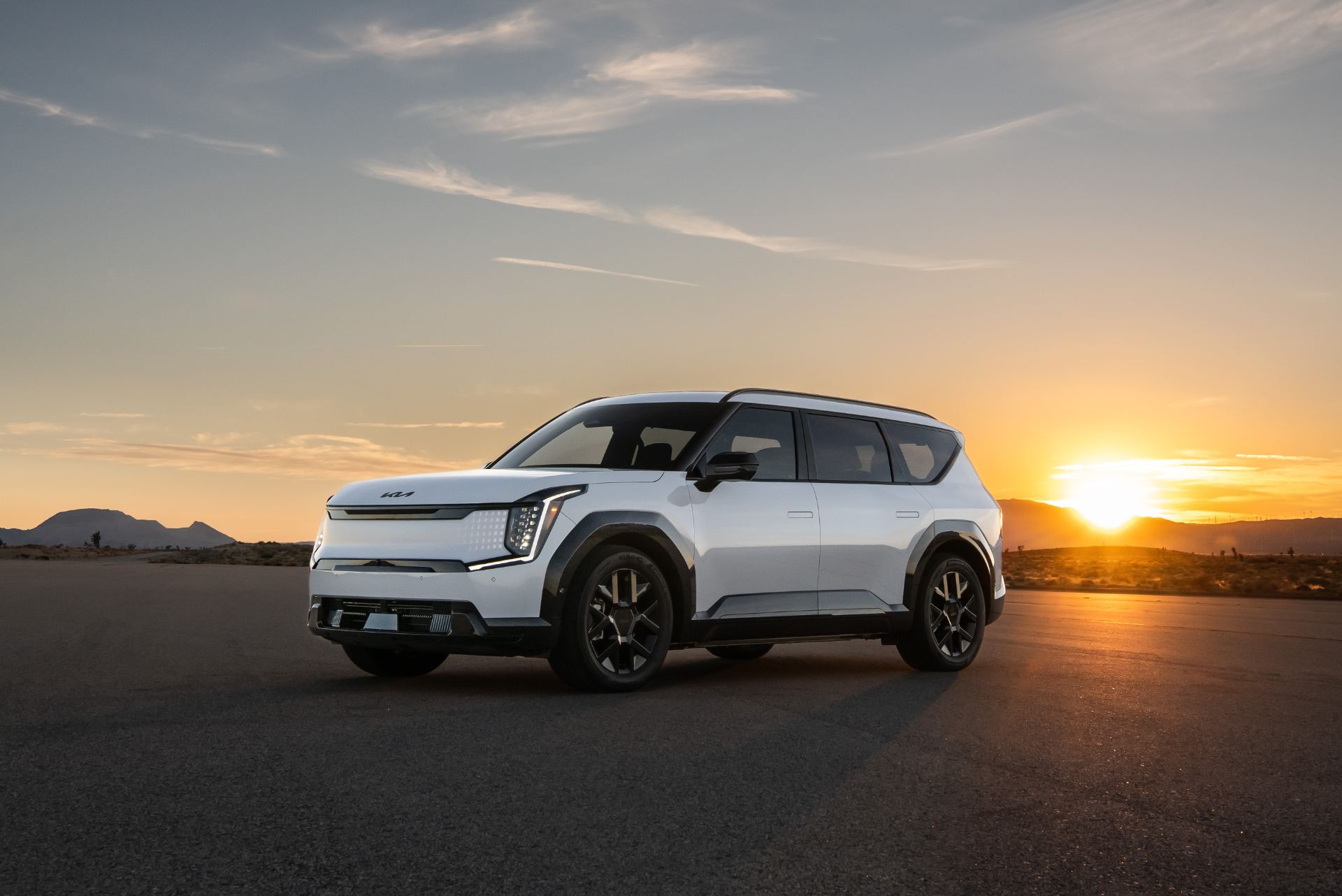
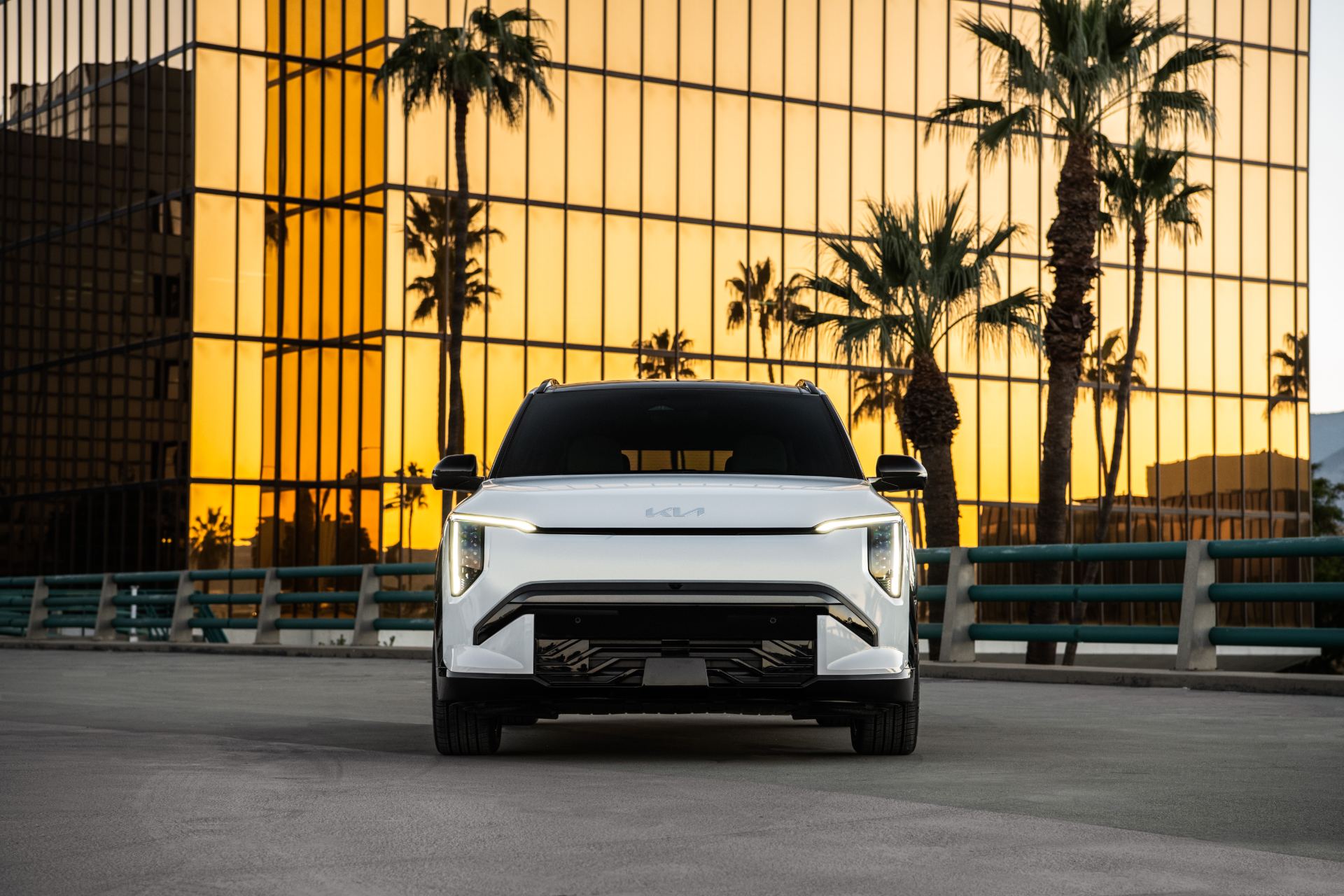
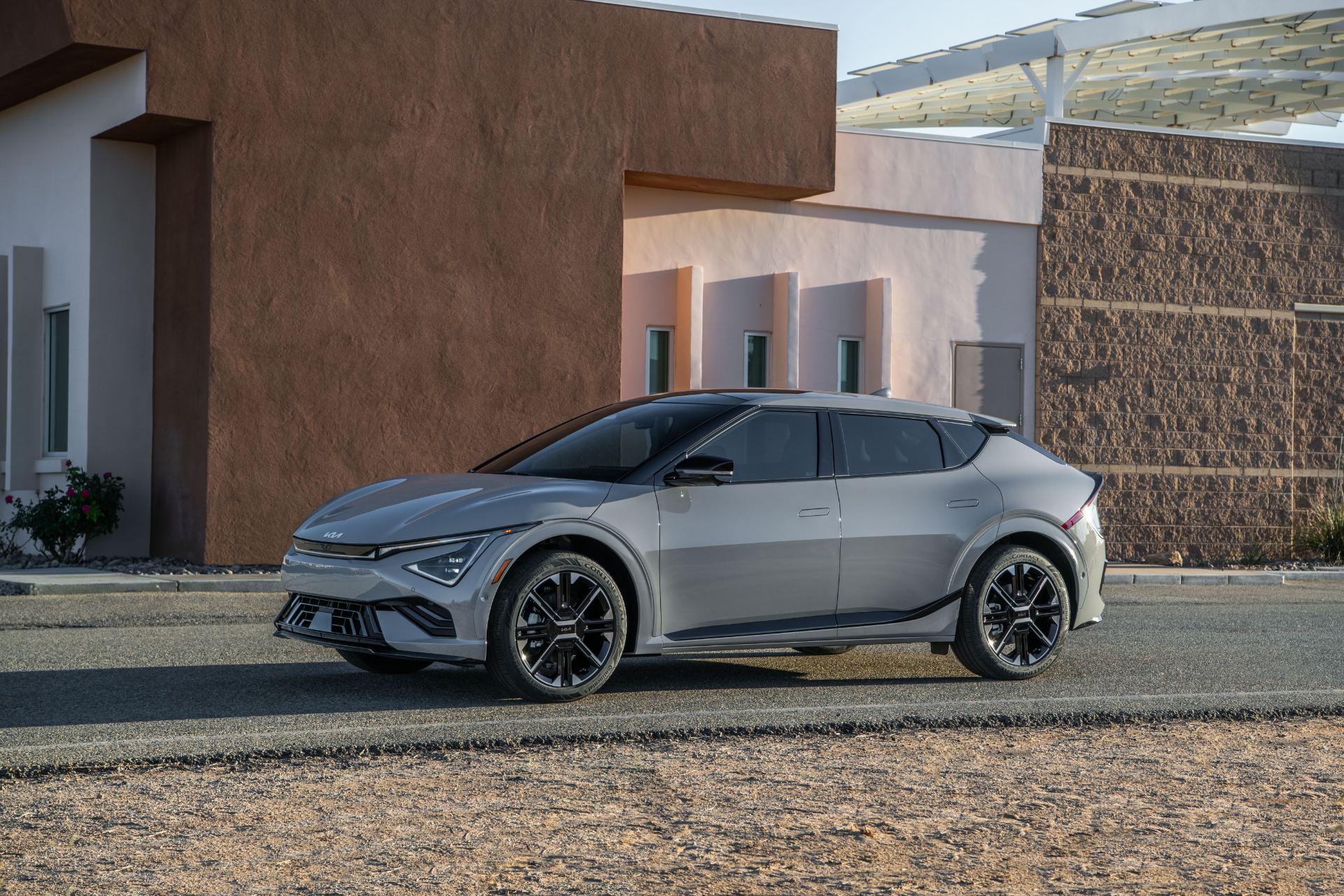
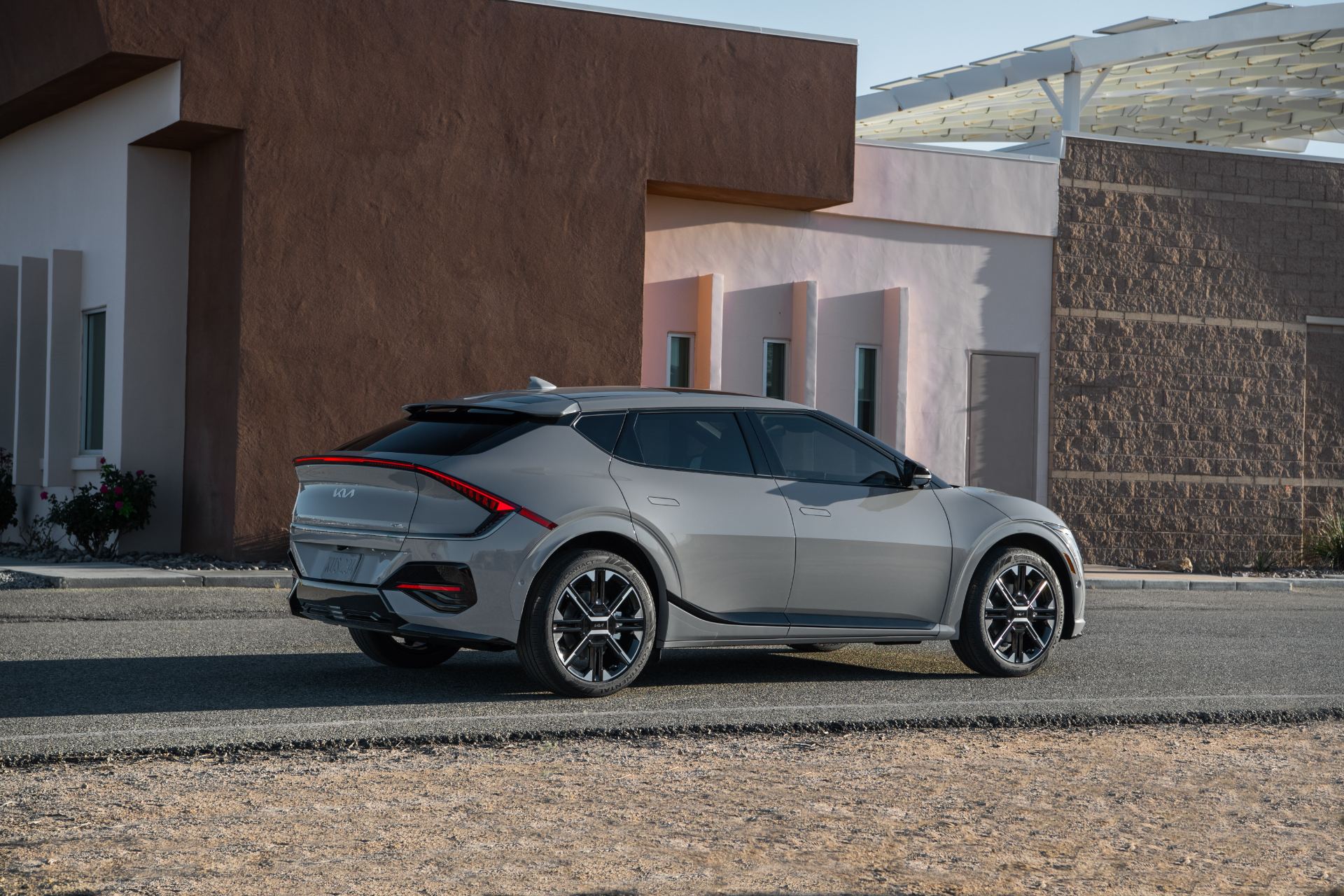
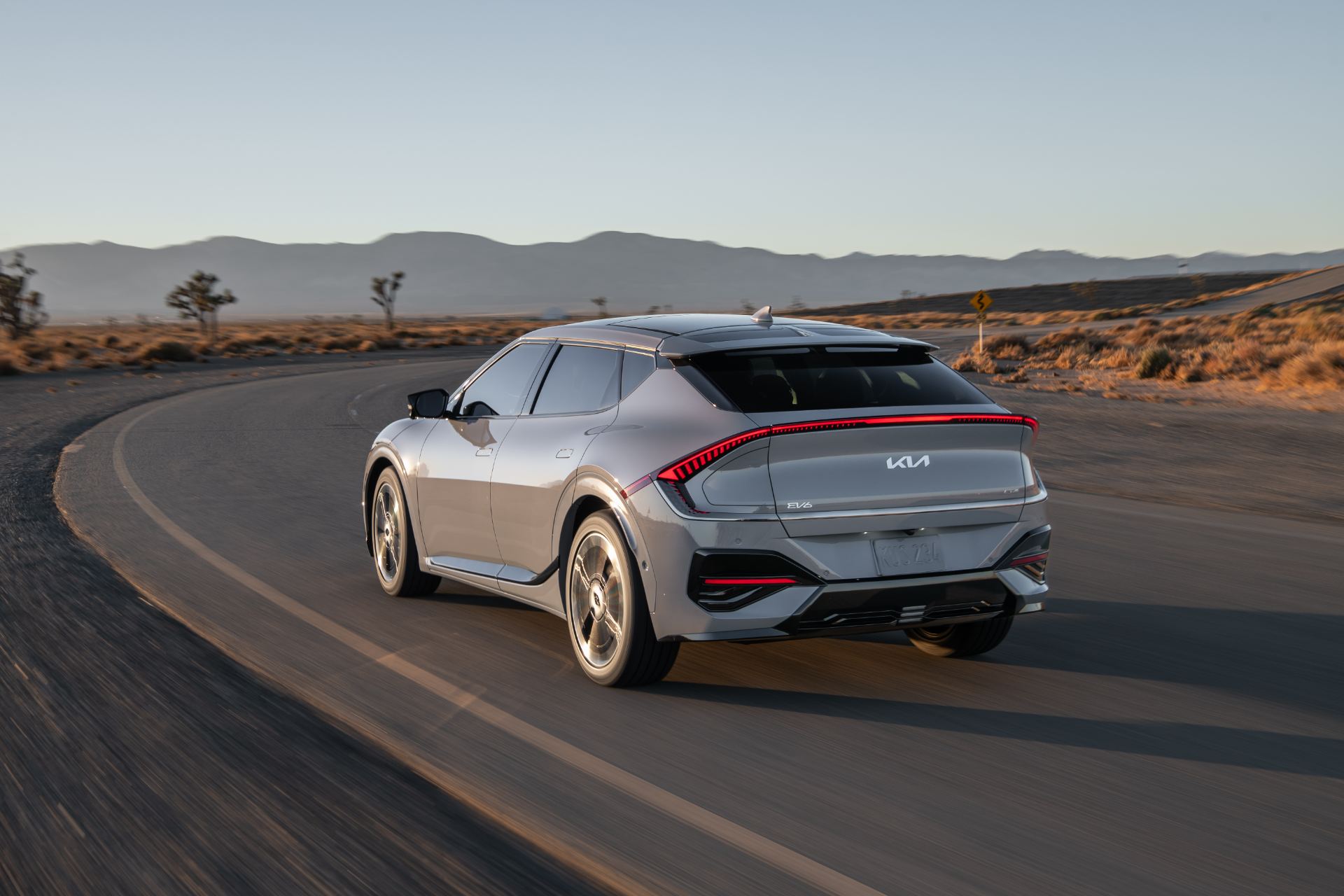
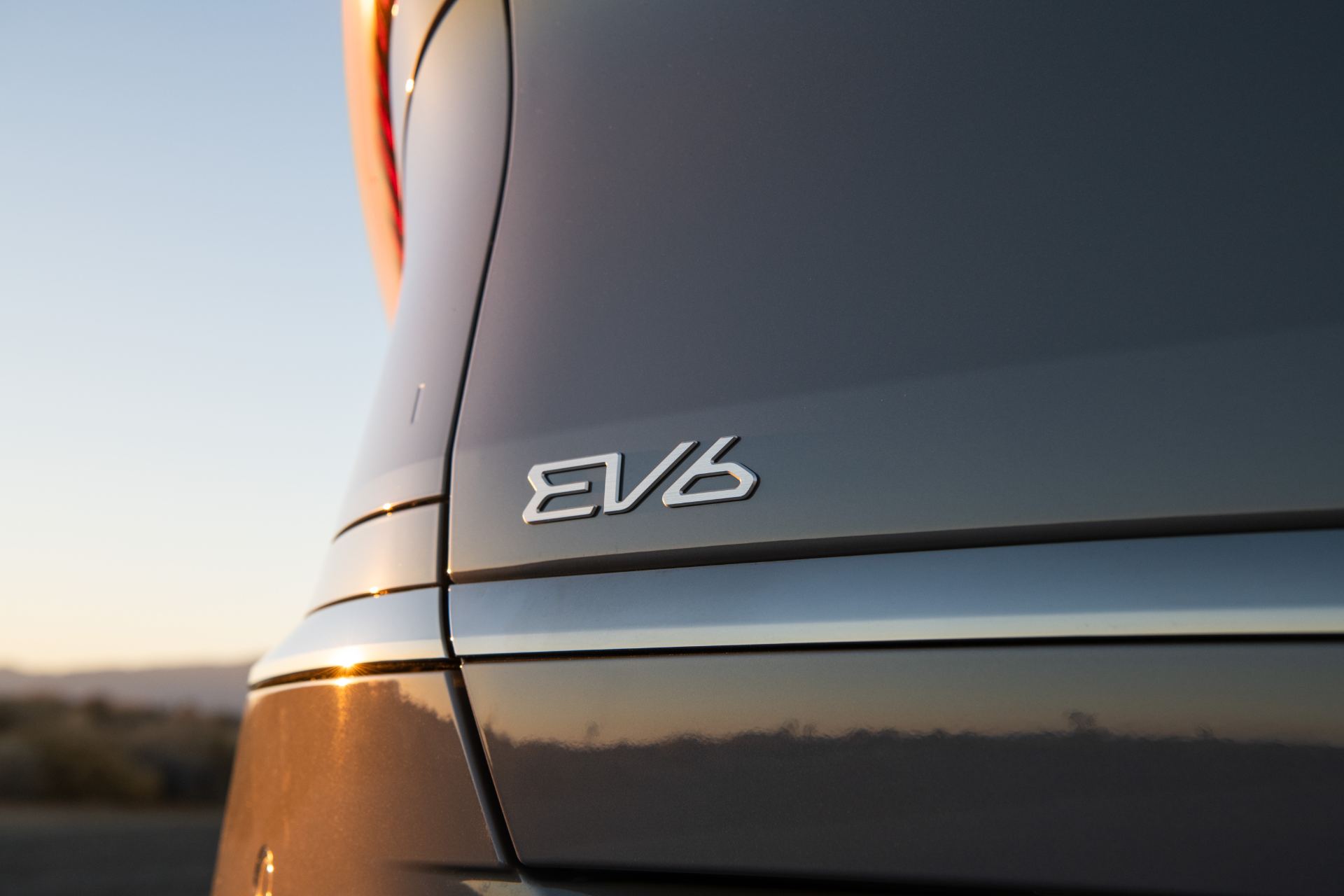
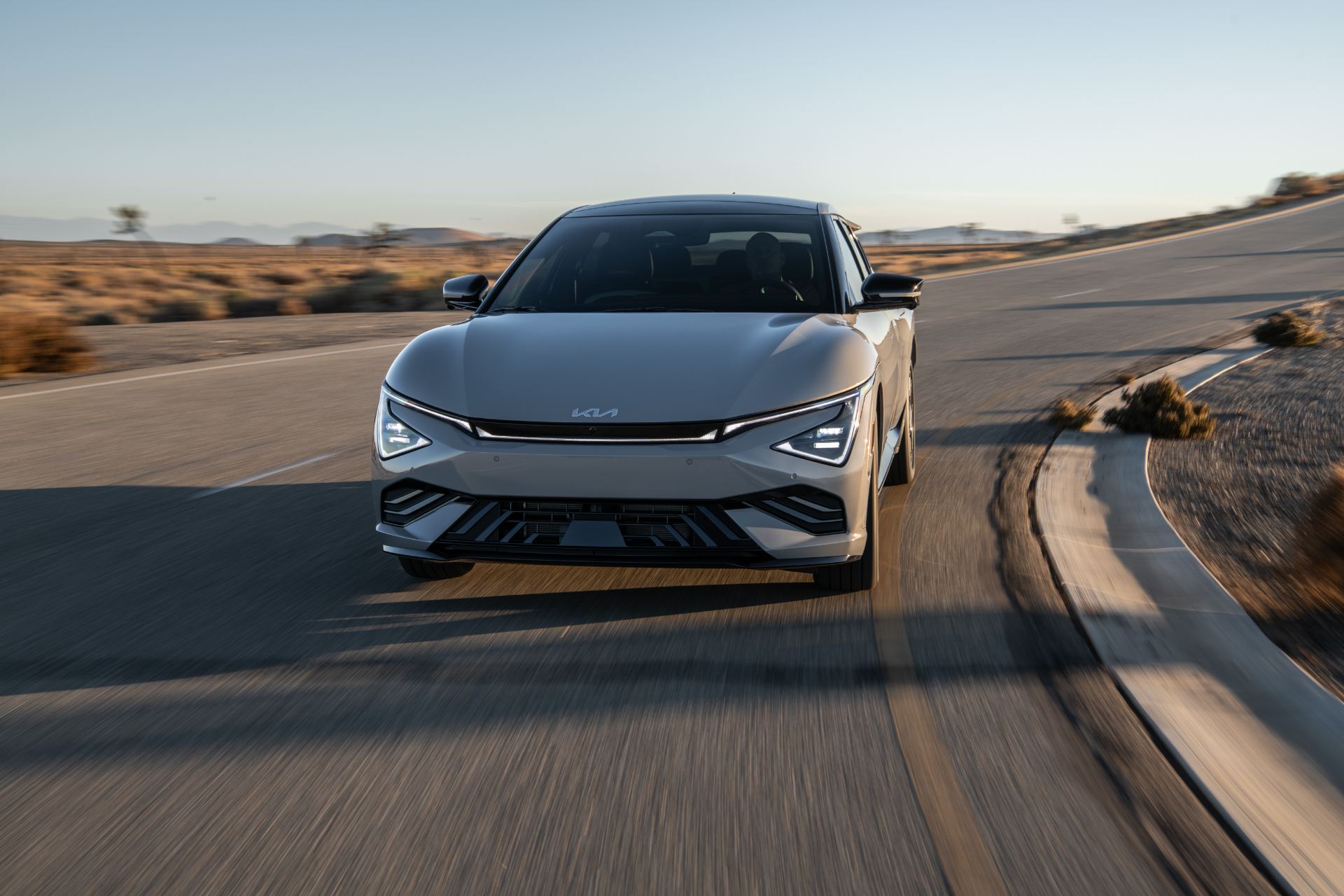
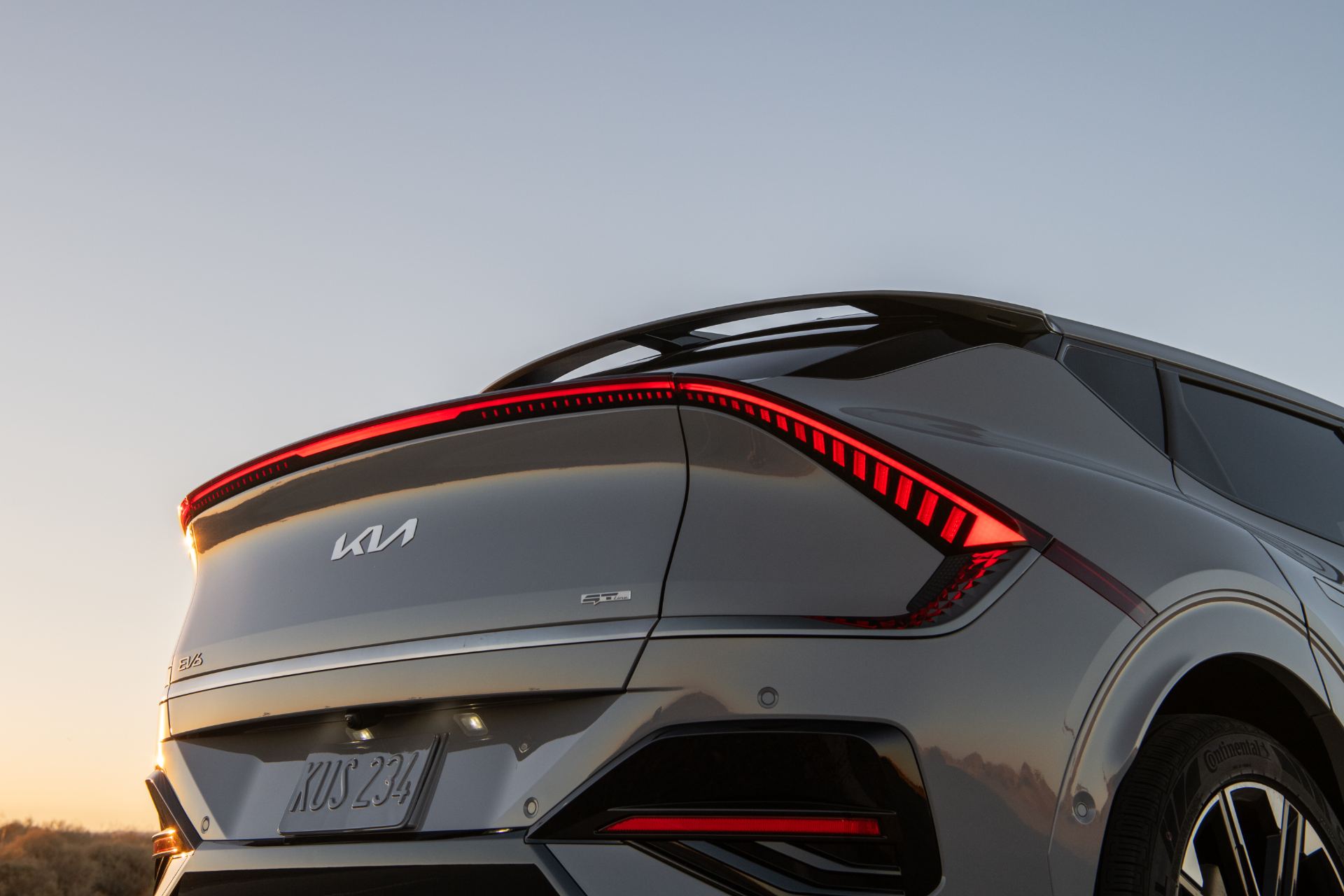
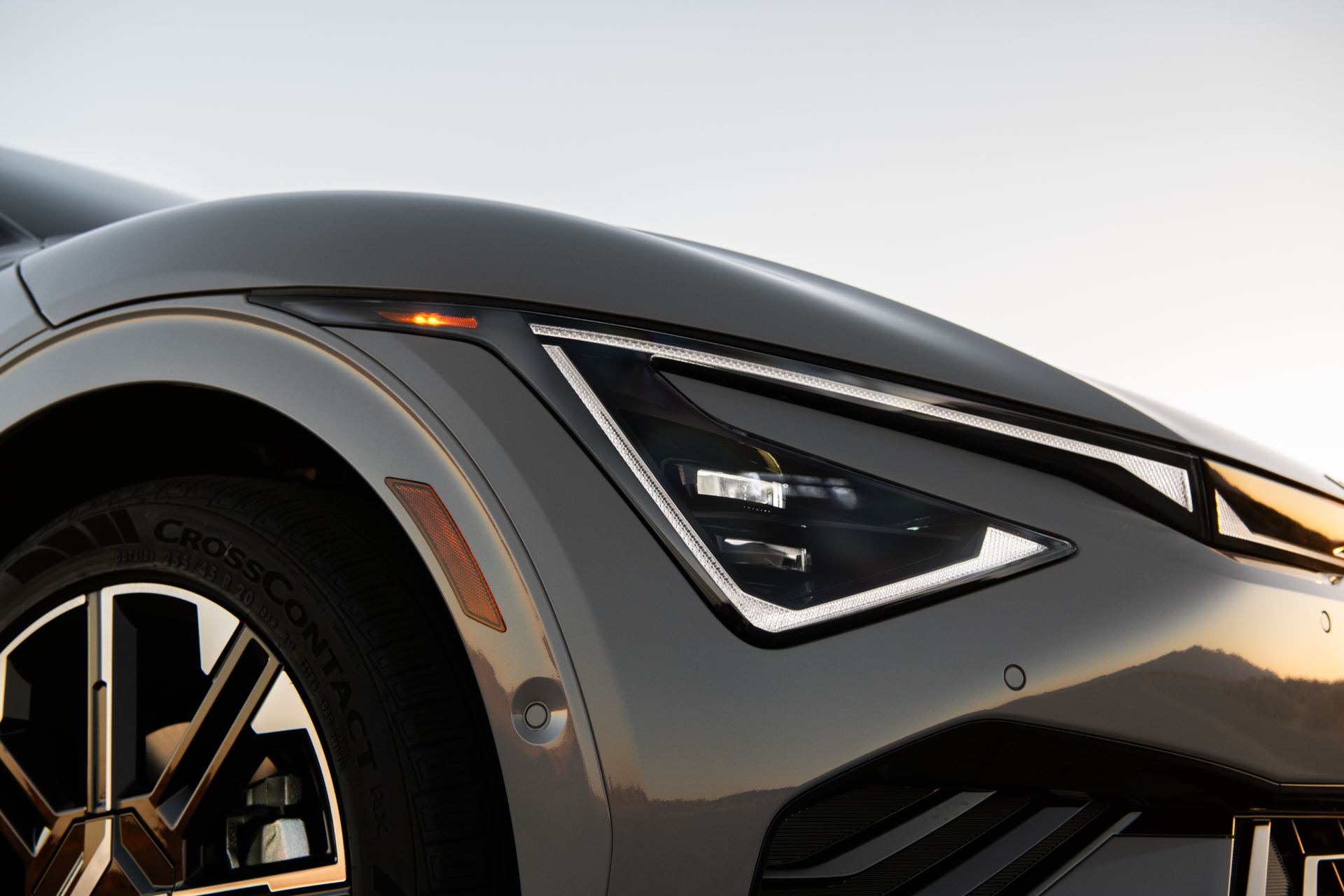
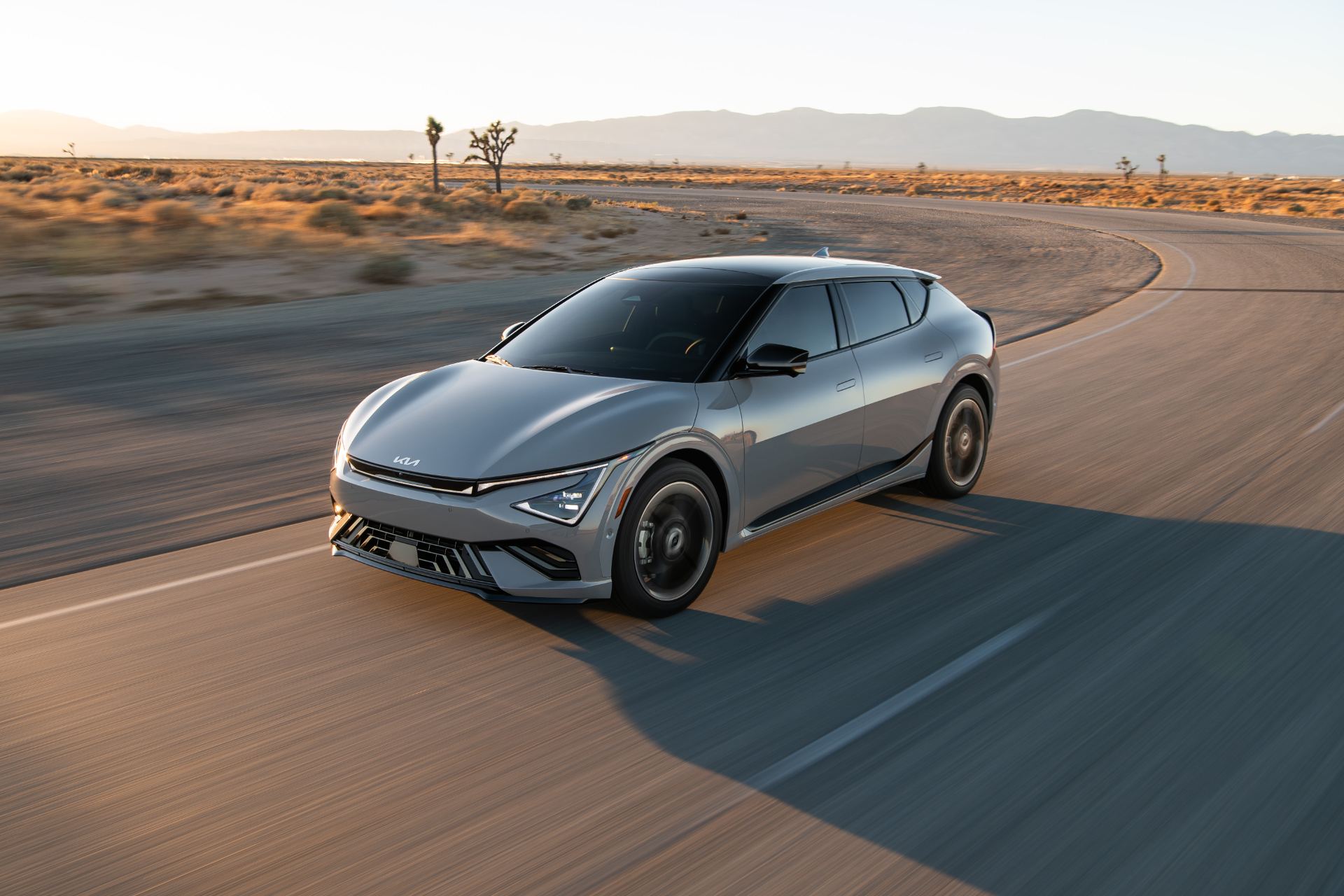
Unchanged, which after the 2026 facelift is no bad thing. The EV6 measures 184.8 inches long, 74.0 wide and 60.8 tall on a 114.2-inch wheelbase, with 6.1 inches of ground clearance and a notably tight 19.1-foot turning circle. The silhouette is still the low, fastback-tailed crossover that made the car stand out in 2021 rather than the upright two-box shape most rivals adopted. Light, Light Long Range and Wind trims run 19-inch alloys with 235/55R19 tyres; the GT-Line AWD is the only version on 20s, which is what costs it those 25 miles of range. Curb weight runs from 4,132 lb for the Light RWD to 4,630 lb for an AWD long-range car.
Interior and Seating
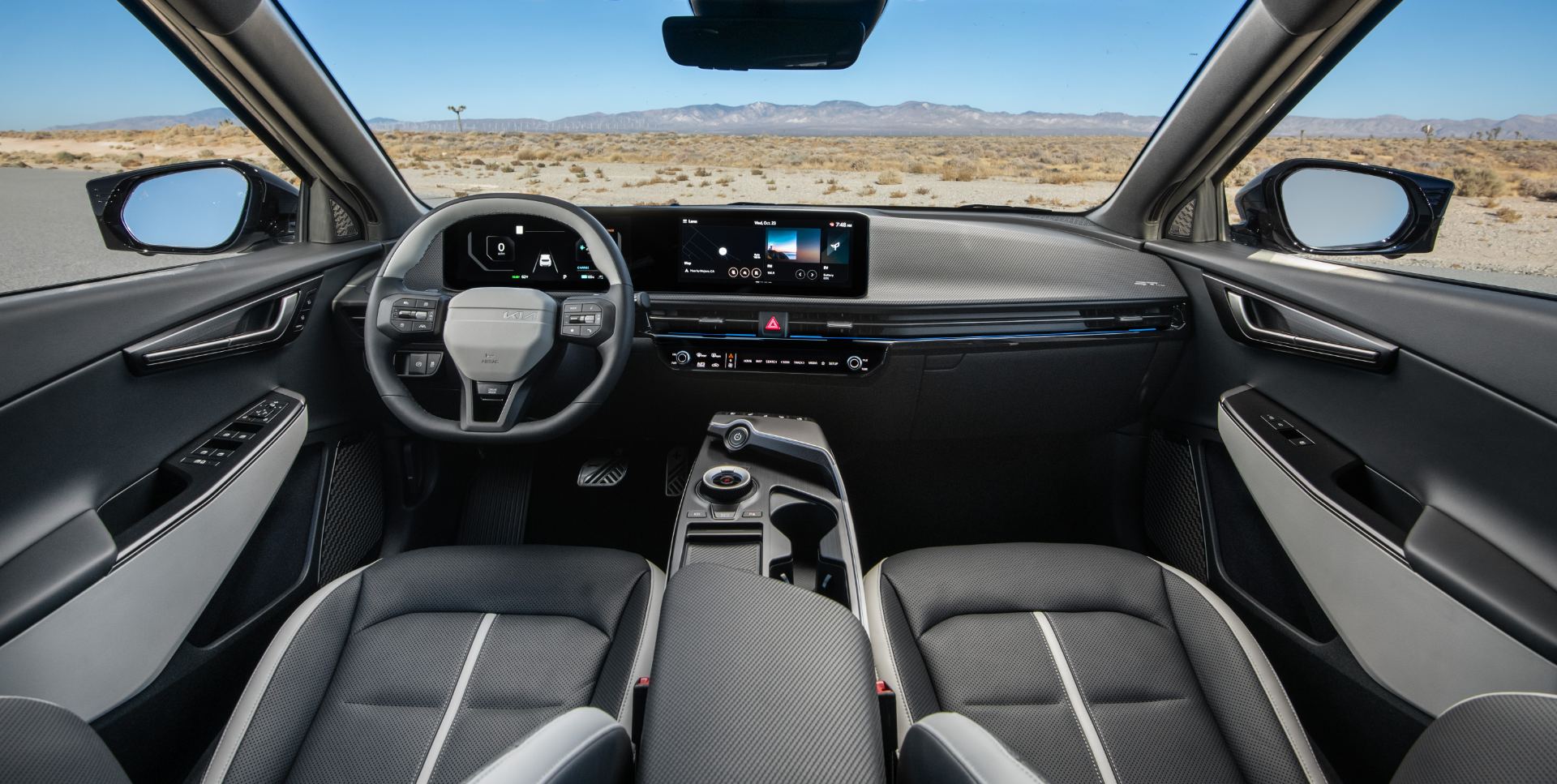
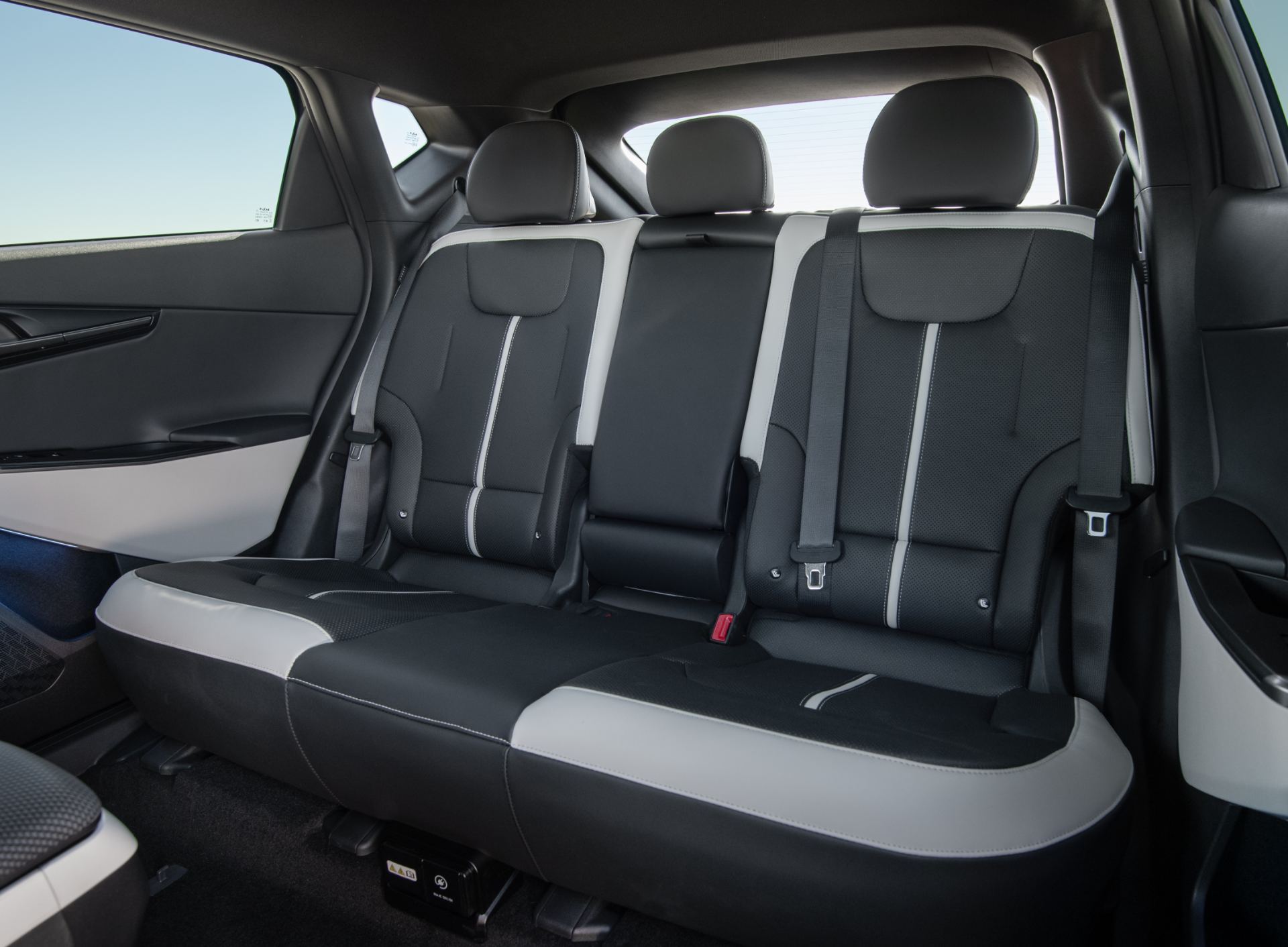
Five seats and 103.0 cubic feet of passenger volume, with 24.4 cubic feet of luggage space behind the rear seats and 46.7 with them folded. Rear legroom is 39.0 inches and front 42.4, which is competitive for a car of this footprint without being class-leading — the fastback roofline costs some rear headroom at 38.0 inches. The long-range trims are rated to tow 2,700 lb with a braked trailer, a capability the Light Standard Range does not get at all.
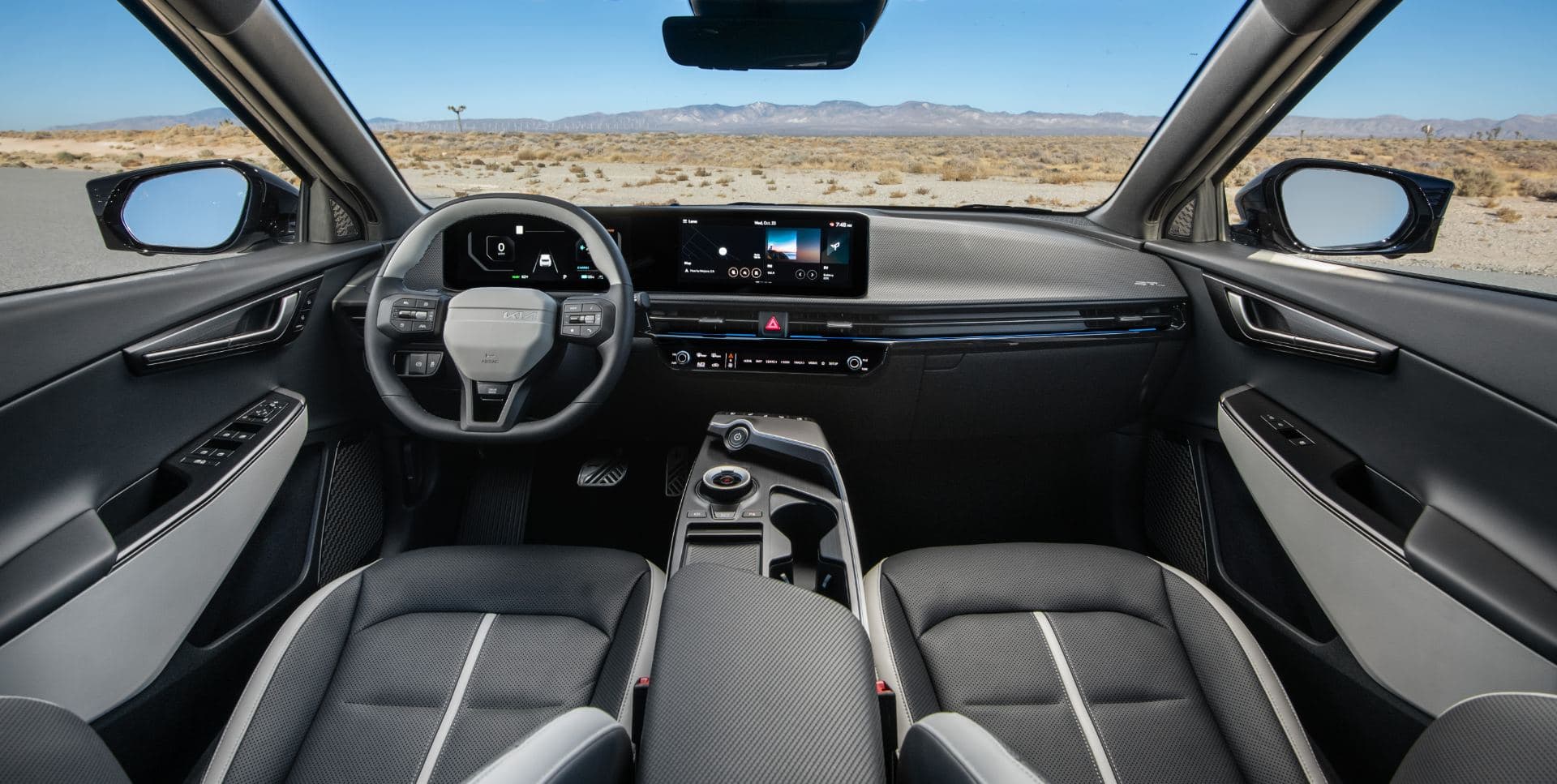
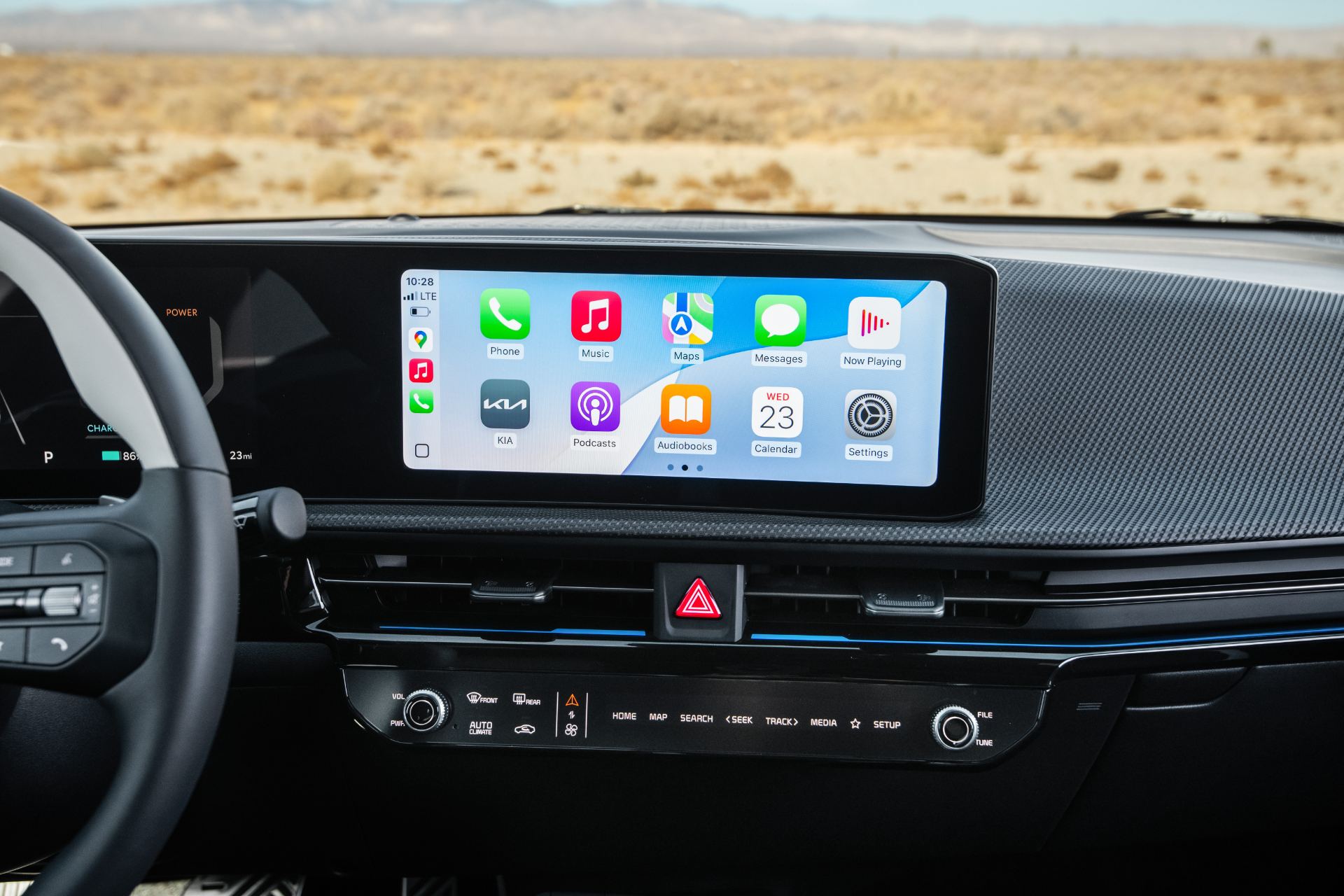
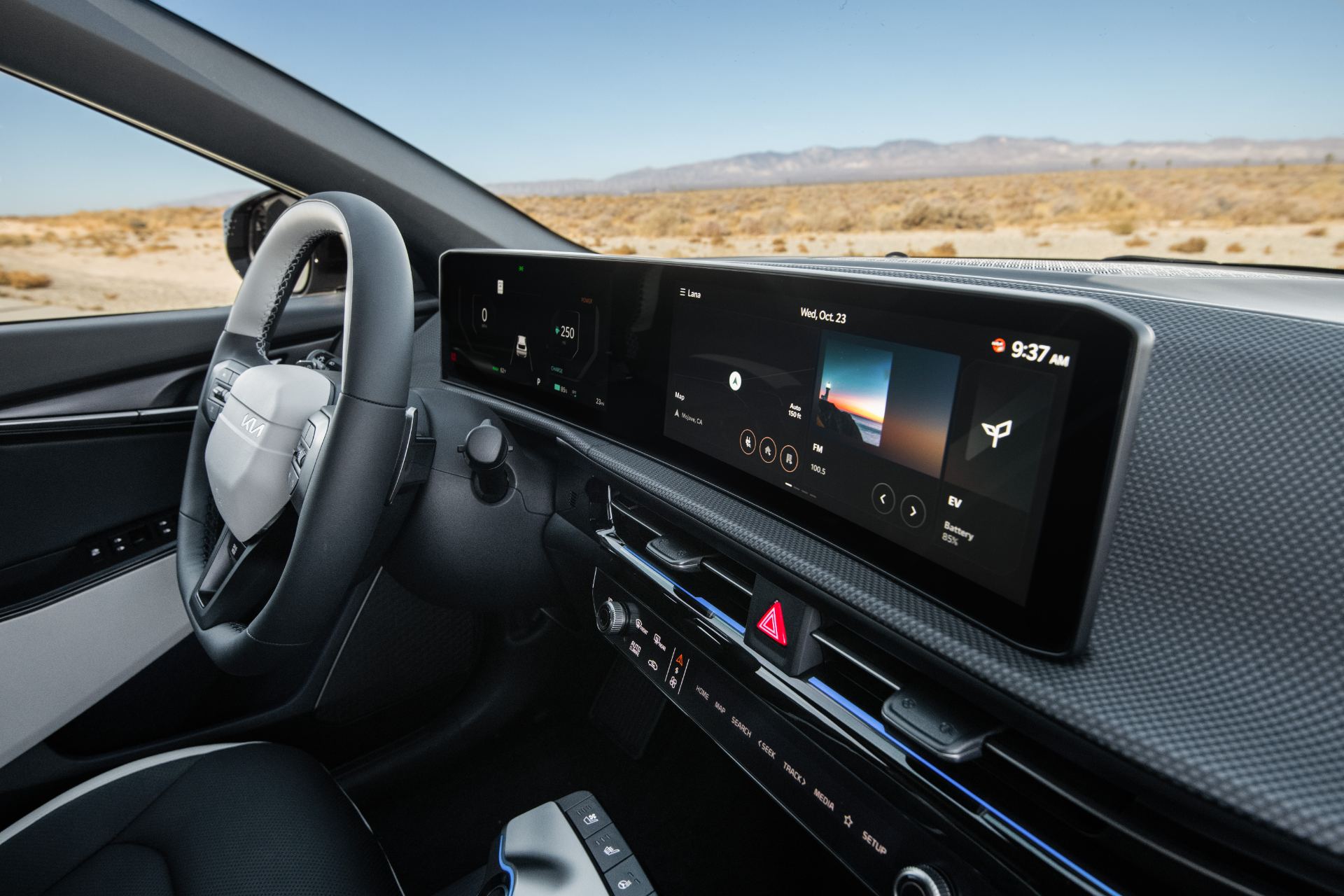
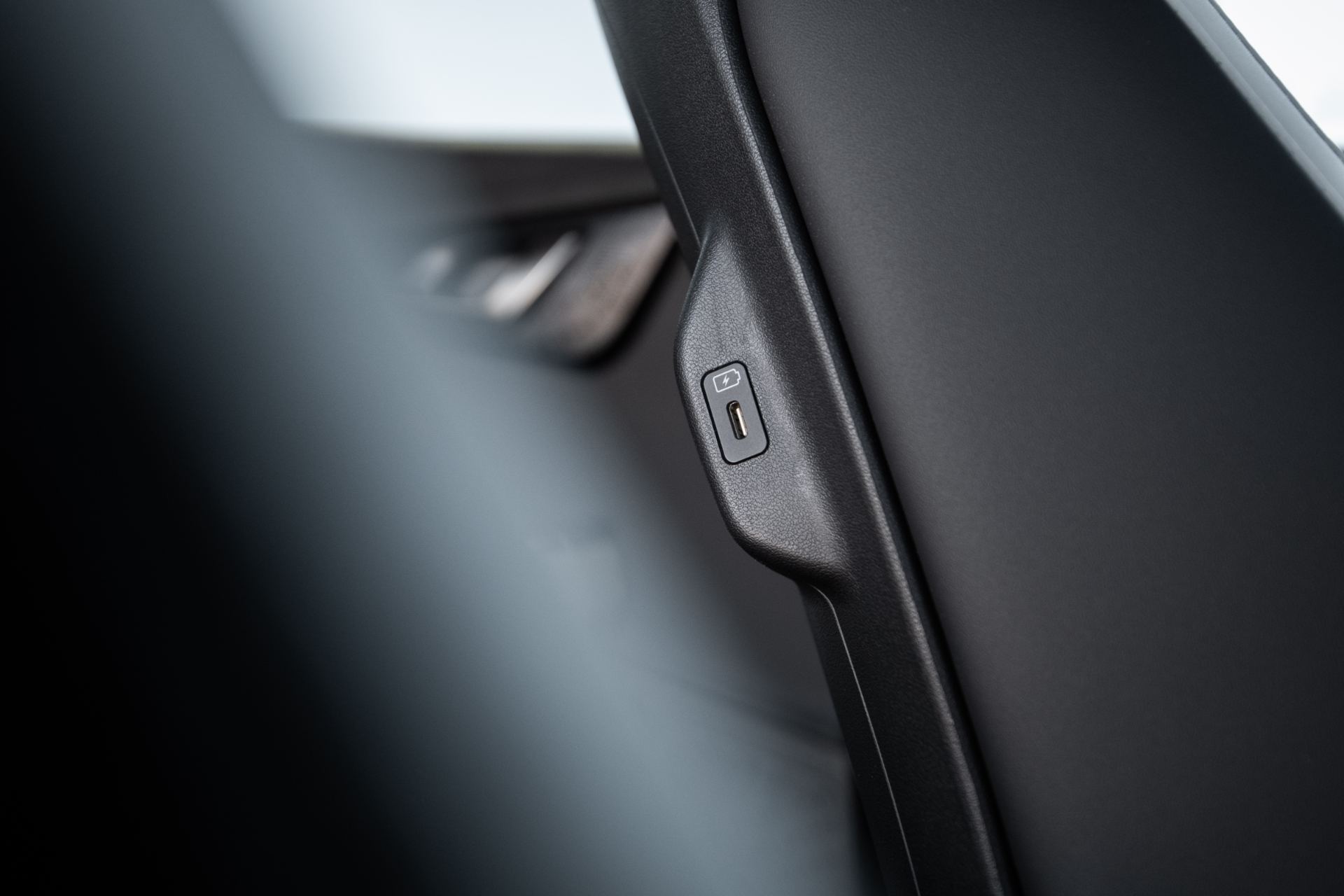
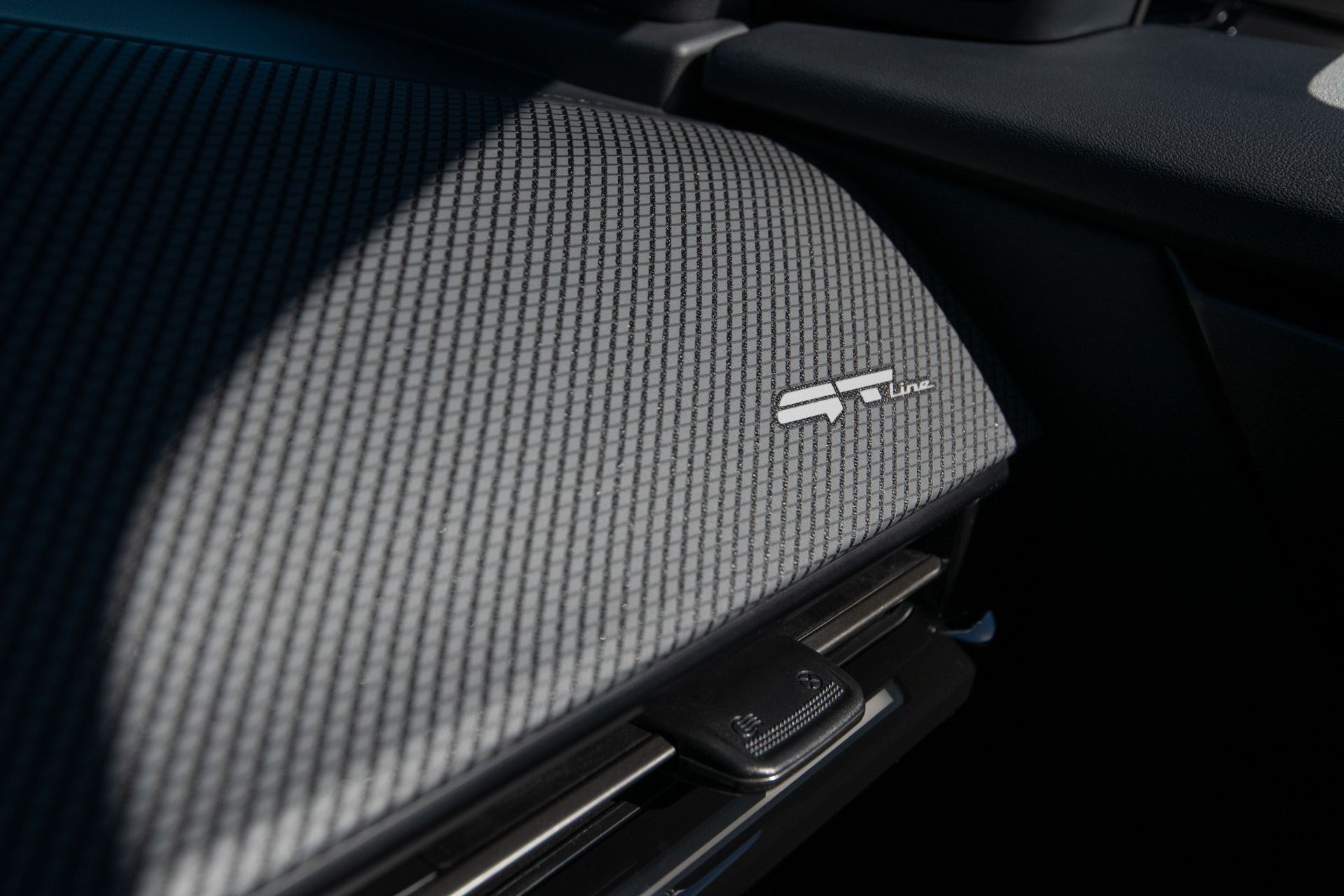
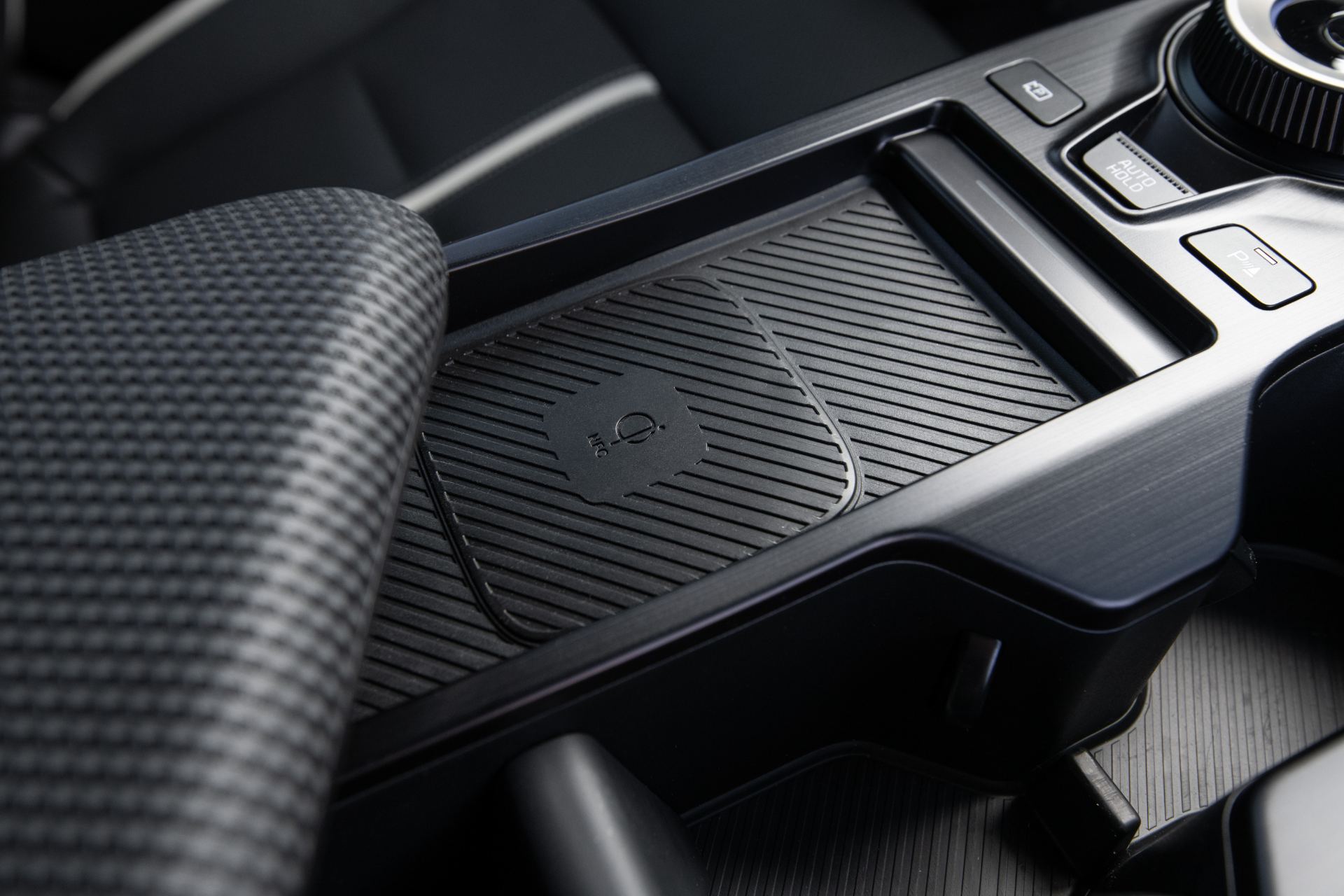
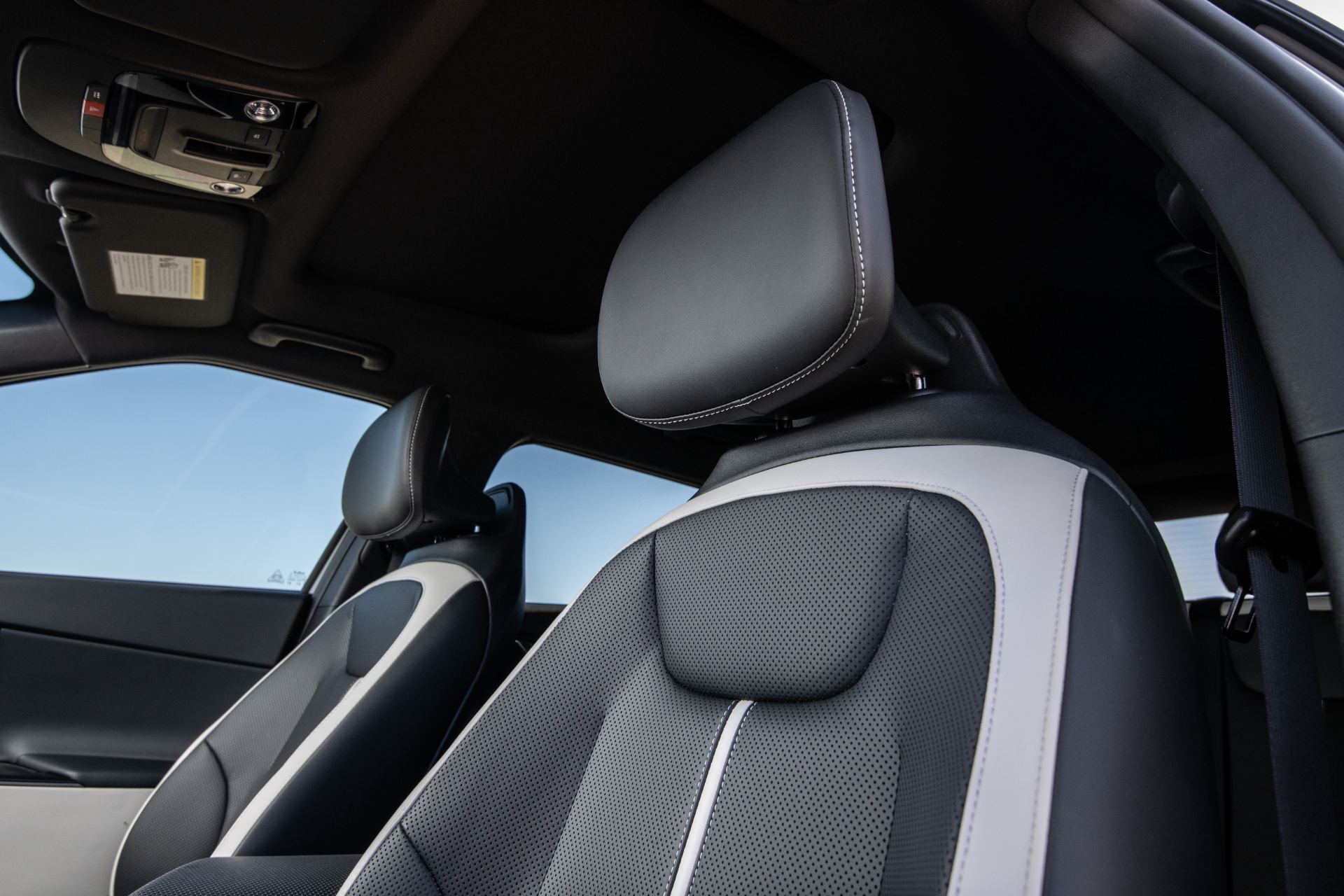
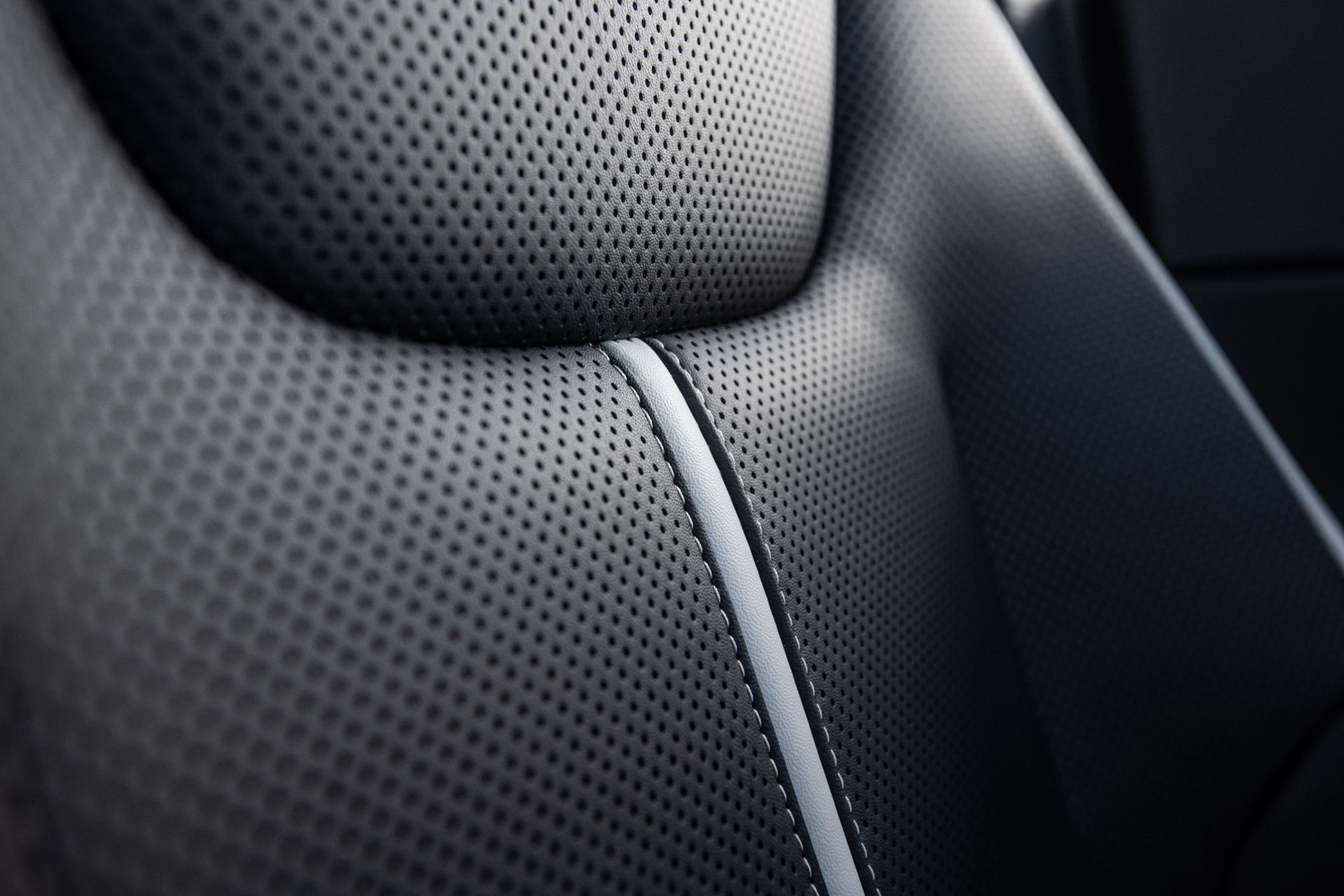
Equipment is more generous at the bottom of the range than the price suggests. Every EV6, the $37,900 Light included, gets a 12.3-inch panoramic curved display cluster, a 12.3-inch navigation display with Apple CarPlay, Android Auto, HD Radio and SiriusXM, three-level heated front seats and navigation-based Smart Cruise Control with stop and go. Moving up the range buys comfort rather than screens: Wind and GT-Line add ventilated front seats, a memory driver's seat and a second-row vehicle-to-load outlet under the seat, while the GT-Line alone gets a head-up display and a Meridian premium audio system. Seat material runs from a recycled-fabric and SynTex combination on the Light trims to SynTex on Wind and GT-Line, with SynTex Suede optional on the GT-Line. Heated outboard rear seats are an option on everything except the base Light.
What It Means for Buyers
The EV6 is now a considerably better value proposition than it was two years ago, and Kia has chosen not to undo that. At $39,445 delivered, the Light Standard Range is priced against compact petrol crossovers rather than against premium EVs, and the 319-mile long-range RWD cars sit in a part of the market where that range is genuinely competitive. Being built in Georgia is a quieter advantage than it was while the credit existed, but it still insulates the car from the import tariffs that have pushed several rivals upward.
The counter-argument is inside Kia's own showroom. The EV3 starts at $29,890, around $8,000 less, and for a lot of buyers that car will do the same job. The EV6 justifies the gap on range, on charging speed and on the 697-volt architecture that delivers it — but a buyer who mostly charges at home and rarely road-trips is paying for capability they will not use. The other caution is that a carry-over model year means no new equipment, so anything you disliked about the 2026 car is still here, and a 2026 example sitting on a lot is mechanically the same vehicle at whatever discount the dealer is offering.
- ✓Pricing unchanged on all seven trims, preserving last year's $5,000-plus cut
- ✓319 miles of EPA range on long-range rear-drive trims
- ✓697-volt architecture allows up to 240 kW DC charging, 20 minutes on a 350 kW unit
- ✓Built in West Point, Georgia, so not exposed to import tariffs
- ✓2,700 lb braked towing capacity on long-range trims
- ✕Kia's own EV3 starts around $8,000 less at $29,890
- ✕GT-Line AWD gives up 25 miles of range to its 20-inch wheels
- ✕A carry-over year brings no new equipment or features
- ✕Entry Light Standard Range manages 237 miles and cannot tow
- ✕The high-performance GT trim remains absent from the US lineup
Common Questions
How much does the 2027 Kia EV6 cost?
The 2027 Kia EV6 starts at $37,900 for the Light Standard Range RWD and tops out at $53,000 for the GT-Line AWD, with destination and handling adding $1,545 to every trim. All seven trims carry the same MSRP as the 2026 model year. The cheapest delivered price is therefore $39,445 before tax, title and options.
What is the 2027 Kia EV6 range?
EPA-rated range is 237 miles for the 63.0 kWh Light Standard Range, 319 miles for the 84.0 kWh rear-drive trims and 295 miles for all-wheel-drive versions. The GT-Line AWD is the exception at 270 miles, because it is the only trim fitted with 20-inch wheels rather than 19s.
How fast does the 2027 Kia EV6 charge?
The 84.0 kWh trims accept up to 240 kW of DC fast charging and the 63.0 kWh Light up to 180 kW. Kia quotes 20 minutes on a 350 kW charger, 24 minutes for the Light and 29 minutes for long-range cars on a 150 kW charger, and 5 hours 40 minutes or 7 hours 20 minutes respectively on an 11 kW home AC supply.
Is the 2027 Kia EV6 eligible for the federal tax credit?
No. The $7,500 federal clean vehicle credit ended on 30 September 2025, so no new EV qualifies for it, the EV6 included. That expiry is the backdrop to this announcement: Kia cut EV6 prices by around $5,000 for 2026 in response to the demand drop that followed, and has now held those reduced prices for 2027.
Kia EV6 vs EV3 — which should you buy?
The EV3 starts at $29,890 against the EV6's $37,900, a gap of about $8,000. The EV6 buys you more range on its long-range trims, substantially faster DC charging from its 697-volt architecture, more power in all-wheel-drive form and a towing rating. If you charge at home and drive mostly locally, the EV3 covers the same ground for less; if you take long trips, the EV6's charging speed is the stronger argument.
The 2027 EV6 is a carry-over in every respect except the calendar, which makes the pricing the whole story — and a flat line, in a year when the federal incentive has gone, counts as good news for buyers. Kia has not announced on-sale timing in the pricing release; the cars are built in Georgia and reach dealers through the usual model-year changeover.