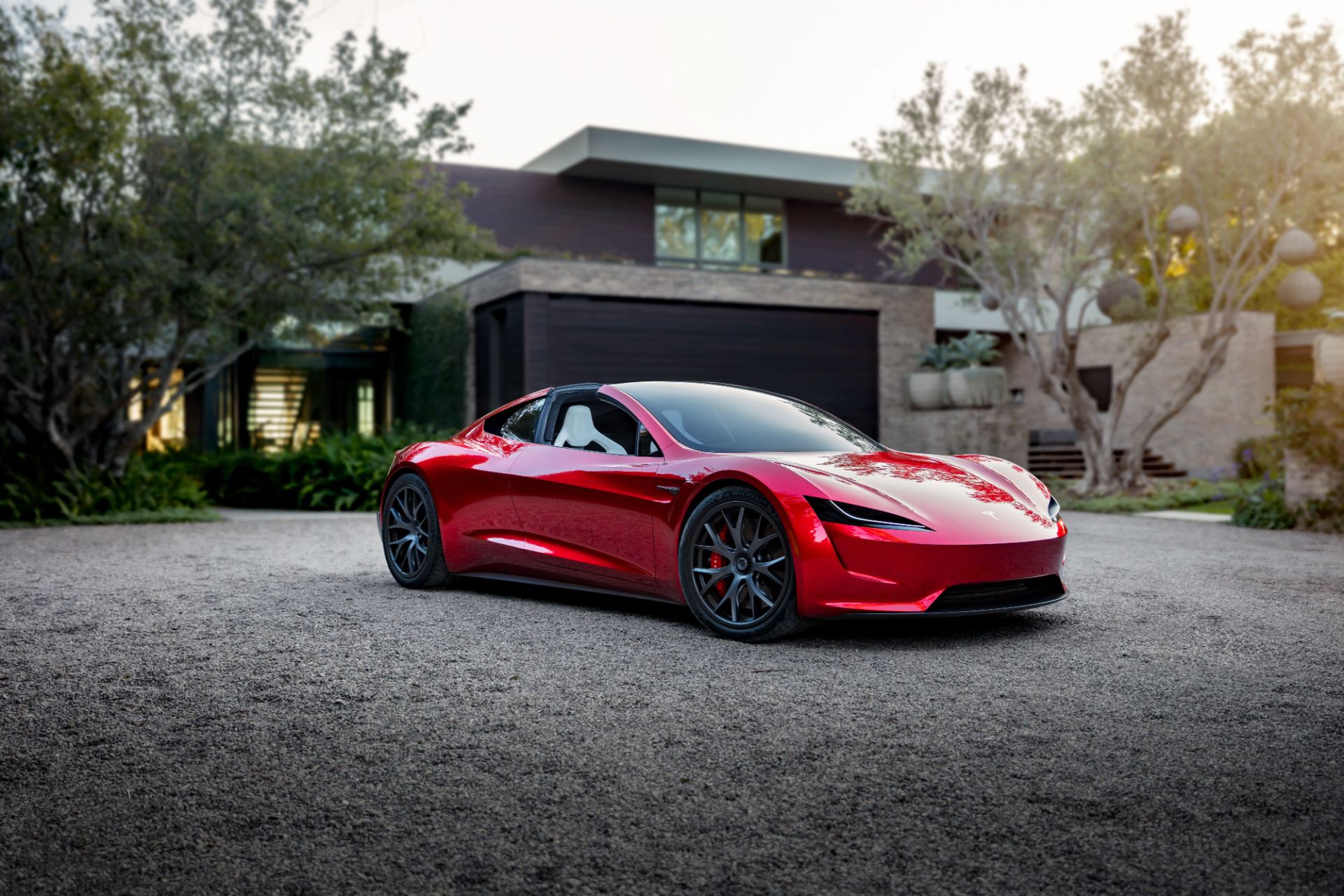
The Tesla Roadster can leave the ground, but it cannot fly in the way the word suggests. At its reveal on 15 October 2026 the car drove up a curved ramp, held itself inverted, flipped in mid-air and settled back down under cold-gas thrusters derived from SpaceX hardware, a sequence lasting seconds rather than minutes. Tesla has still not announced a price: reservations are $50,000 for the two-seat Performance, $250,000 for the Thrust, and invitation only for the single-seat Rocket, with production due in 2028 in Texas.
Context and Background
The Roadster has the longest gap between reveal and delivery of any current Tesla product. Musk first showed it in November 2017, tacked onto the end of the Tesla Semi event, quoting a $200,000 base price and $250,000 for one of 1,000 Founders Series cars. Deposit holders paid in 2017 and are still waiting: promised deliveries slipped from 2020 through 2021, 2023, 2024 and 2025 without a production car. A reveal event planned for 1 October 2026 was postponed over severe weather before the 15 October date stuck, at a SpaceX test site in McGregor, Texas, near Waco.
It arrives into a very different Tesla. The company stopped selling the Model S and Model X this year to free capacity for its Optimus humanoid robot programme, launched the two-seat Cybercab robotaxi with no steering wheel or pedals, and has shifted its public story towards autonomy and robotics. The original 2008 Roadster, built on a Lotus Elise chassis, was the car that established Tesla; this one is being positioned as a halo product rather than a volume model.
The Stunt: What the Roadster Actually Did
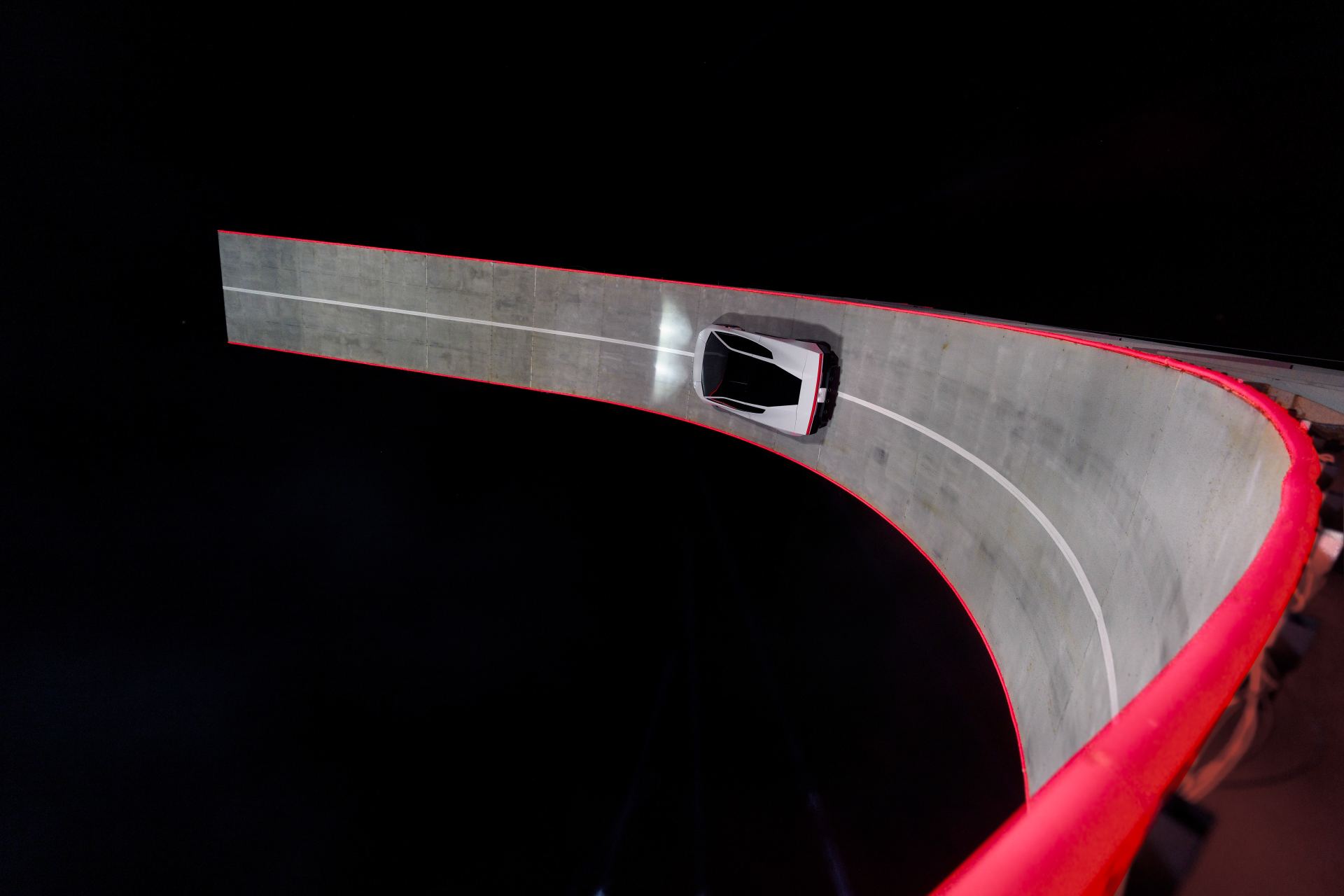
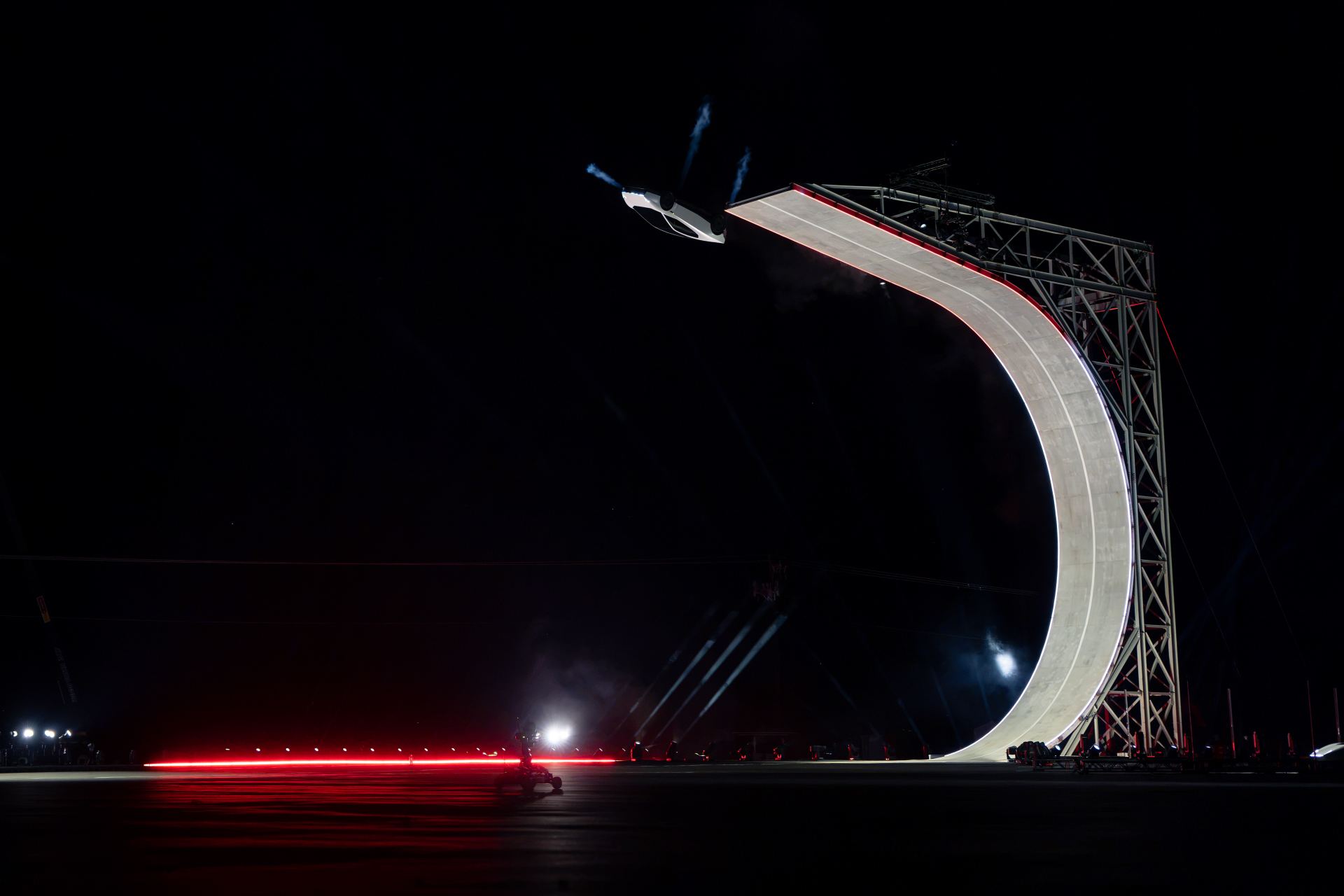
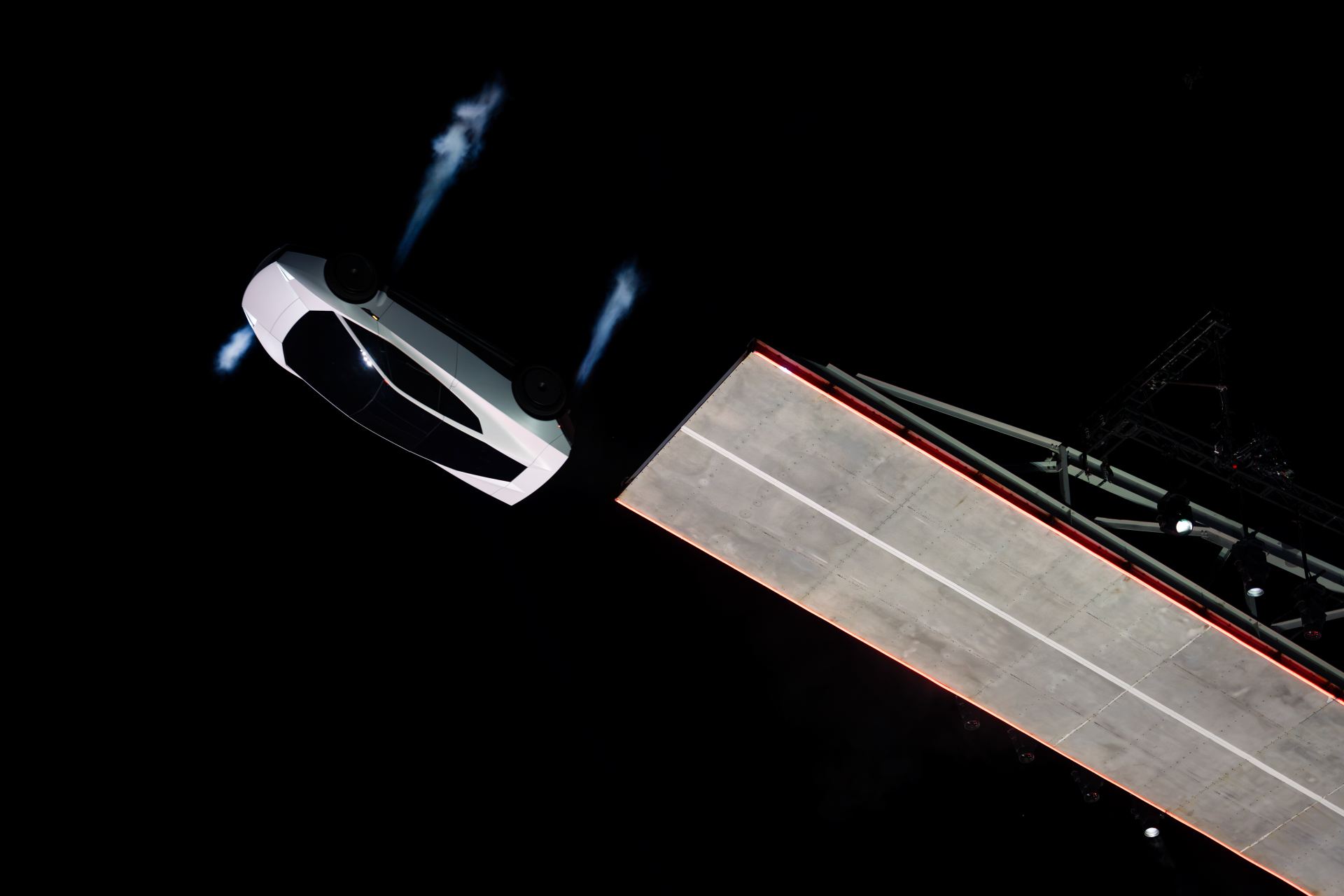
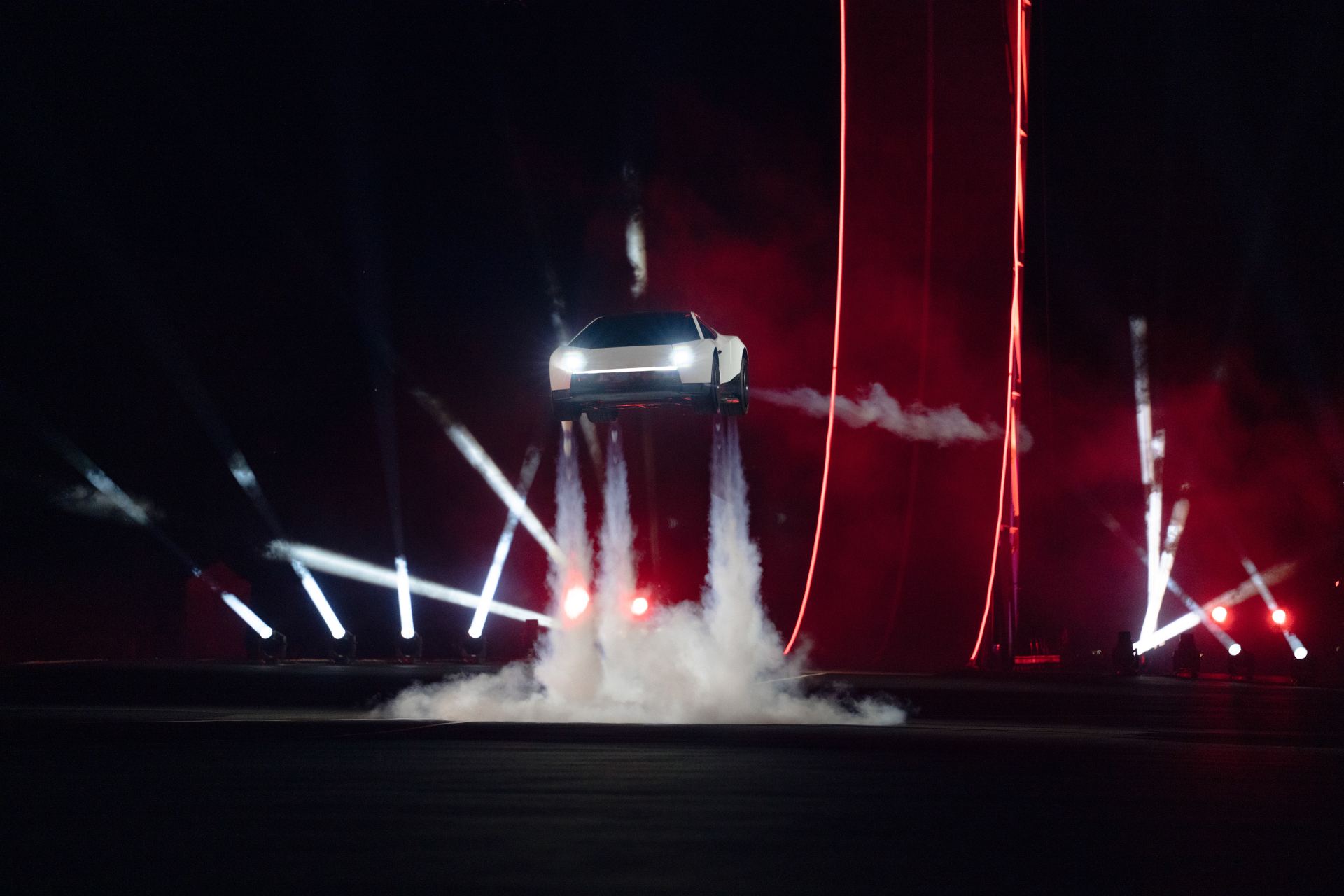
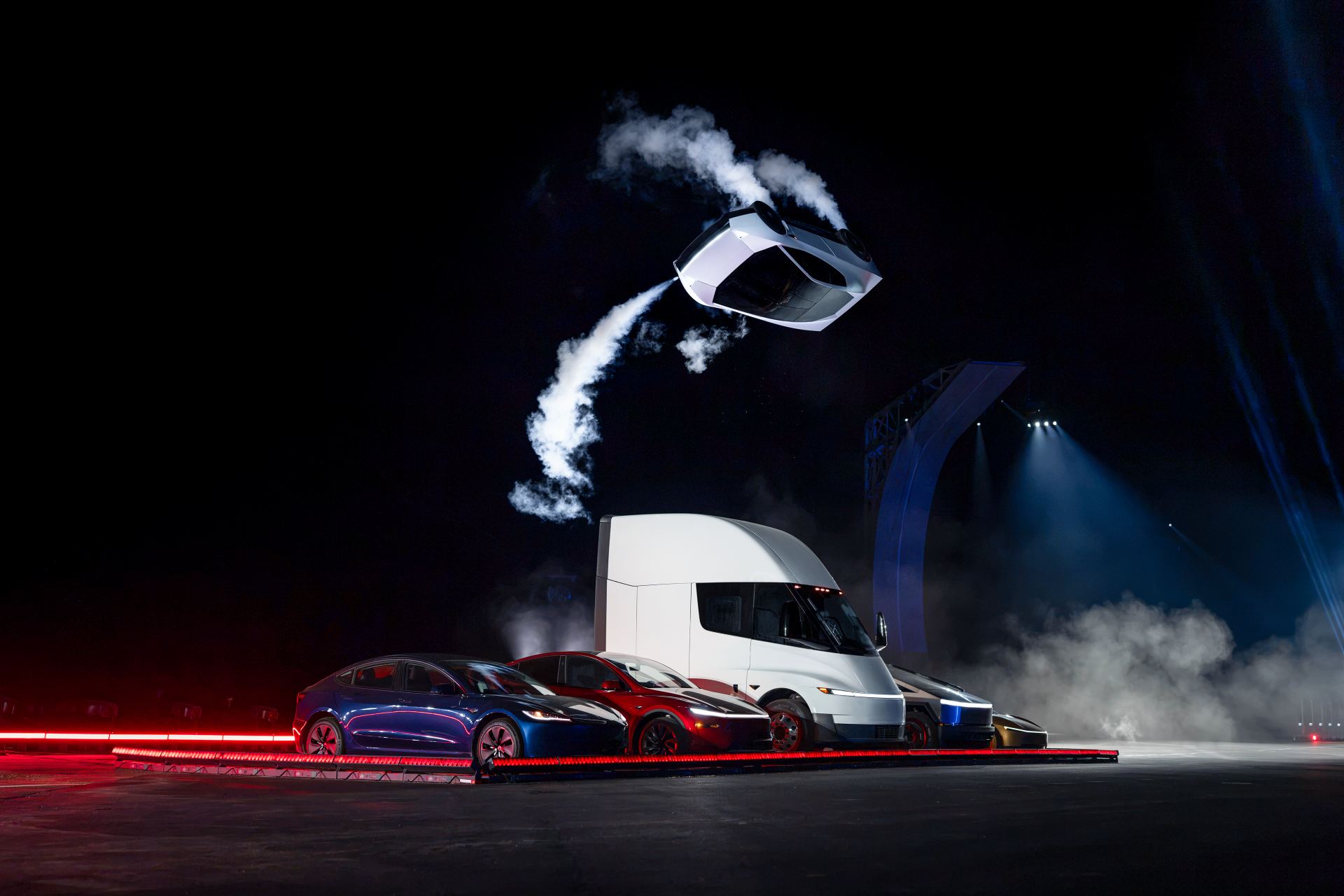
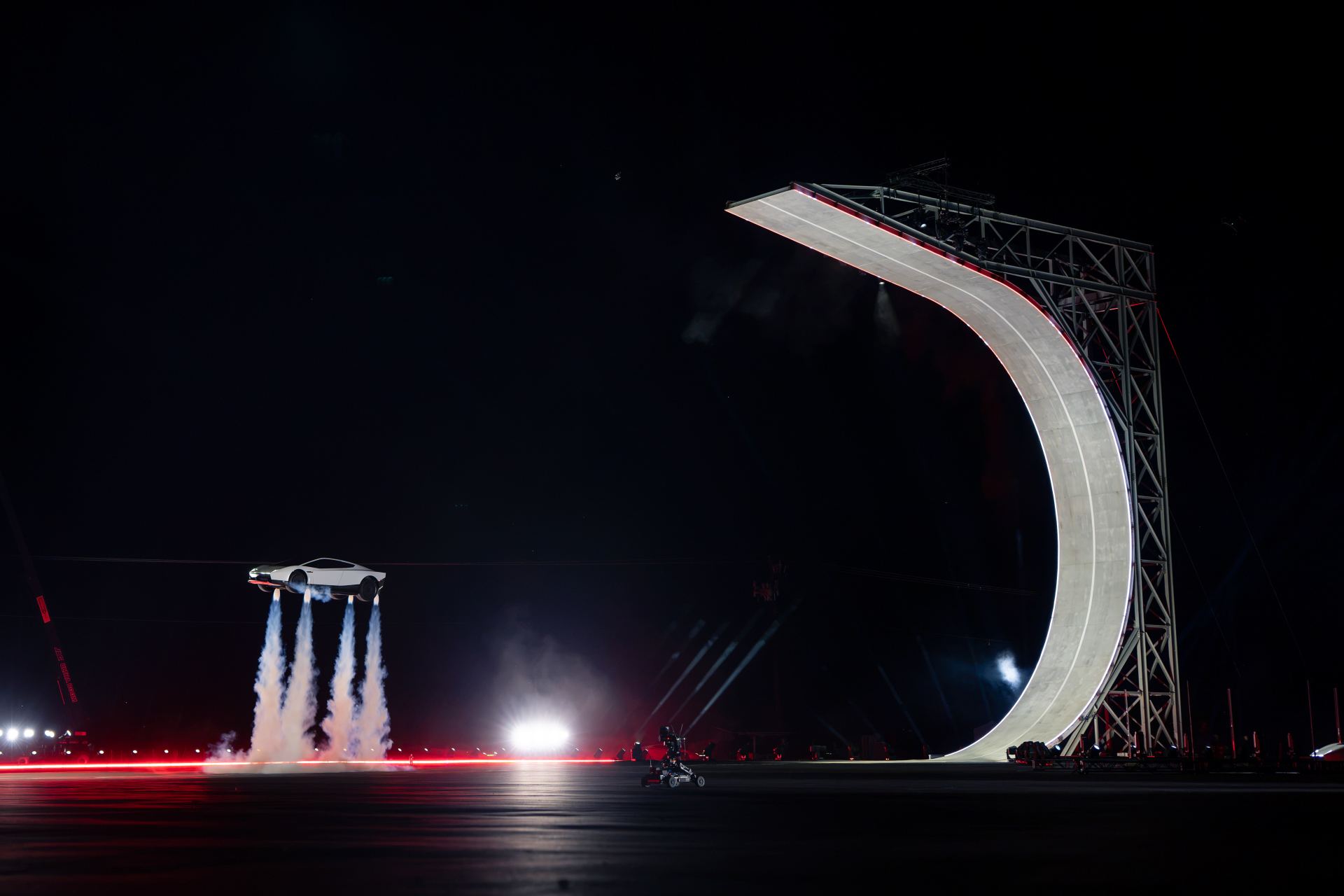
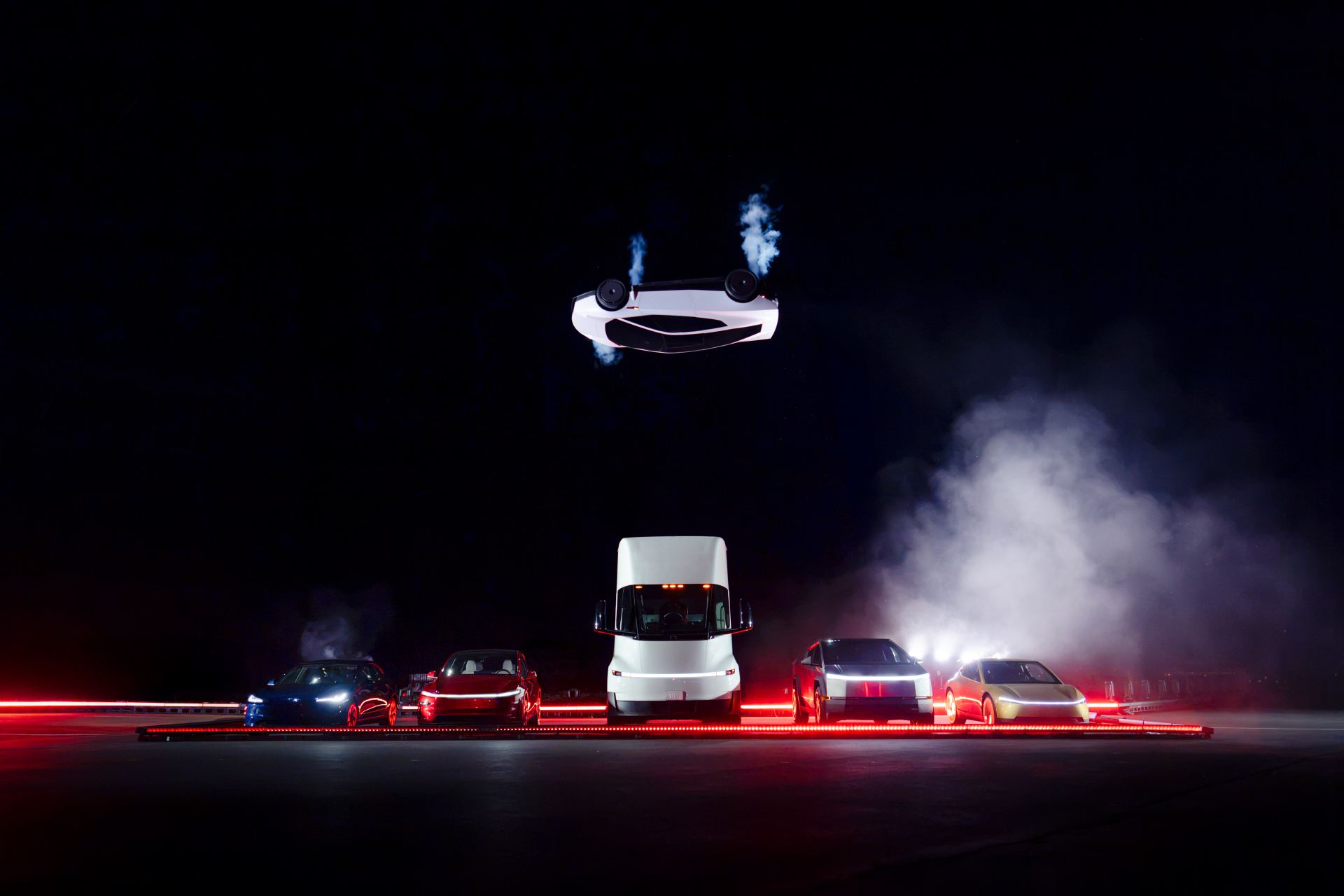
The reveal was a stunt show rather than a spec presentation, and it is worth being precise about what happened. A white Roadster accelerated up a curved ramp and held itself against the underside of it, inverted, using what Tesla calls a multi-mode suction system rather than downforce. It then released, rotated through the air and came down under thruster power onto its wheels. In a separate run the car cleared a line-up of parked Tesla vehicles while moving, jumping a Cybercab, Cybertruck, Semi, Model Y and Model 3. Musk said the car can puff itself up to perform the manoeuvres on demand, insisted it was the actual car that will be on the roads rather than a one-off rig, and floated jumping the Snake River Canyon. The demonstrations were short, staged on a closed site, and the car is loud enough on thrusters that earlier test runs were described as being operated remotely. Reaction was not universally warm: Marques Brownlee asked publicly whether the announcement was a prank.
How Much Does the Tesla Roadster Cost?
There is no sticker price. Tesla opened reservations on its website immediately after the reveal with three tiers, and the money reserves a place in the queue rather than buying a car at a known figure. The Performance takes a $50,000 reservation, the Thrust $250,000, and the Rocket is invite only with no public payment schedule. Reporting on the reservation page indicates the Thrust is limited to one per customer and that payments are staged, with a smaller amount due immediately and the balance within days. Buyers should read the reservation agreement itself on refundability rather than assuming it matches Tesla past programmes. The last price Tesla quoted publicly was $200,000, nearly a decade ago.
| Version | Seats | Reservation | Key hardware |
|---|---|---|---|
| Performance | 2 | $50,000 | Active aero, multi-mode suction system, described as road ready |
| Thrust | 2 | $250,000 | Rear-mounted cold-gas thrusters, 200-litre air tank, described as race ready |
| Rocket | 1 | Invite only | Full flight system, 10 cold-gas thrusters, described as air ready |
Tesla Roadster Specs, Range and 0-60
Tesla did not hand out a spec sheet at the reveal, so the numbers below come from Musk on stage and from chief engineer Lars Moravy and design chief Franz von Holzhausen speaking to Top Gear afterwards. They do not all agree. Musk said the car will exceed 230 mph, while the engineers described 214 mph today with 330 mph as a target. The claimed sub-one-second 0-60 mph time applies to the Thrust using a charge of its cold-gas thrusters, not to the car on its motors alone. Range is the most striking revision: around 310 to 320 miles, roughly half the 620 miles Musk claimed in 2017. Treat every figure here as a manufacturer claim until Tesla publishes verified specifications.
| Specification | Claimed figure |
|---|---|
| Power | Over 1,073 hp (800 kW); over 1,341 hp (1,000 kW) on higher versions |
| Torque | 885 lb-ft; over 1,032 lb-ft on higher versions |
| 0-60 mph | Under 1.0 second (Thrust, using a thruster charge) |
| Top speed | 214 mph currently, 330 mph target; Musk said over 230 mph on stage |
| Range | Around 310-320 miles |
| Battery | Bespoke nickel-based lithium-ion, 800-1,000 V; capacity not disclosed |
| Charging | Up to 500 kW on a V4 Supercharger, 15-85% in about 10 minutes |
| Drivetrain | Rear-wheel drive, two motors with torque vectoring |
| Kerb weight | About 3,700 lb (1,700 kg), lightest version |
| Production | 2028, in Texas |
How the SpaceX Thrusters Work
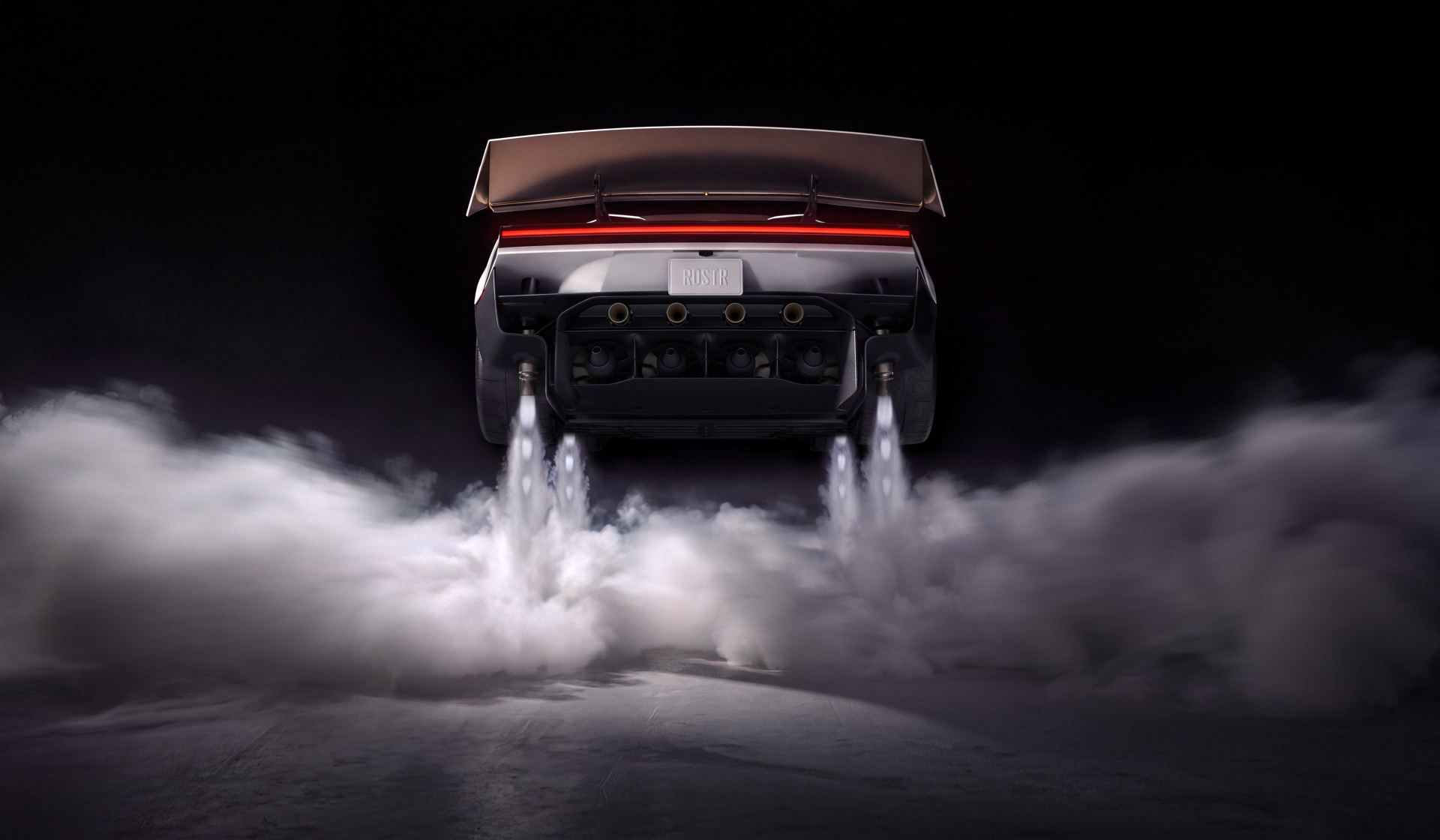
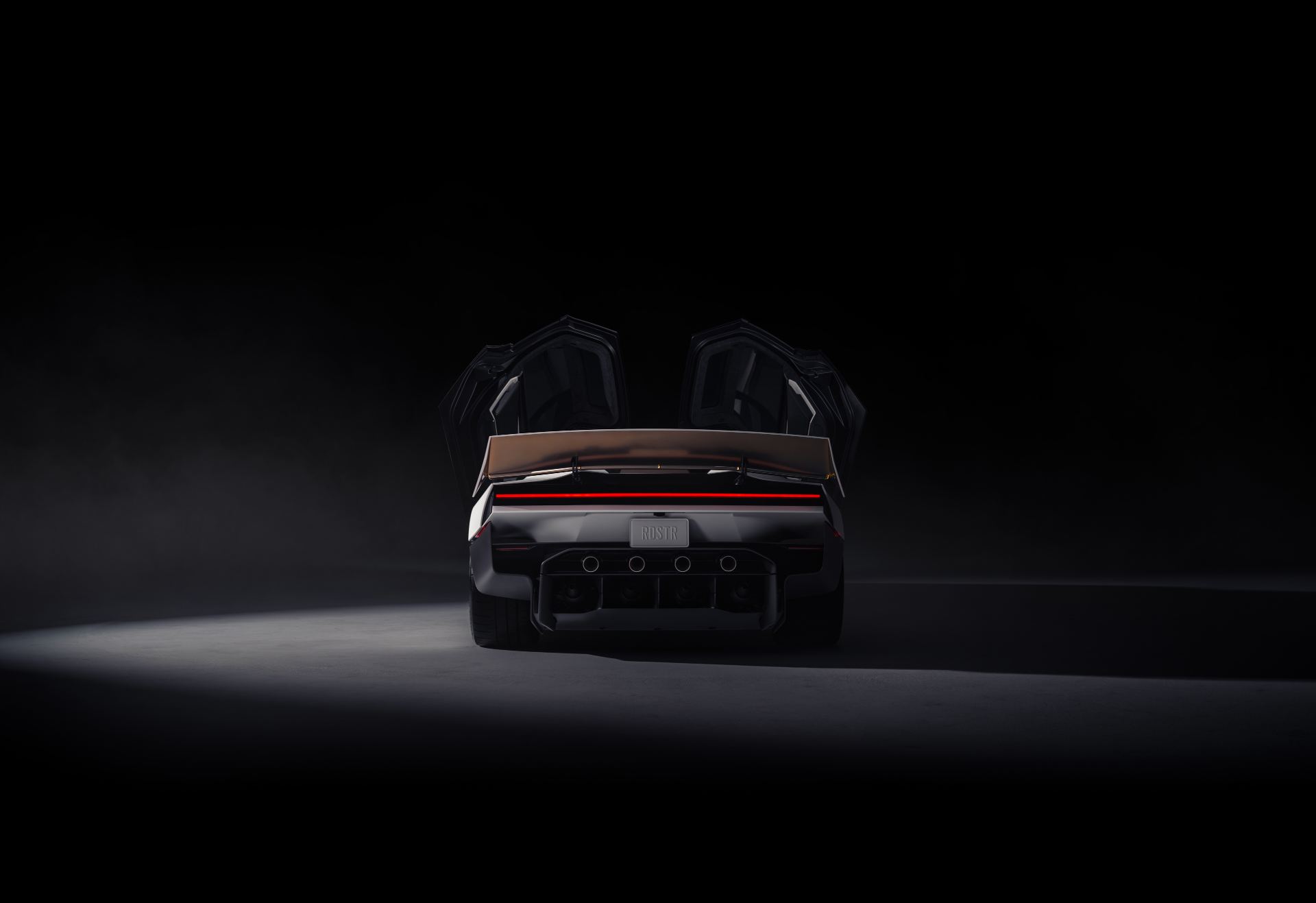
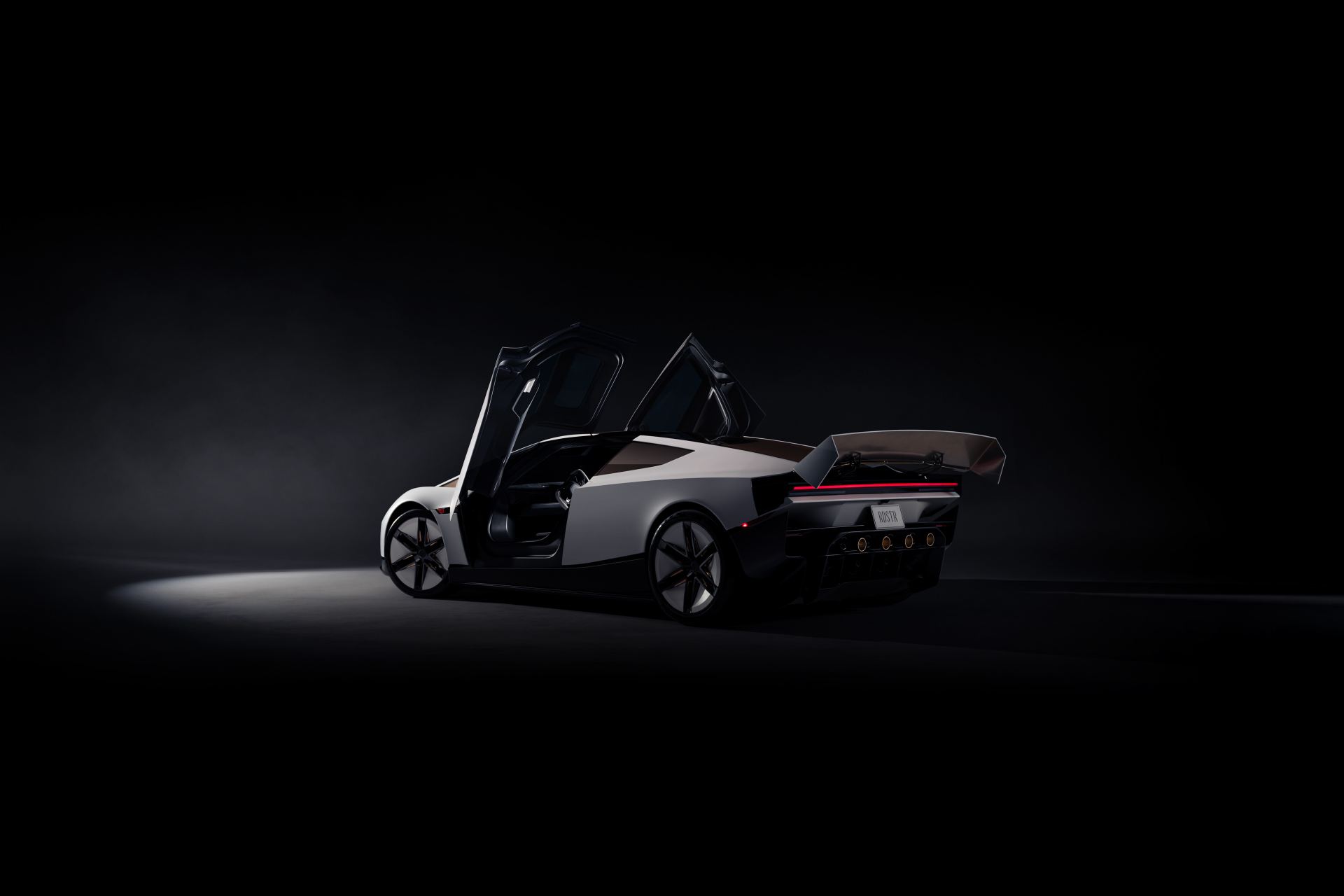
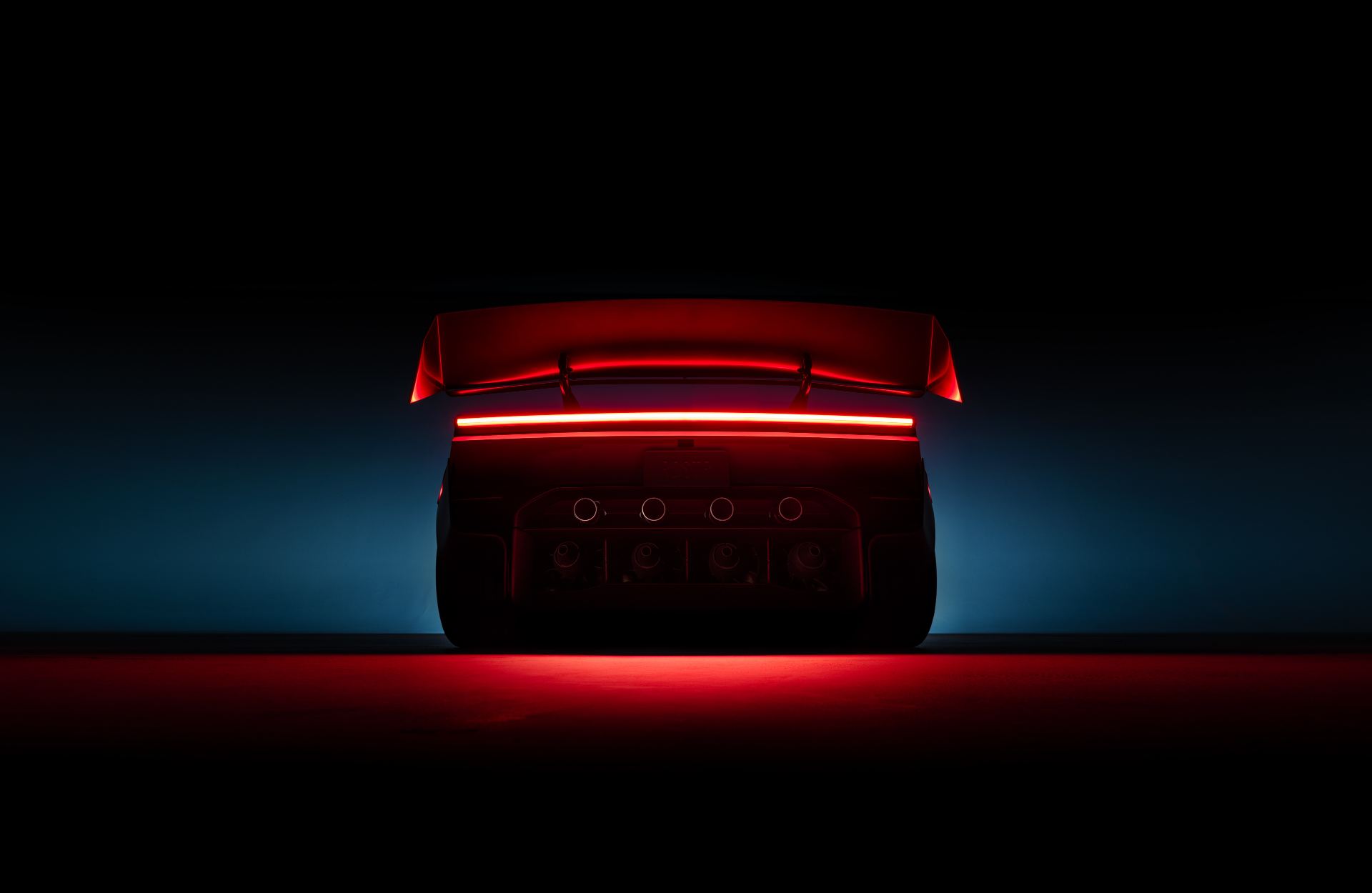
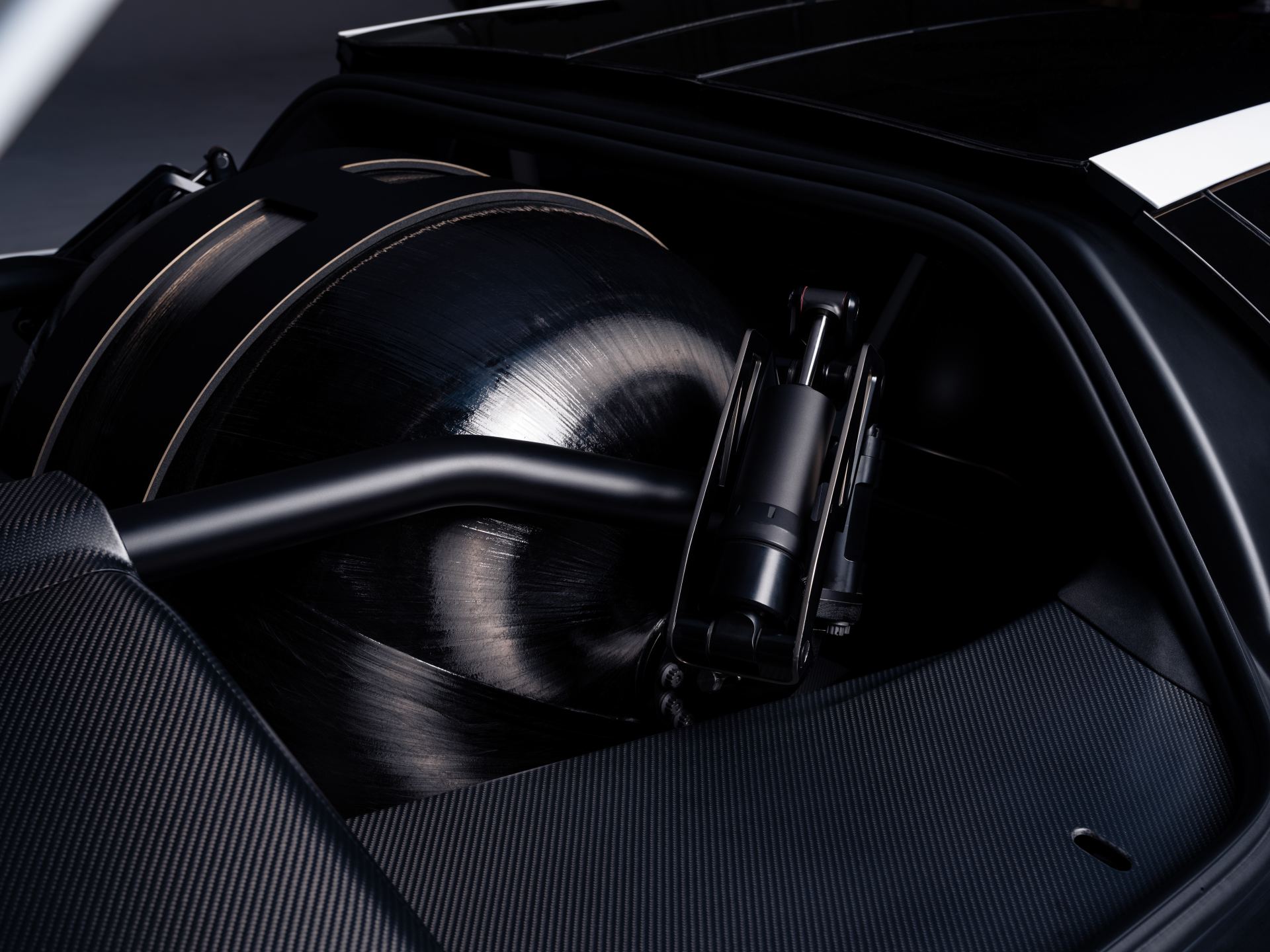
The flight hardware is cold-gas thrusters fed by compressed air, not rockets burning fuel. The Thrust carries a 200-litre pressurised tank in the trunk feeding rear-mounted nozzles through equal-length pipes; the single-seat Rocket runs ten thrusters positioned around the car off roughly 600 litres. Tesla says every usable void in the body is filled with carbon-fibre overwrapped pressure vessels, the same class of component linked to several SpaceX failures. Recharging the Thrust tank with high-pressure nitrogen currently takes two to six hours, with under 30 minutes as the stated goal, so the party trick is not repeatable on demand. Legality is the open question Tesla did not address: operating a thruster-assisted car on public roads has no obvious regulatory path.
Exterior
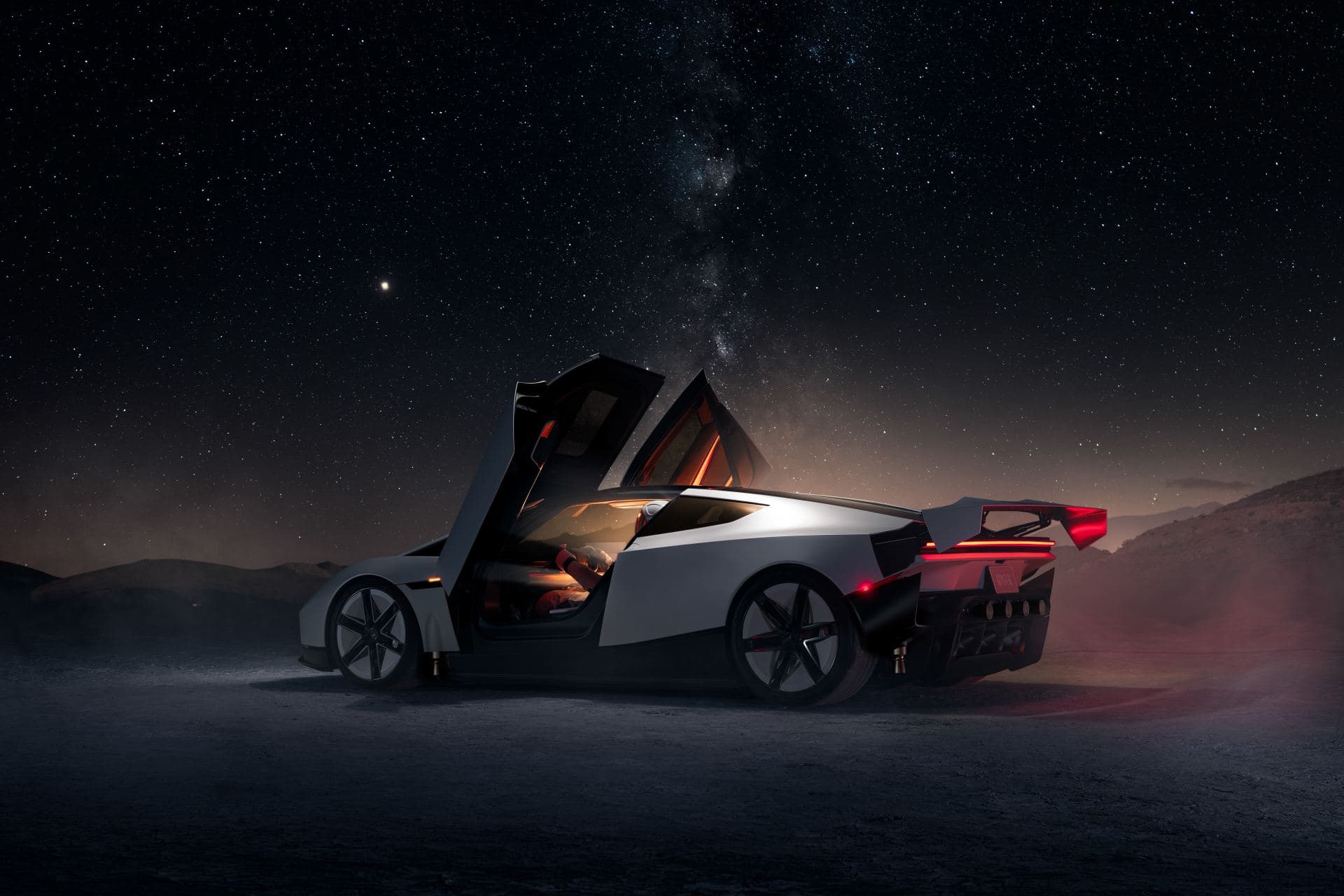
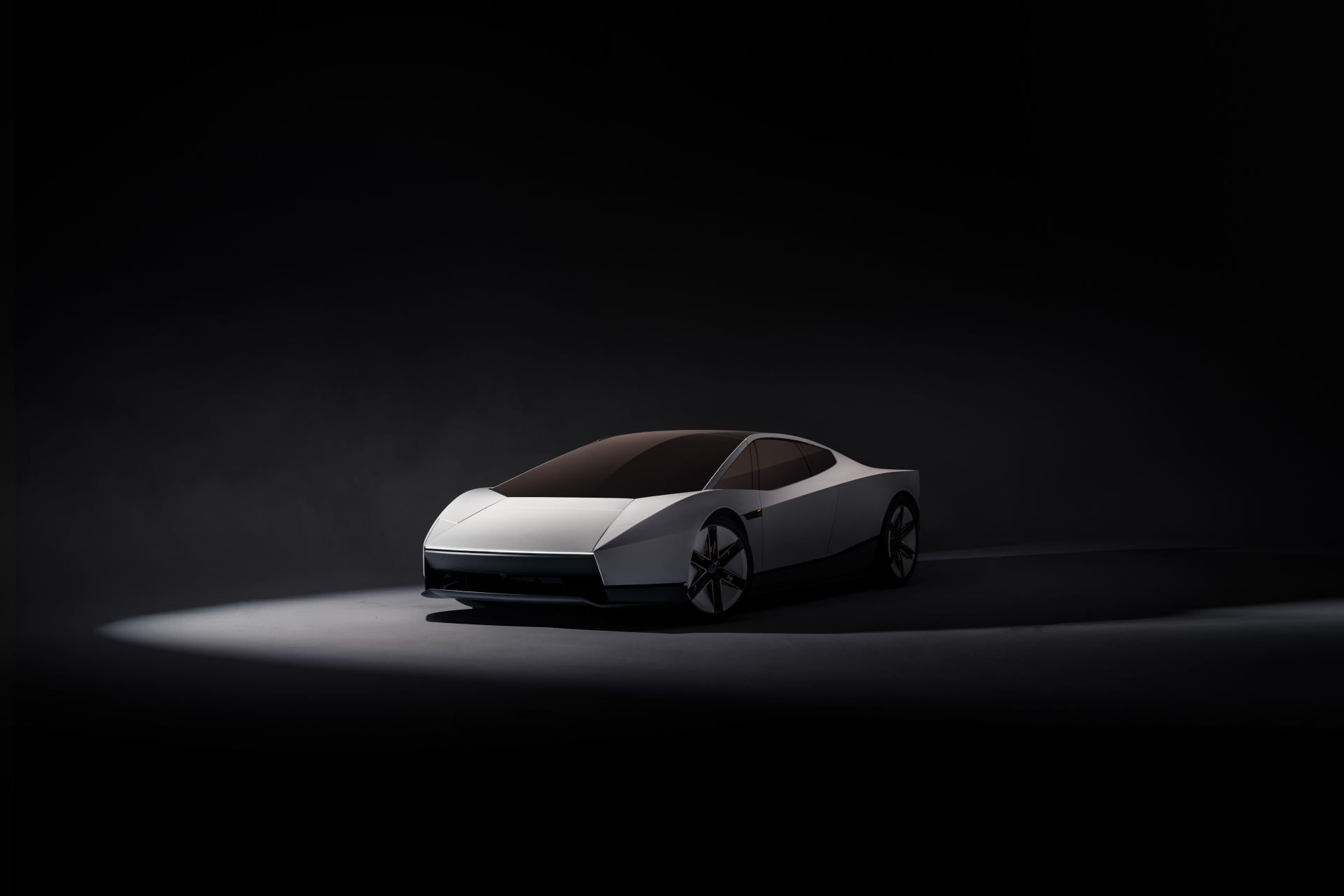
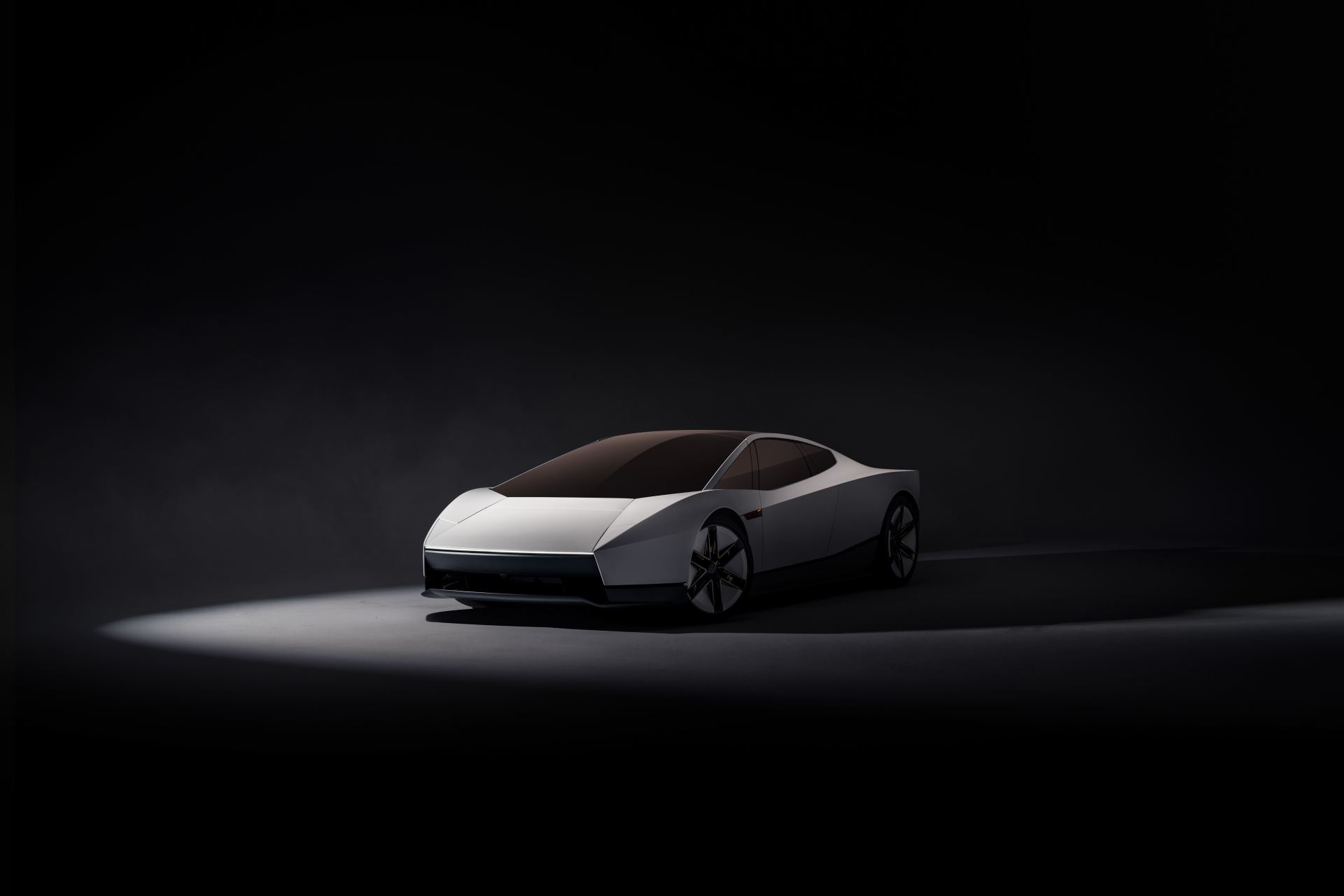
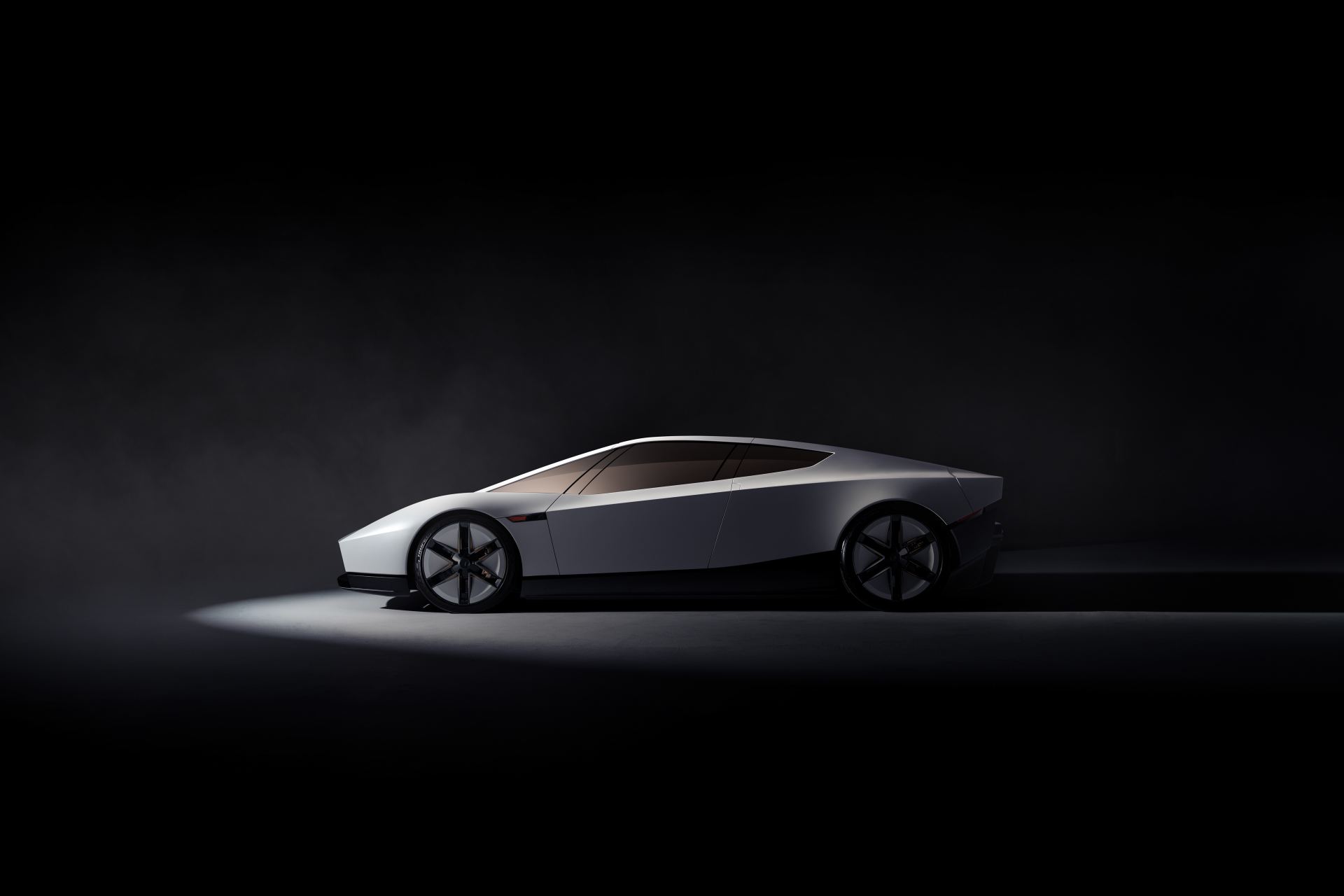
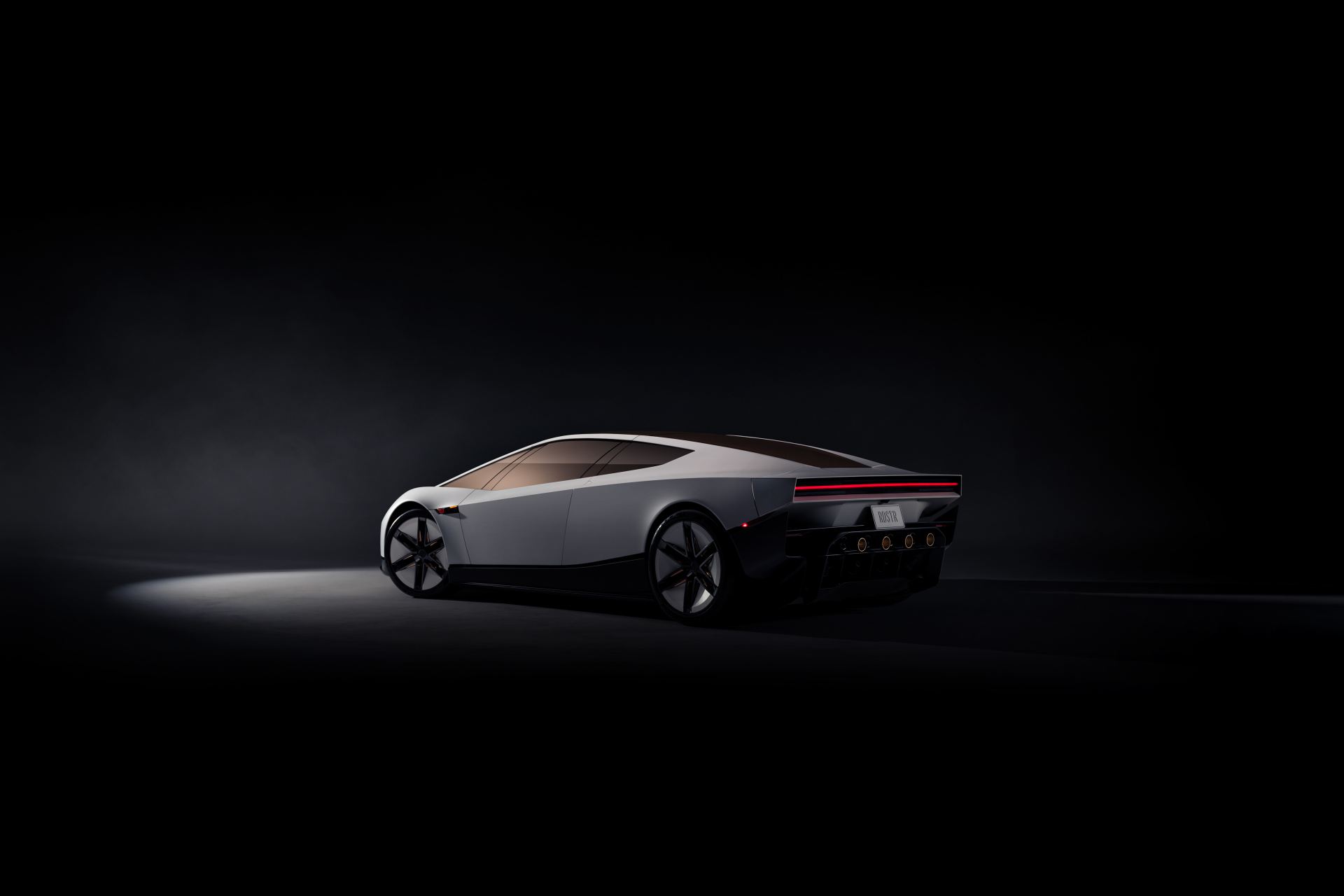
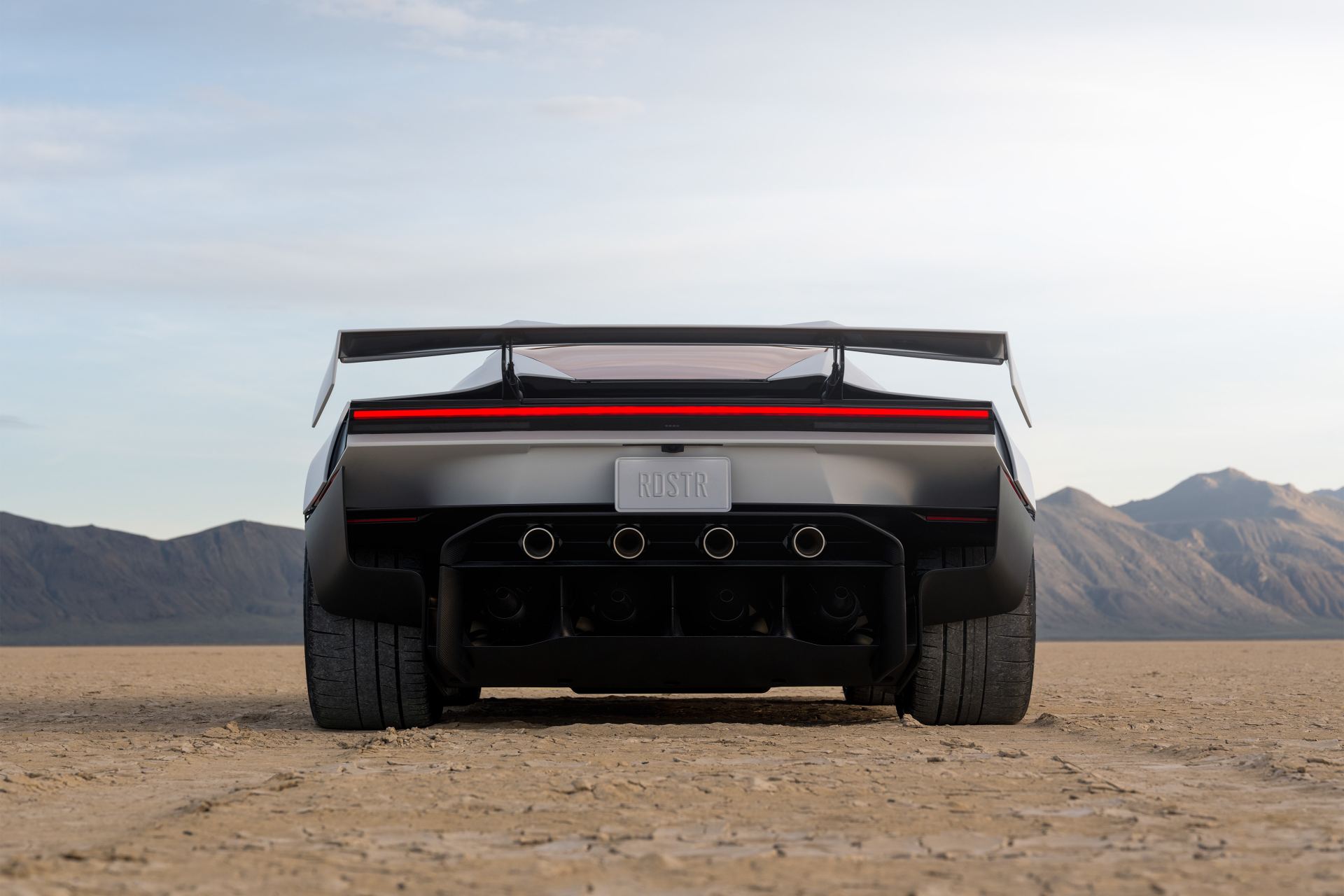
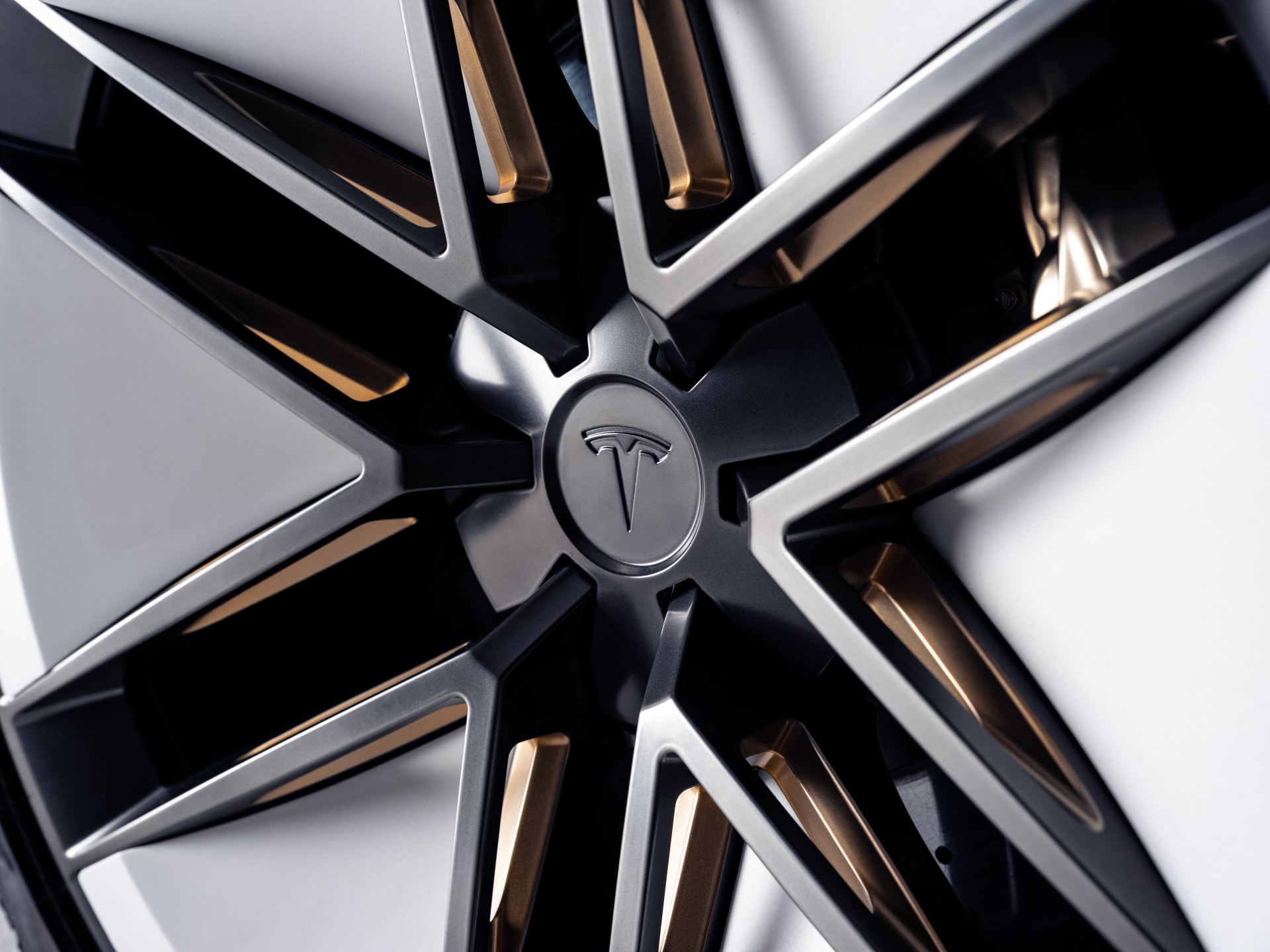
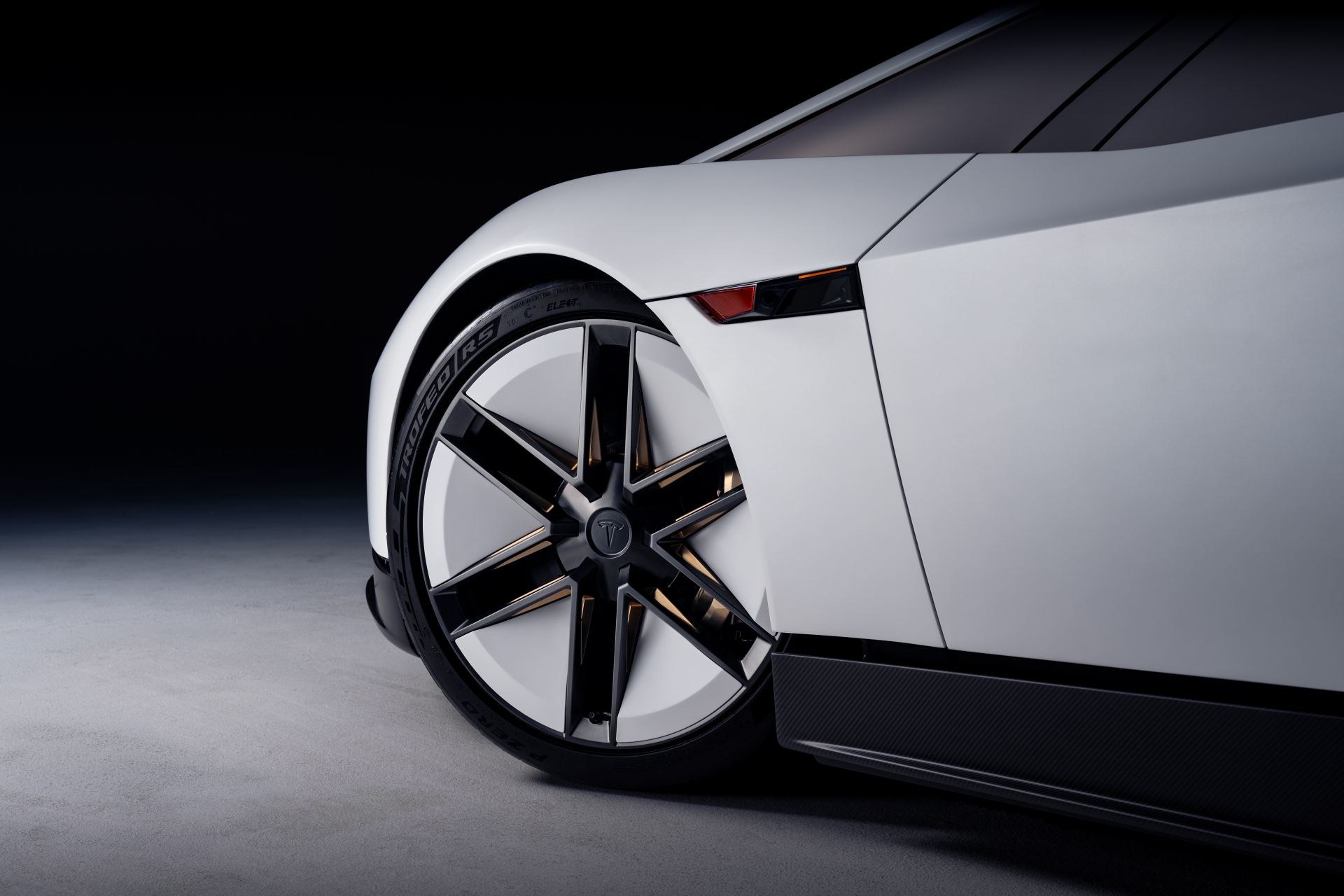
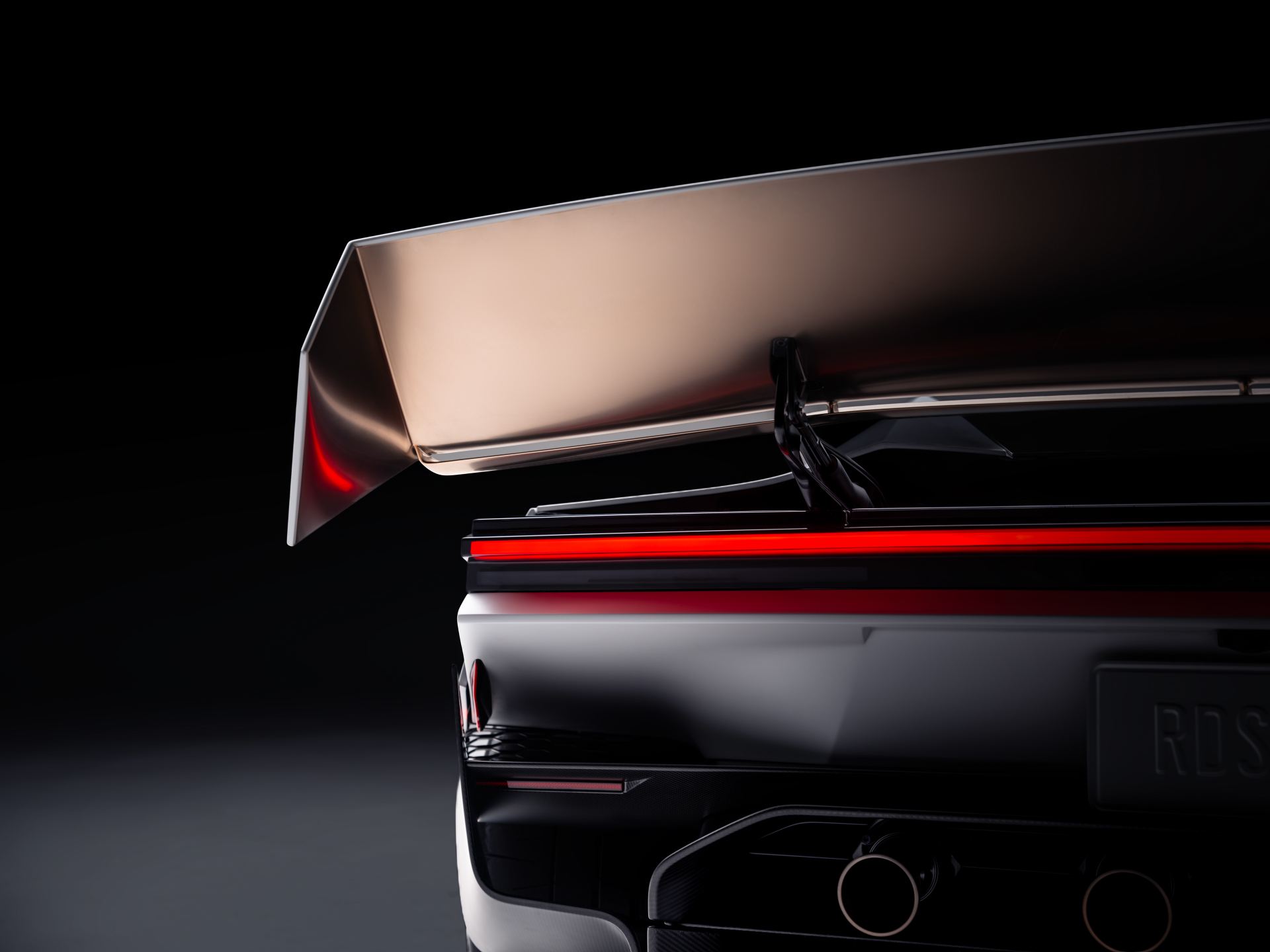
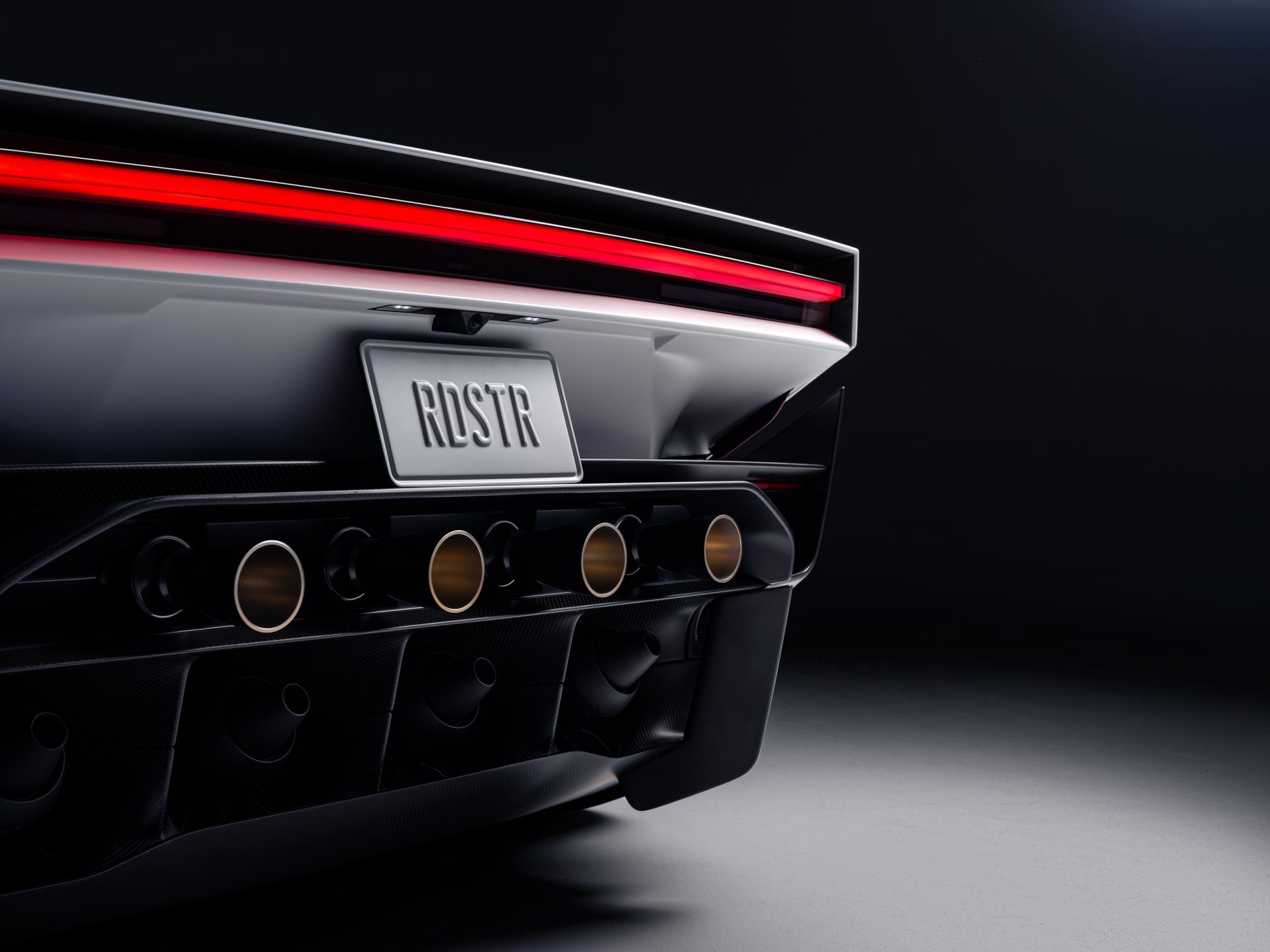
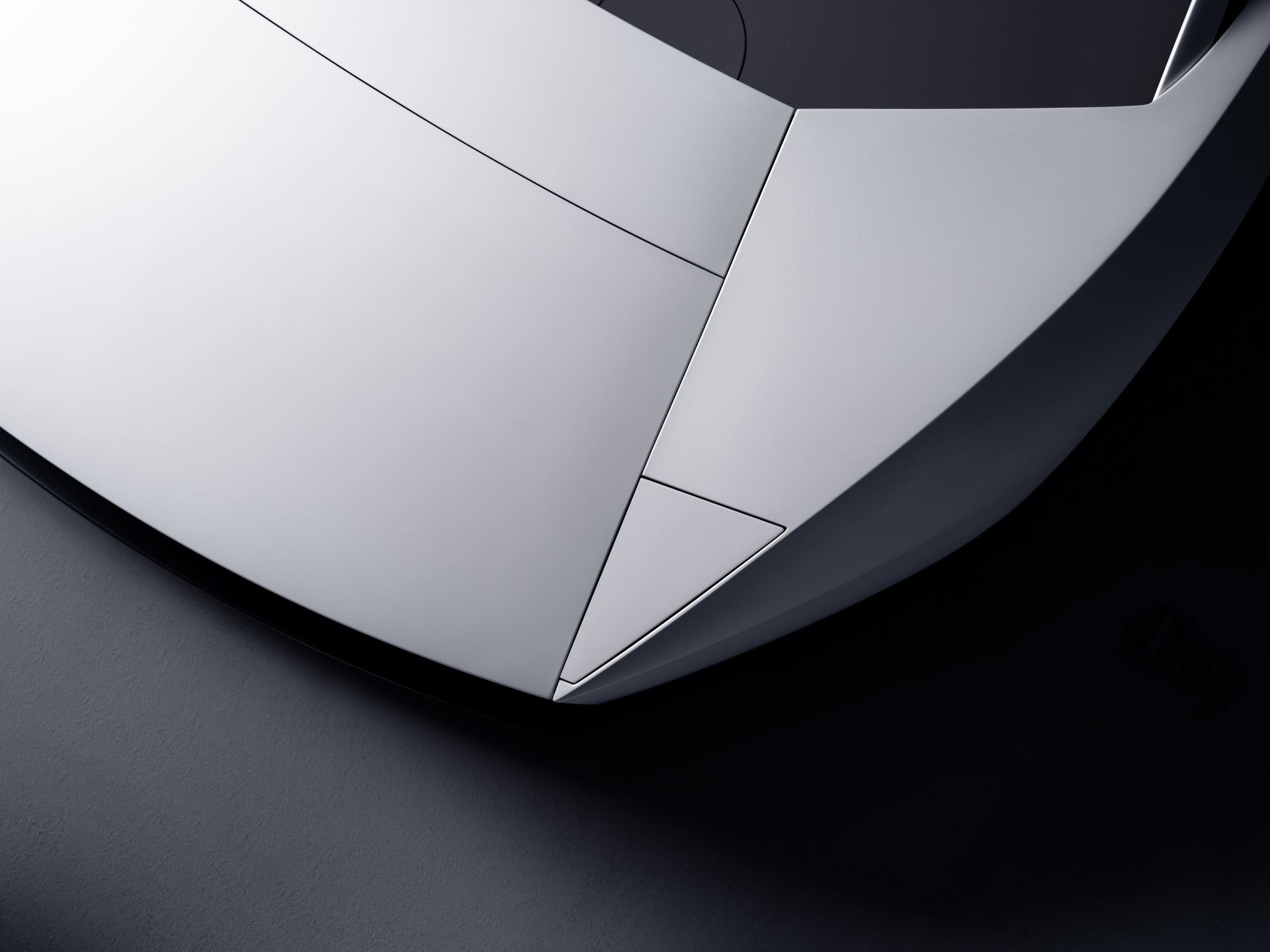
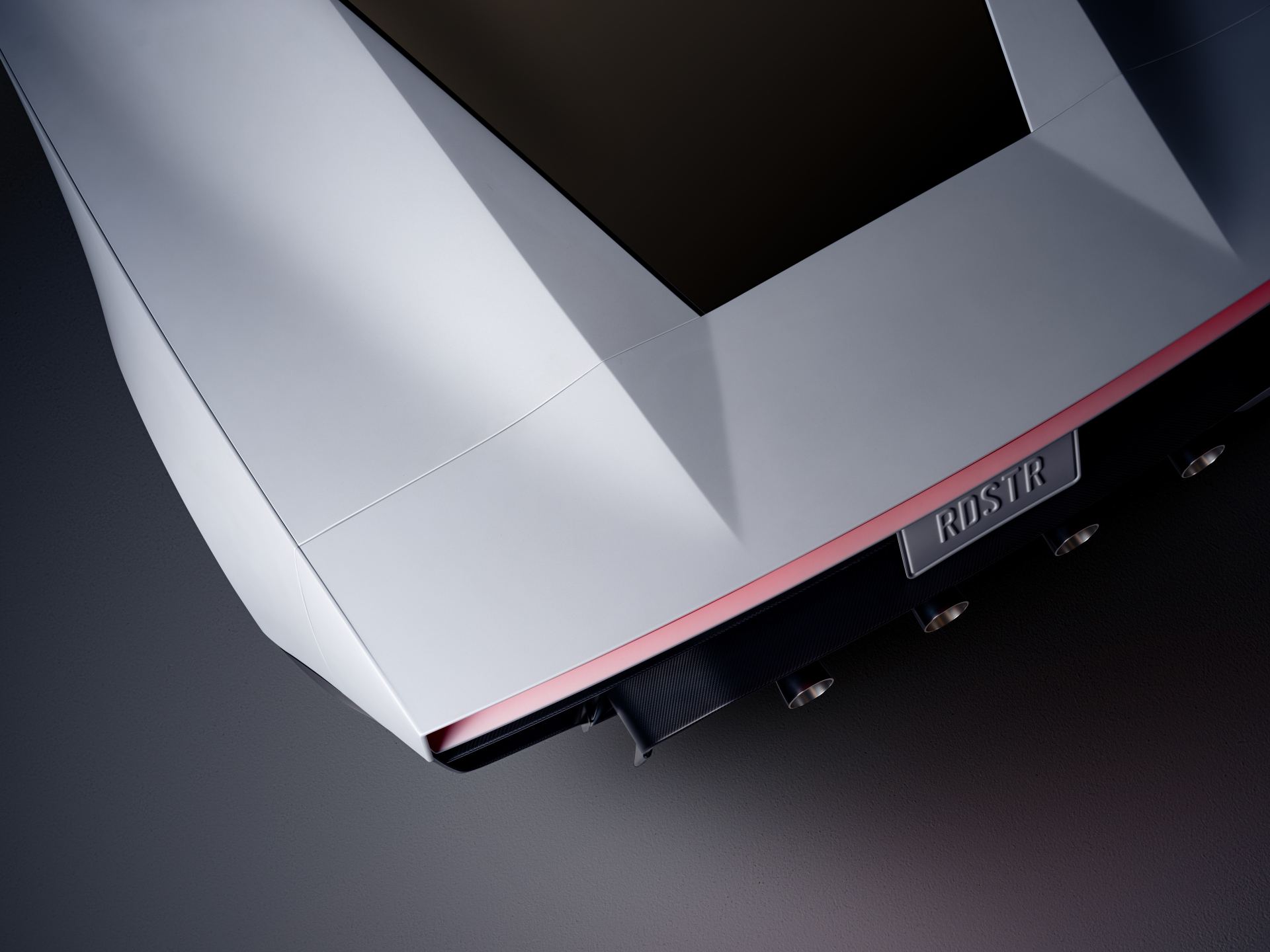
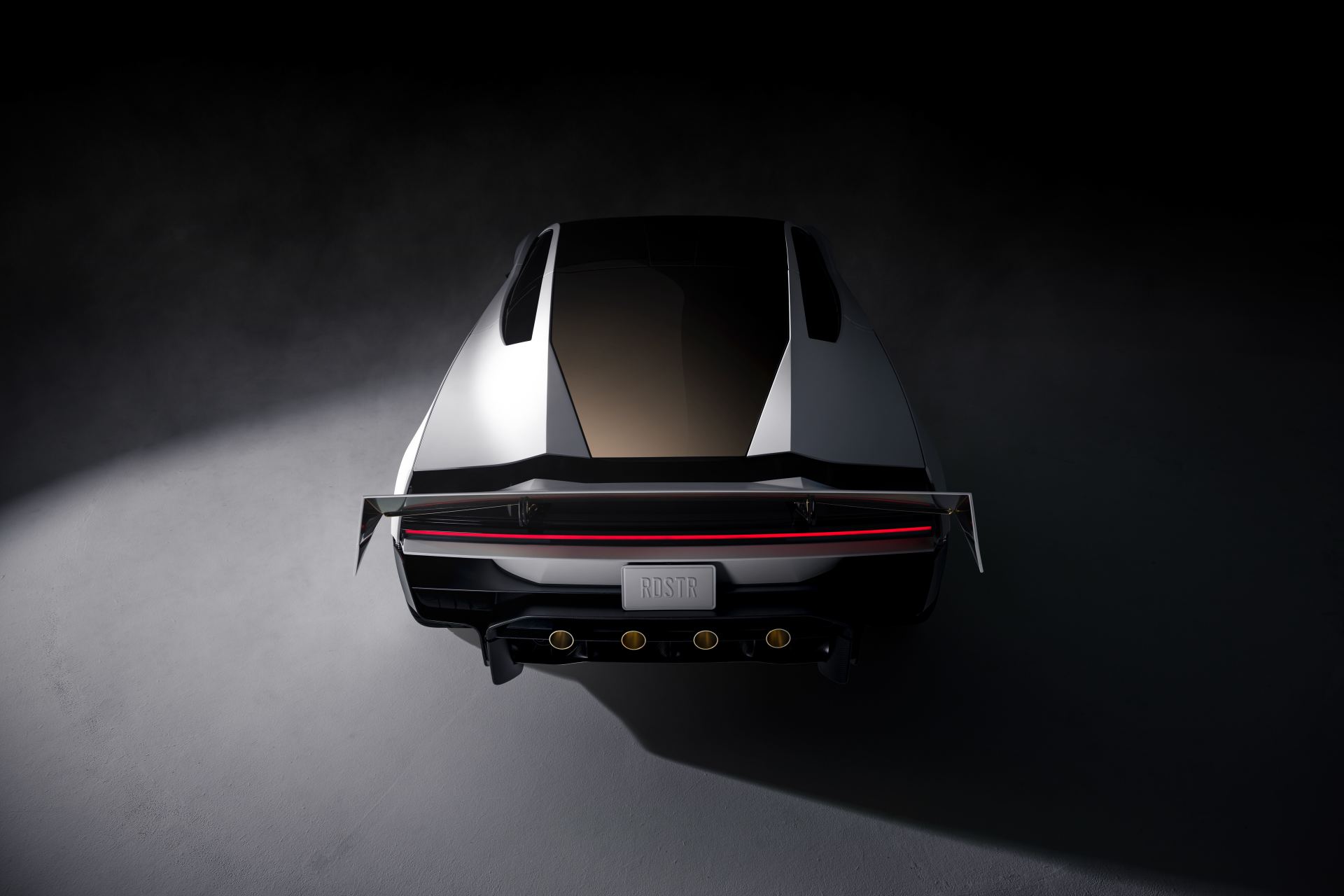
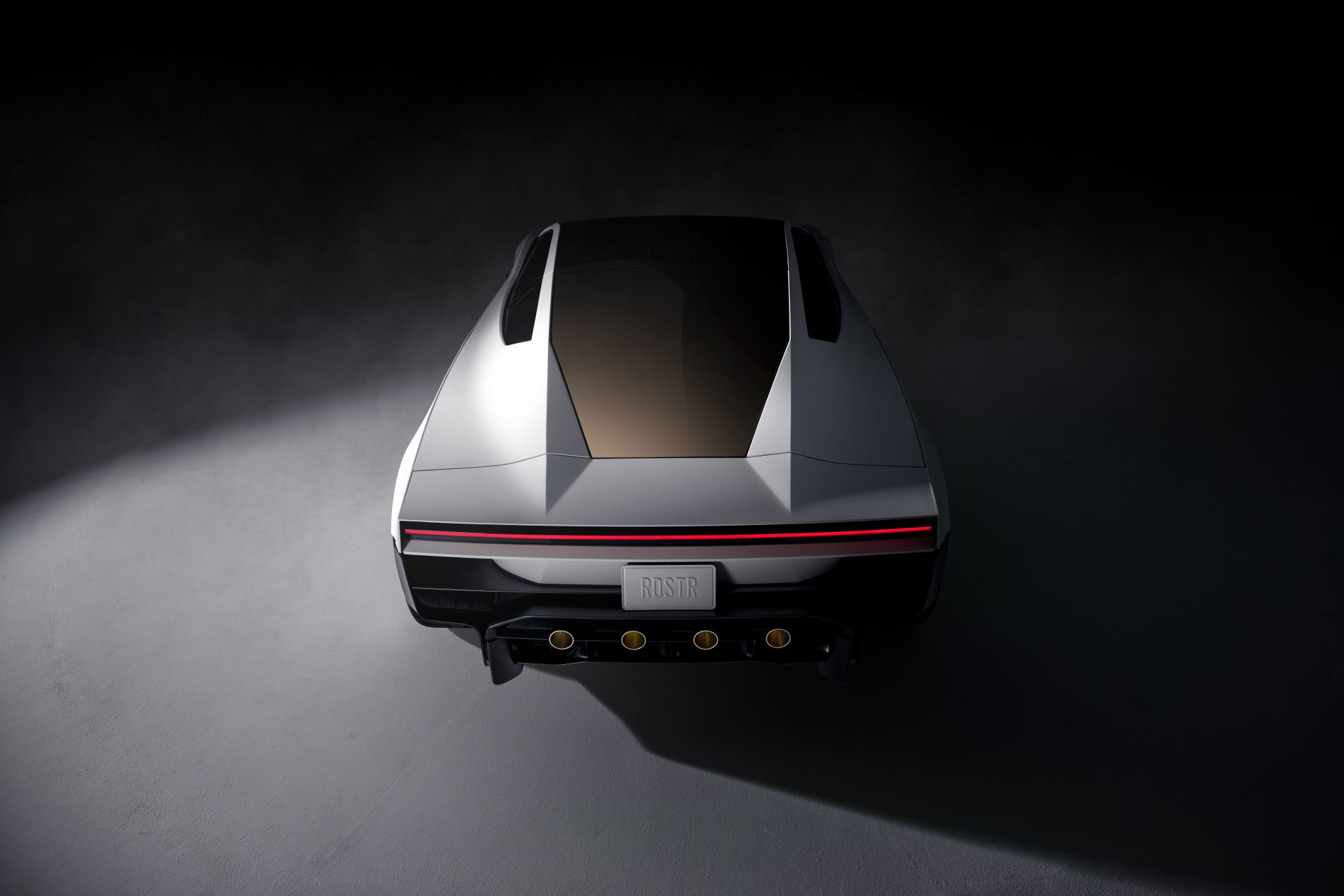
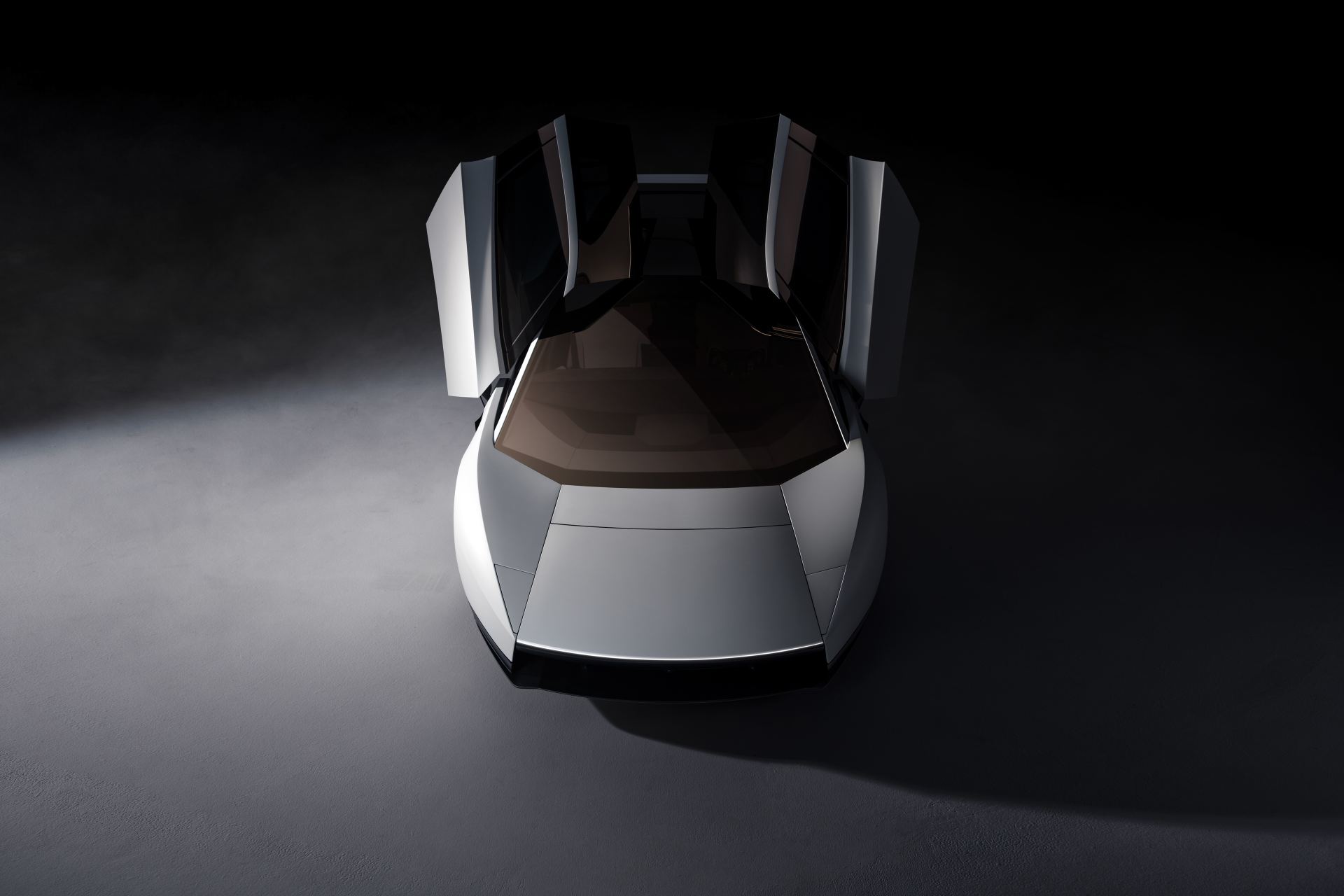
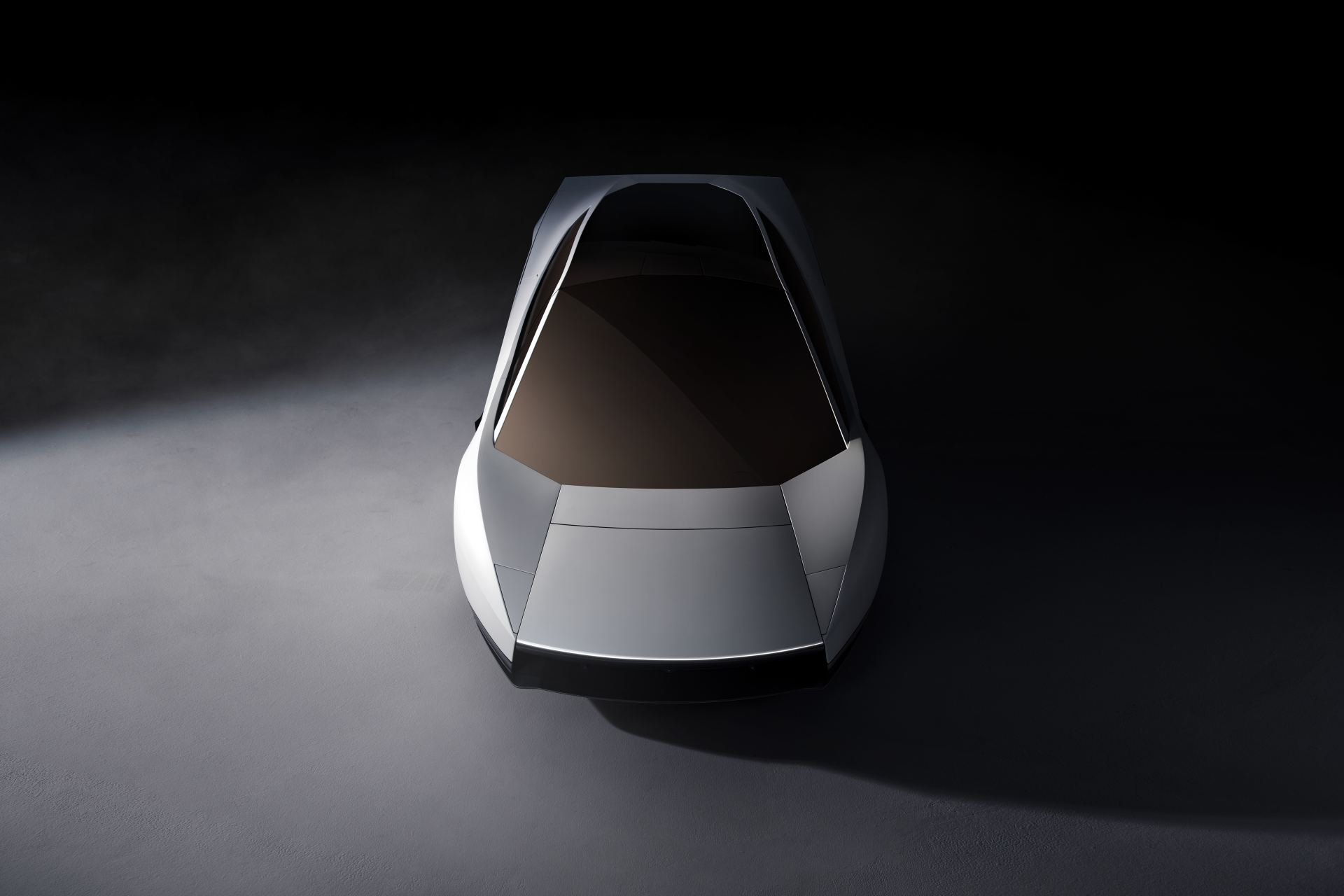
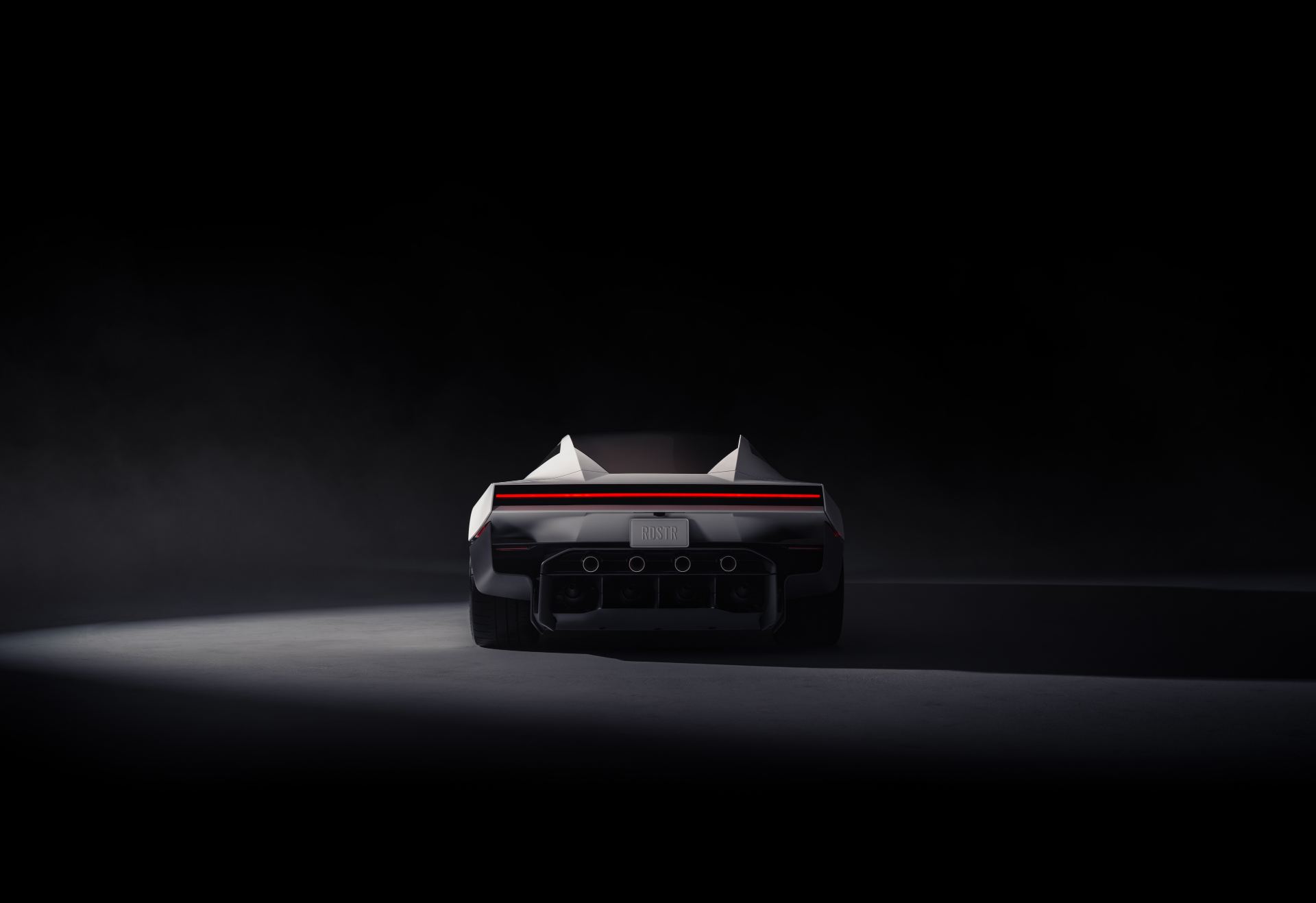
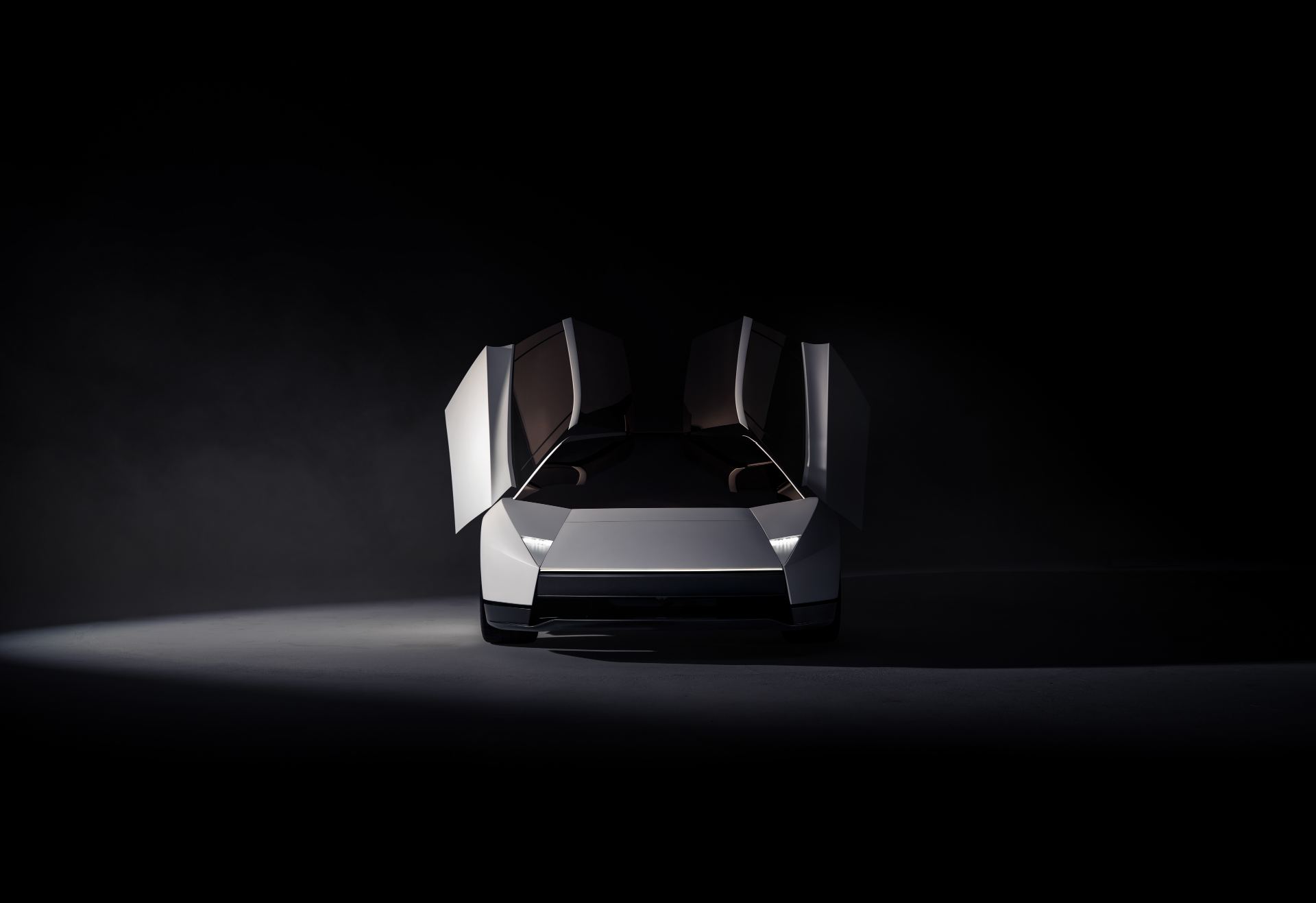
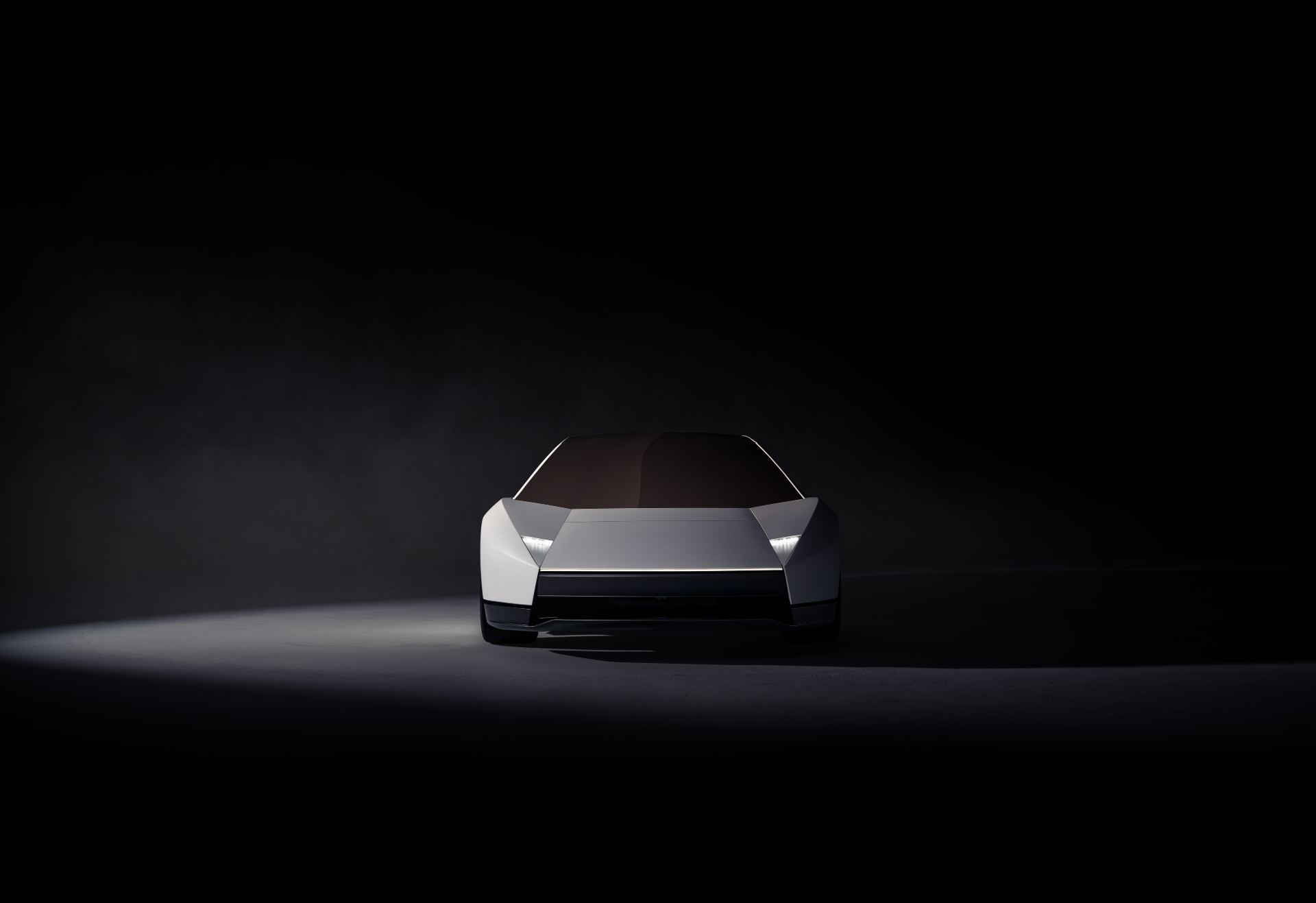
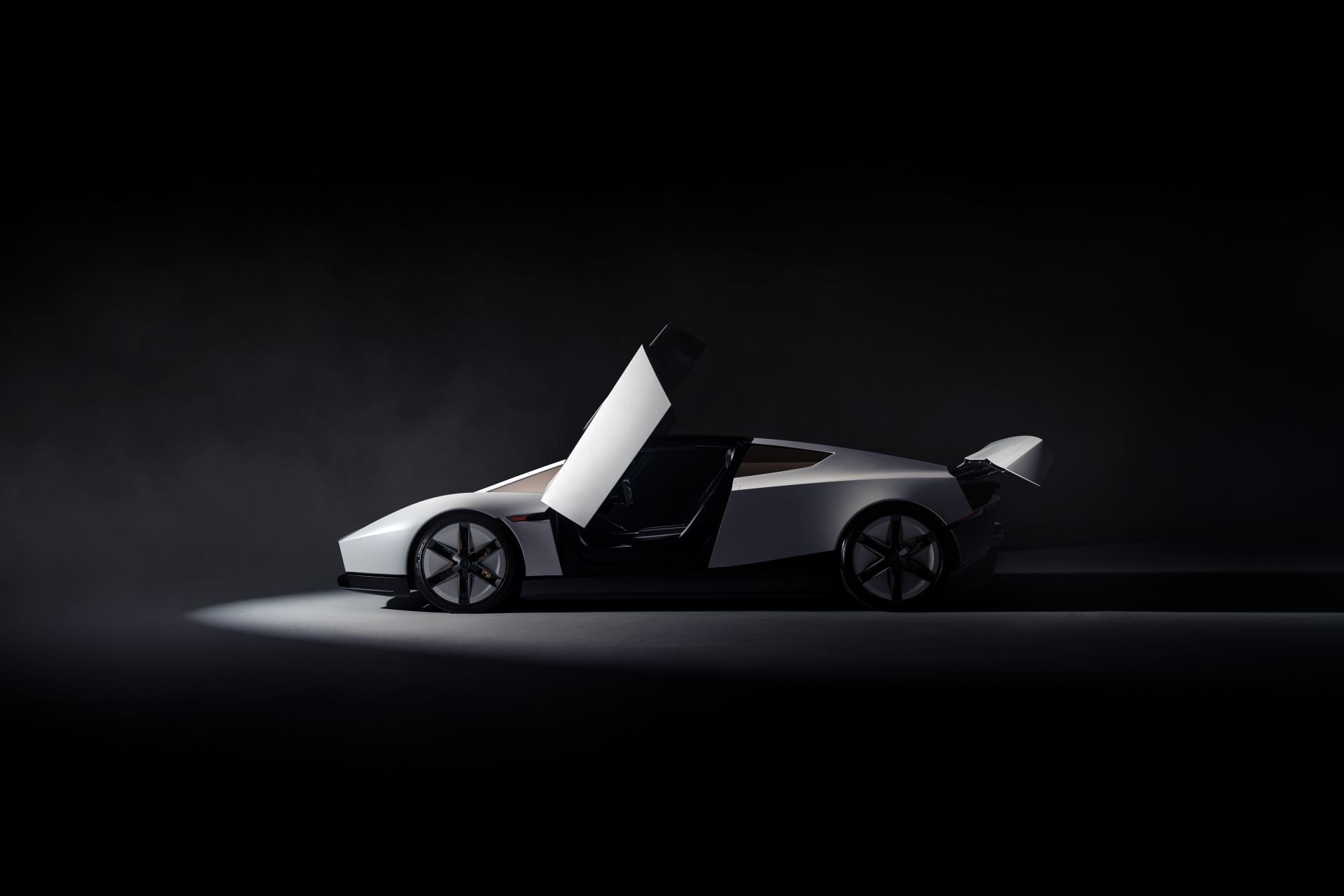
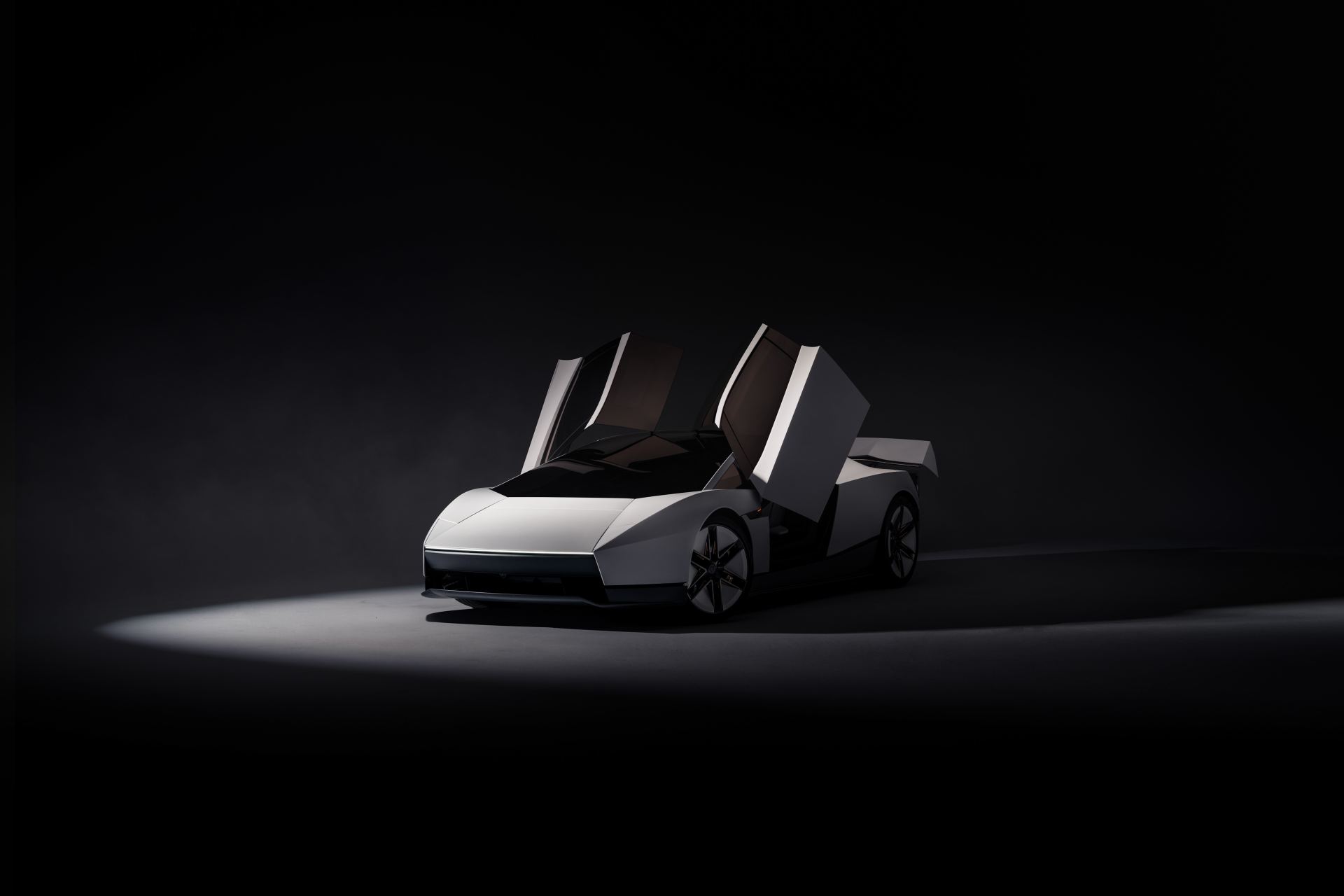
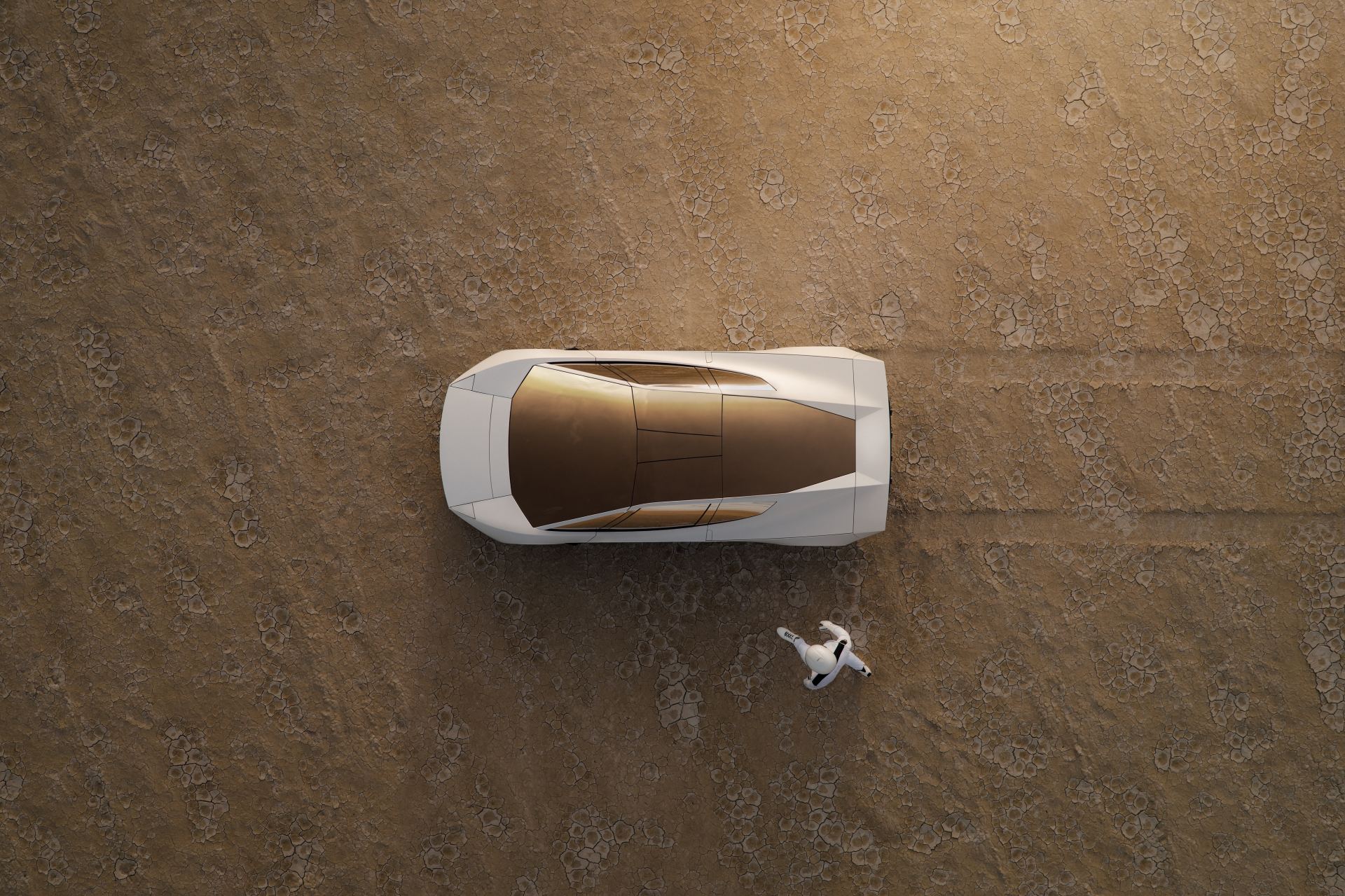
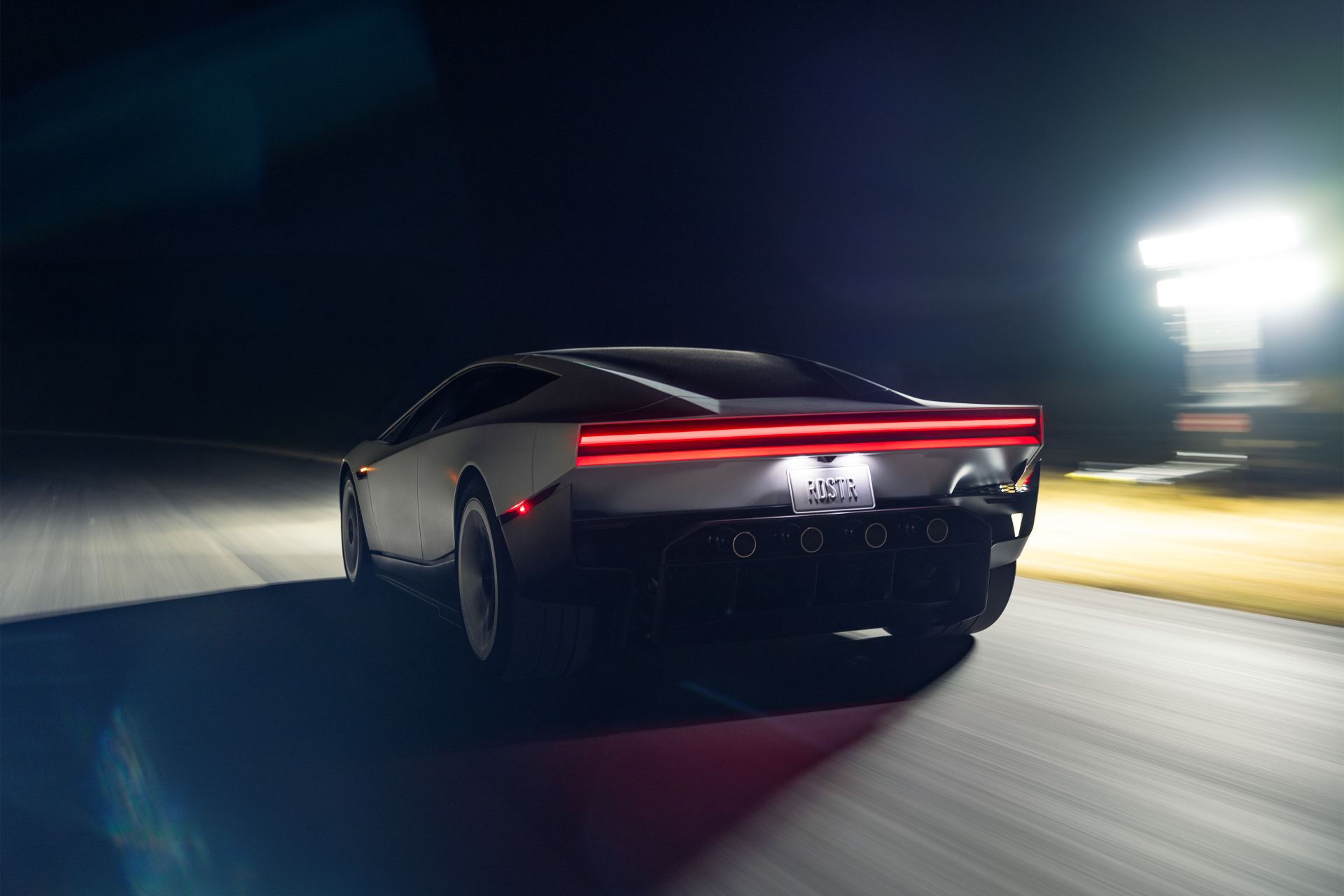
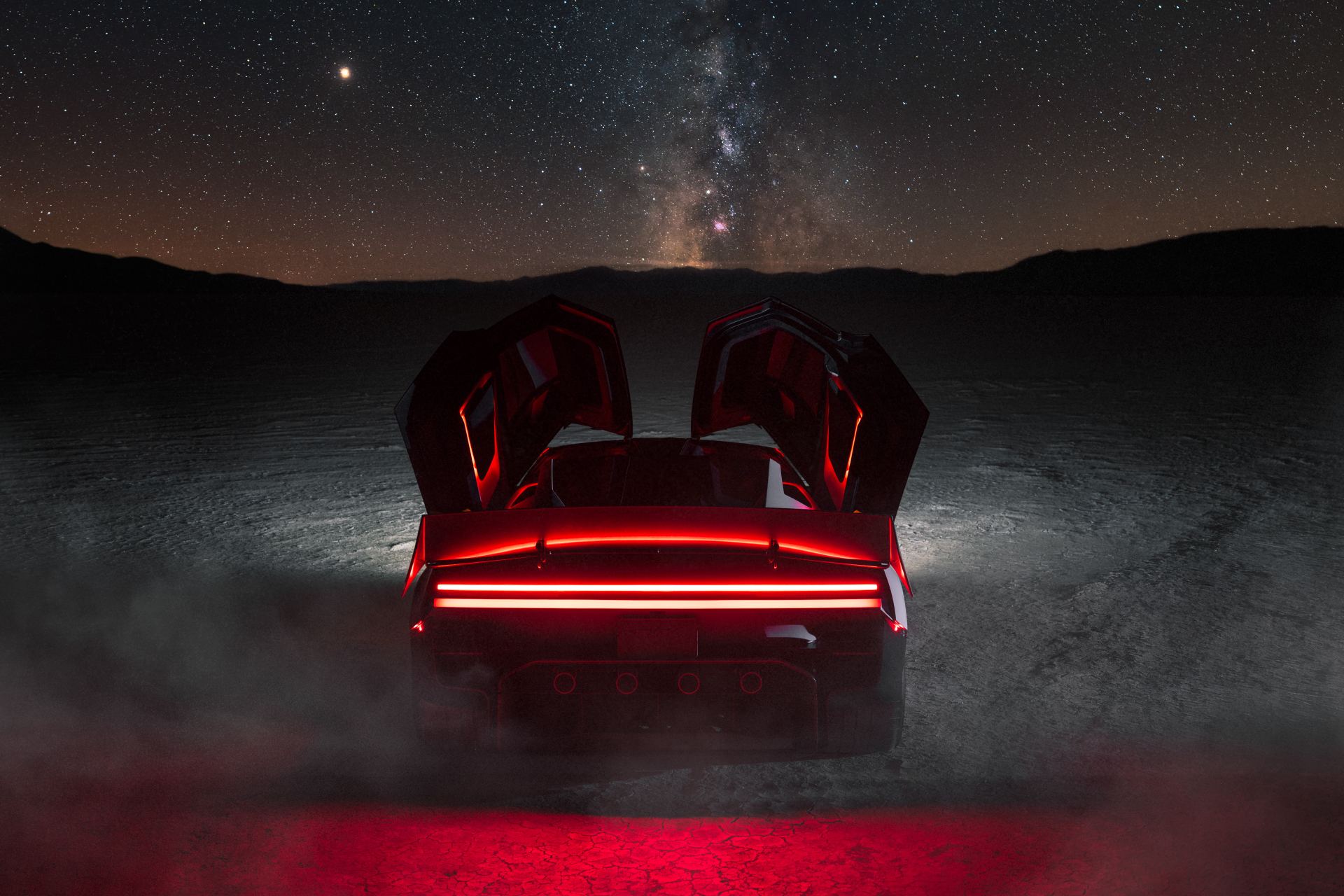
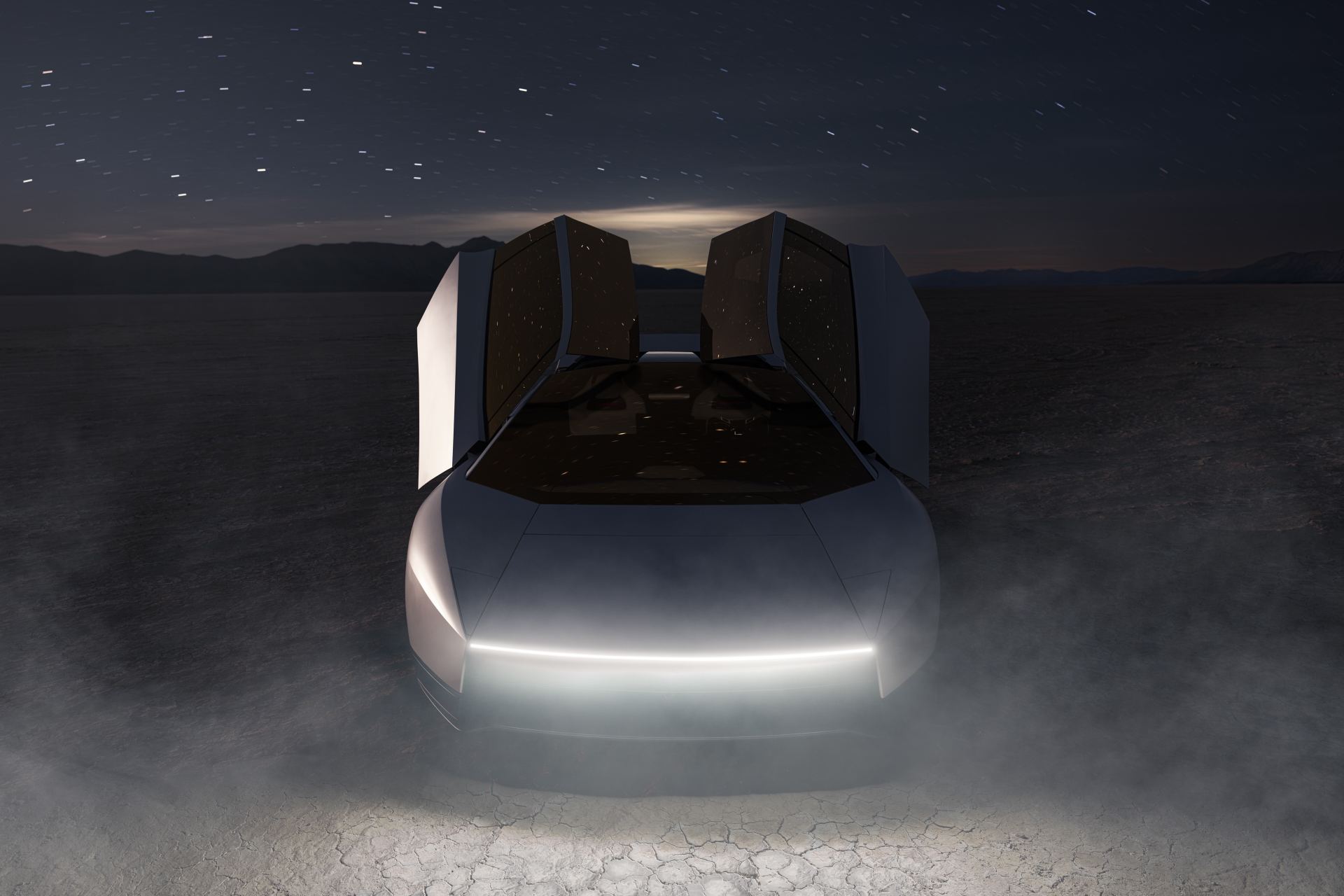
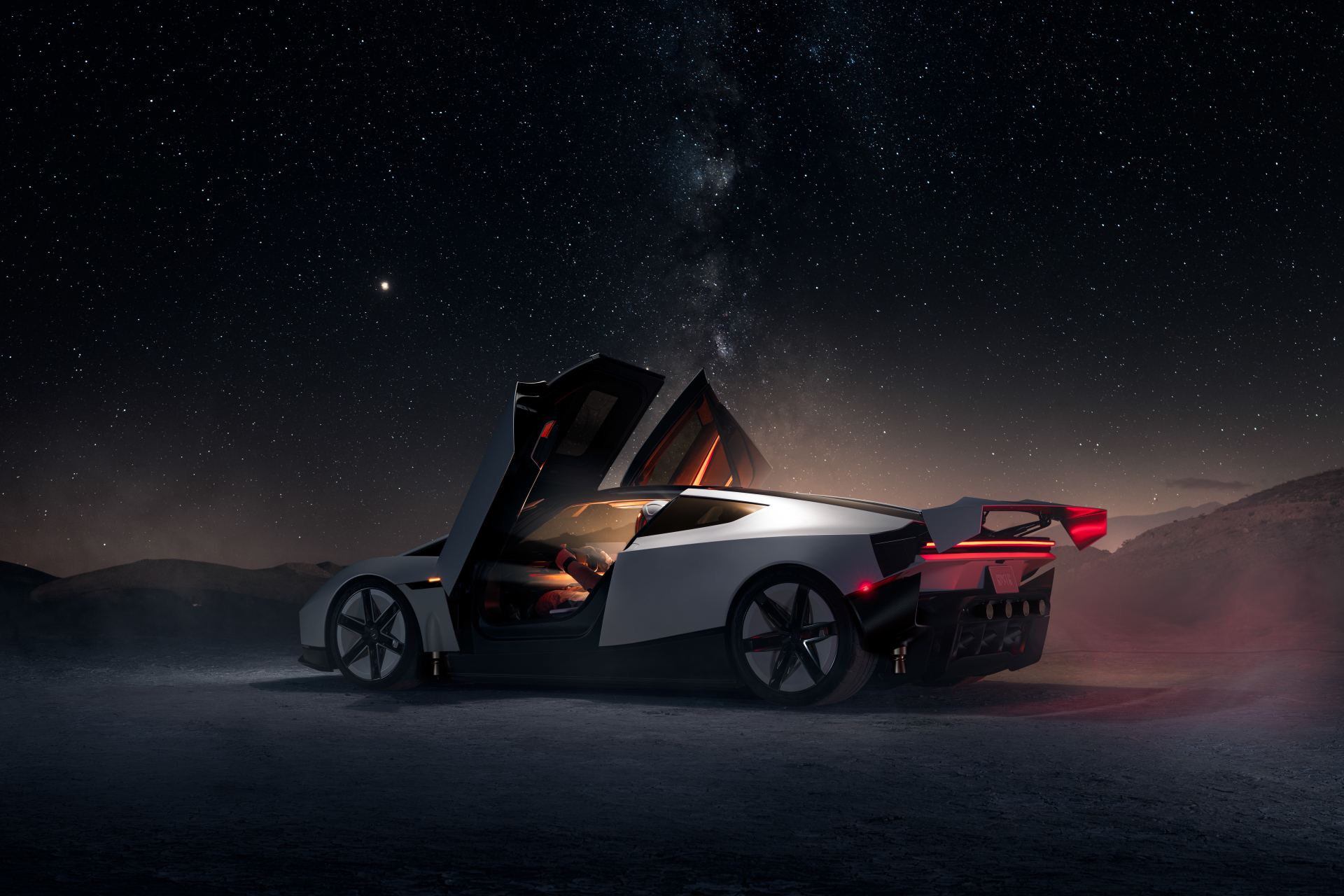
The production shape is far more angular than the 2017 concept. Tesla says it was inspired by the SR-71 reconnaissance aircraft and the F-35, and it was shown in a stark white finish with wedge surfacing that has drawn comparisons to the Lotus Esprit and to modern Lamborghinis. Underneath sits an aluminium and carbon-fibre chassis with active aerodynamics throughout, retractable dual-mode rear fans, carbon-ceramic brake rotors and a charge port hidden behind the rear wing. Access is through butterfly doors whose upper glass sections lift out to leave a T-top.
Interior and Seating
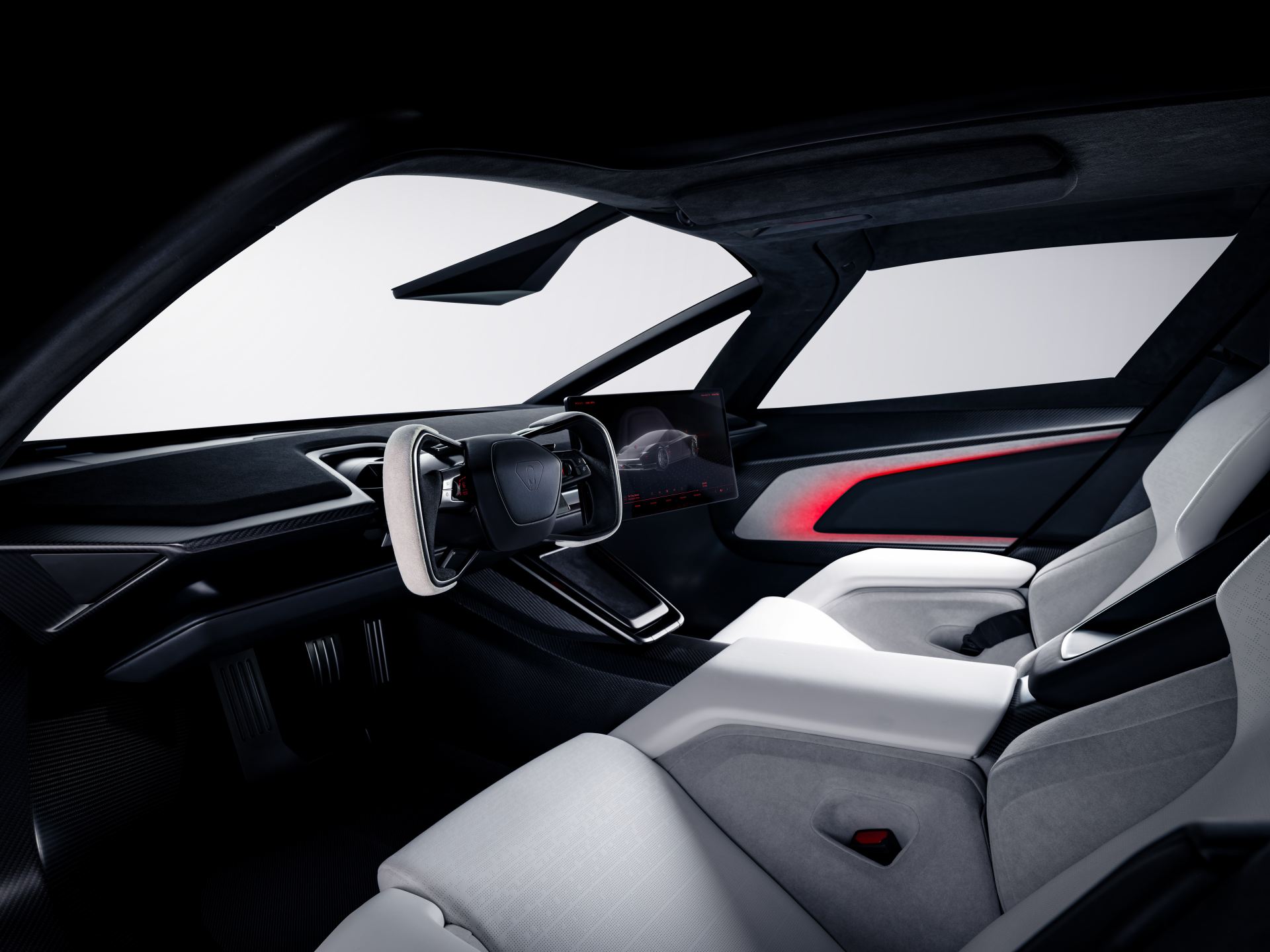
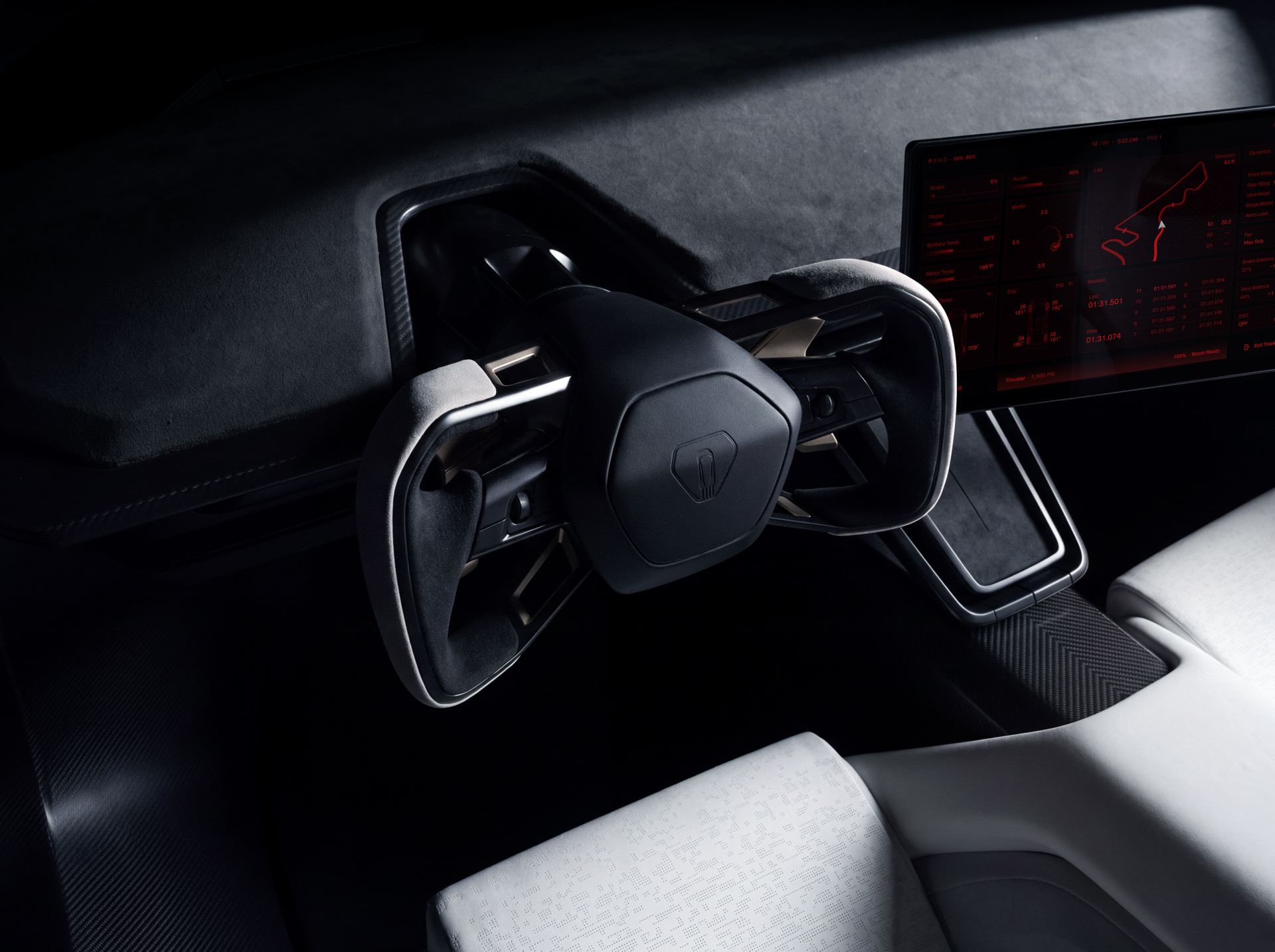
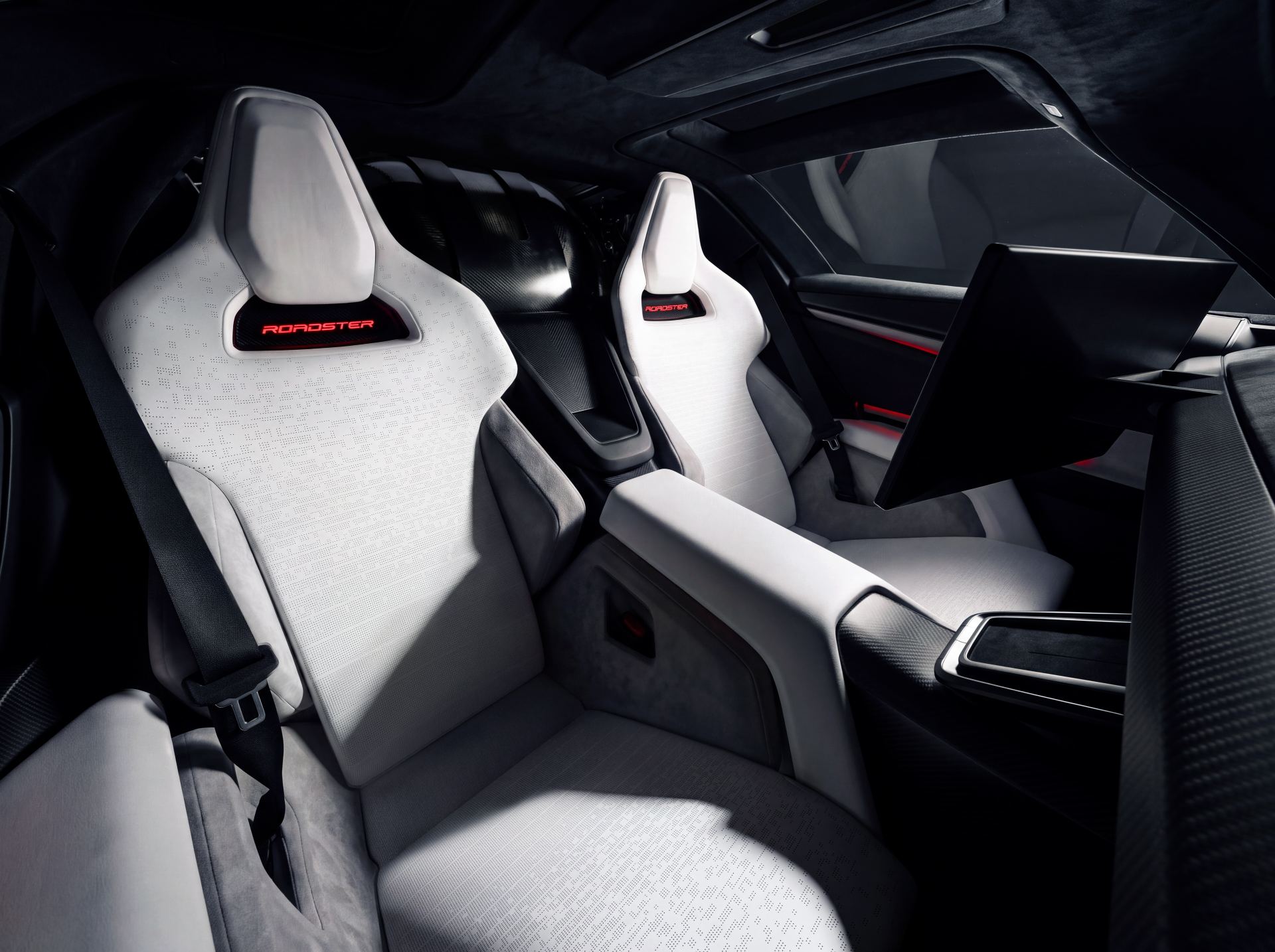
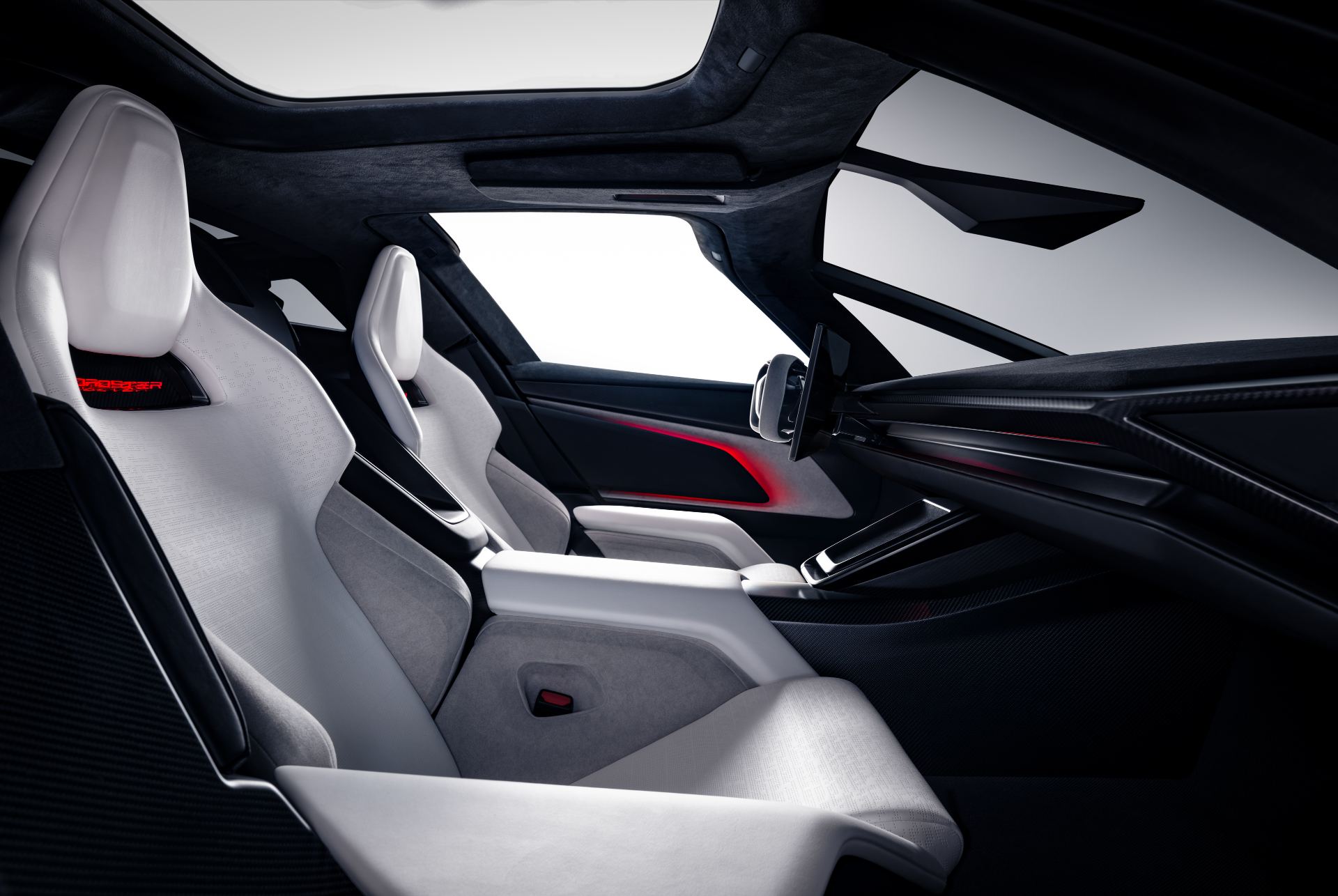
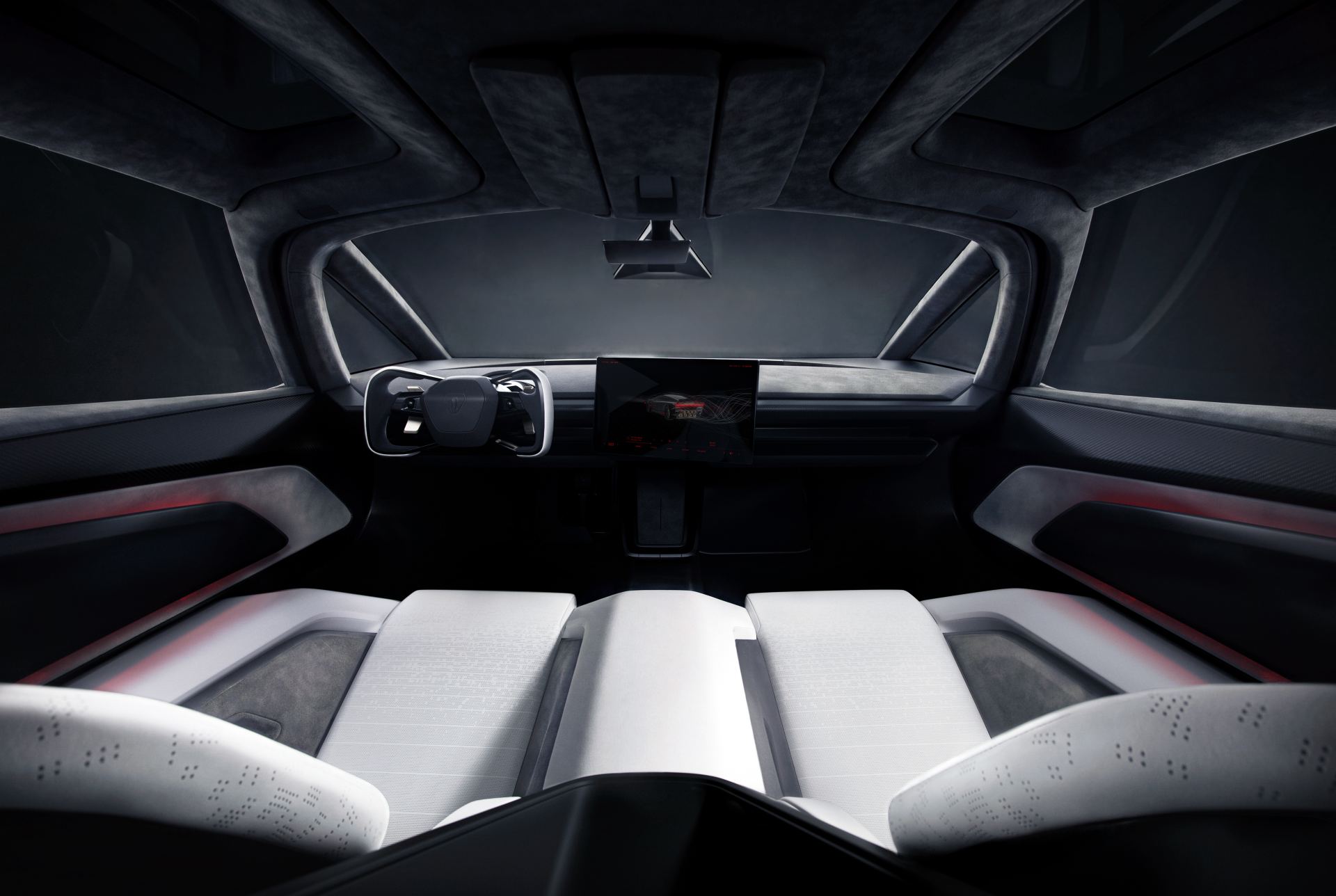
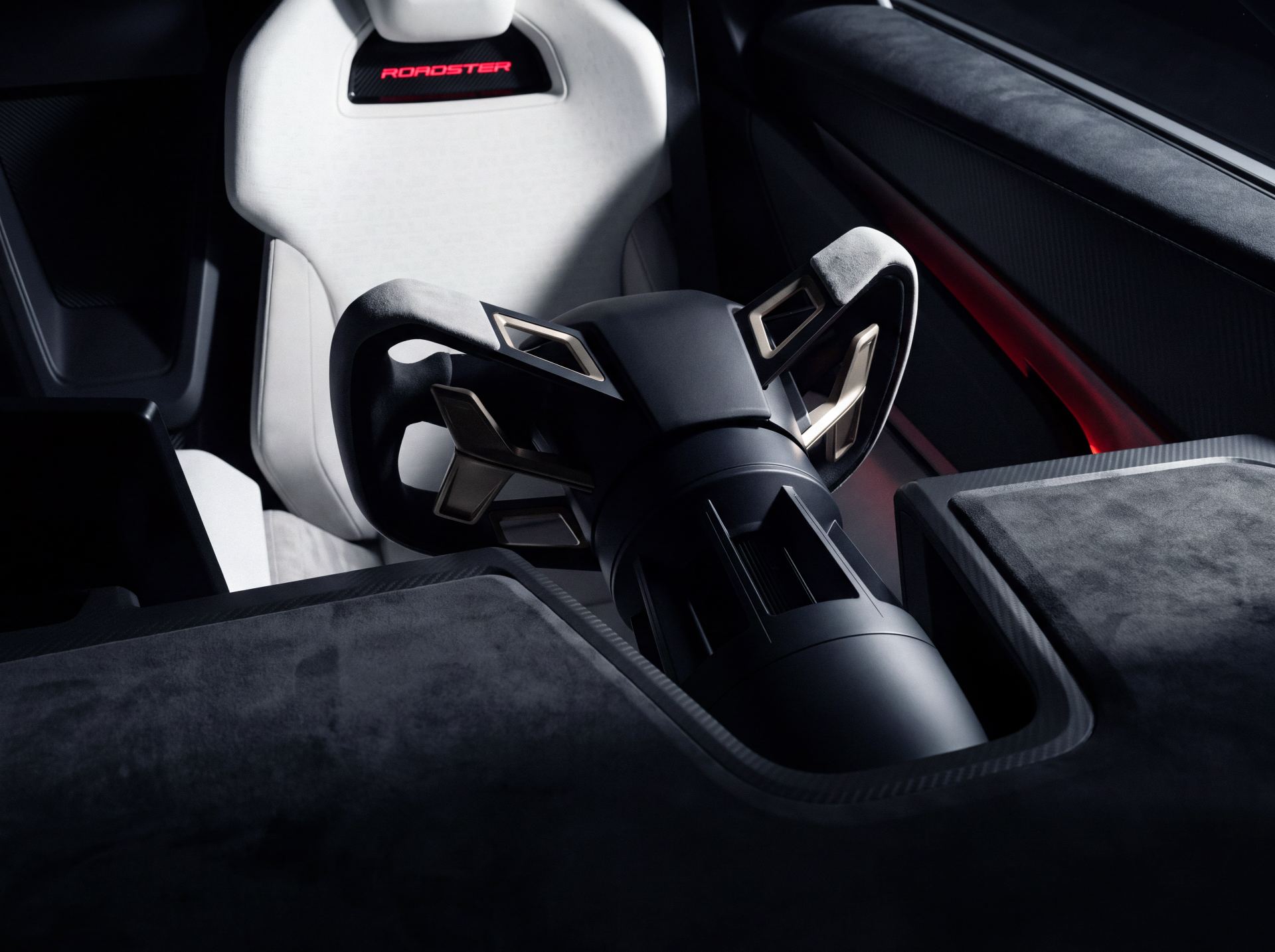
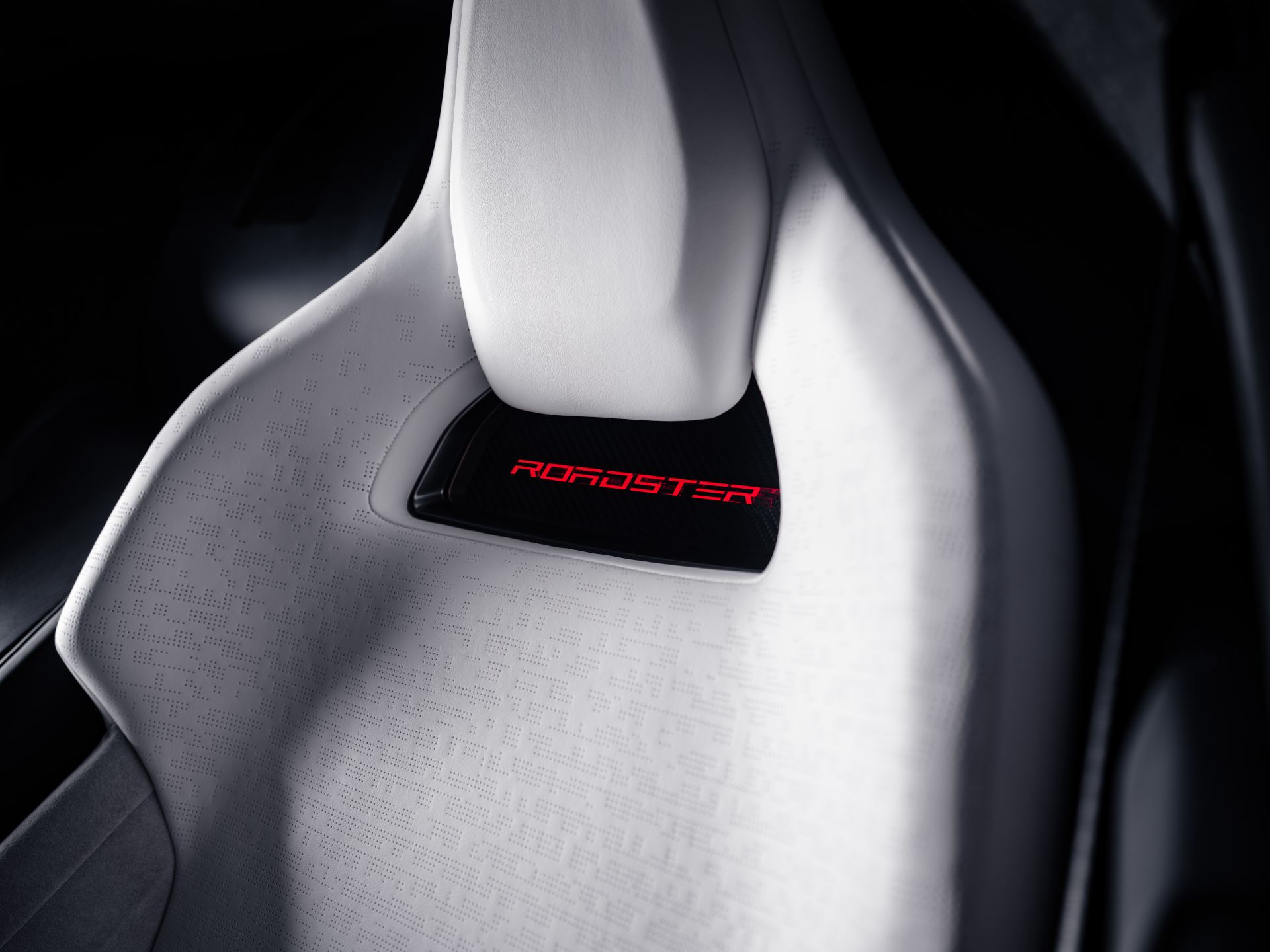
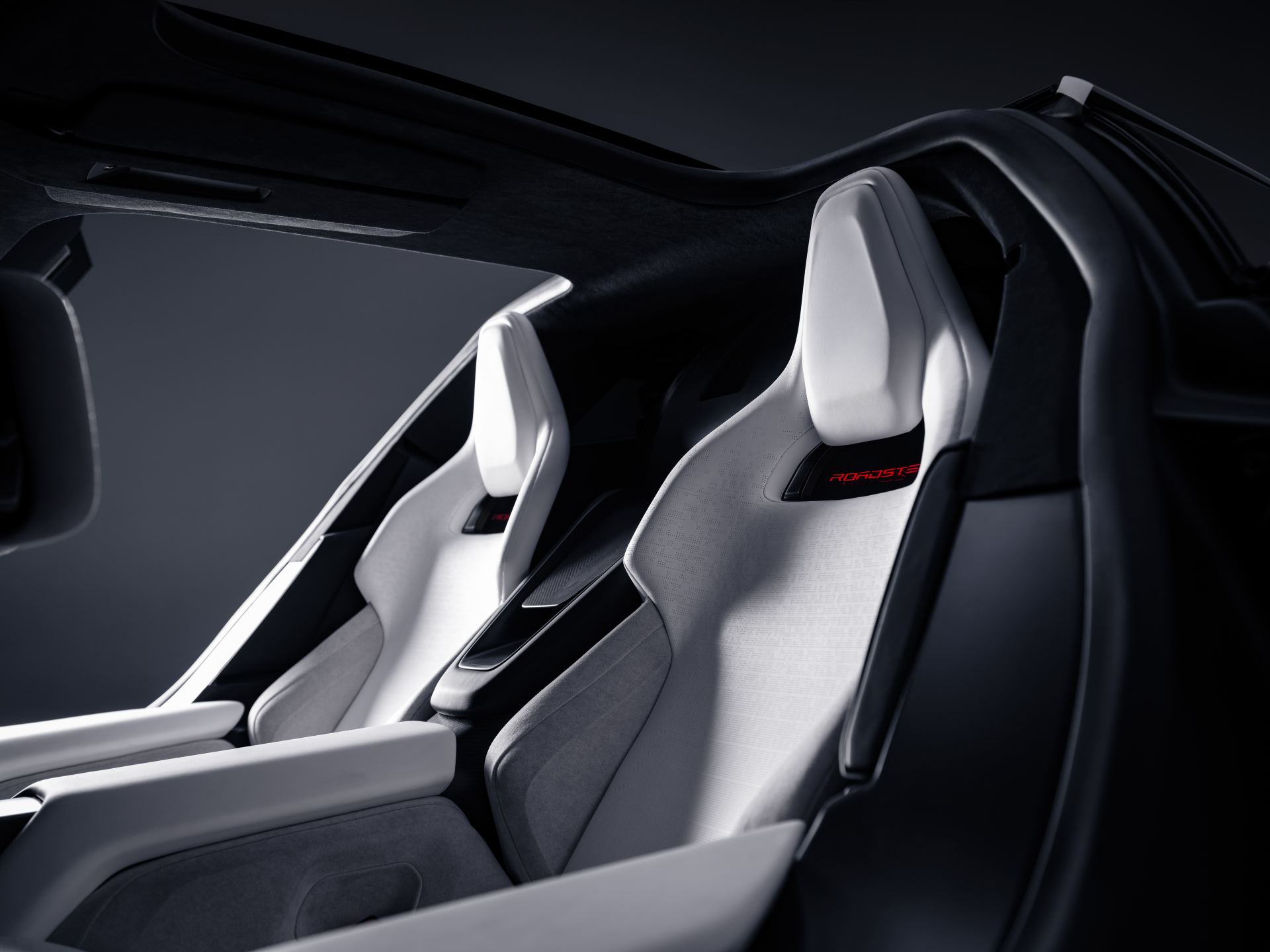
Tesla has shown very little of the cabin and published no interior specification. What is confirmed is the layout: two seats in the Performance and Thrust, a single central seat in the Rocket. The car uses steer-by-wire and brake-by-wire, so there is no mechanical linkage between the controls and the wheels or brakes, and the removable glass roof panels turn it into an open car without a folding mechanism. Practicality is limited by the hardware rather than the packaging: on the Thrust, the trunk is substantially taken up by the 200-litre pressurised air tank and its feed pipes. Expect Tesla to detail the cabin closer to production rather than now.
What It Means for Buyers
This is a halo car, and Tesla is open about it. Morningstar analyst Seth Goldstein expects volume of roughly 2,000 Roadsters a year against the 1.6 million vehicles Tesla sold last year, and Musk has previously called the programme a small potato situation financially, repeating at the reveal that he is not sure it moves the needle from a revenue standpoint. The practical risk for a buyer is the structure of the offer: a $50,000 or $250,000 payment against a car with no announced price, a 2028 production target from a programme that has already missed five, and a headline feature that depends on compressed-air hardware with no established regulatory status. Musk also said plainly that safety is not the main goal and that anyone prioritising it should not buy the car. Anyone weighing a deposit against an electric performance car they can actually order today can compare the alternatives side by side in the meantime.
- ✓Genuine supercar power claims, over 1,341 hp on the higher versions
- ✓500 kW charging with a claimed 15-85% in about 10 minutes
- ✓Lightweight aluminium and carbon-fibre chassis at about 3,700 lb
- ✓Butterfly doors with removable glass roof panels for open-air driving
- ✓Hardware and engineering no rival is currently attempting
- ✕No announced price, only deposits of $50,000 and $250,000
- ✕Production not due until 2028, after five missed targets since 2020
- ✕Claimed range of about 310-320 miles, roughly half the 620 miles promised in 2017
- ✕Thruster tank takes two to six hours to recharge, and has no clear road-legal status
- ✕Musk stated that safety is not the main goal for this car
Common Questions
Can the Tesla Roadster really fly?
It can leave the ground briefly, which is not the same thing. Cold-gas thrusters fed by compressed air lift, rotate and settle the car for a few seconds, and the single-seat Rocket version carries ten thrusters and what Tesla calls a full flight system. The air tanks then need hours to recharge, the demonstrations were staged on a closed SpaceX site, and Tesla has not explained how or where any of it would be legal on public roads. Expect hops and hovering, not travel.
How much does the Tesla Roadster cost?
Tesla has not announced a price. At the 15 October 2026 reveal it opened reservations only: $50,000 for the Performance, $250,000 for the Thrust, and invitation-only access to the Rocket. Those are deposits applied towards an eventual purchase, not the cost of the car. The last price Tesla quoted publicly was $200,000, back in 2017, and the company has not confirmed it still stands.
When will the Tesla Roadster be released?
Musk said production begins in 2028, in Texas. That follows missed delivery targets in 2020, 2021, 2023, 2024 and 2025, so the date is best treated as a target rather than a commitment. The reveal itself was pushed from 1 October 2026 to 15 October because of weather.
What is the Tesla Roadster range?
Tesla representatives have indicated around 310 to 320 miles in normal driving. That is about half the 620 miles Musk claimed for the 2017 concept, and it has not been verified by the EPA or measured on a production car. Tesla has not disclosed the battery capacity, describing only a bespoke nickel-based lithium-ion pack running at 800 to 1,000 volts.
Reservations are open now on Tesla website, with production targeted for 2028 and no price attached to any of the three versions. Until Tesla publishes a verified specification sheet, every figure above remains a manufacturer claim, and the gap between the 2017 promises and what was shown in Texas is the clearest guide to how much weight to give them. You can browse full specifications for cars you can buy today while the Roadster works through its next two years.