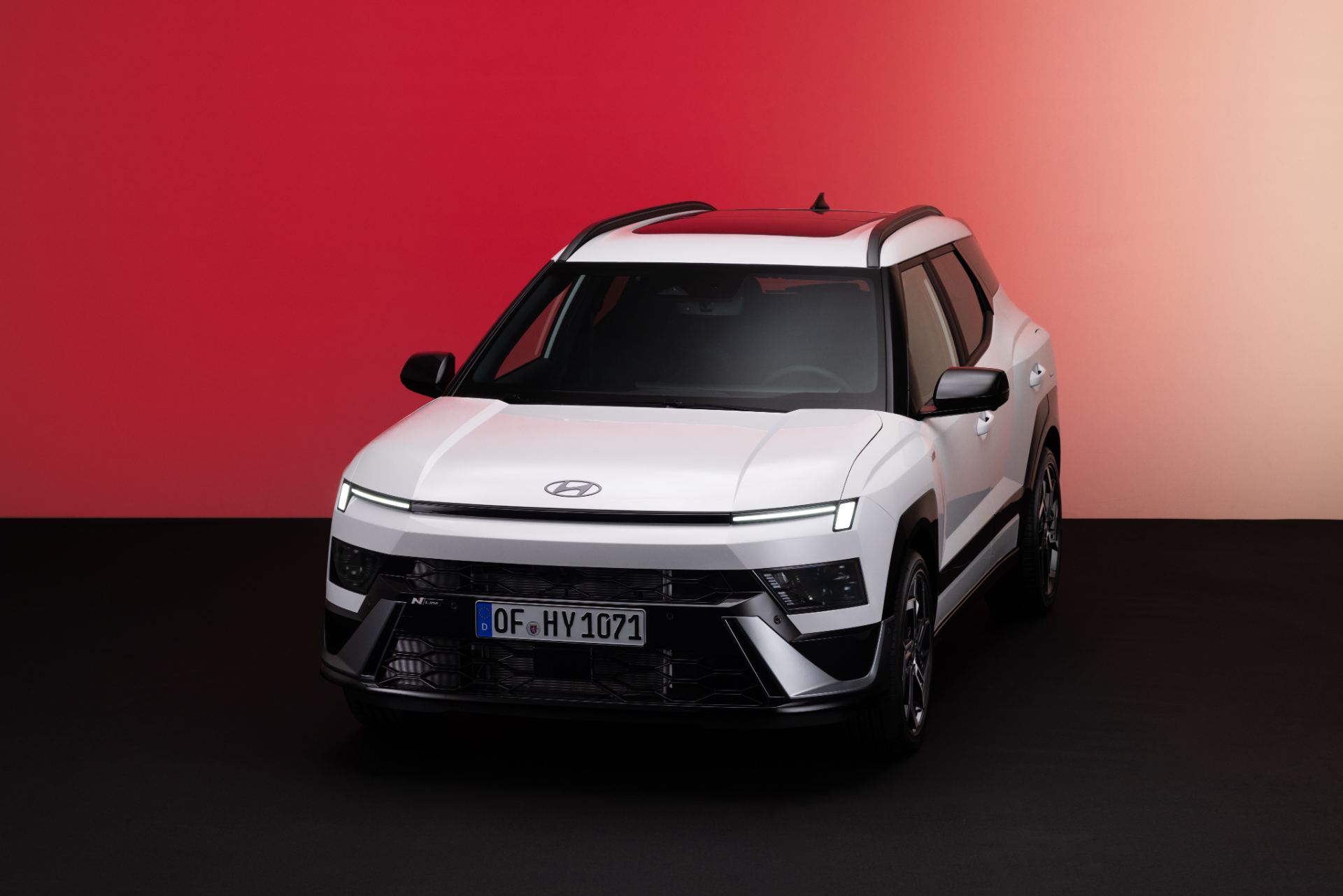
The second-generation Hyundai Bayon launches with two 1.0-litre turbo petrol engines of 90 PS and 115 PS, a 440-litre boot and a 138 PS full hybrid arriving in 2027. Hyundai revealed it at the Paris Motor Show on 12 October 2026, and it is the first Bayon offered as a full hybrid. The car grows to 4,245mm long on a 2,600mm wheelbase, and it is built at Hyundai Motor Türkiye for European markets. UK pricing, specification and an on-sale date have not been announced.
Context & Background
The original Bayon arrived in 2021 as Hyundai's smallest European crossover, slotting under the Kona, and it sold on price and warranty rather than on image. Its 2024 facelift simplified the range to a single 1.0-litre petrol and dropped the 48-volt mild-hybrid system, which left it looking thin against rivals moving the other way. This generation reverses that. The headline change is a proper full hybrid, which the Bayon has never had and which the Toyota Yaris Cross has been winning the segment with. Xavier Martinet, President and CEO of Hyundai Motor Europe, called the car "much more than an update", and on the specification alone that holds: it is bigger, better equipped and finally electrified.
2027 Hyundai Bayon Engines and Hybrid
At launch the range is petrol only: a 1.0-litre T-GDI three-cylinder in 90 PS or 115 PS form, each with a six-speed manual or a seven-speed dual-clutch automatic. Outputs across the whole line-up run from 66 kW to 101 kW and torque from 172 to 264.8 Nm, with front-wheel drive throughout. Top speed is 167 to 180 km/h and 0-100 km/h takes between 10.8 and 14.1 seconds depending on version, with the hybrid's figures still to be confirmed. That hybrid joins in 2027, pairing a 1.6-litre GDI engine with an electric motor and a six-speed dual-clutch automatic for 138 PS combined. It is a full hybrid, not a plug-in, so there is no charging and no meaningful electric-only range. Regenerative braking is adjusted through the steering-wheel paddles and has an adaptive mode that varies recuperation with driving conditions. Hyundai stresses that all energy and performance figures remain subject to homologation.
| Engine | Power | Gearbox | WLTP CO2 (target) | Availability |
|---|---|---|---|---|
| 1.0 T-GDI | 90 PS (66 kW) | 6-speed manual or 7-speed DCT | 139-149 g/km | From launch |
| 1.0 T-GDI | 115 PS | 6-speed manual or 7-speed DCT | 134-144 g/km | From launch |
| 1.6 GDI full hybrid | 138 PS (101 kW) | 6-speed DCT | 102-113 g/km | 2027 |
How Big Is the 2027 Bayon? Size and Boot Space
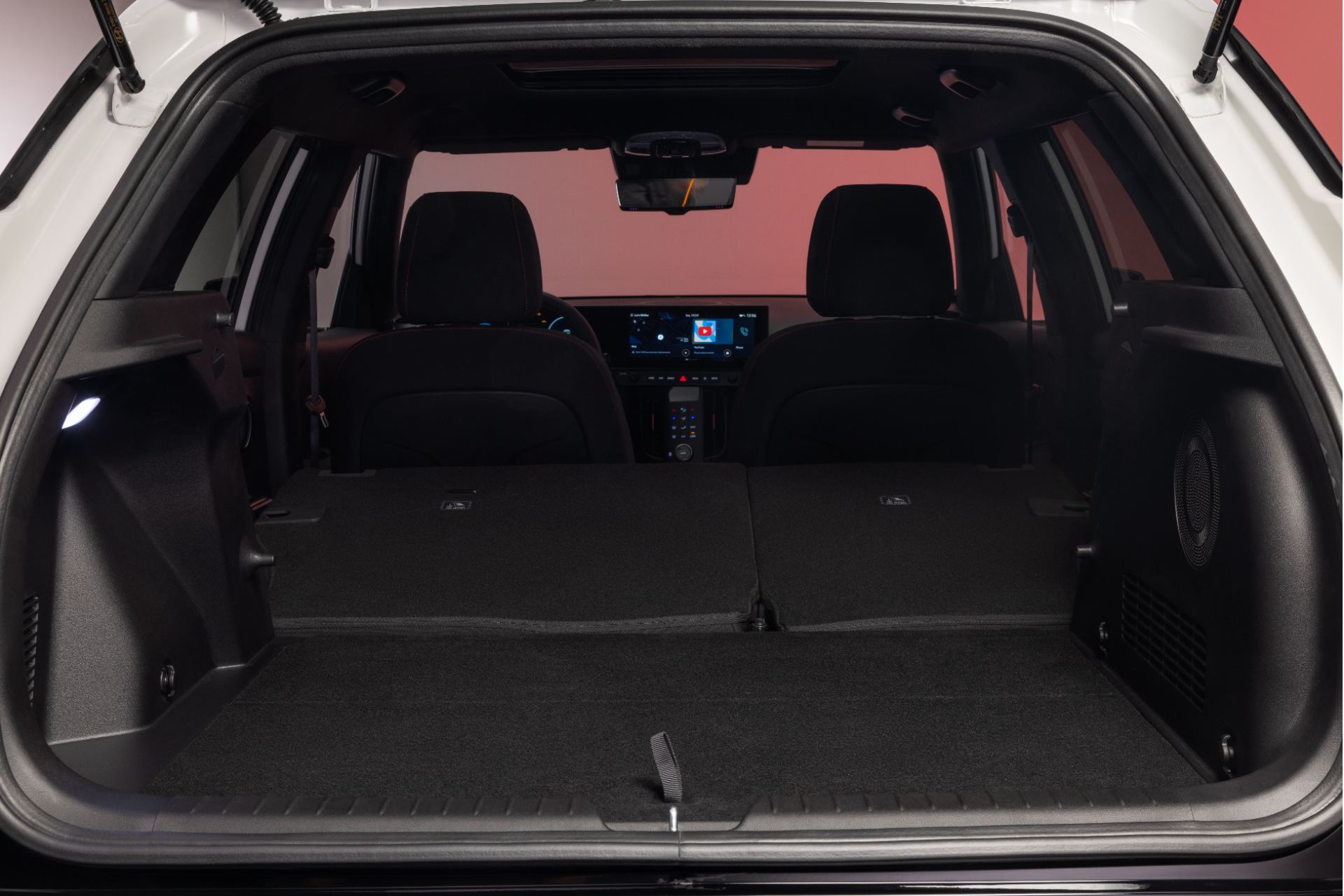
The new Bayon measures 4,245mm long and 1,810mm wide on a 2,600mm wheelbase, which makes it meaningfully larger than the outgoing car at 4,180mm. Height depends on both powertrain and wheels: 1,565mm or 1,570mm with roof rails on petrol models, and 1,555mm or 1,560mm on the hybrid. Hyundai claims best-in-class rear legroom and class-leading headroom and shoulder room front and rear, though it publishes no figures to support those claims. Luggage space is 440 litres on petrol models, up from 411 litres before, and the hybrid gives 43 of those litres back to its battery at 397 litres. That is a real difference rather than a rounding error, and it lands squarely in the area where the Bayon has traditionally beaten its rivals, so it is the central trade-off for anyone choosing between the two powertrains.
| Measurement | Figure |
|---|---|
| Length | 4,245 mm |
| Width | 1,810 mm |
| Wheelbase | 2,600 mm |
| Height with roof rails, petrol | 1,565-1,570 mm |
| Height with roof rails, hybrid | 1,555-1,560 mm |
| Boot capacity, petrol | 440 litres |
| Boot capacity, hybrid | 397 litres |
How Much Will the 2027 Bayon Cost?
Hyundai has not announced UK pricing, specification or fuel economy figures for the new Bayon, and the press release carries no prices for any market. No on-sale date has been confirmed for the petrol models either. The only honest reference point is the outgoing car, which started at around £22,480 for the entry Advance manual when the facelifted range launched in 2024. The new model is larger, considerably better equipped and gains a hybrid option, so a straight carry-over of that figure would be surprising, and the hybrid will sit well above the petrols whatever the entry price turns out to be. Expect UK numbers closer to launch rather than now.
Exterior
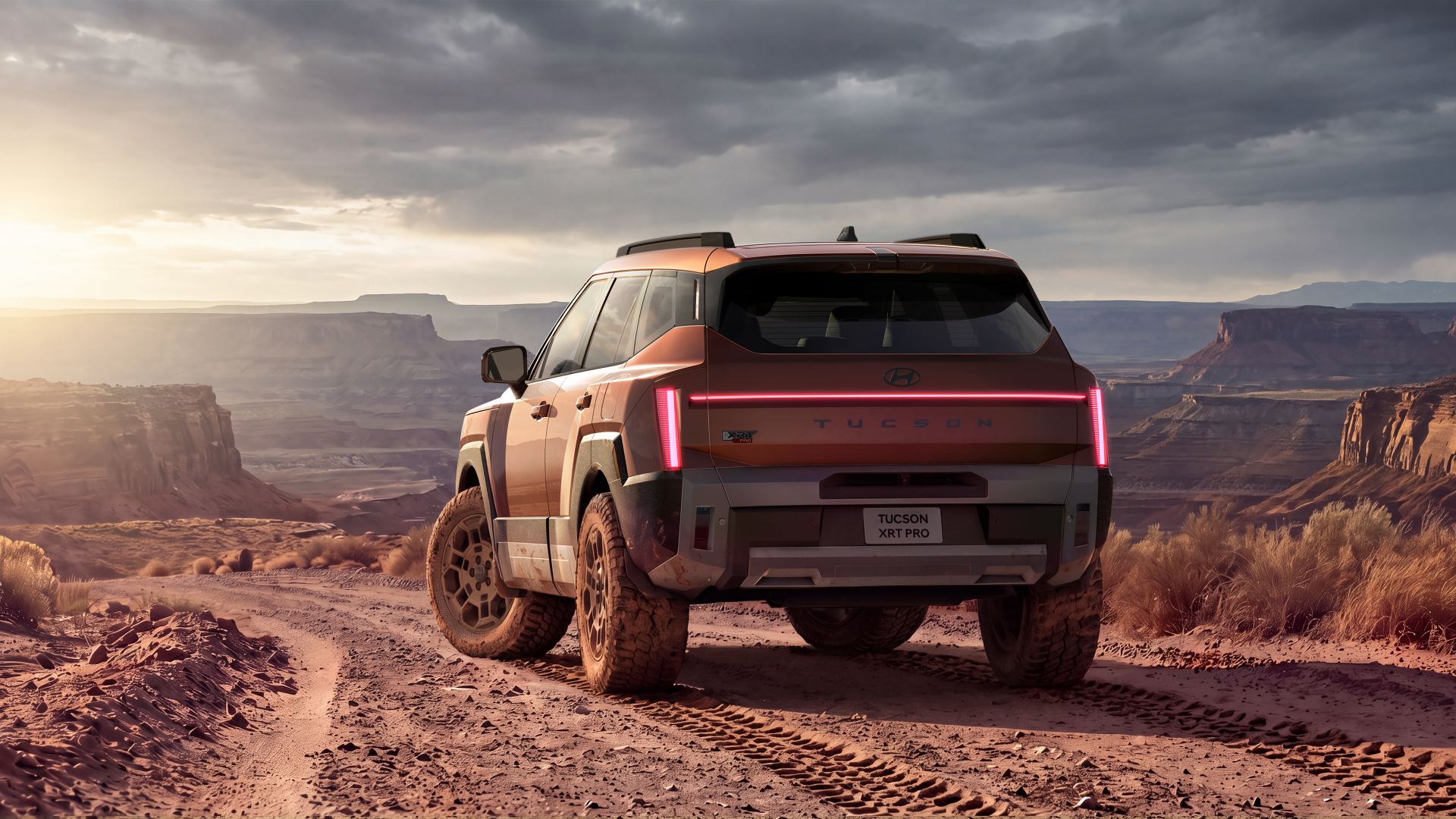
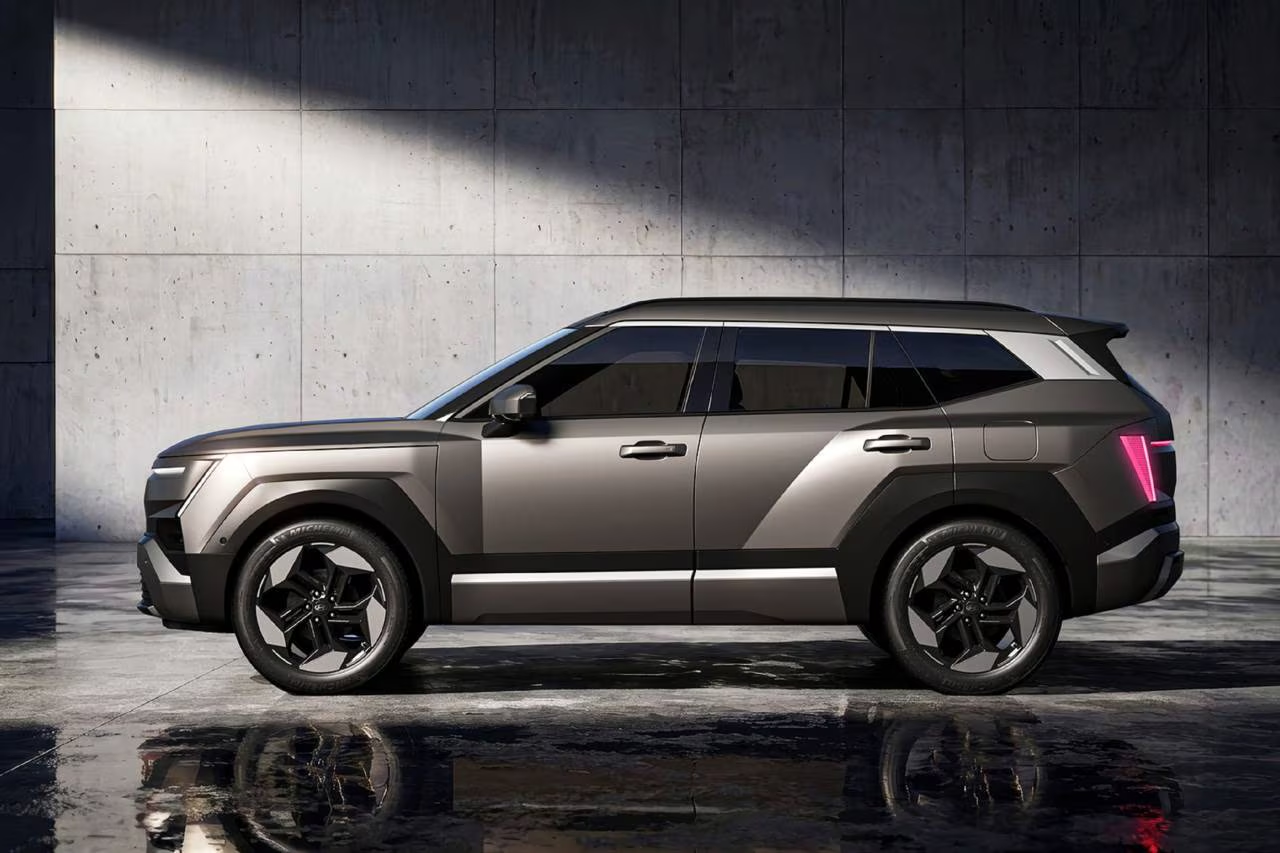
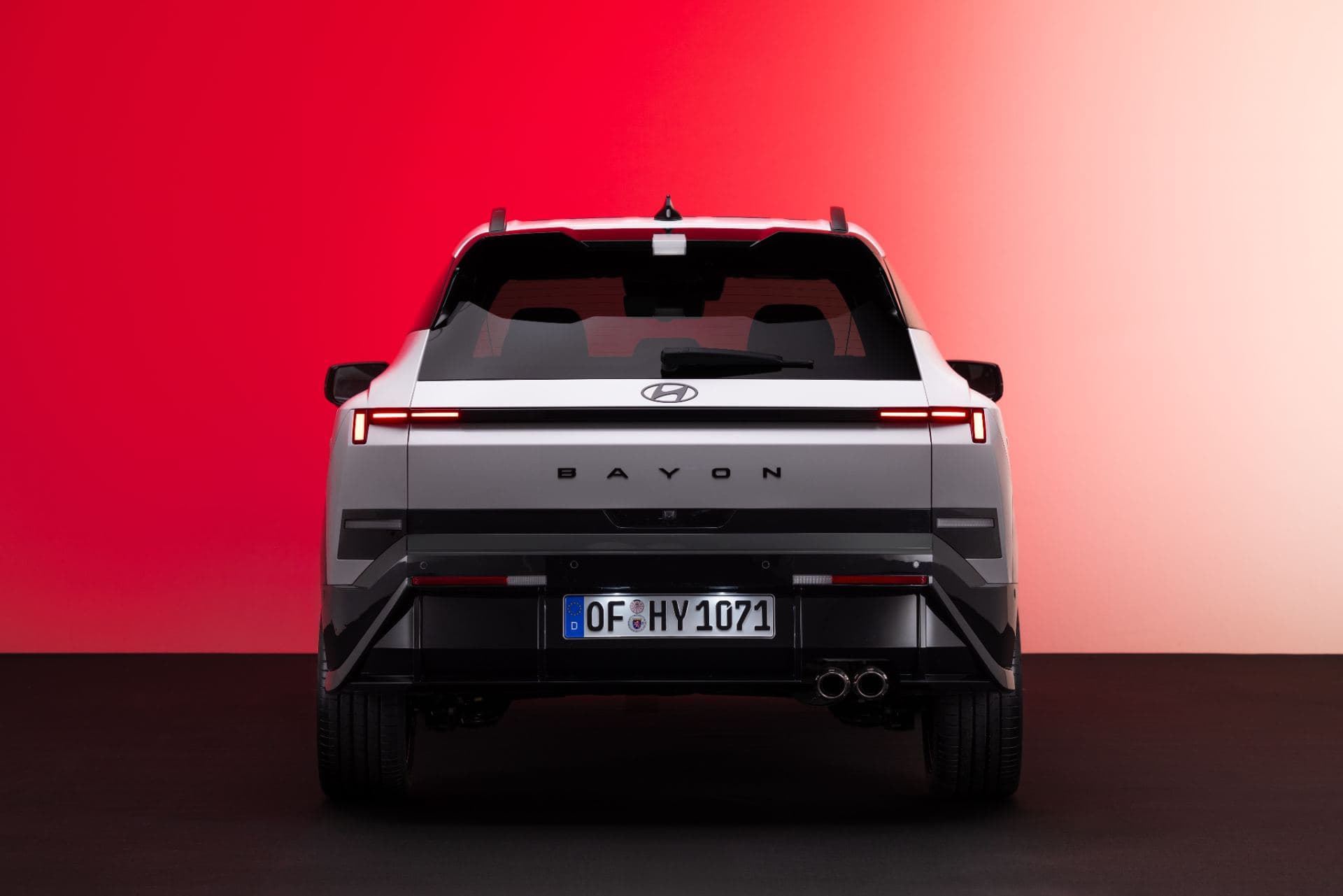
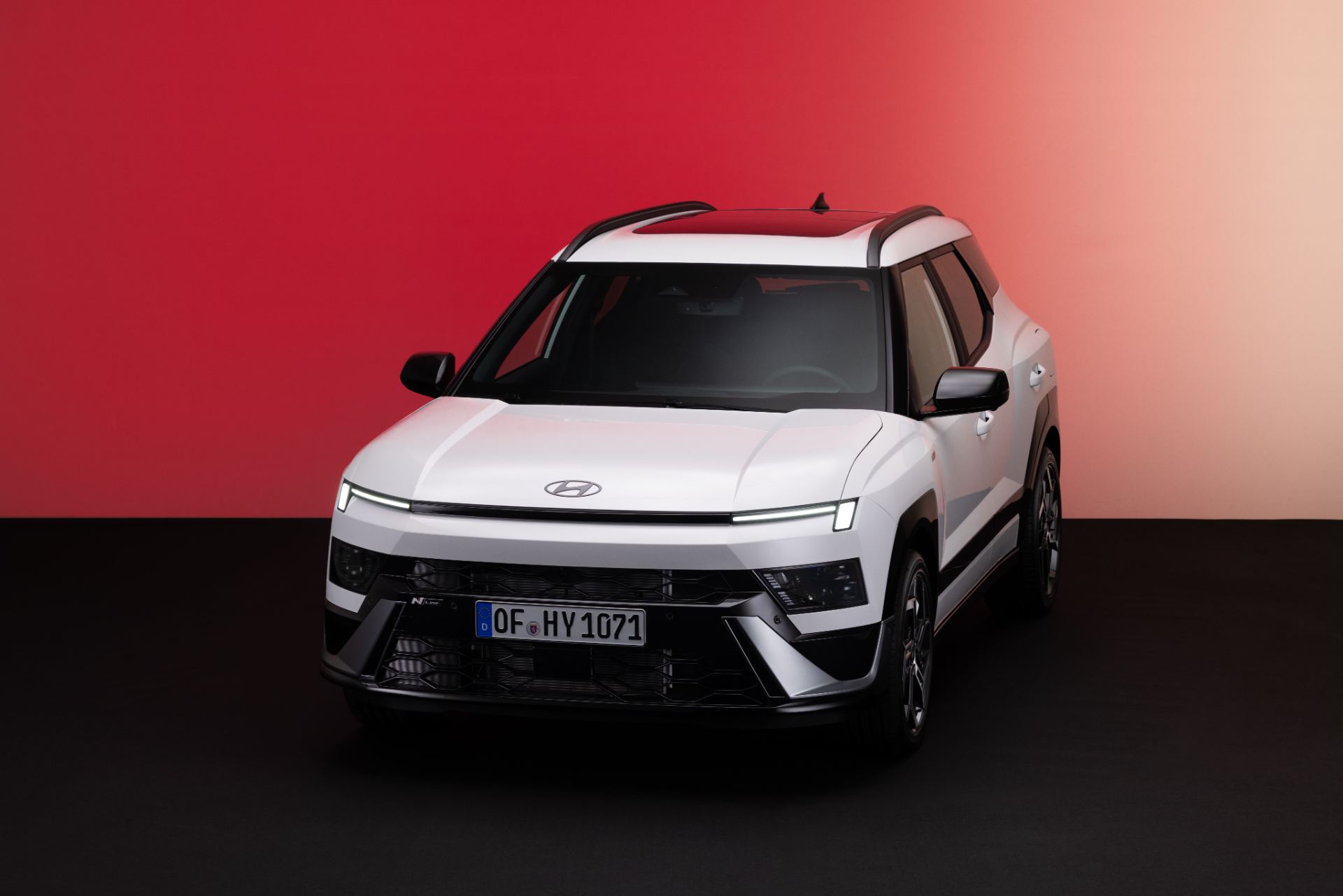
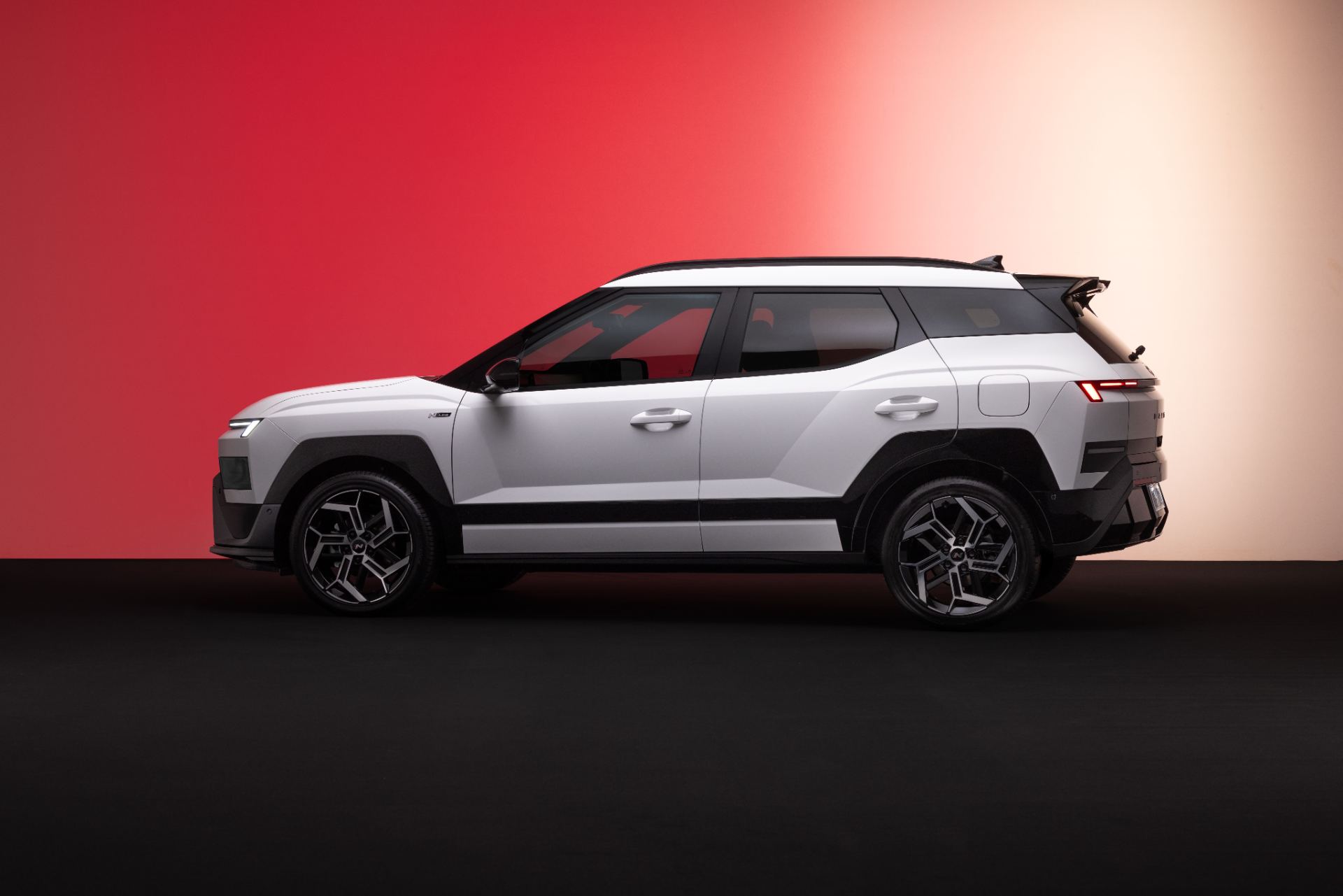
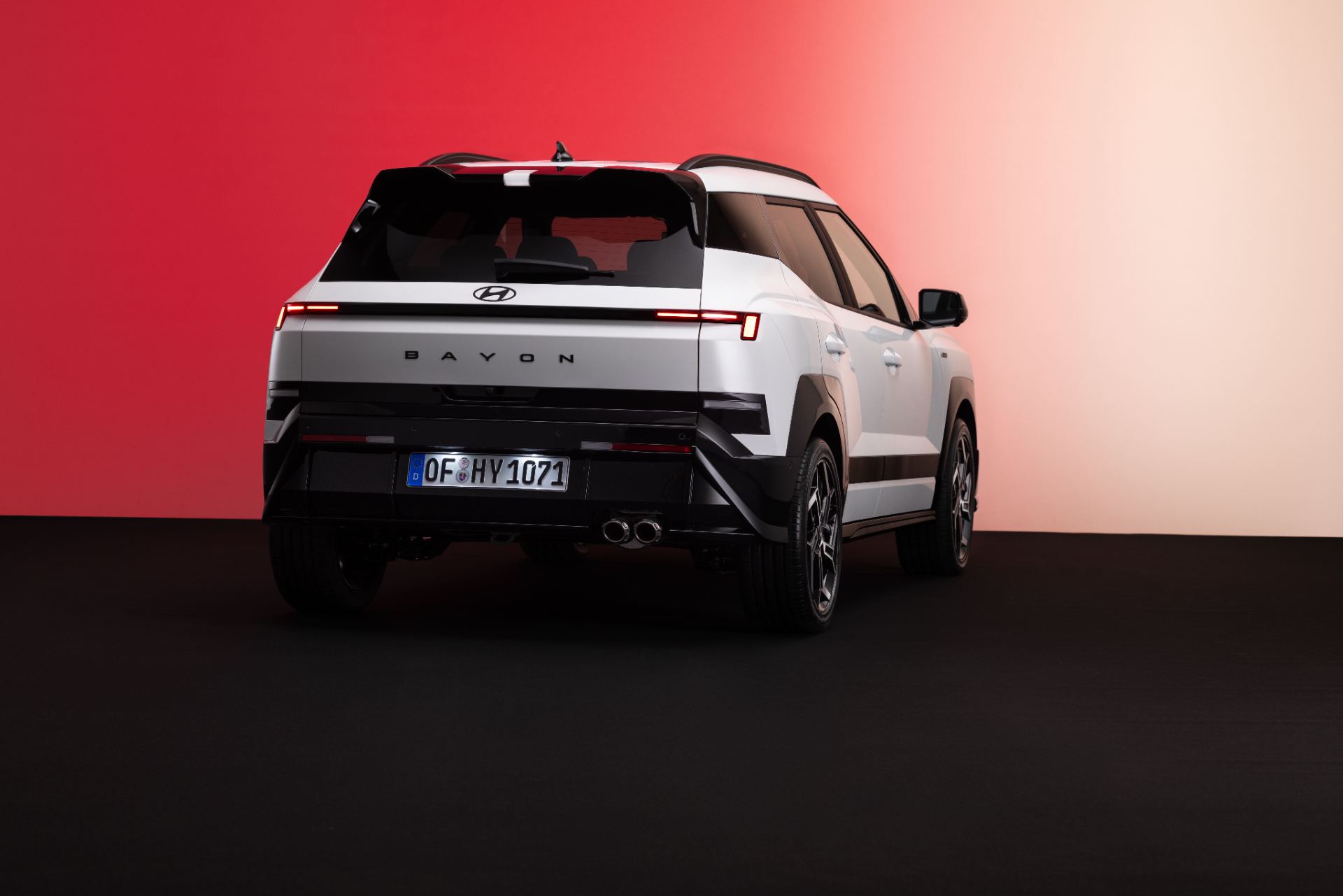
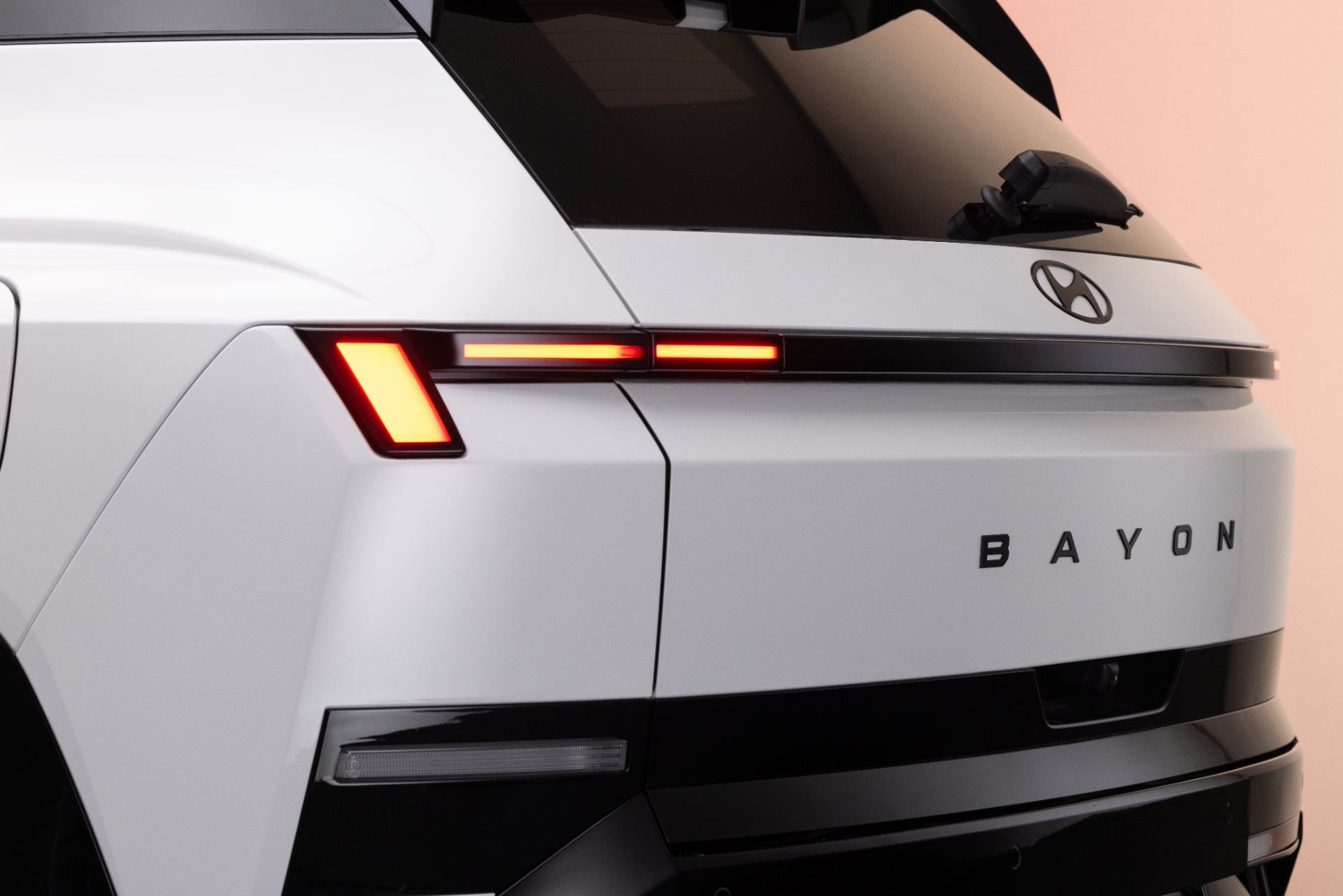
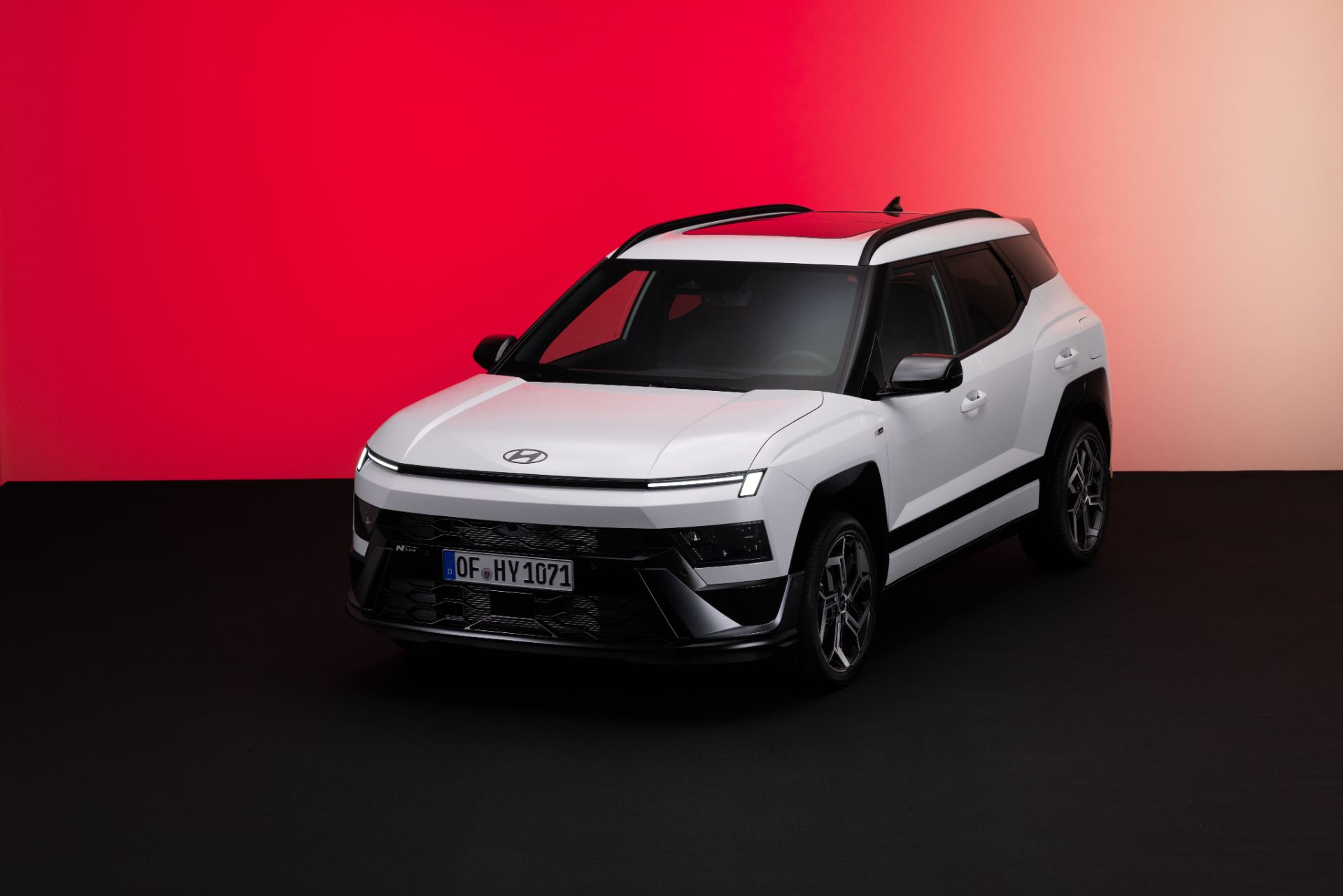
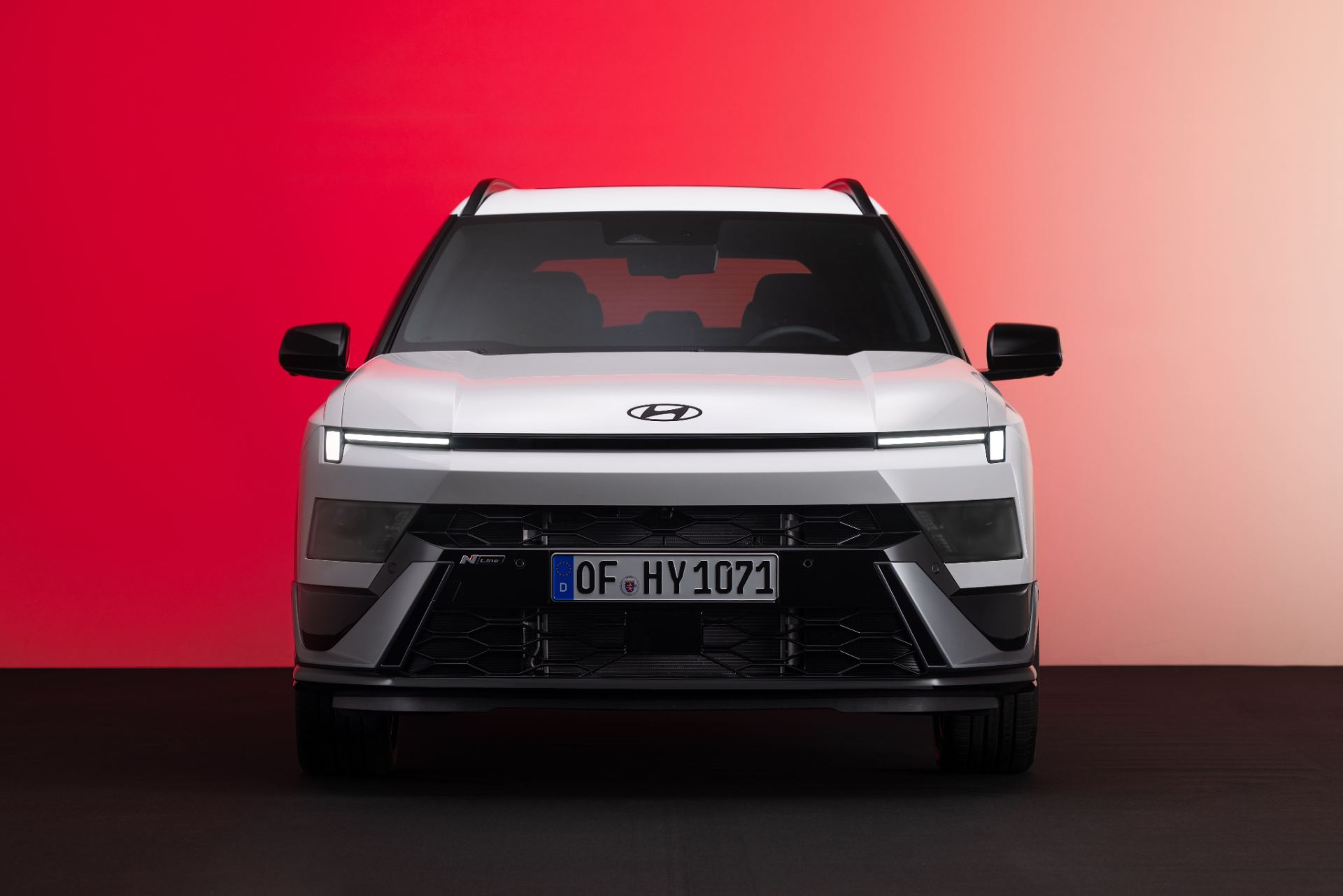
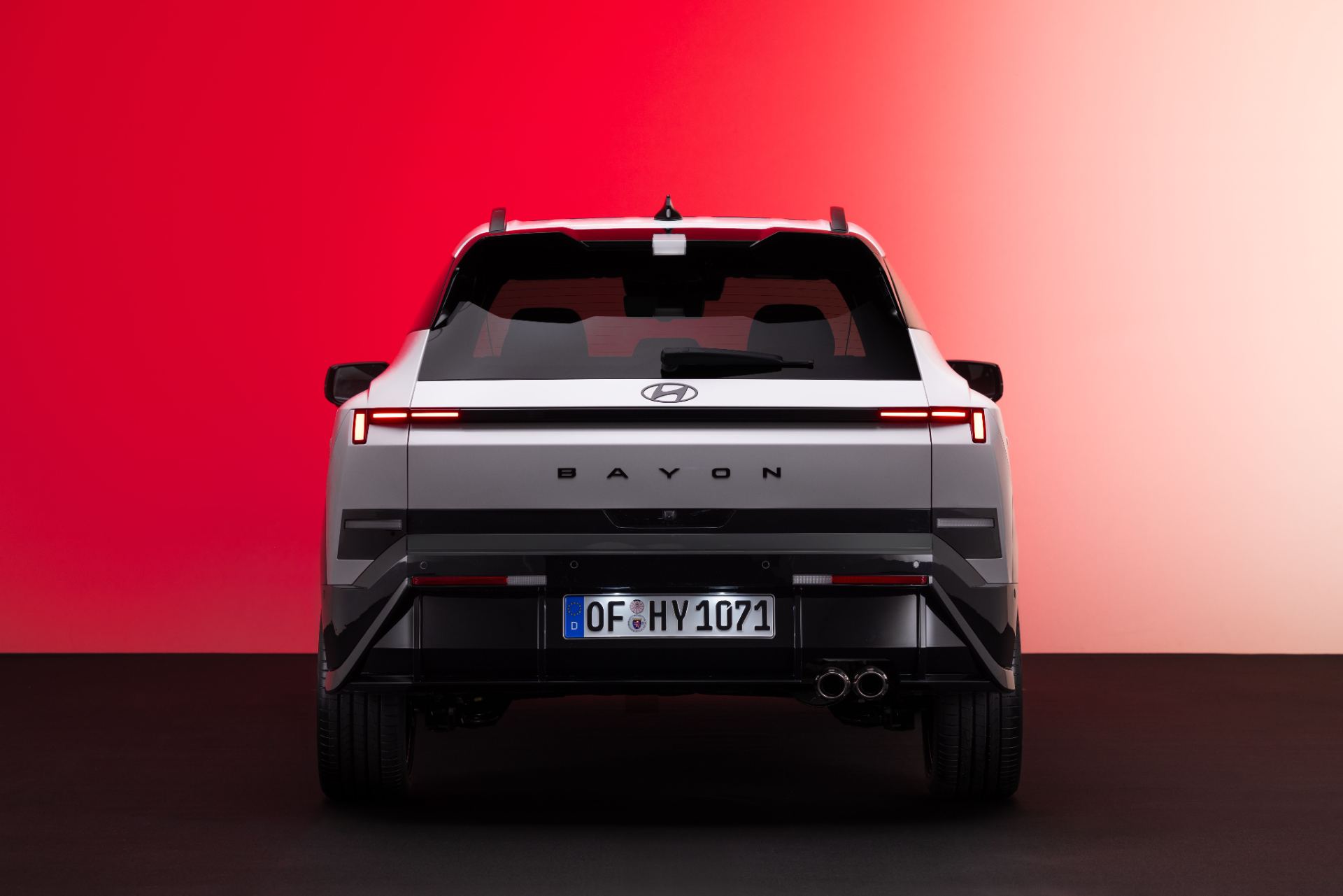
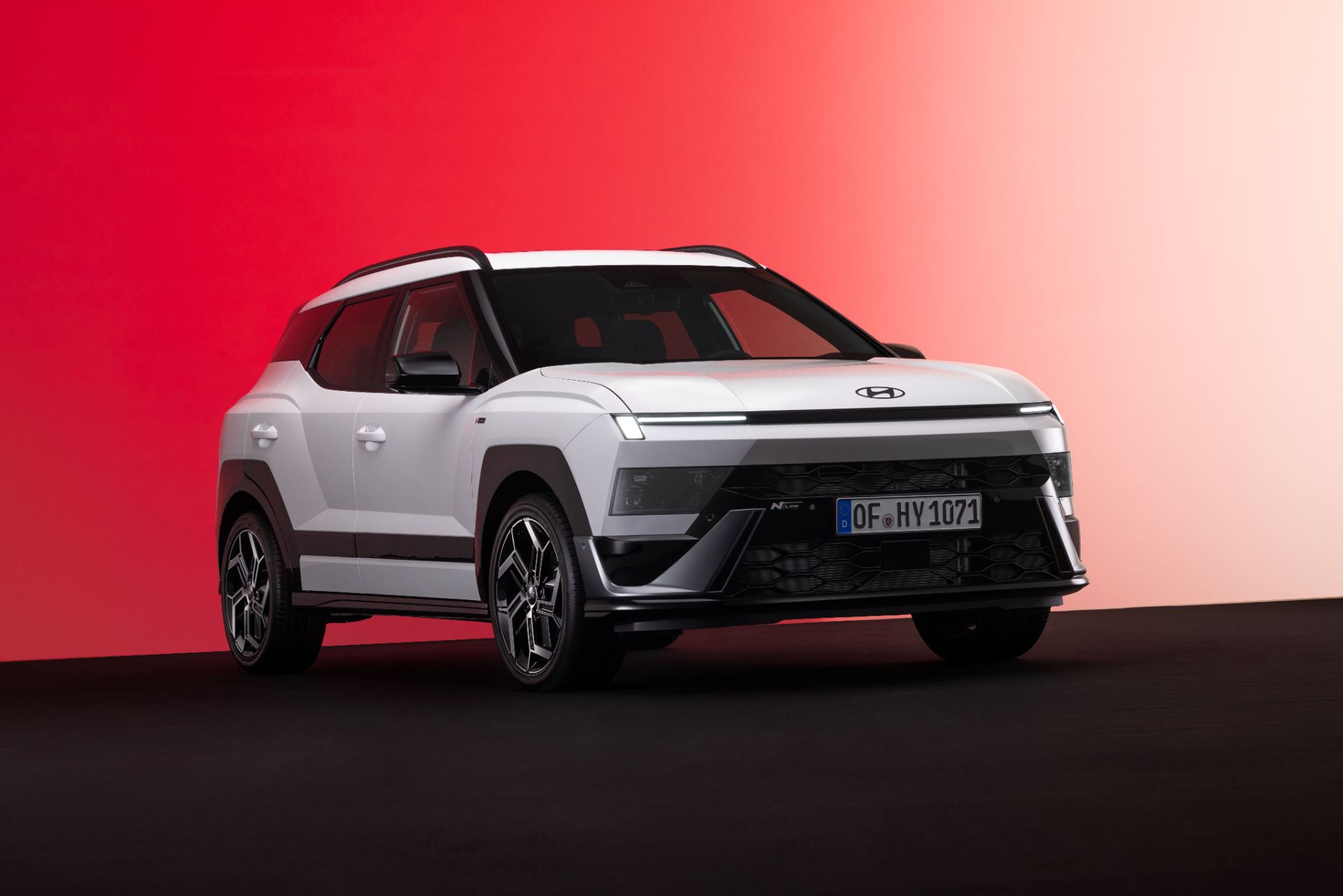
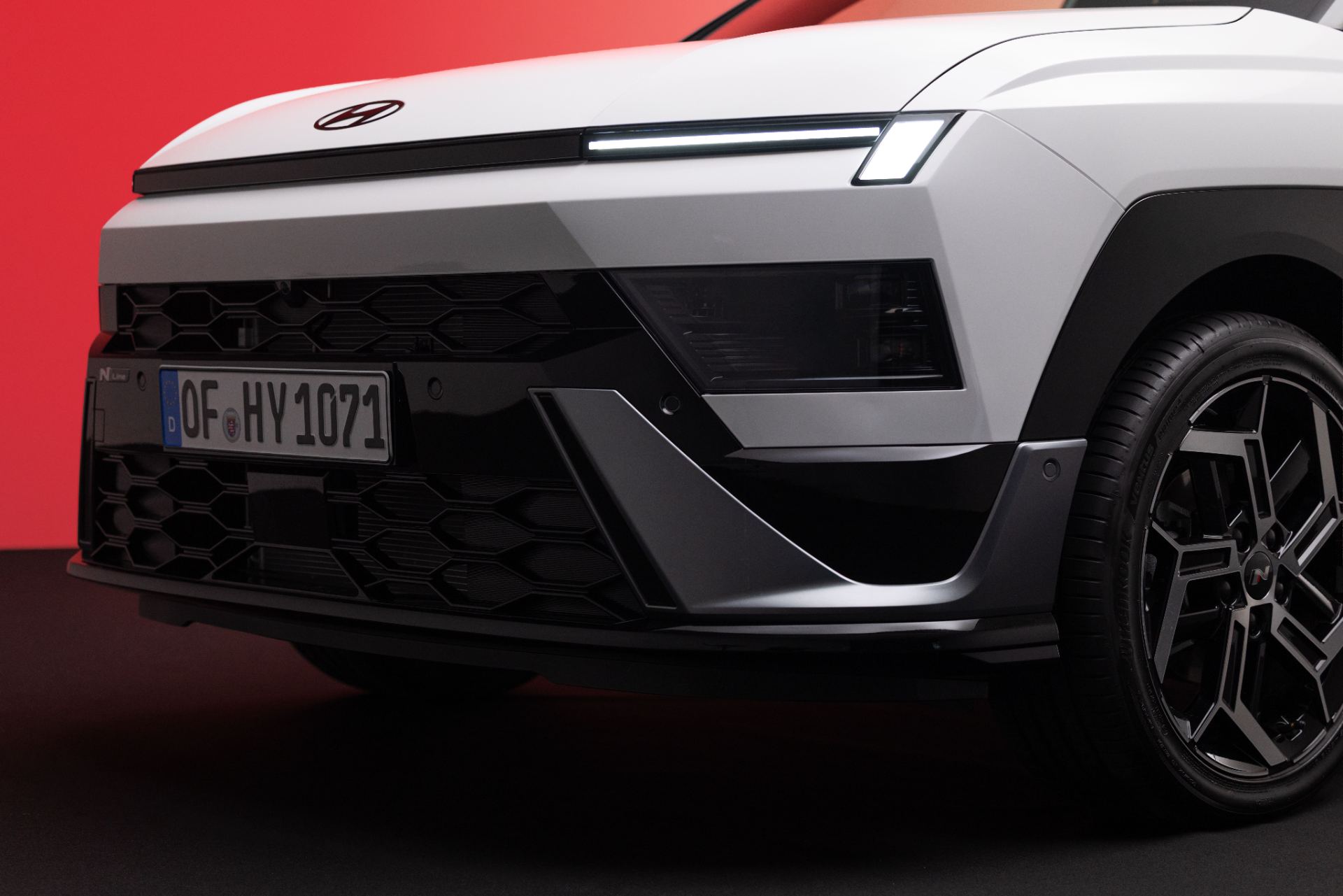
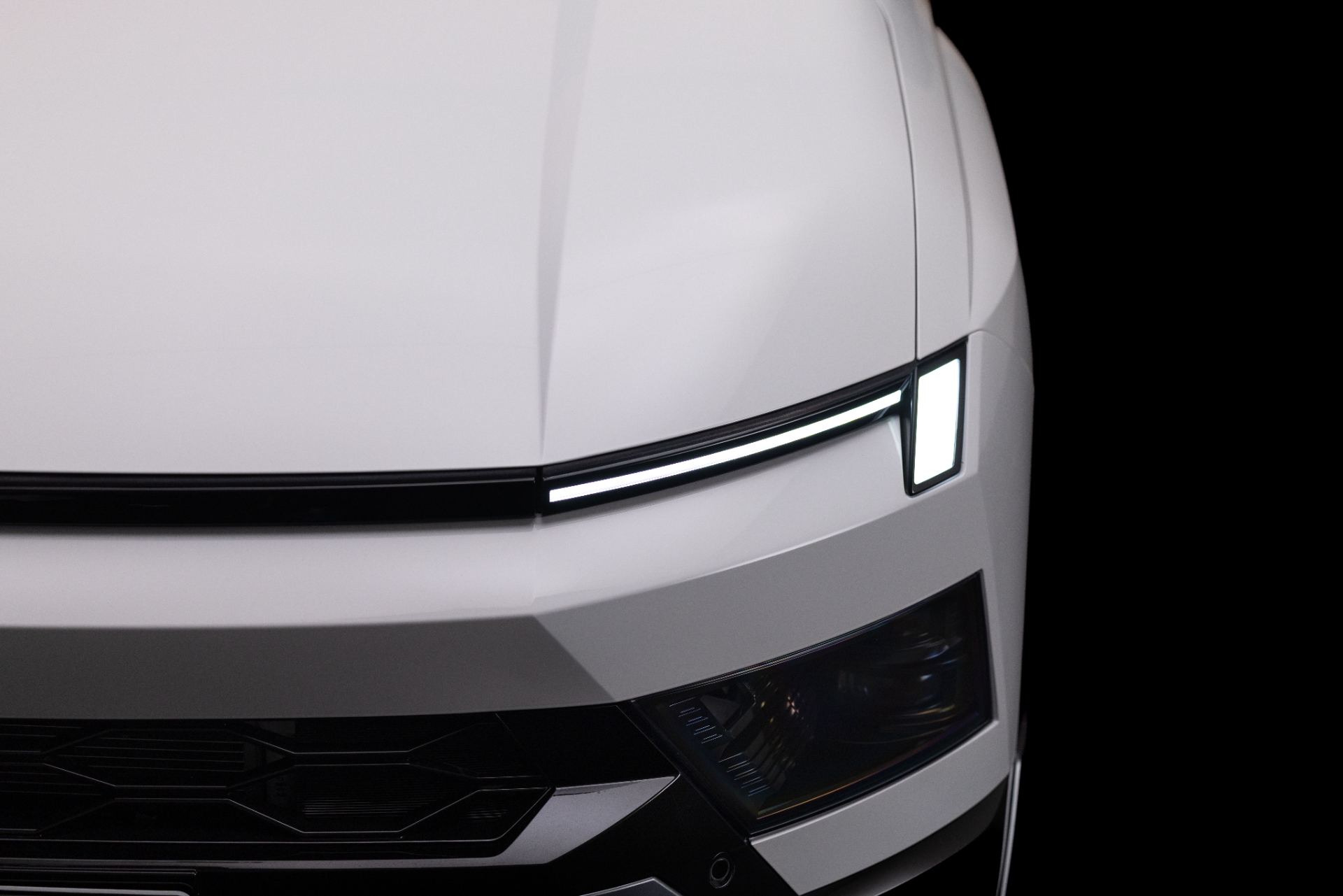
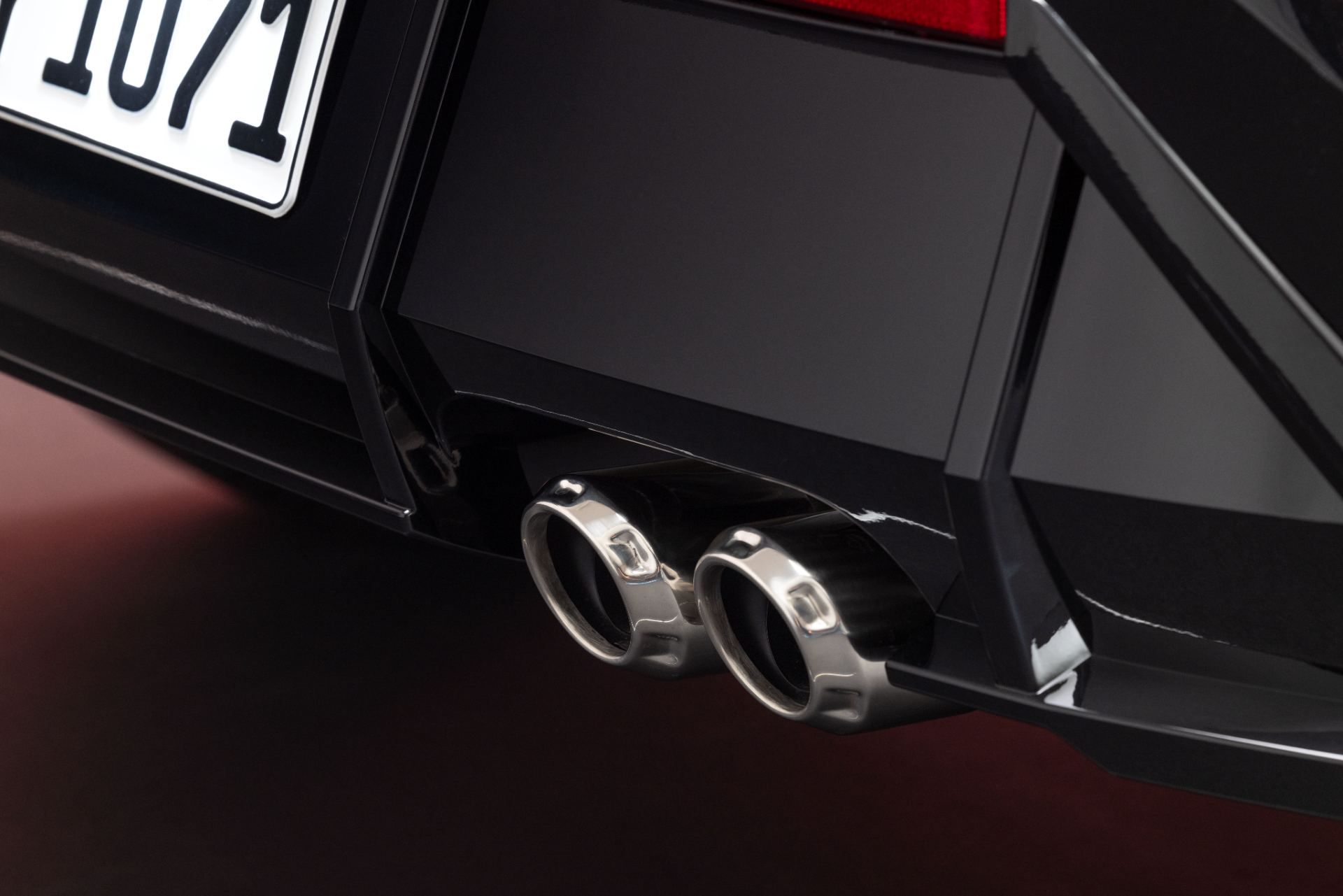
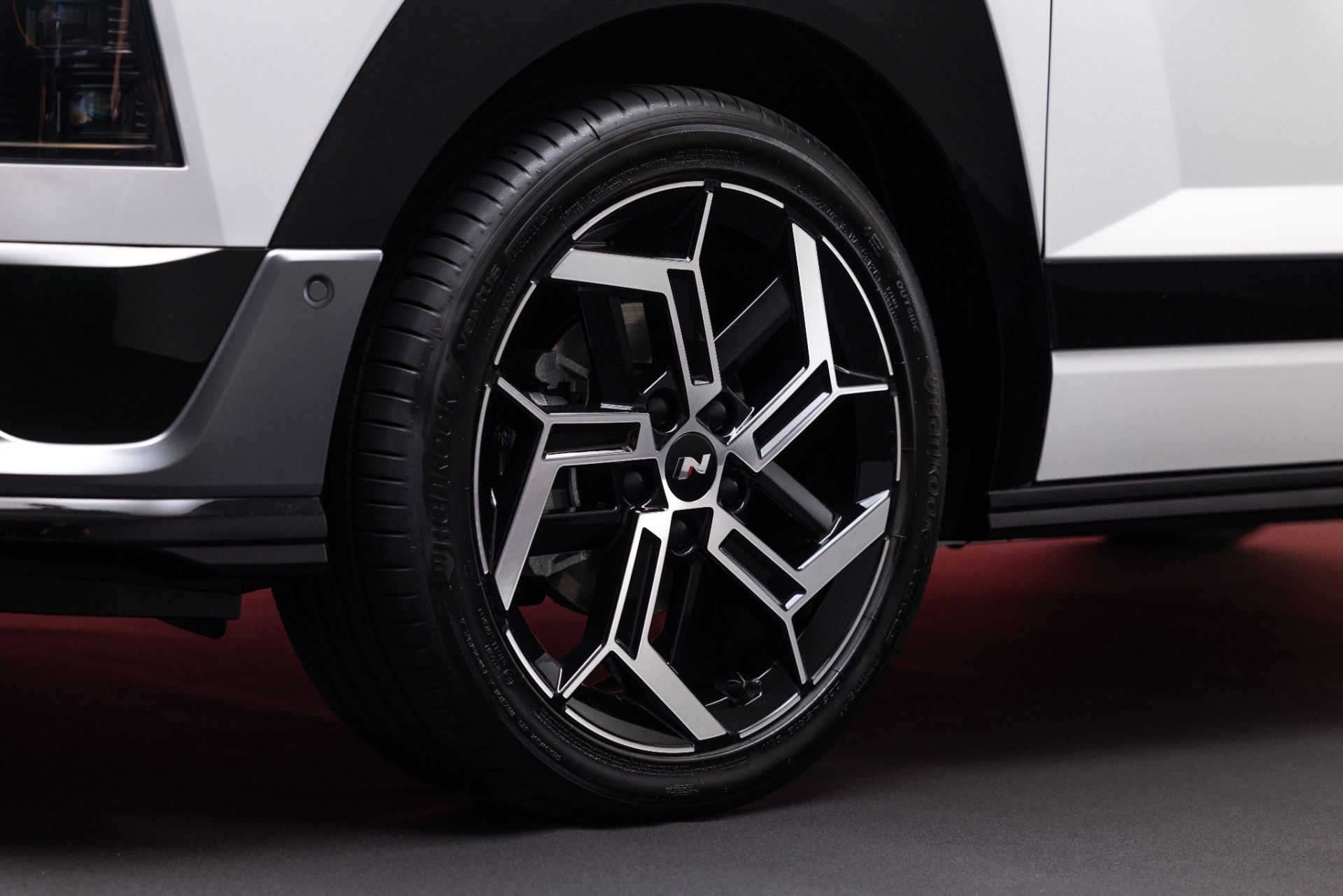
The new Bayon drops the old car's awkward Z-shaped rear light treatment for a far more upright SUV stance, with increased ground clearance, defined crease lines, pronounced fenders, a sculpted bonnet, a skid plate and a roof rack. Projection LED headlamps with Static Bending Lights sit beneath a full-width horizontal light signature, and the rear lighting graphic deliberately mirrors the front. Black A- and D-pillars and contrasting cladding break up the profile, and a black roof is available. Wheels run to 18 inches, with tyres of 205/60 R16, 205/55 R17 or 225/45 R18. Launch colours are Atlas White Solid, Abyss Black Pearl, Lumen Gray Pearl, Aurora Gray Pearl, Vibrant Blue Pearl, Ice Blue Pearl and Fierce Red Solid, plus three matte finishes in Vibrant Blue, Ice Blue and Fierce Red that Hyundai says make the Bayon the only car in its segment offered in matte paint. Ecotronic Gray Pearl and Ethereal Mint Green Pearl follow later. N Line adds technical mesh detailing, lower-bumper winglets, 18-inch N Line wheels, high-gloss black cladding and a rear diffuser with twin exhaust outlets.
Interior and Technology
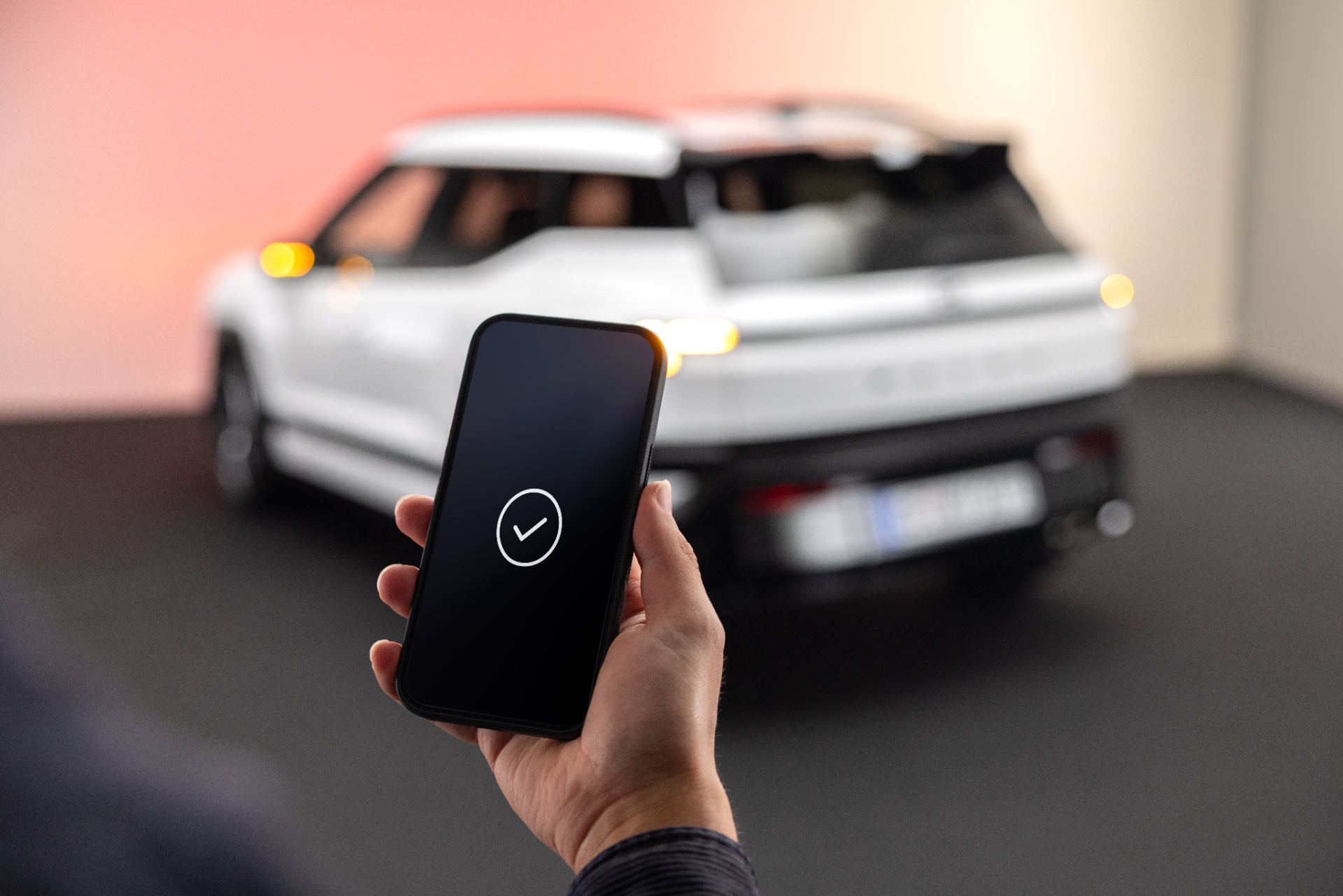
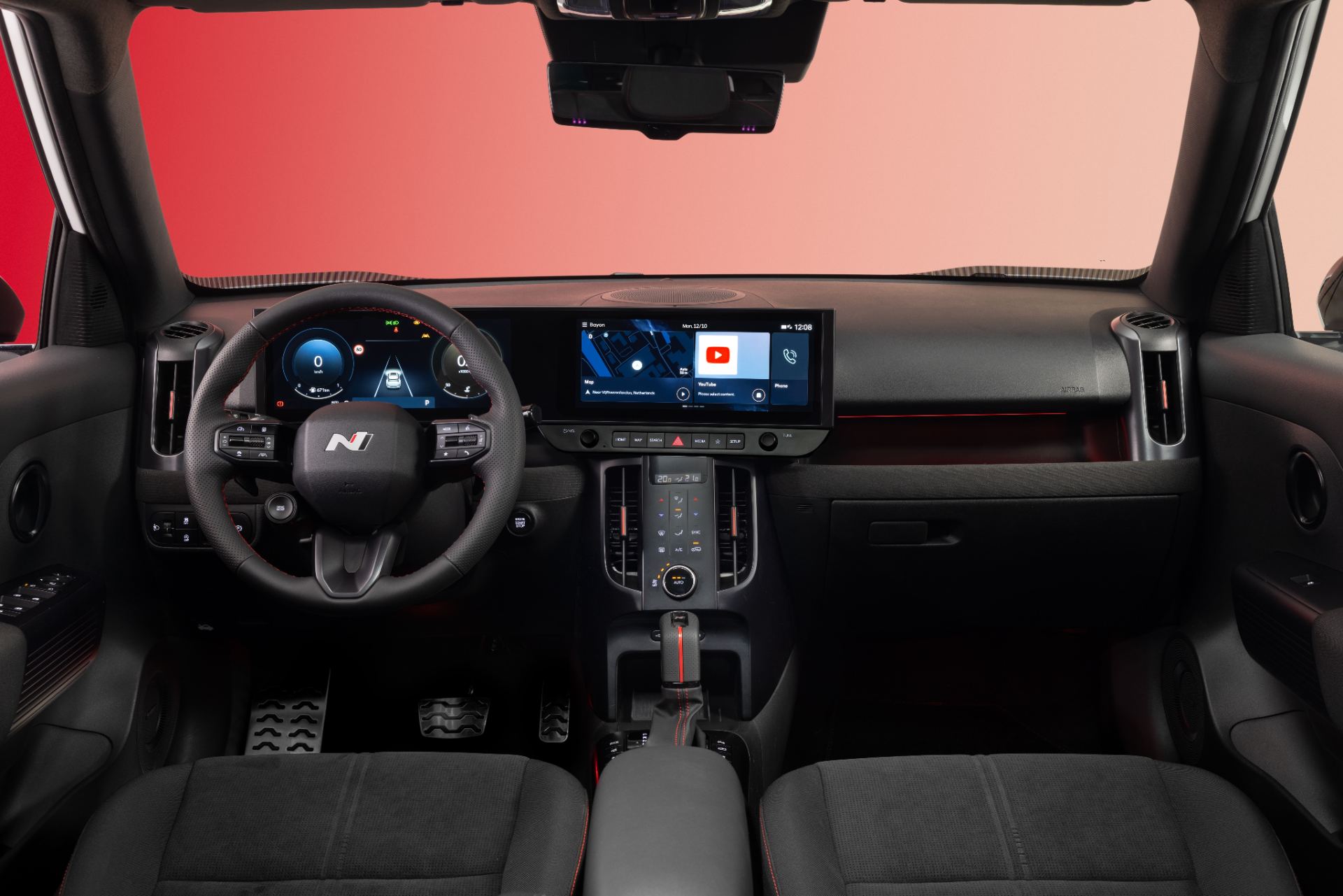
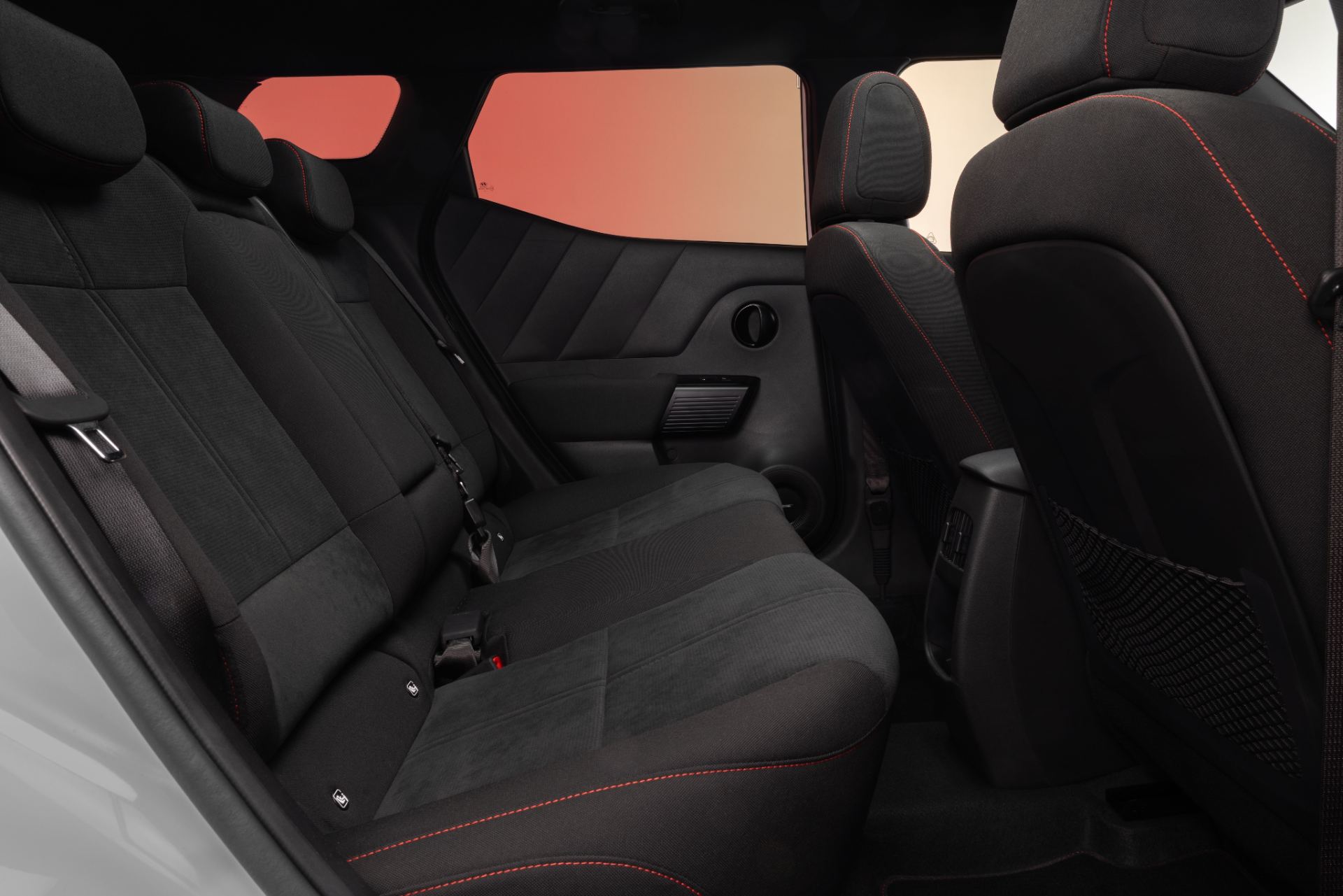
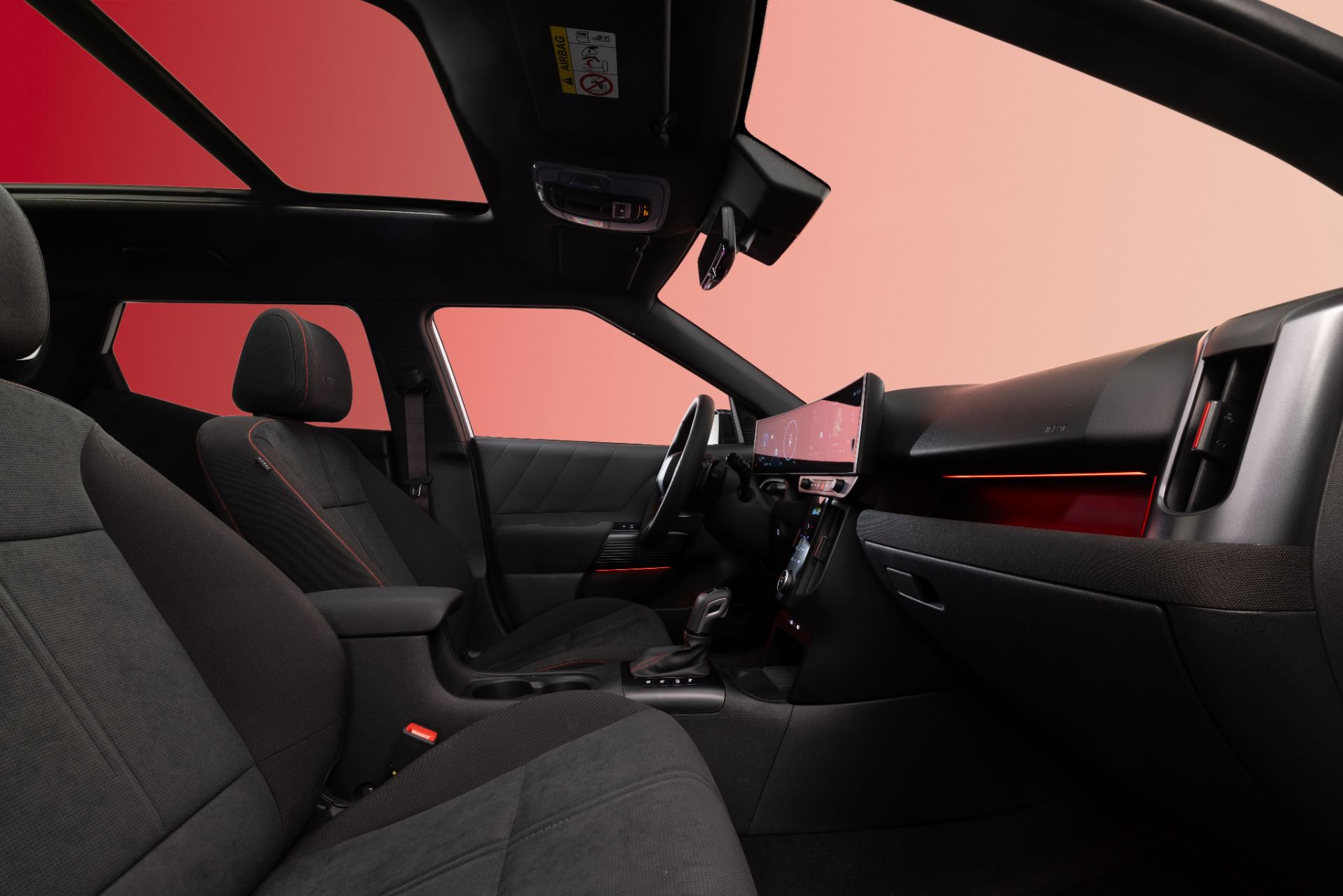
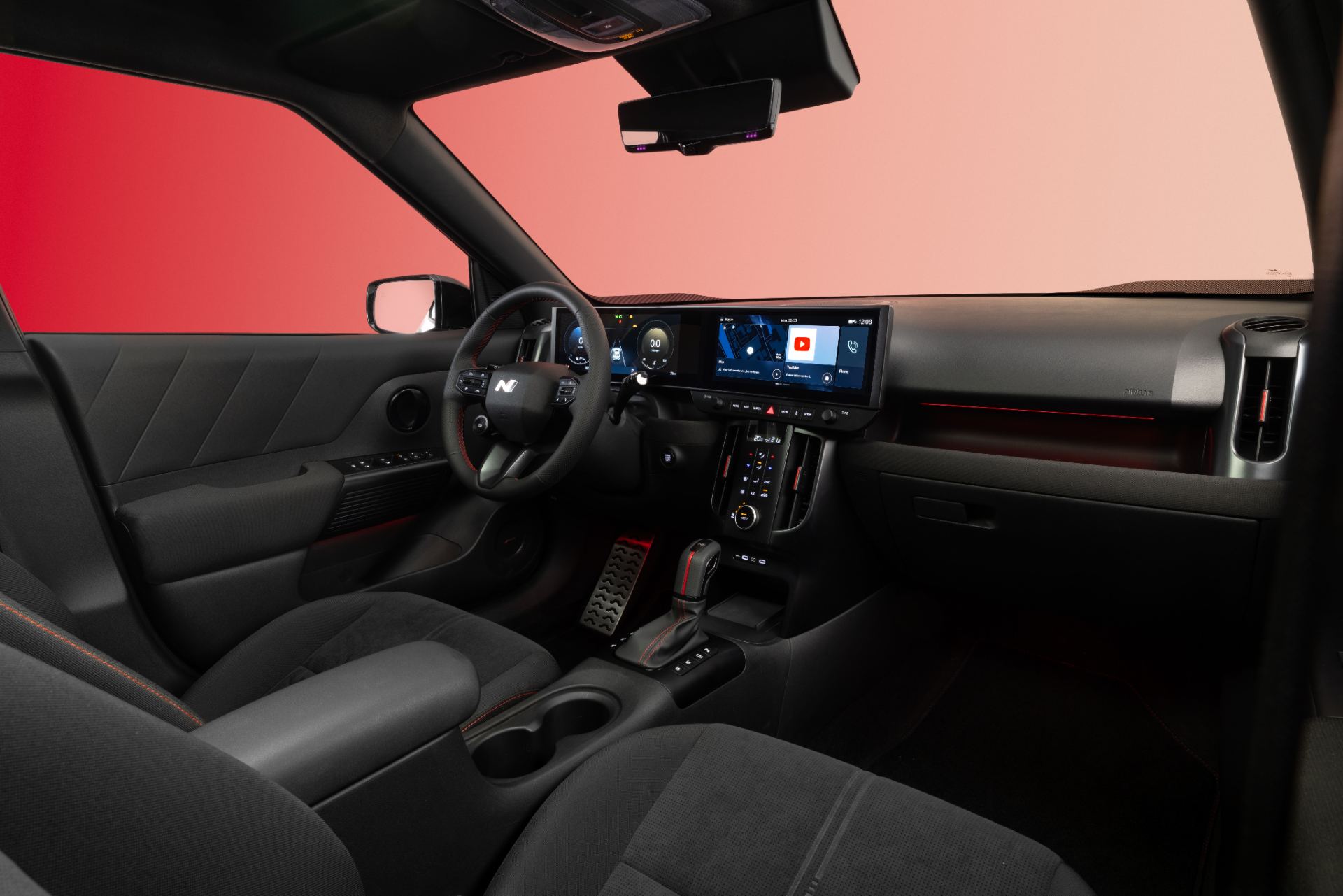
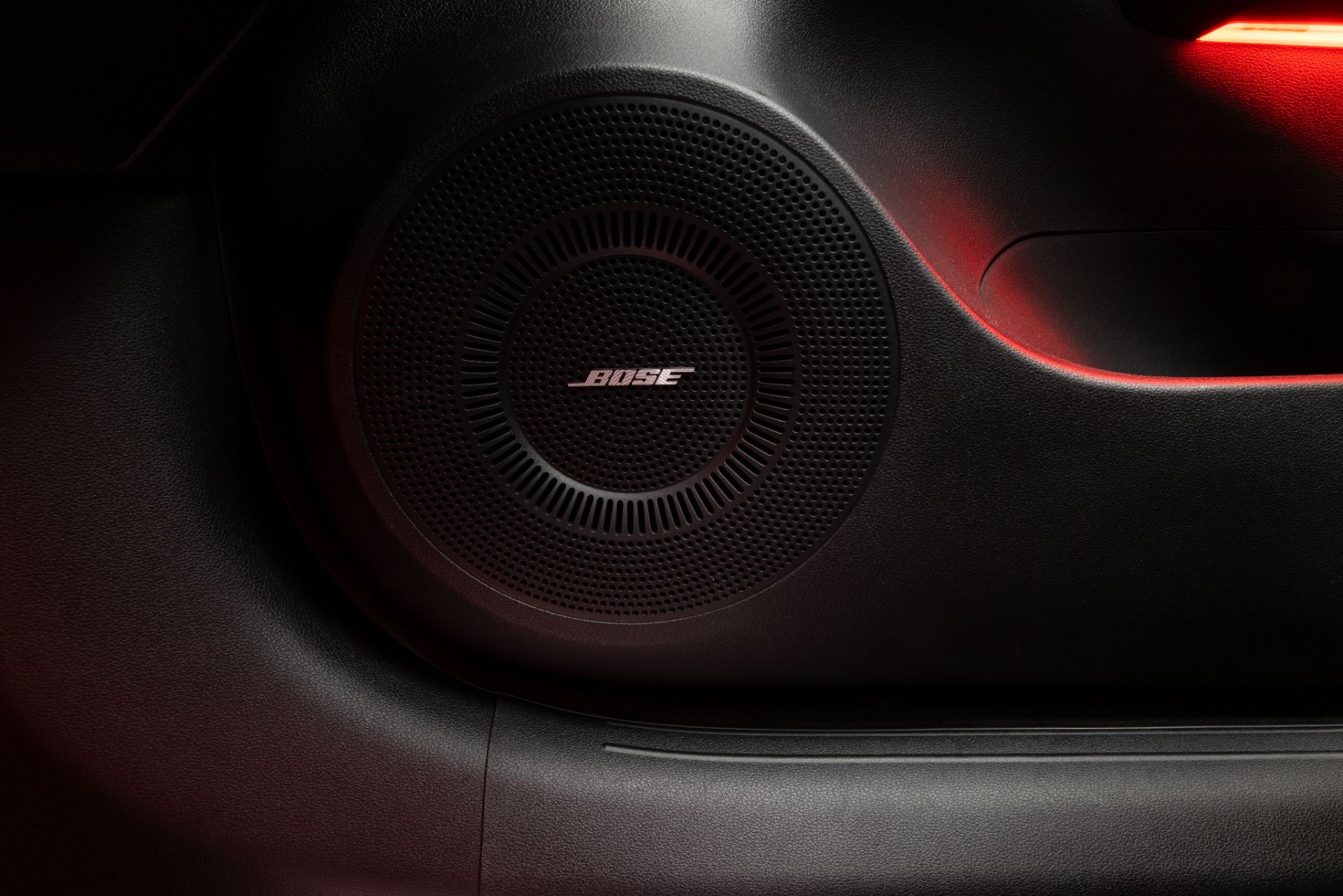
The cabin is the bigger jump. Depending on specification it pairs a 12.3-inch infotainment display with a 12.3-inch digital instrument cluster in one curved panoramic panel, replacing a setup that had started to look dated. Hyundai Digital Key 2 lets a compatible smartphone or smartwatch unlock and start the car, and wireless Apple CarPlay and Android Auto are available alongside an Entertainment Package that adds streaming services including YouTube. There are two front and one rear USB-C ports, wireless phone charging and an eight-speaker Bose Premium Sound System. Comfort kit runs to heated and ventilated front seats, driver lumbar support and height adjustment for both front seats, while rear passengers get reclining seatbacks, a centre armrest with integrated cupholders and, on some versions, heated seats and dedicated rear air ducts. An openable panoramic sunroof, dual-zone automatic climate control, soft-touch materials and dual ambient lighting complete it. Interior colours are Black, Black and Beige, Blue, or Black with Red accents on N Line, which also gets cloth and textile suede seats. The caveat is that most of the headline kit is specification-dependent rather than standard, and until UK trim walks are published there is no way to know what a realistic car costs.
Safety and Driver Assistance
The Hyundai SmartSense package is unusually complete for the class. It covers Highway Driving Assist 2, Smart Cruise Control, Lane Following Assist 2, Forward Collision-Avoidance Assist 2, Blind-Spot Collision-Avoidance Assist, Blind-Spot View Monitor, Rear Cross-Traffic Collision-Avoidance Assist, Parking Collision-Avoidance Assist-Reverse and a Surround View Monitor. A Blind-Spot View Monitor and a 360-degree camera in a car this size are the kind of features that were reserved for far more expensive models until recently, and they are a genuine point of difference against the Renault Captur and Ford Puma. Hyundai has not confirmed which systems are standard on which UK trim.
What It Means for Buyers
The hybrid is the whole story. A small crossover without one has been at a structural disadvantage in Europe for years, on company-car tax, on urban economy and increasingly on showroom perception, and the Bayon spent its entire first generation without one. A 138 PS full hybrid targeting 102 g/km puts it on the same terms as the Yaris Cross for the first time rather than competing beneath it. Two things temper that. The first is timing: the hybrid does not arrive until 2027, so early buyers choose between waiting and taking a 90 PS or 115 PS petrol that is the weaker half of the range, with 0-100 km/h times stretching to 14.1 seconds at the bottom. The second is price. The Bayon has always sold on value, and a bigger car with curved displays, Bose audio, matte paint and a hybrid option is not going to arrive at the old entry price. If Hyundai pitches it alongside the Puma and Captur rather than under them, it gives up the one advantage the nameplate has reliably had.
- ✓A full hybrid joins the range for the first time, targeting 102-113 g/km of CO2
- ✓Boot grows to 440 litres on petrol models, up from 411 litres
- ✓Longer 2,600mm wheelbase with reclining rear seatbacks, a rear armrest and optional heated rear seats
- ✓Twin 12.3-inch curved displays, Digital Key 2, Bose audio and wireless CarPlay and Android Auto available
- ✓Highway Driving Assist 2, Blind-Spot View Monitor and a Surround View Monitor in the SmartSense package
- ✕No UK price, specification, economy figures or on-sale date announced
- ✕The hybrid costs 43 litres of boot space, dropping to 397 litres
- ✕The hybrid does not arrive until 2027
- ✕Launch petrols are modest, with 0-100 km/h taking up to 14.1 seconds
- ✕Most of the headline equipment is specification-dependent rather than standard
Common Questions
How much does the 2027 Hyundai Bayon cost?
Hyundai has not announced a price for any market, and the Paris press release carries none. For reference, the outgoing Bayon started at about £22,480 for the entry Advance manual when the facelifted range launched in 2024. The new car is larger, better equipped and offers a hybrid, so expect the entry price to rise, with the hybrid priced well above the petrol models.
When does the 2027 Hyundai Bayon go on sale in the UK?
No UK on-sale date has been confirmed, and Hyundai gave no launch date for the petrol models in the press release. The petrols come first and the full hybrid follows in 2027. UK specification and fuel economy figures are also unpublished, so British buyers have the reveal but none of the detail needed to order one.
Is the new Hyundai Bayon a hybrid?
A full hybrid joins the range in 2027, pairing a 1.6-litre GDI petrol engine with an electric motor and a six-speed dual-clutch automatic for 138 PS combined. It is a self-charging full hybrid, not a plug-in, so it cannot be charged from a socket. At launch the Bayon is petrol only, with 90 PS and 115 PS 1.0-litre turbo engines.
How big is the 2027 Hyundai Bayon boot?
The petrol Bayon has a 440-litre boot, up from 411 litres on the outgoing model, and the hybrid drops to 397 litres because of its battery, a loss of 43 litres. Both figures are measured with the rear seats upright, and Hyundai notes that final figures remain subject to homologation.
Hyundai Bayon vs Ford Puma — which is better?
The Puma has the better chassis and the sharper image, and its MegaBox boot arrangement remains a genuinely clever piece of packaging. The new Bayon counters with more outright luggage space on petrol models, a full hybrid option, a notably deep driver-assistance list and Hyundai's longer warranty. Without UK pricing or a drive, neither can be called the winner, but the Bayon is now a real alternative rather than simply the cheaper choice.
European-market cars are built at Hyundai Motor Türkiye, with petrol models first and the full hybrid following in 2027. UK pricing, trim structure, economy figures and an on-sale date are all still to come, and we will update this article as Hyundai confirms them.