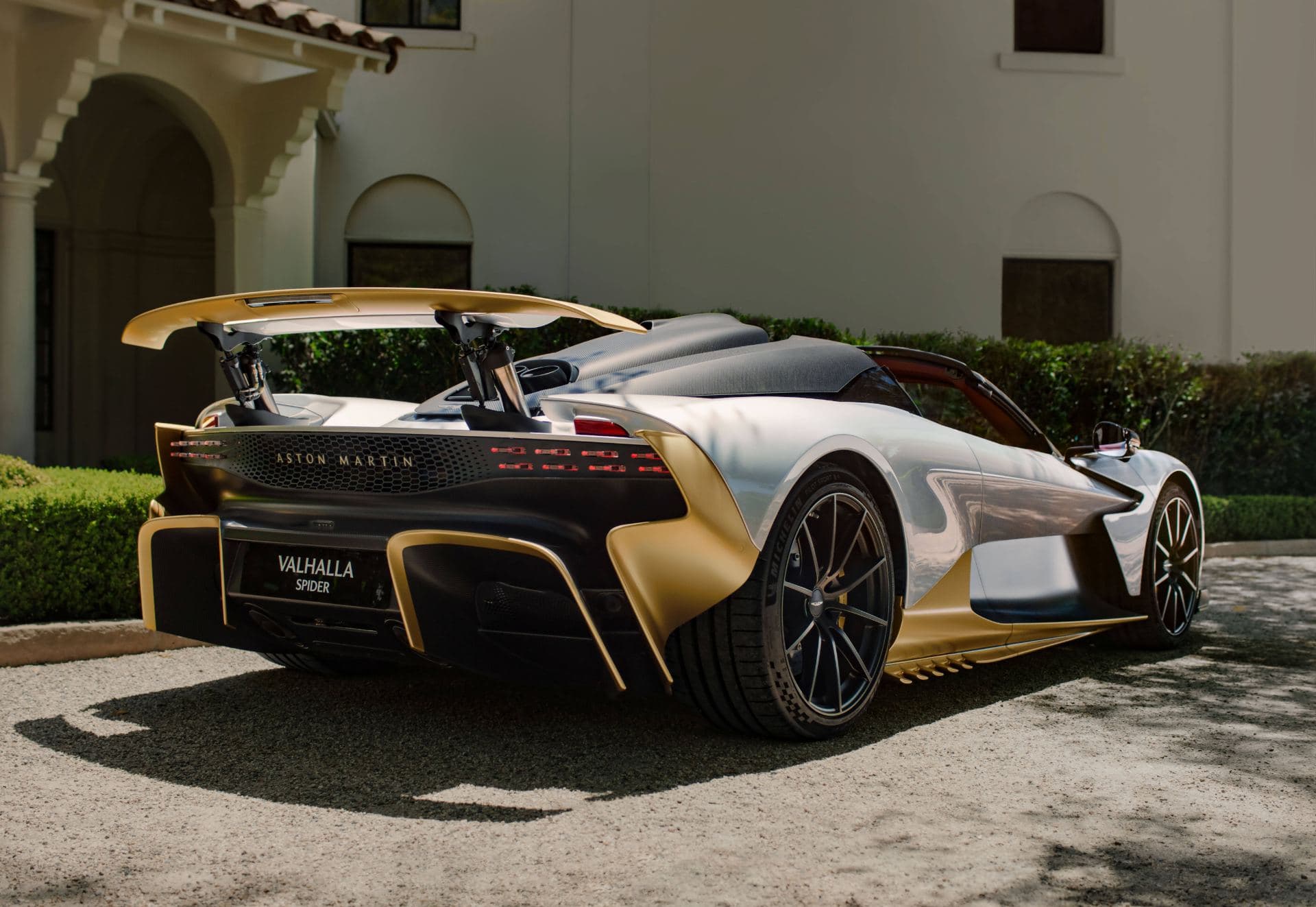
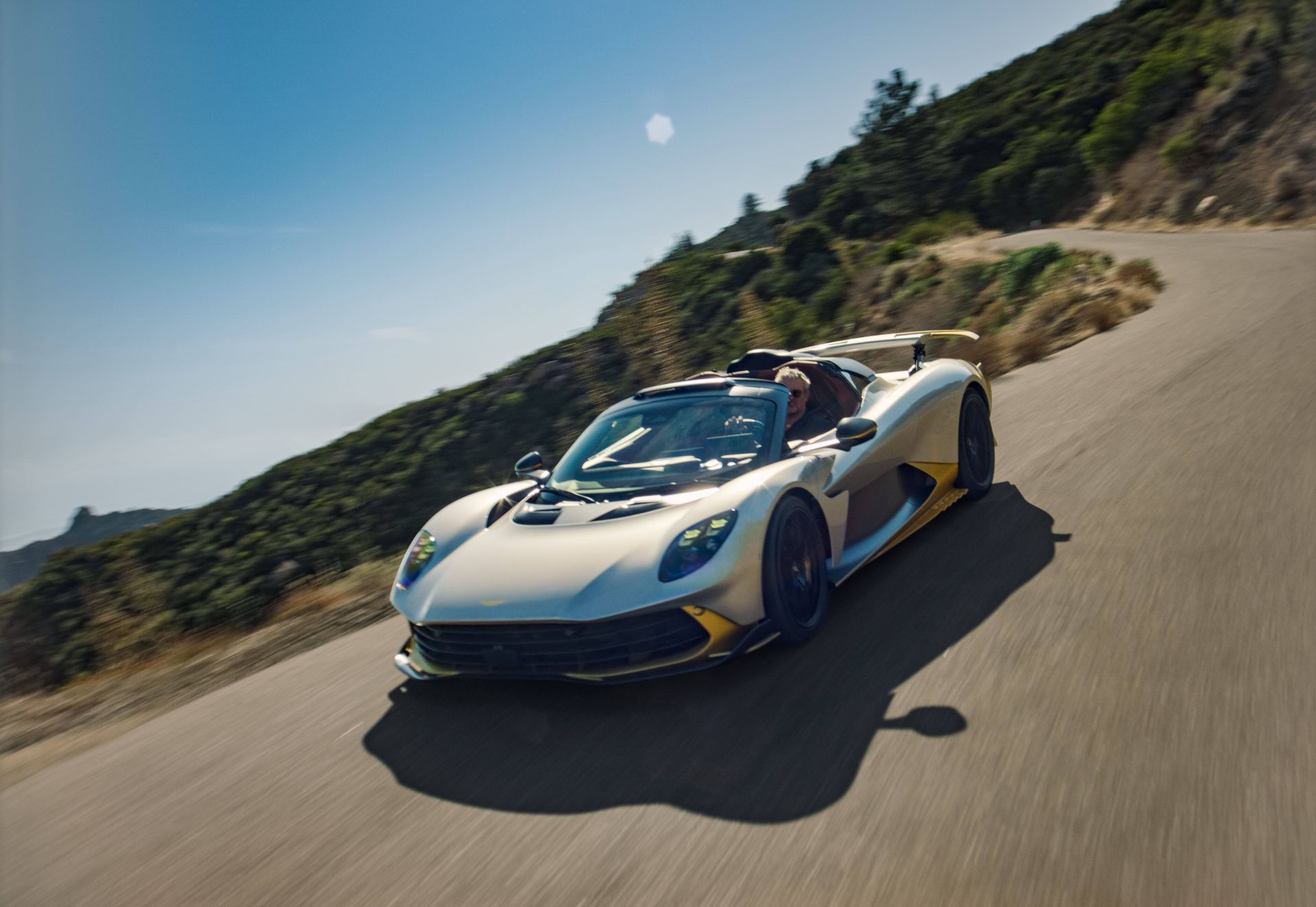
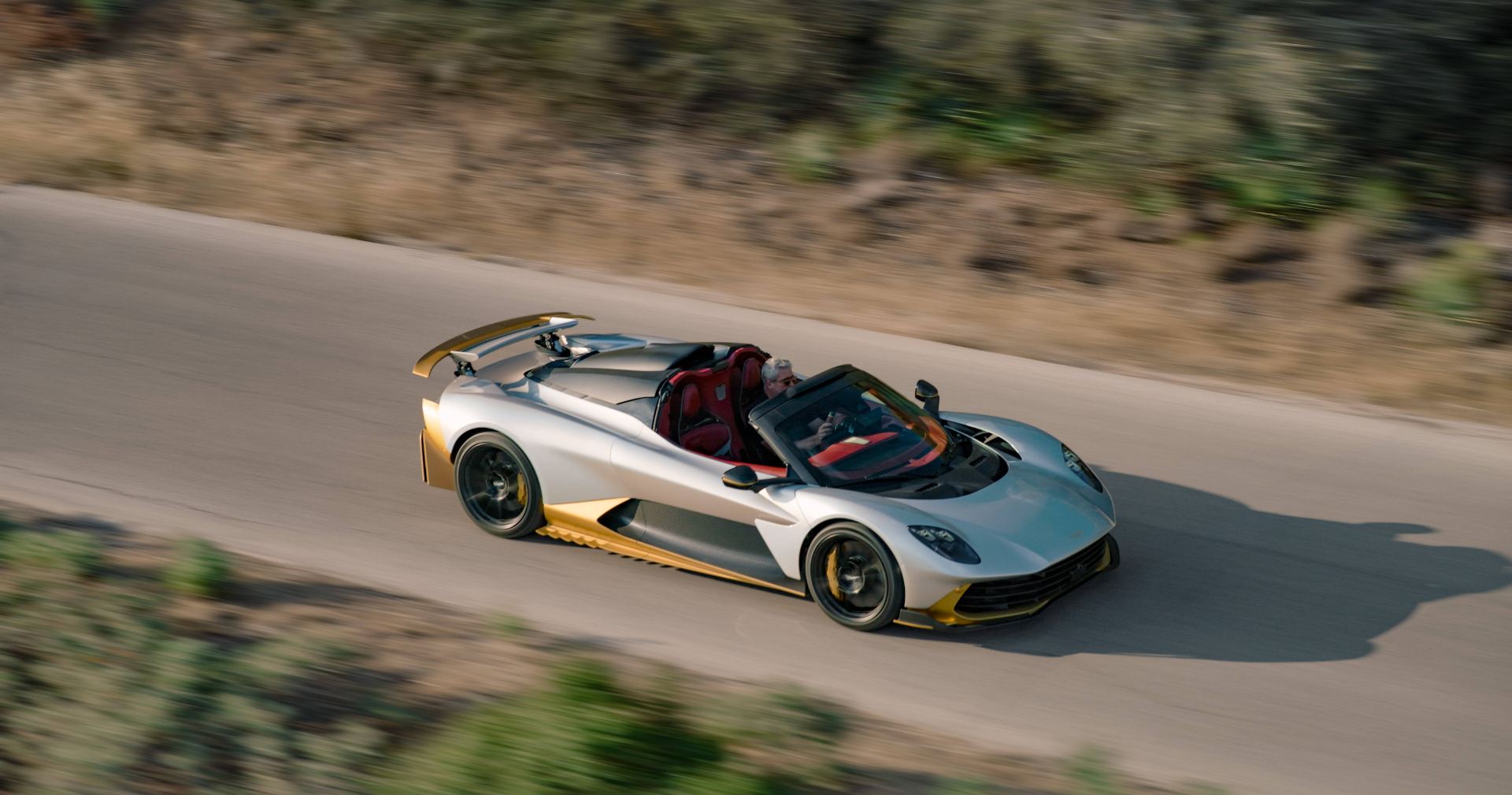
The Aston Martin Valhalla Spider can reach its full 217mph (350km/h) top speed with the roof removed, which makes it the fastest open-cockpit car Aston Martin has ever built. Pricing has not been announced, and it will not be modest: the Valhalla Coupe the Spider is derived from starts at $1,051,700 in the United States and around £850,000 in the UK, and the open-top car is expected to carry a premium over it. Revealed on 28 October 2026 at Gaydon, the Spider keeps the Coupe's 1,079PS plug-in hybrid powertrain untouched and adds a three-part roof system engineered so that almost none of that performance is surrendered to the open air. First deliveries start in the third quarter of 2027.
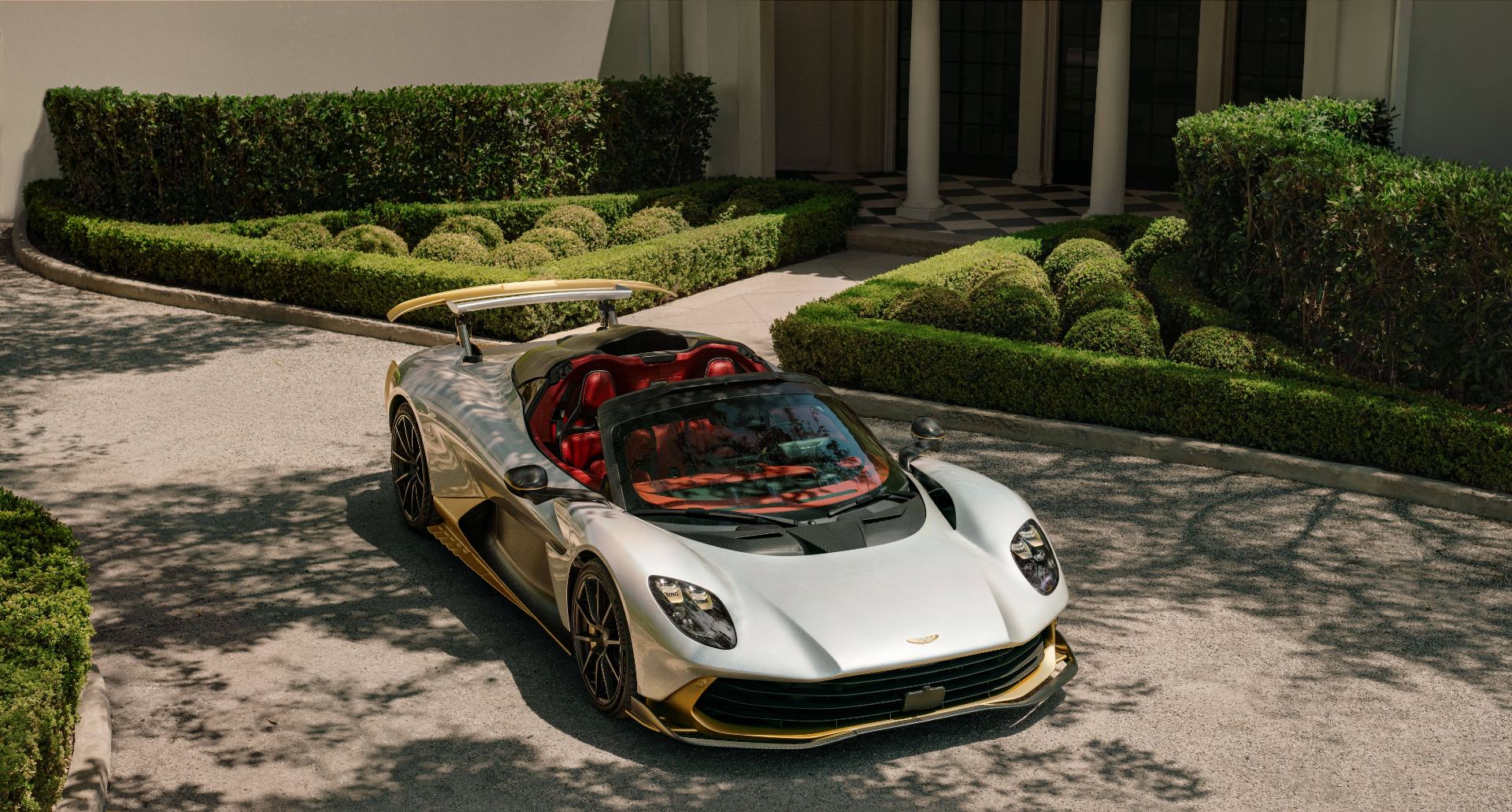
How Much Does the Valhalla Spider Cost?
Aston Martin did not include pricing in the Valhalla Spider's launch material, so there is no confirmed figure. The reference point is the Coupe, which starts at $1,051,700 in the United States and about £850,000 in the UK. Open-top derivatives almost always command a premium over the fixed-roof car, and published estimates for the Spider have ranged from roughly £935,000 to about £1.3 million, with £1.2m to £1.3m (around $1.6m) the most commonly quoted bracket. All of those are estimates until Aston Martin publishes a number. What is already clear is that most of the cars are accounted for: Aston Martin has indicated the combined Valhalla run will sit slightly above the 999 units originally planned, with the Spider making up roughly a quarter of the total, and that the Spider has opened with a strong order book.
Aston Martin's First Open-Cockpit Mid-Engined Supercar
The Valhalla Coupe arrived earlier in 2026 carrying an unusual number of firsts for Aston Martin: its first production mid-engined supercar, its first plug-in hybrid, the first car to use its bespoke flat-plane-crank V8, and the first to use its new eight-speed dual-clutch transmission. The Spider extends that lineage and is, by Aston Martin's description, its first mid-engined open-cockpit production supercar.
Development was again shared with Aston Martin Performance Technologies (AMPT), the consulting arm of the Aston Martin Aramco Formula 1 team, which contributed to the dynamics, aerodynamics and materials work. The carbon fibre tub is AMPT engineering as well: its upper and lower sections are moulded using a combination of resin-transfer moulding and autoclave technology derived from Formula 1 practice, producing a single stiff passenger cell that the Spider carries over from the Coupe rather than reinforcing after the fact.
Aston Martin CEO Adrian Hallmark framed the car as an extension of those firsts rather than a spin-off: "Valhalla Spider builds on those impressive firsts, preserving the aesthetic beauty and dynamic bandwidth of Valhalla Coupe while introducing the expanded opportunities for enjoyment and engagement that can only be found in an open-cockpit supercar. High speed or low speed. Rain or shine. Roof on or roof off. Road or track. Valhalla Spider ticks every box."
Valhalla Spider Top Speed and the Roof System
The roof is where the engineering effort concentrated, and the speed attached to each configuration differs. With the roof off, the Spider runs to the full electronically limited 217mph (350km/h). A removable, stowable black fabric roof is standard in most markets and is rated to 124mph (200km/h), a figure Aston Martin calls class-leading for a fabric top but still a long way short of Vmax. The optional carbon fibre hard top lifts that restriction and allows the full 217mph with the roof in place; in the United States that hard top is the standard fitment. A rain cover is also supplied for static use.
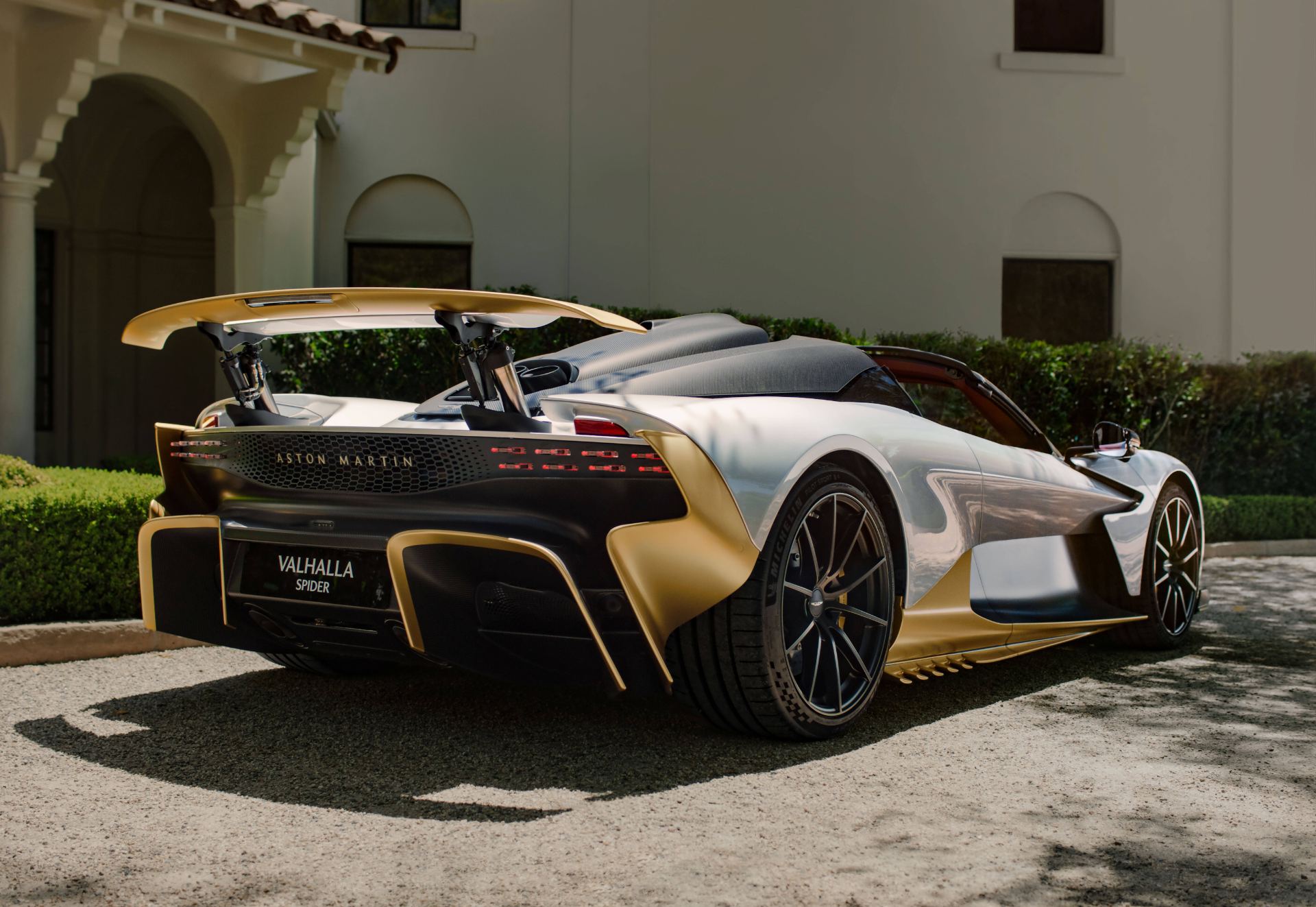
Running at speed with the cockpit open took more than a strong windscreen. The Spider gets a clip-in wind deflector that manages airflow off the windscreen header, pulling cooling air down to the engine snorkel while lifting the airflow up and over the occupants. The snorkel itself is unique to this car, reprofiled and sitting 35mm taller than the Coupe's. With the roof fitted, the deflector folds into three parts and stows in new 15-litre apertures in the sills. Active aerodynamics and the Electronic Stability Programme have been recalibrated to identify and adapt to both roof-on and roof-off airflow, and peak downforce still exceeds 600kg with the roof fitted.
| Roof configuration | Maximum speed | Availability |
|---|---|---|
| Roof removed | 217mph / 350km/h | Standard |
| Black fabric soft roof | 124mph / 200km/h | Standard outside the USA |
| Carbon fibre hard top | 217mph / 350km/h | Standard in the USA, optional elsewhere |
Powertrain and Performance
Mechanically, the Spider is the Coupe. The 4.0-litre twin-turbo V8 is unique to the Valhalla, with a flat-plane crank, a hot-V layout for throttle response, up to 3.0 bar of boost and 828PS on its own. That works out at 207bhp per litre, which Aston Martin says is the highest specific output of any combustion engine it has built. Three electric motors and a 400V high-performance battery add a further 251PS, for 1,079PS (1,064bhp) and 1,100Nm (811 lb-ft) in total.
Two of those motors sit on the front e-axle with full electric torque vectoring; the third is integrated into the eight-speed dual-clutch transmission and works alongside the V8 to drive the rear axle through an electronic differential. There is no mechanical connection between the front and rear axles, so drive to each wheel is managed by Aston Martin's Integrated Vehicle Dynamics Control system, which also oversees suspension, braking, steering and the active aerodynamics across four drive modes: Sport, Sport+, Race and EV. Aston Martin quotes a predicted 0-62mph time of 2.5 seconds and a dry weight of 1,680kg with lightweight options fitted. Fuel economy and emissions figures are still awaiting homologation.
| Specification | Figure |
|---|---|
| Powertrain | 4.0-litre twin-turbo V8 plus three e-motors, plug-in hybrid |
| Total output | 1,079PS / 1,064bhp / 793kW at 6,700rpm |
| Total torque | 1,100Nm / 811 lb-ft |
| Engine output | 828PS (207bhp per litre) |
| Electric output | 251PS, 400V system |
| Transmission | 8-speed dual-clutch, electronic rear differential |
| 0-62mph | 2.5 seconds (predicted) |
| Top speed | 217mph / 350km/h, roof on or off |
| Maximum downforce | In excess of 600kg (roof fitted) |
| Dry weight | 1,680kg with lightweight options |
| Brakes | 410mm front / 390mm rear carbon ceramic |
| Deliveries | From Q3 2027 |
Exterior
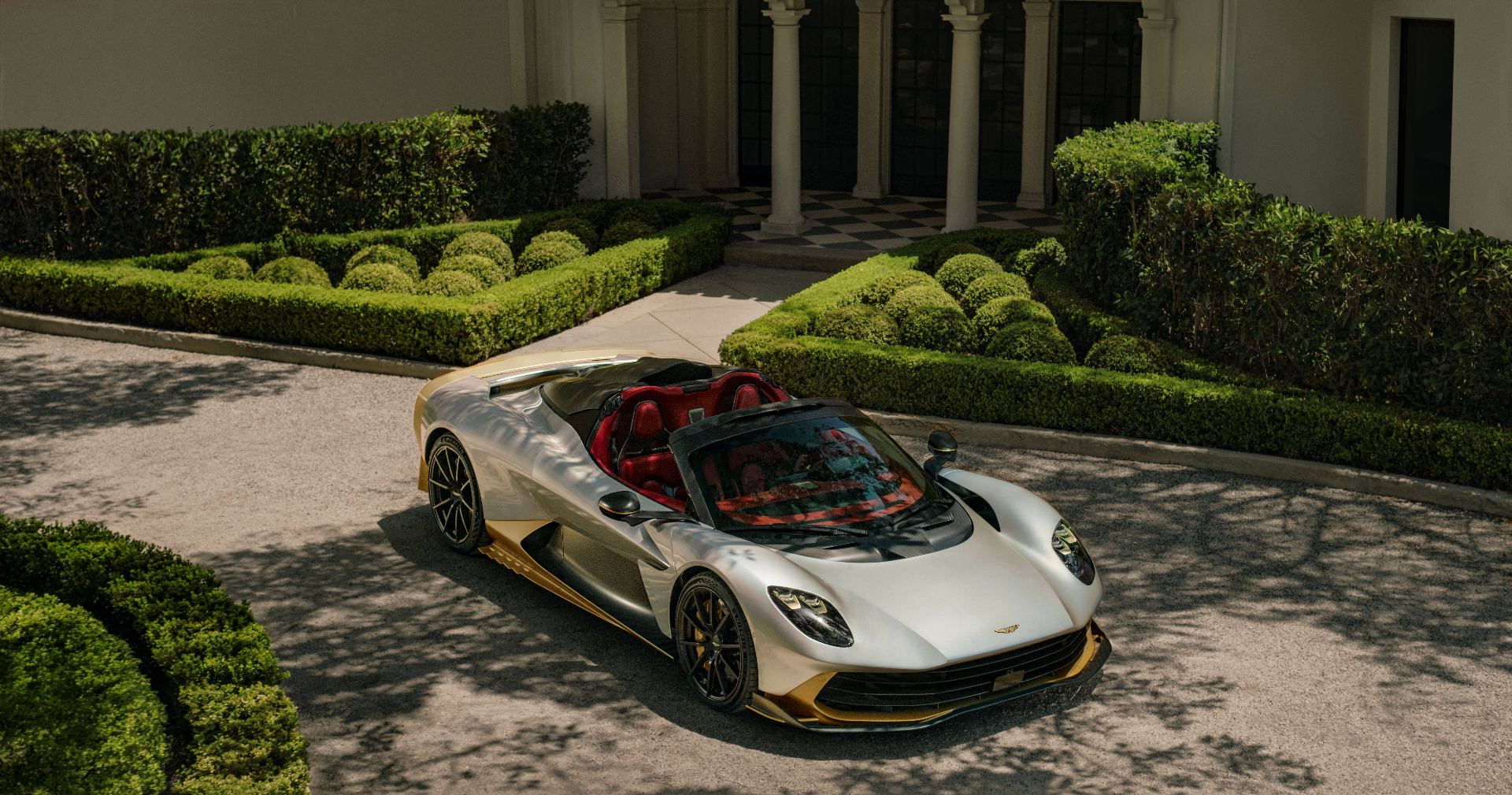
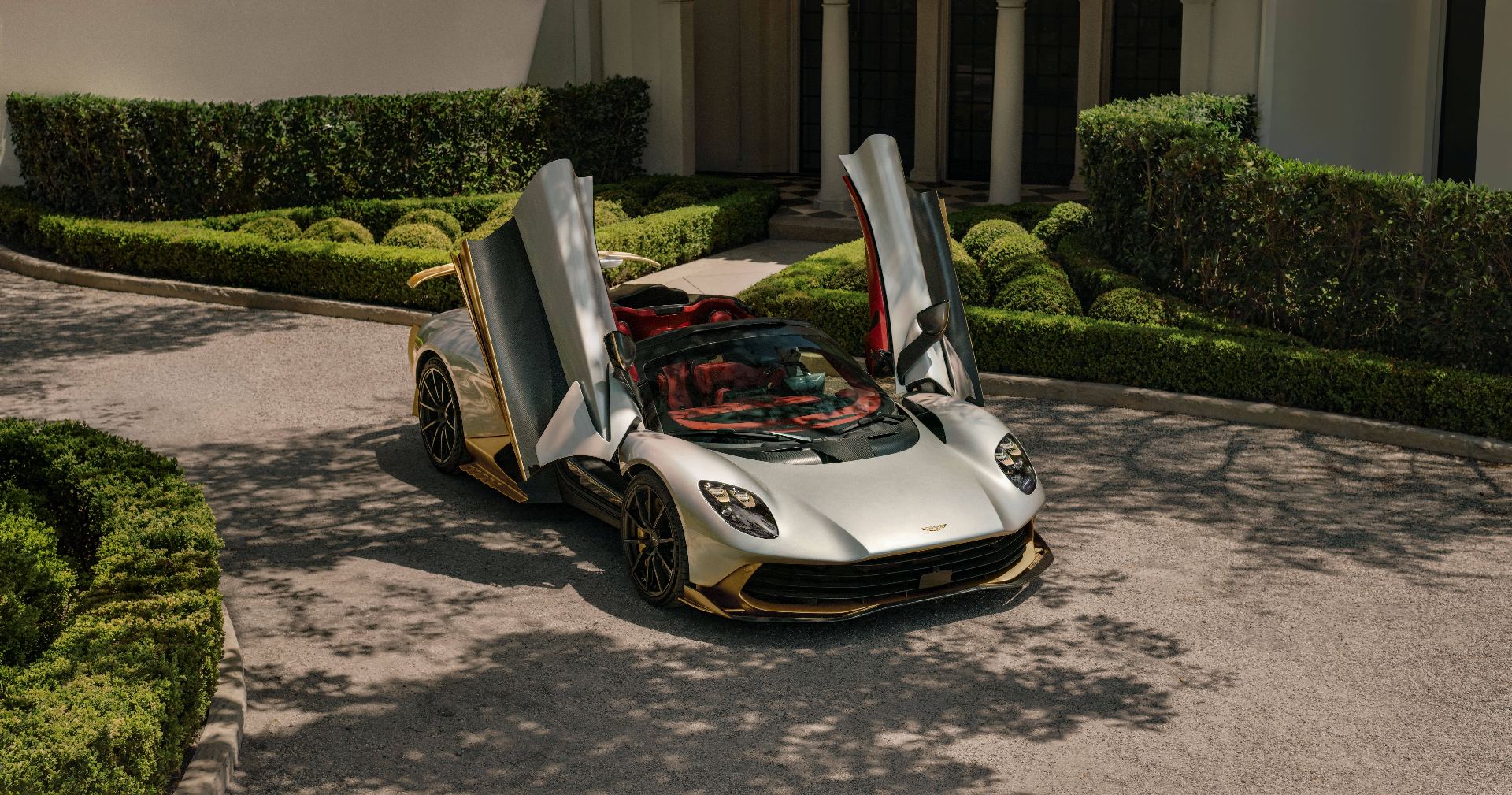
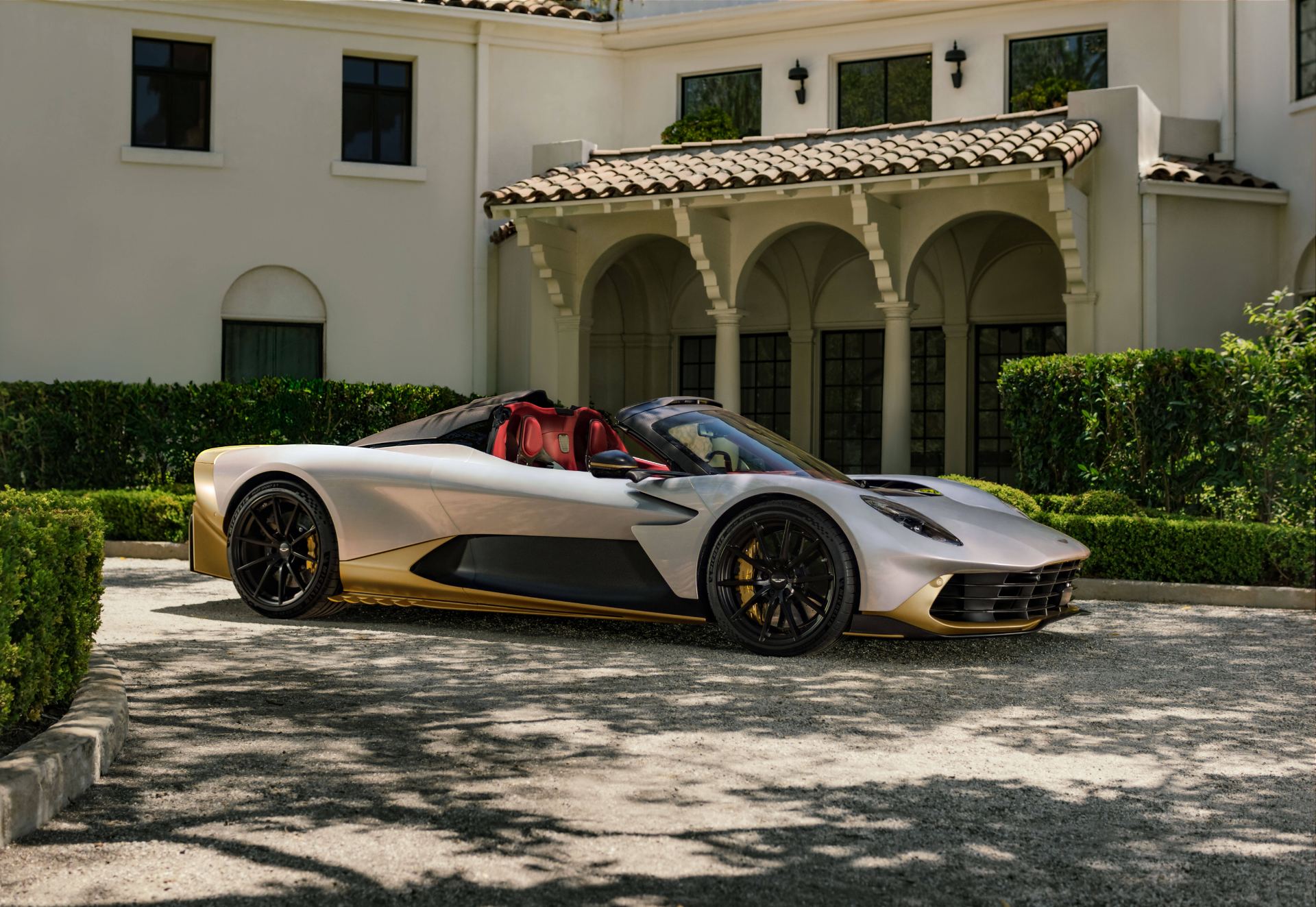
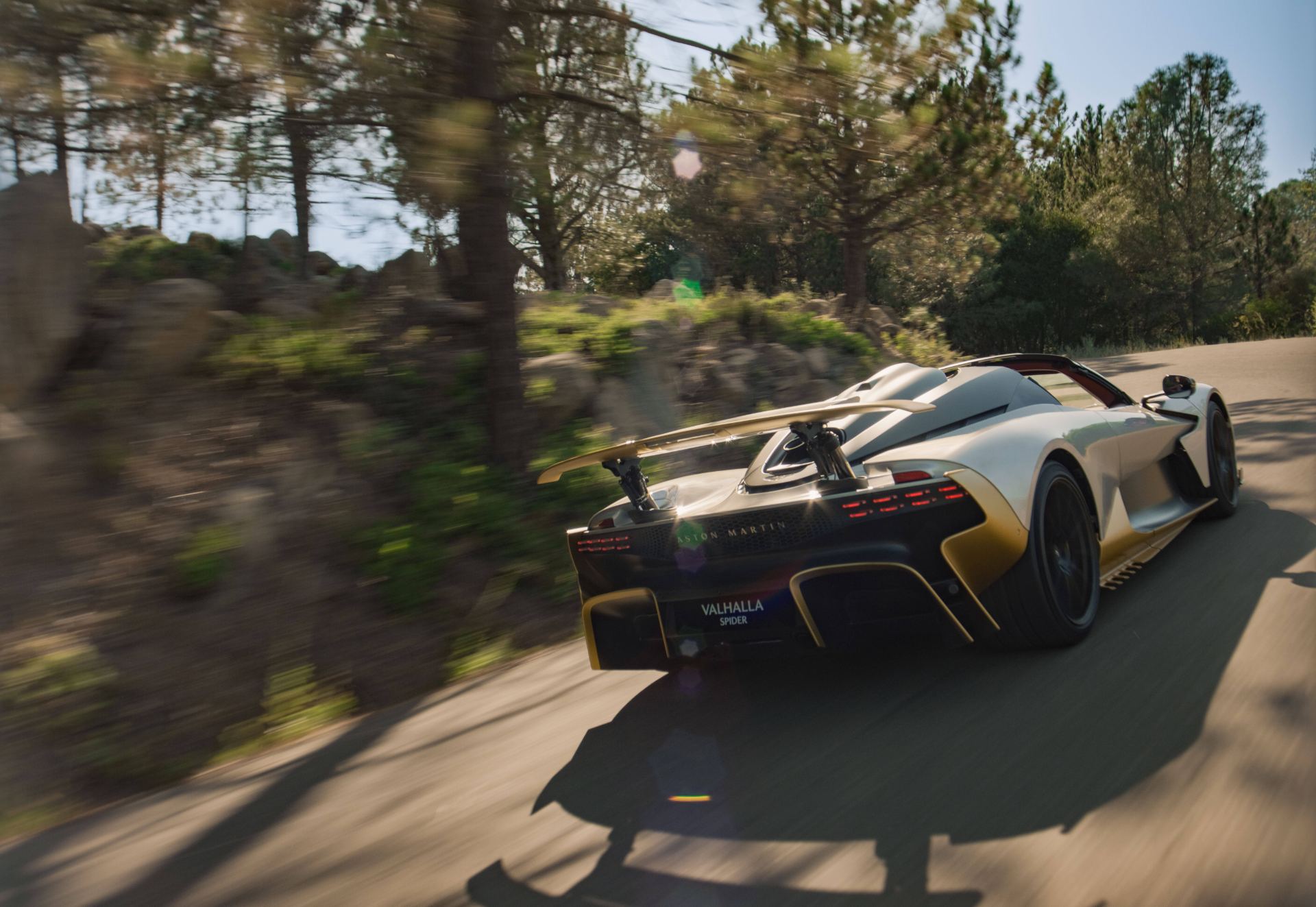
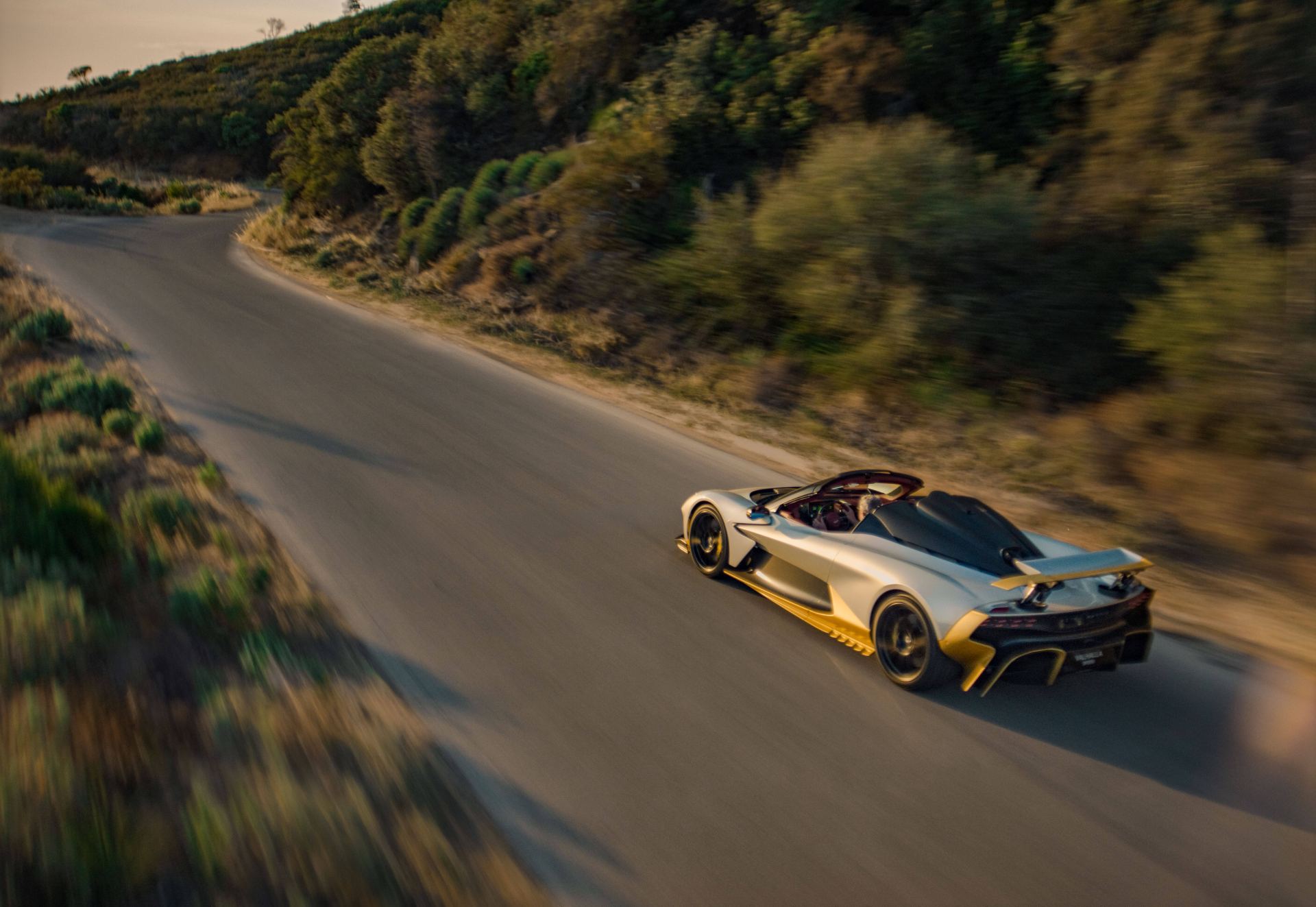
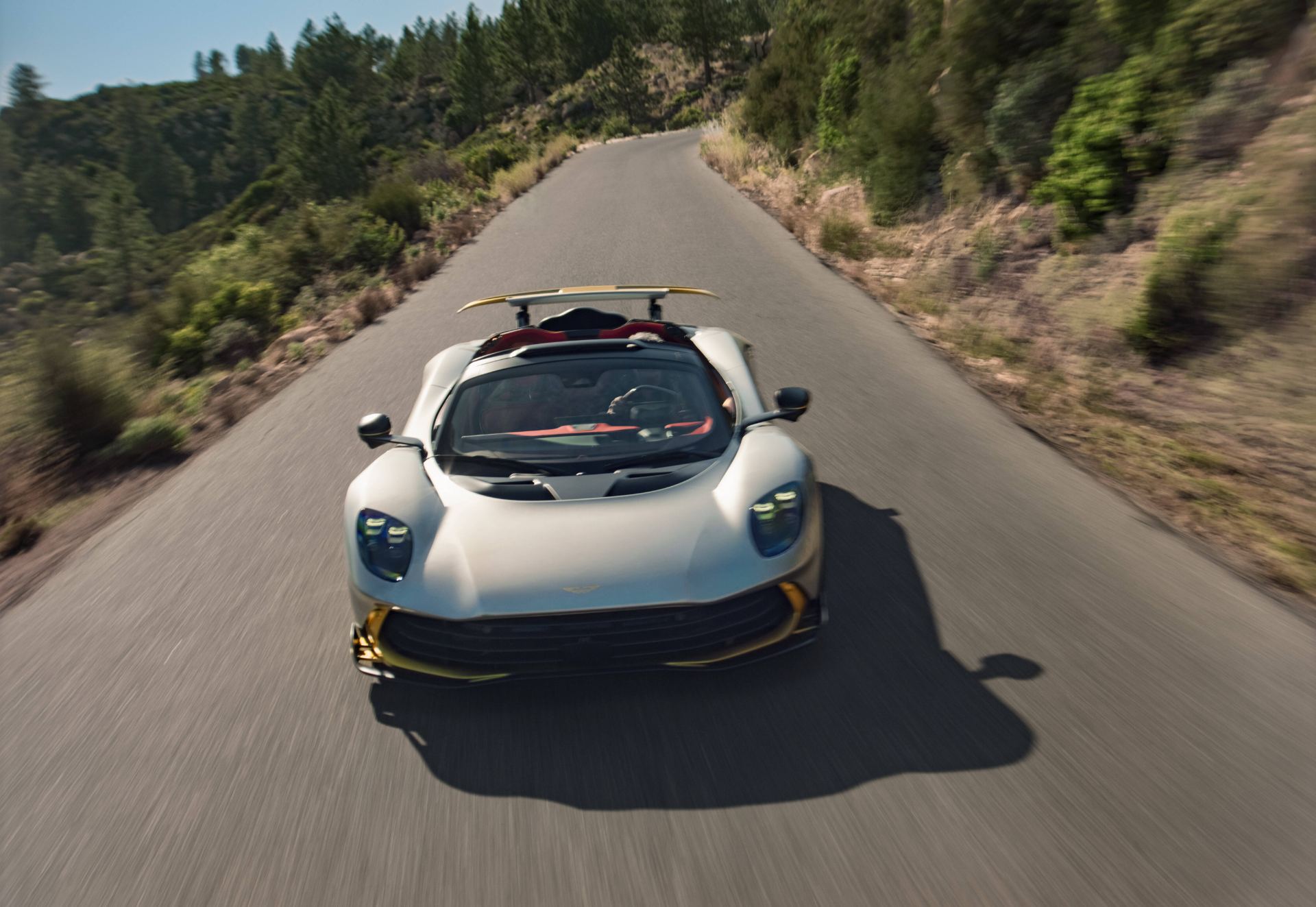
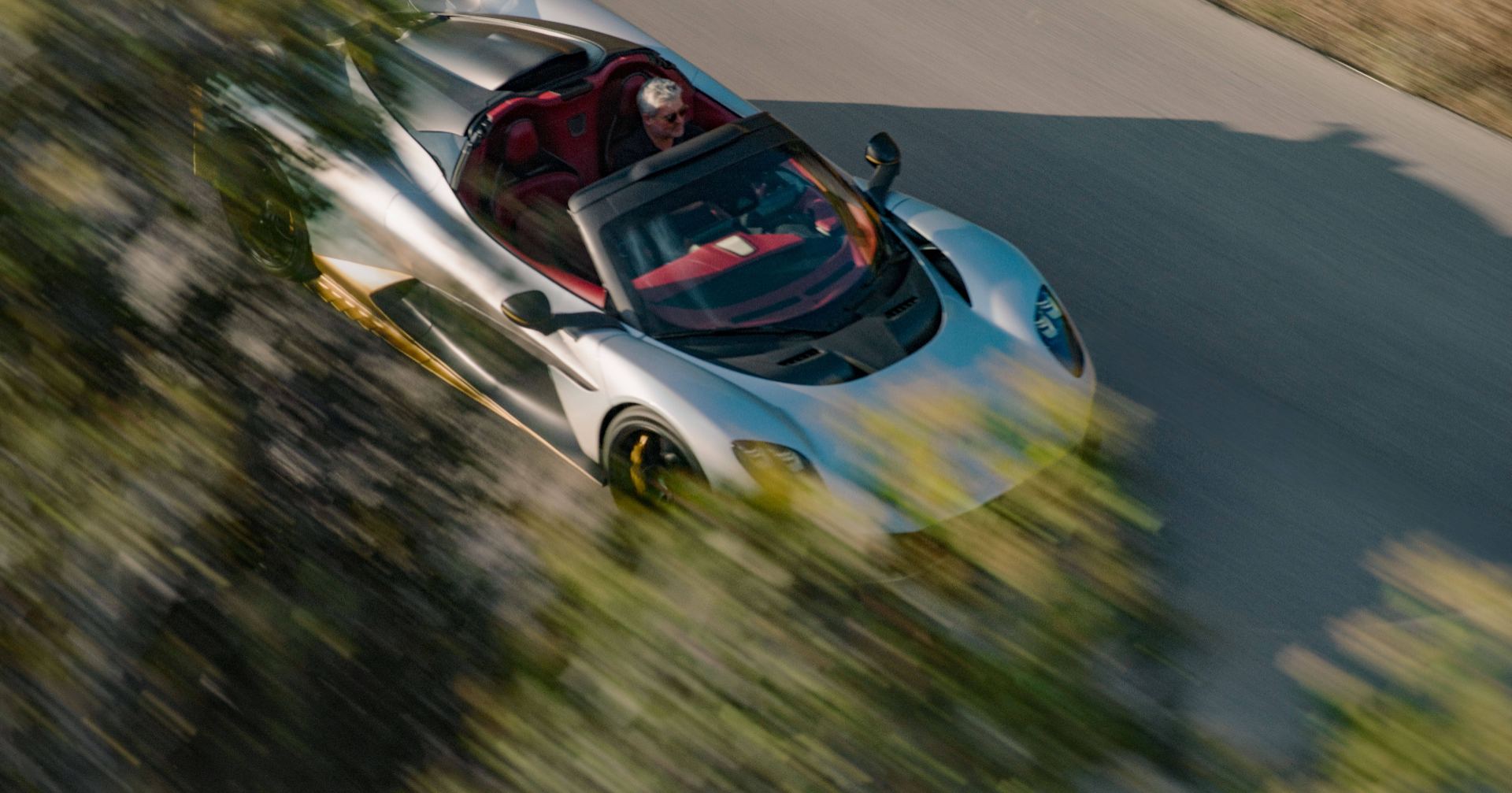
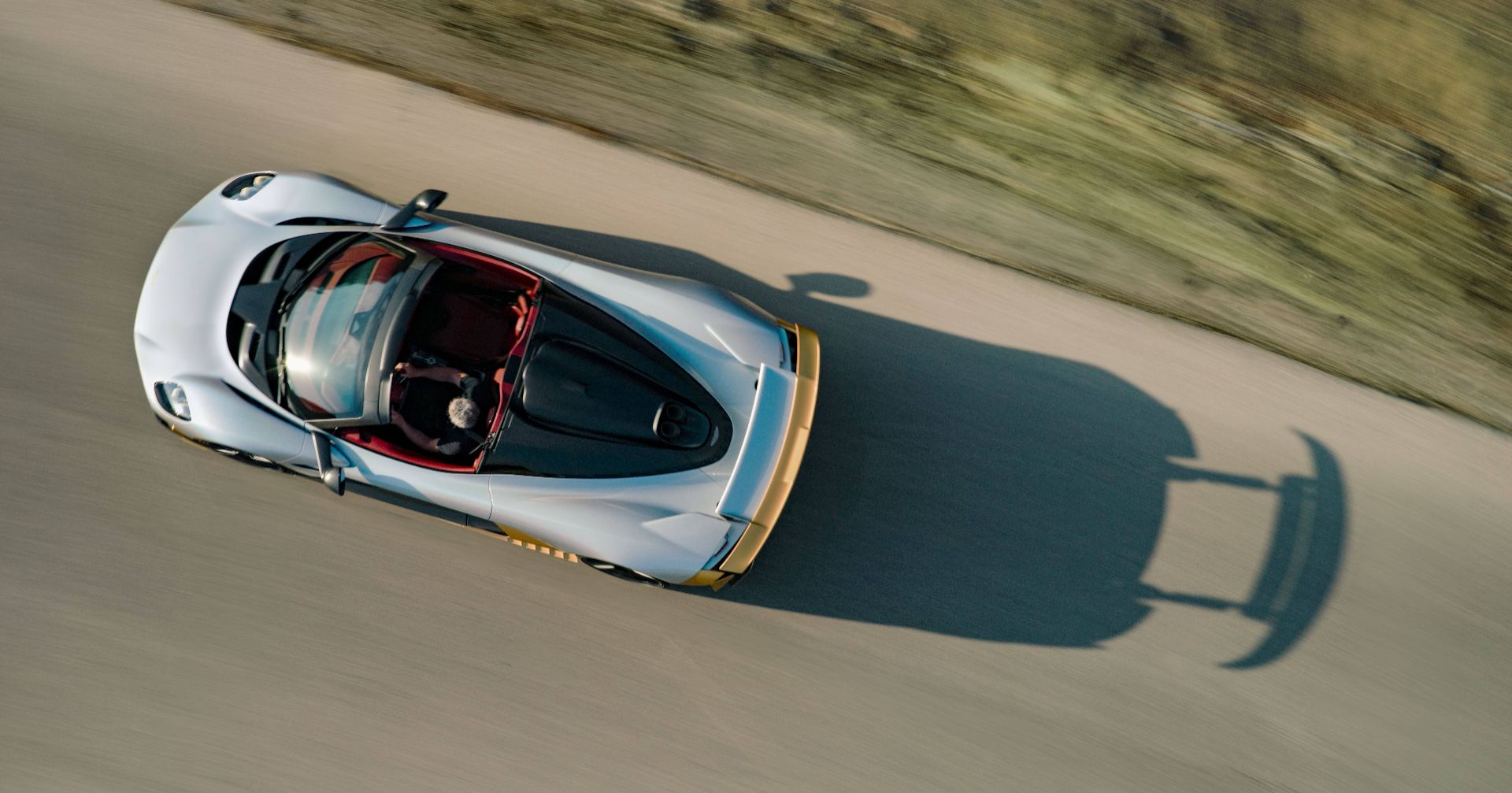
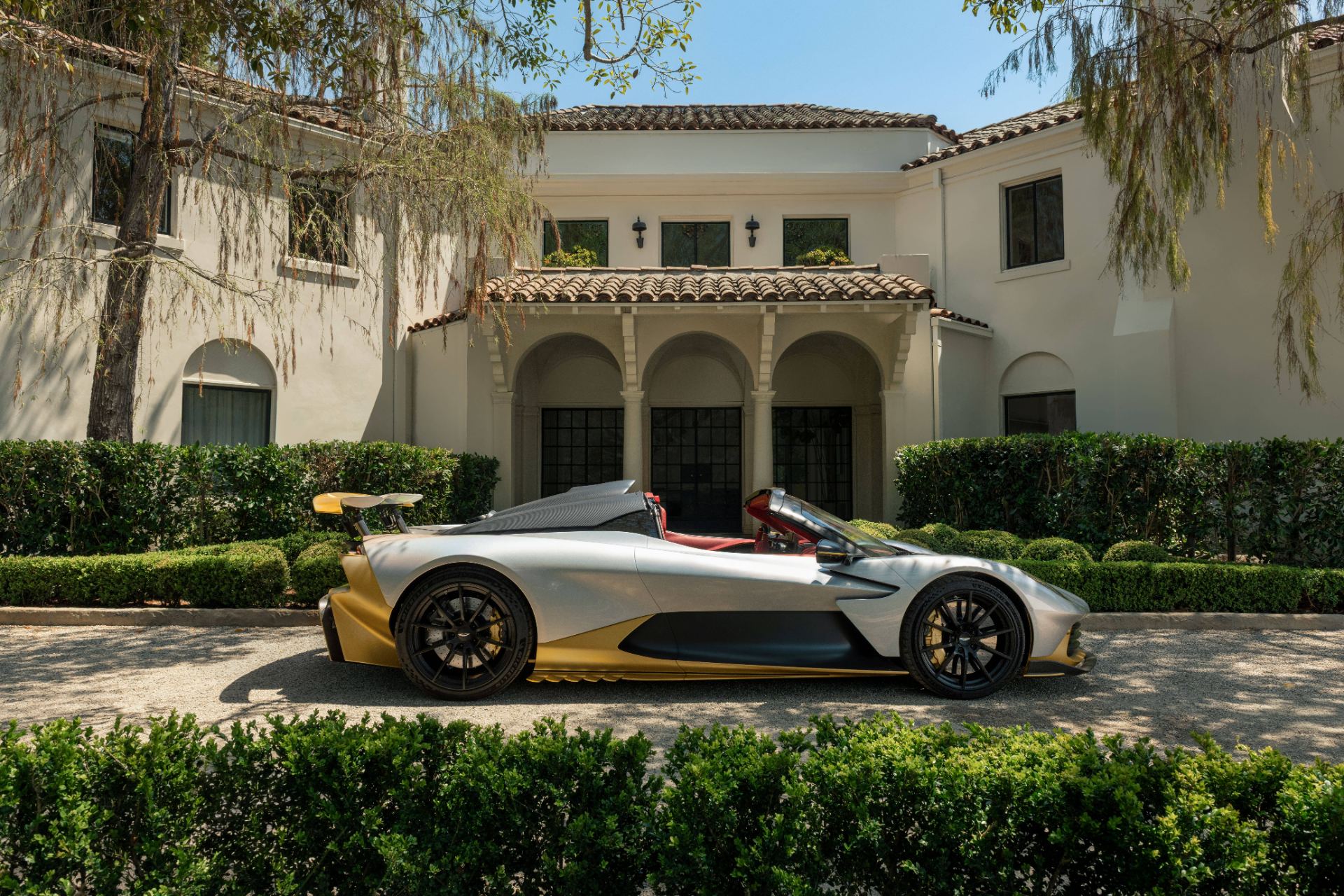
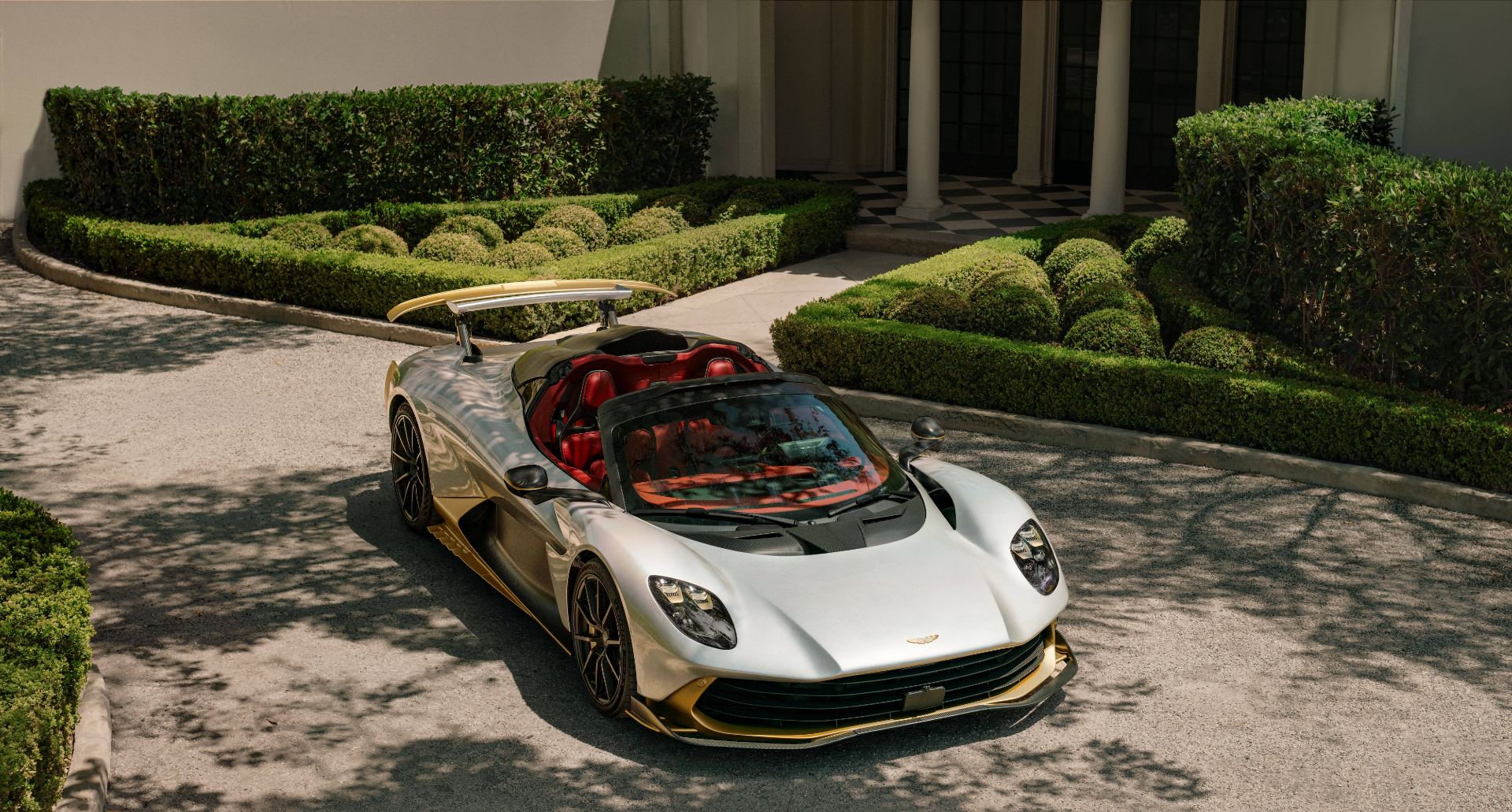
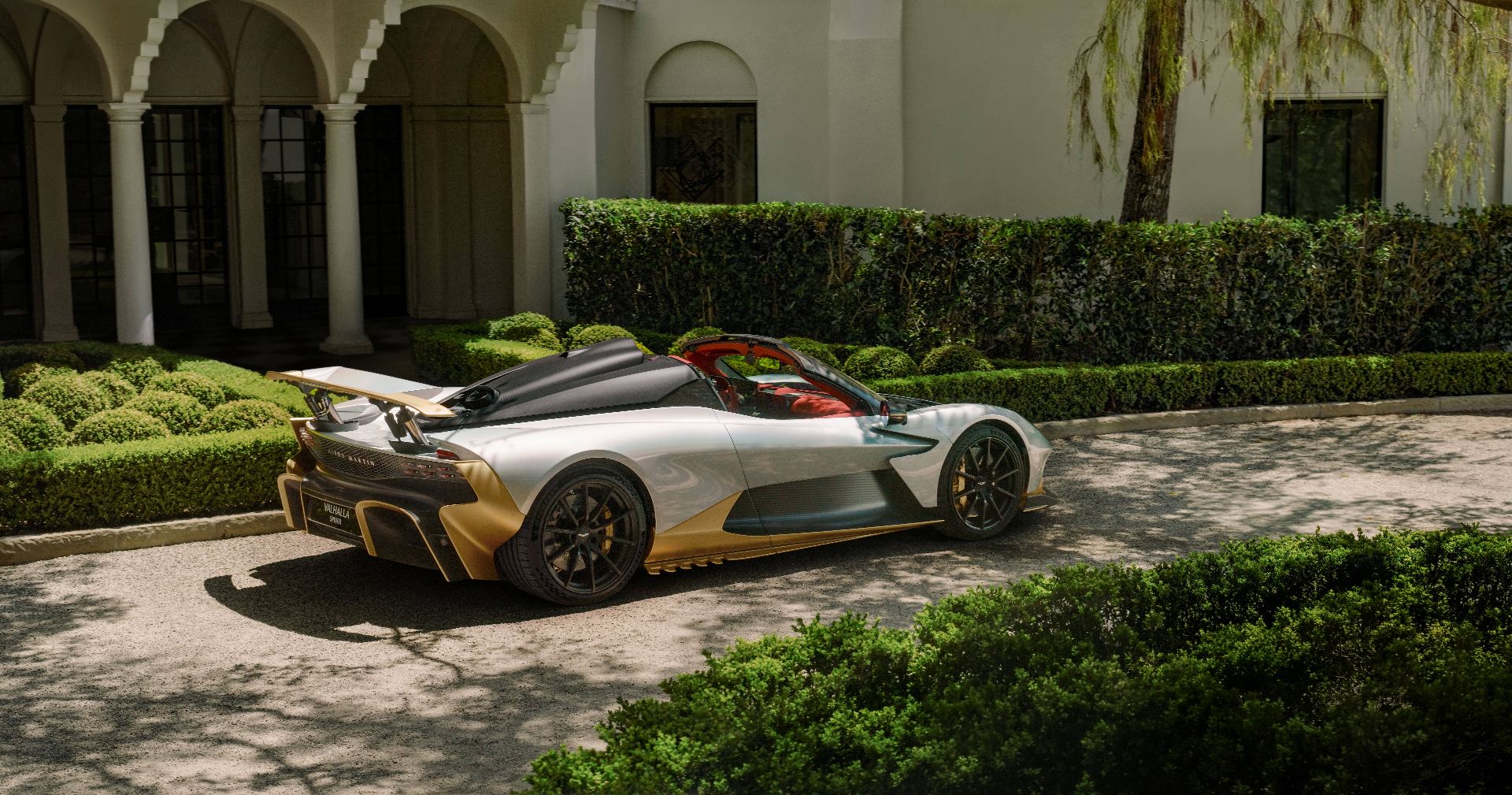
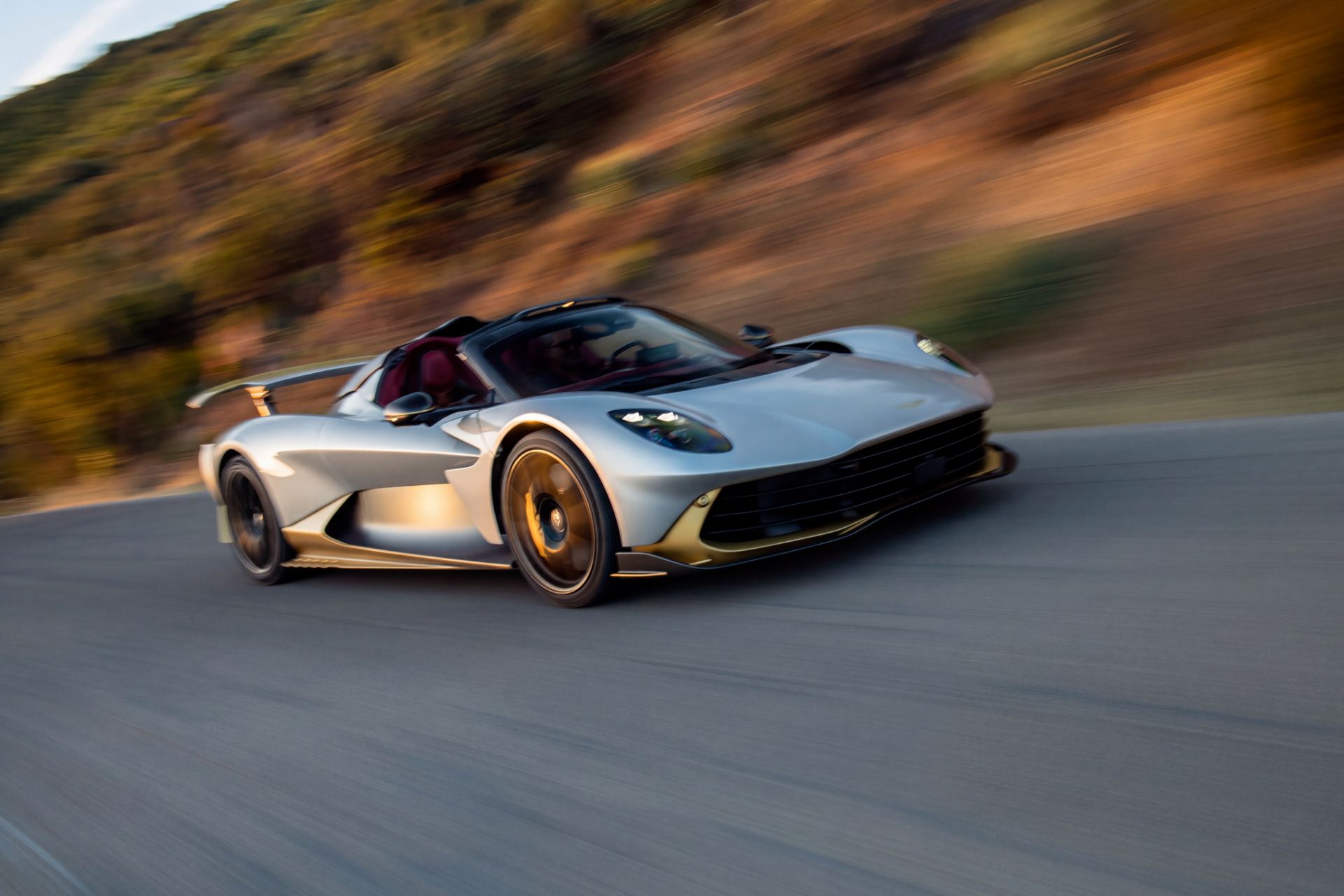
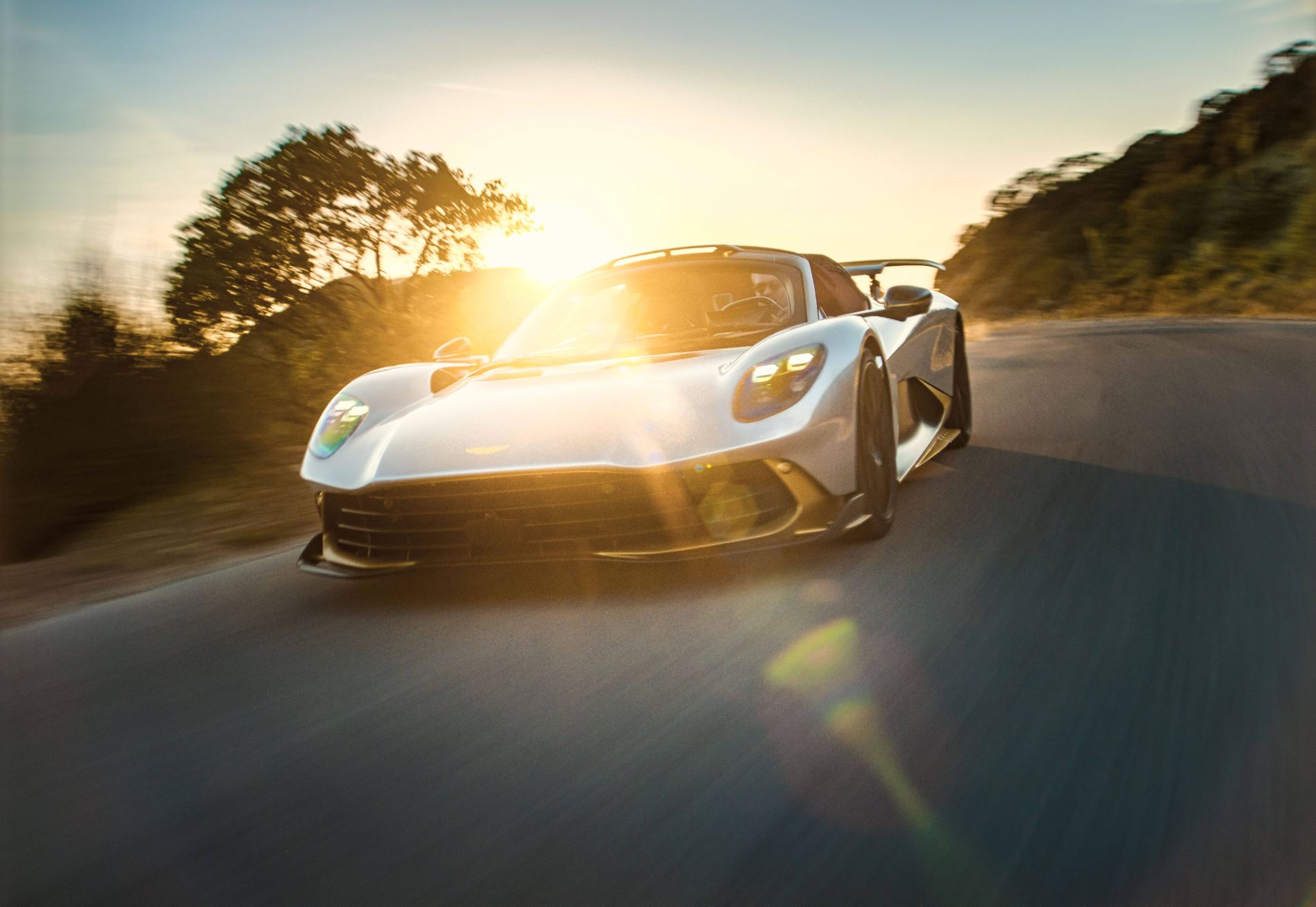
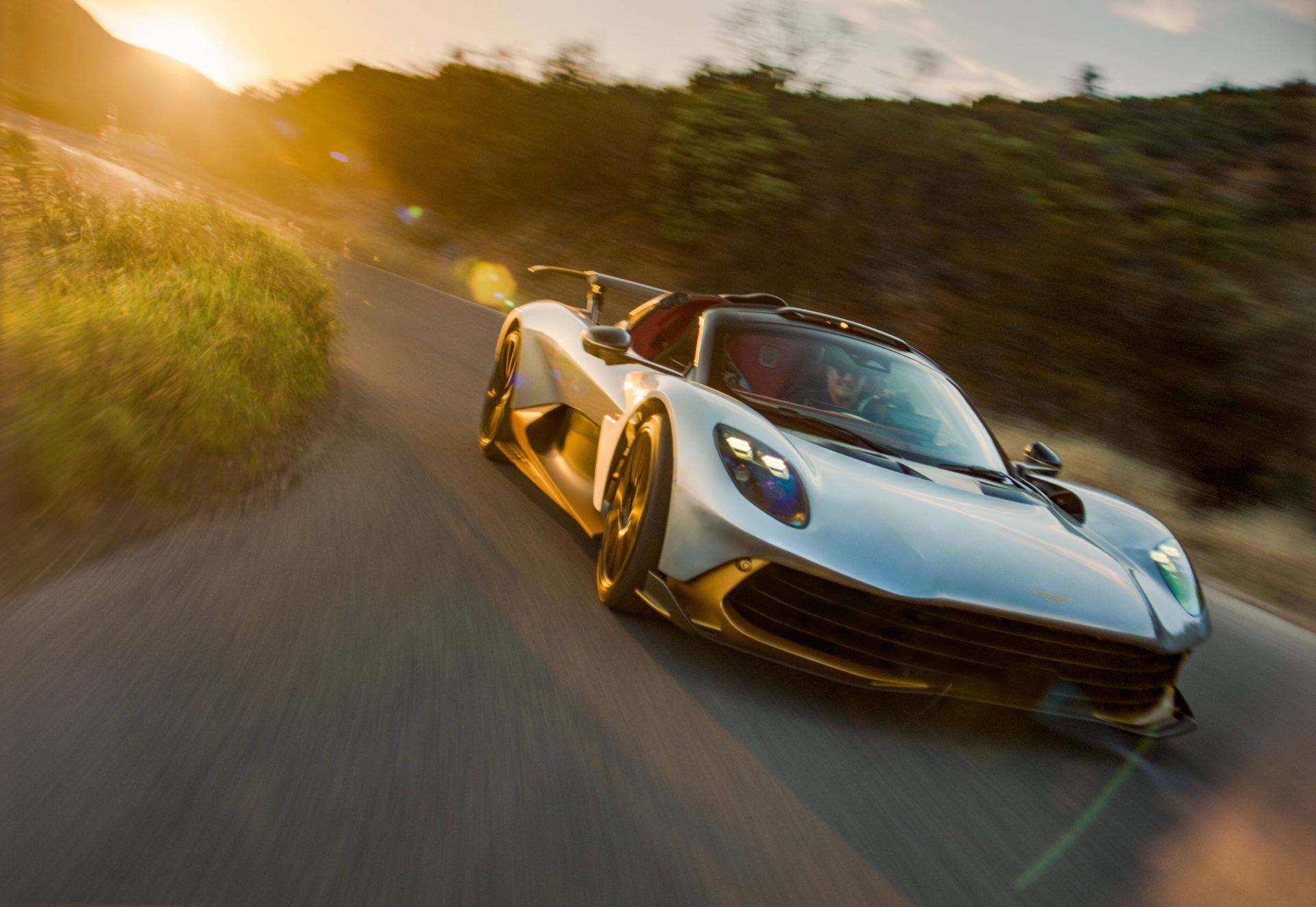
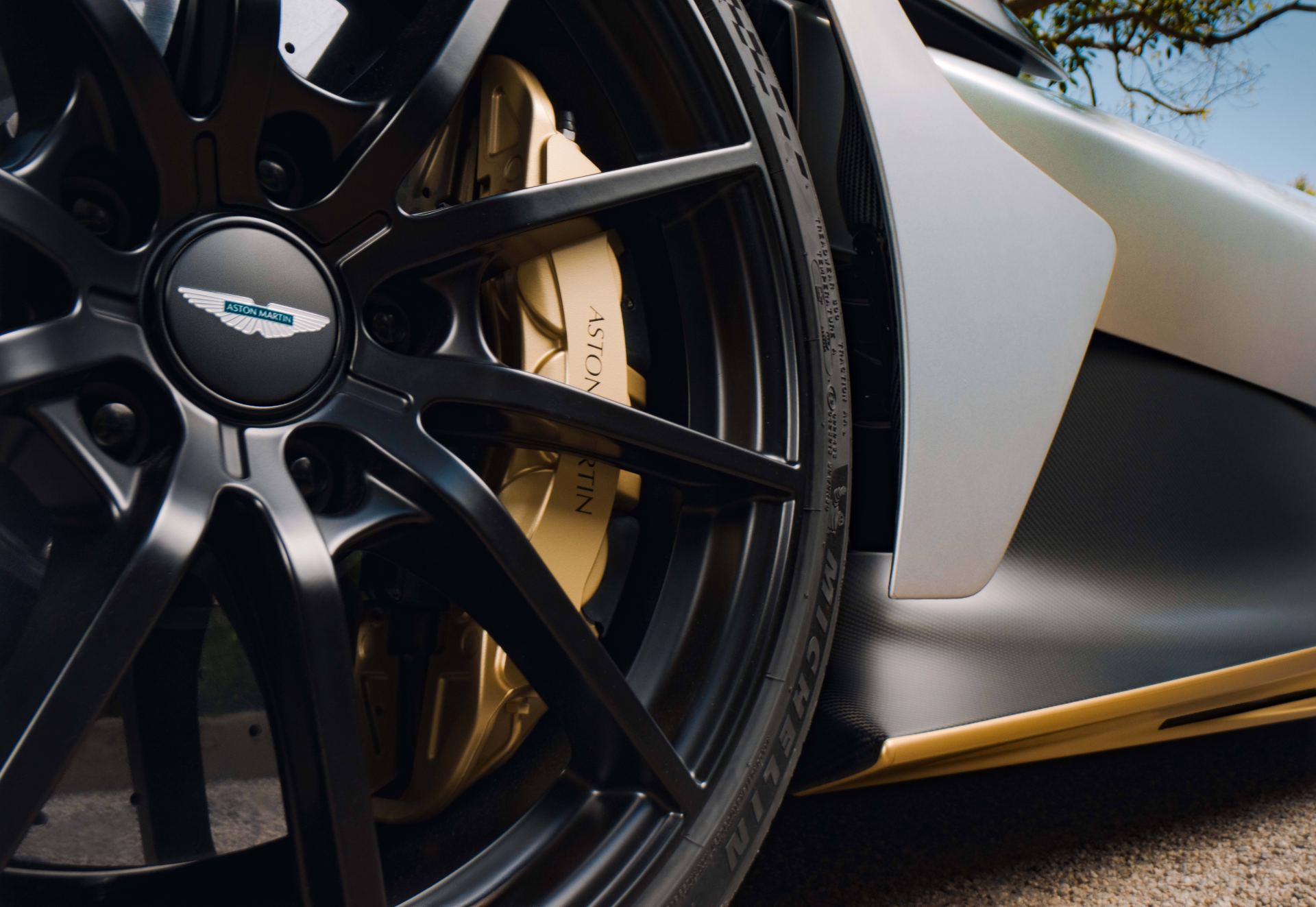
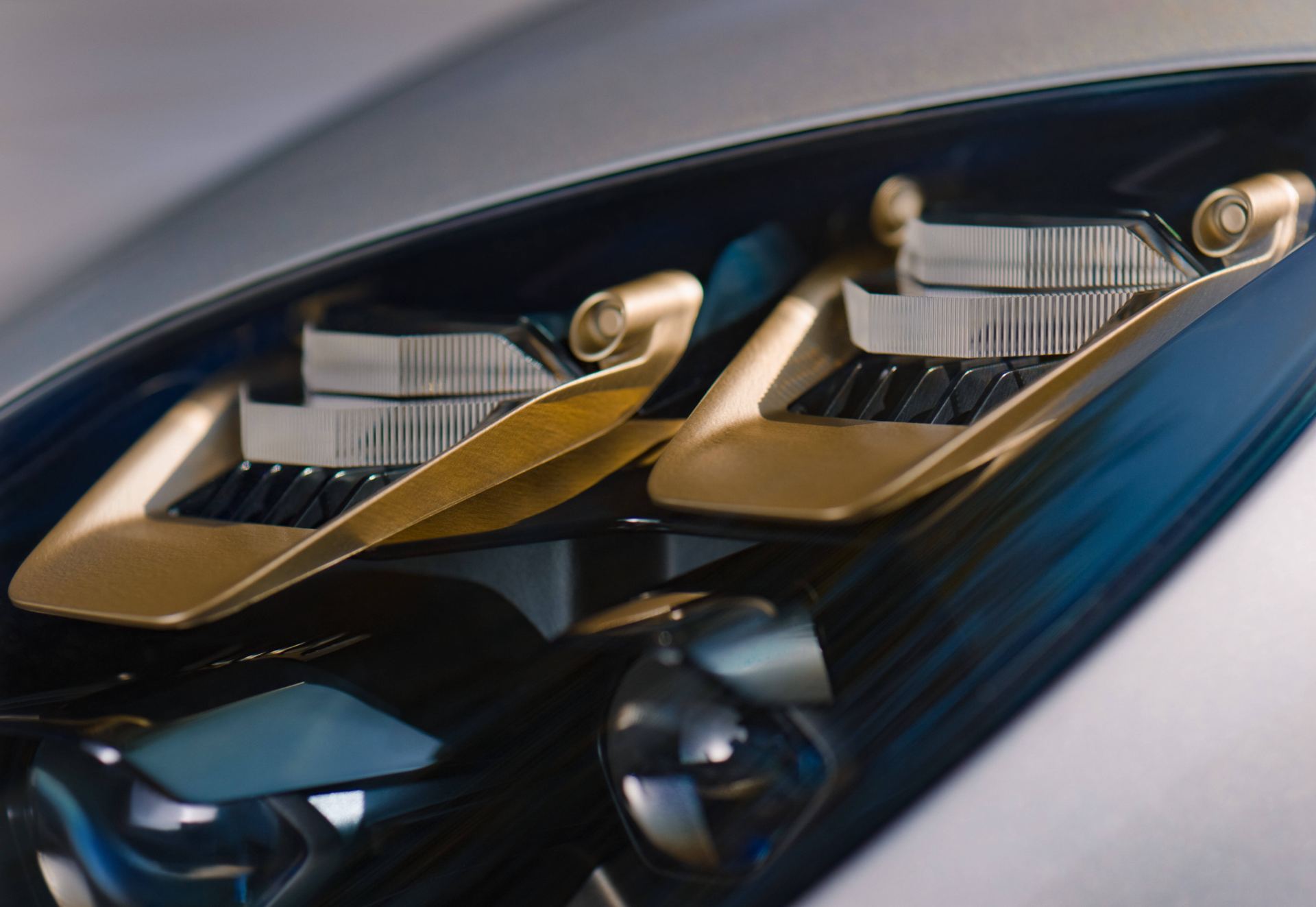
The Spider is meant to read as the Coupe with the roof taken away rather than as a separate design. The carbon fibre dihedral doors carry over, now frameless and with revised kinematics for smoother operation, and the top edge of the door glass gains slightly more curvature to improve entry and exit with the roof fitted. Standard cars get solid paint, gloss black upper and lower body packages, a satin chrome vaned grille, clear tail lights, a polished top-exit exhaust finisher, a titanium exhaust system and forged aluminium wheels in Liquid Titanium, 20 inches at the front and 21 at the rear on bespoke Michelin Pilot Sport S 5 AML tyres sized 285/30 ZR20 and 335/30 ZR21. The options list runs to exposed and tinted carbon body packages, ten livery themes, forged magnesium wheels and nine brake caliper colours.
Interior and Seating
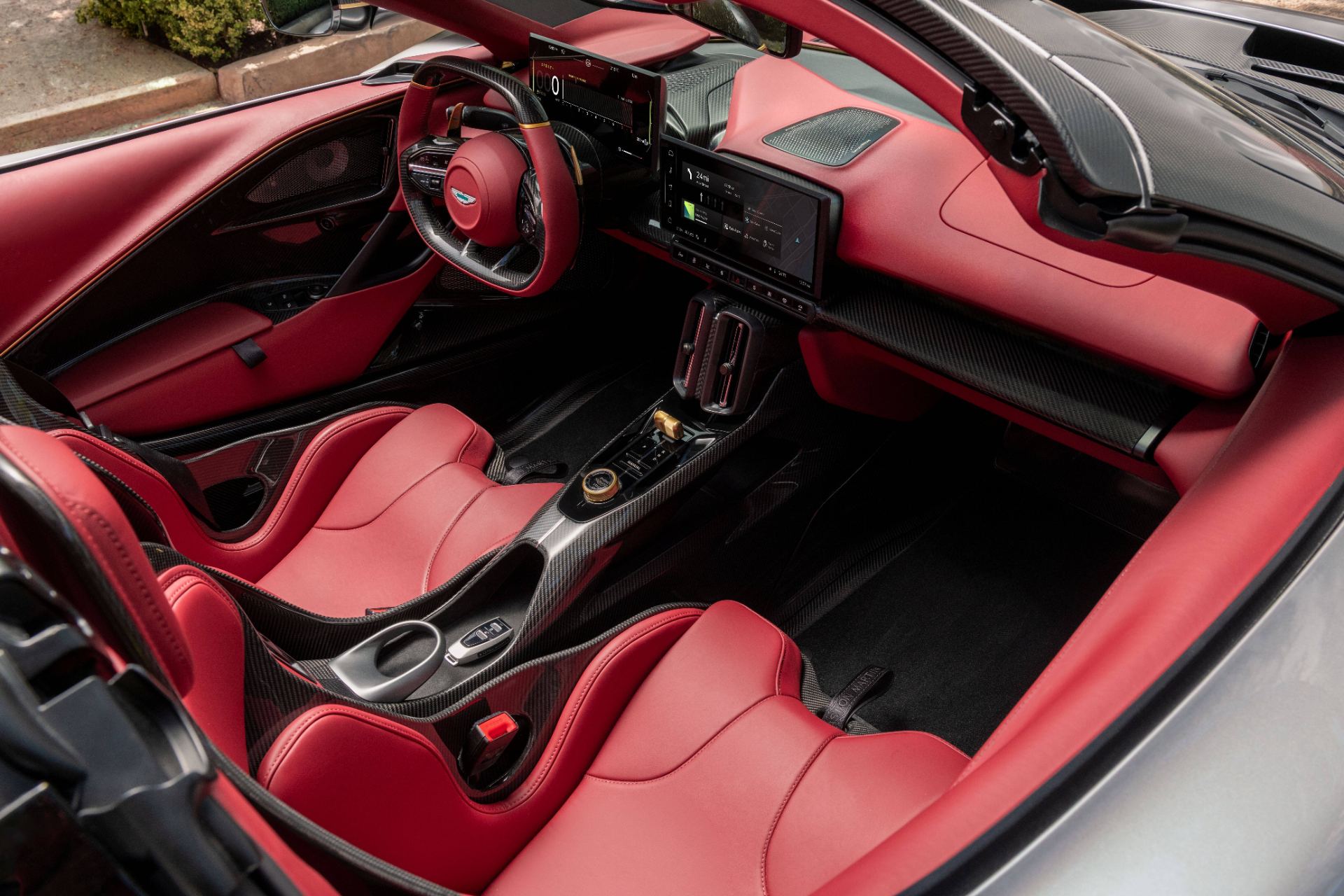
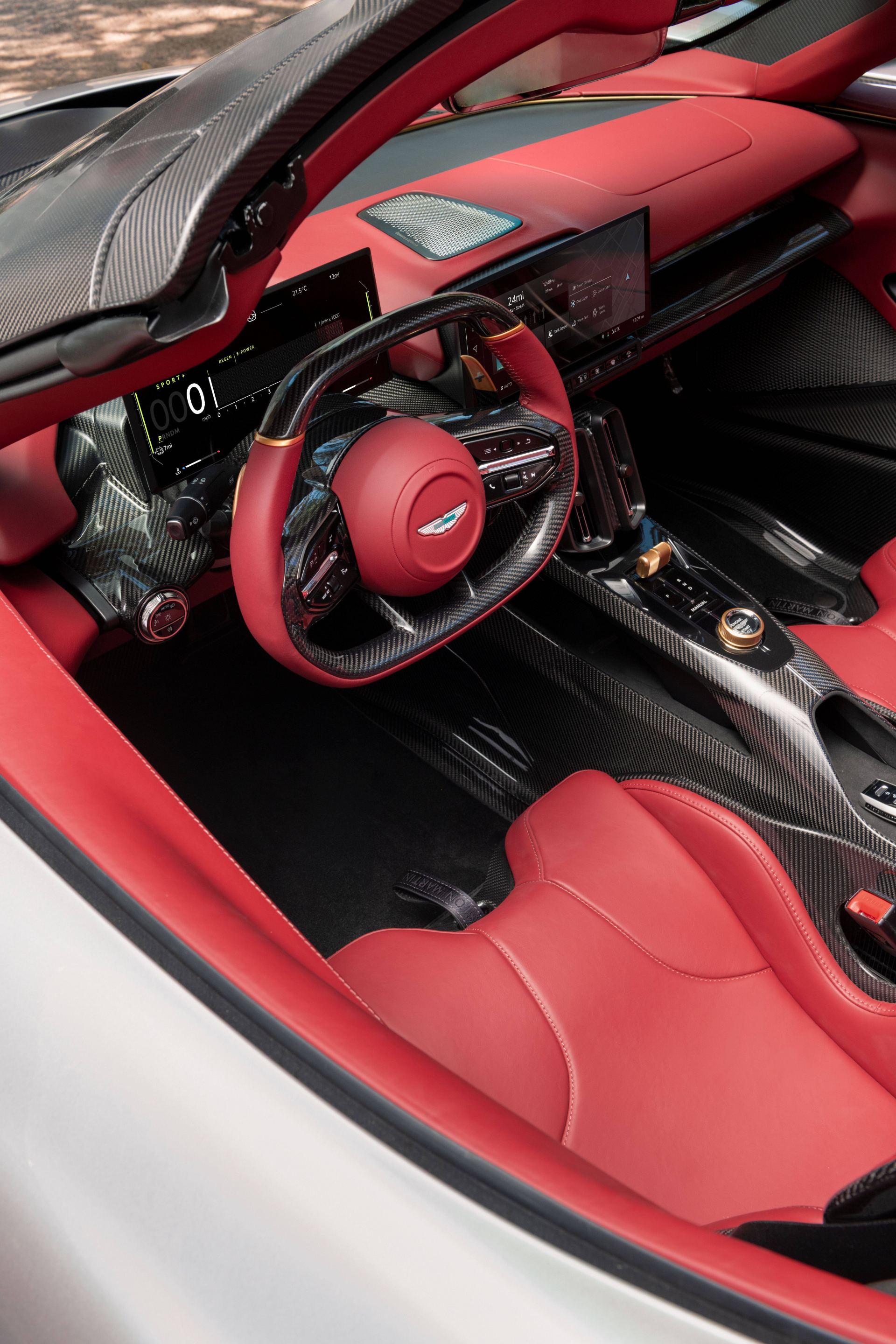
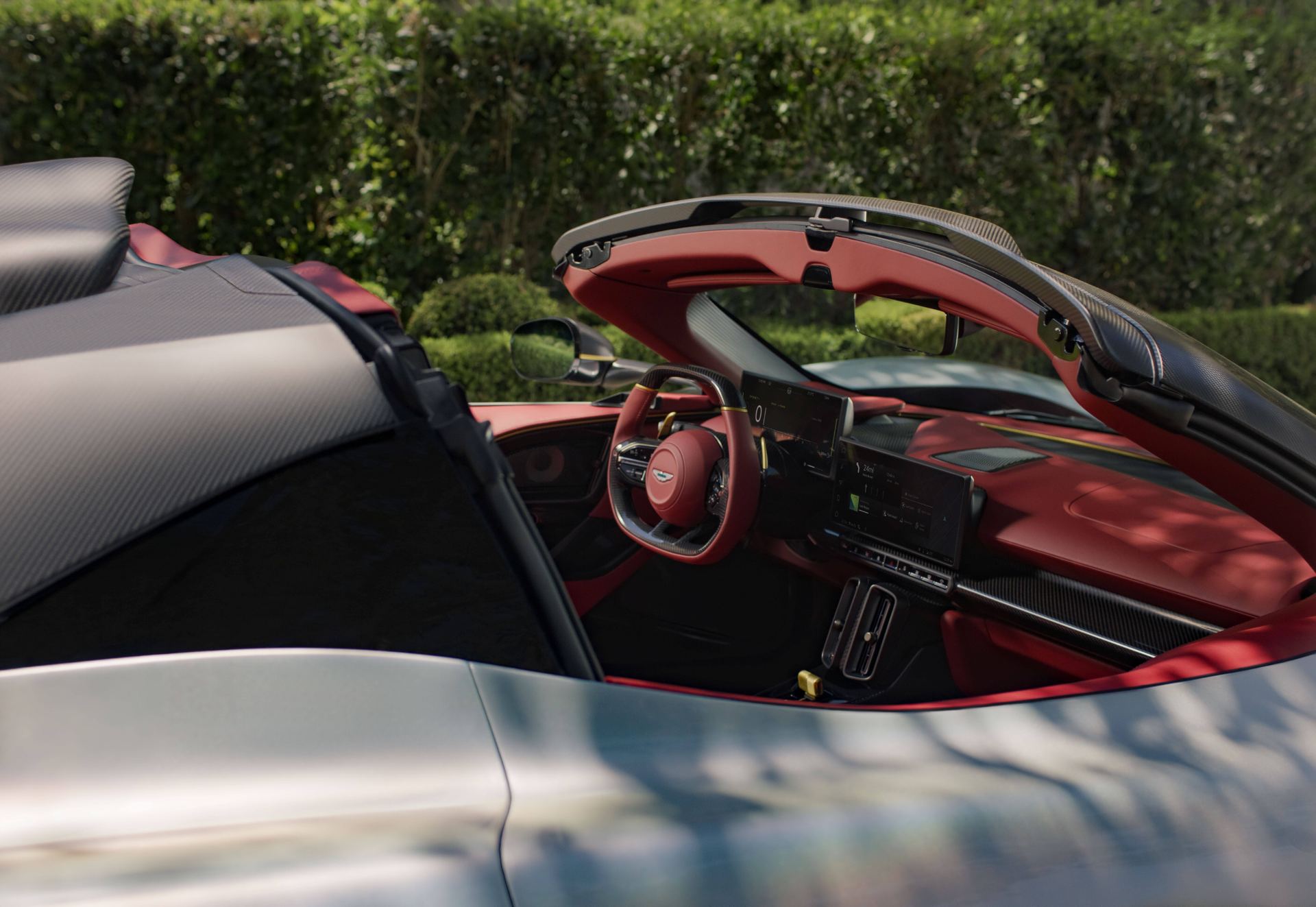
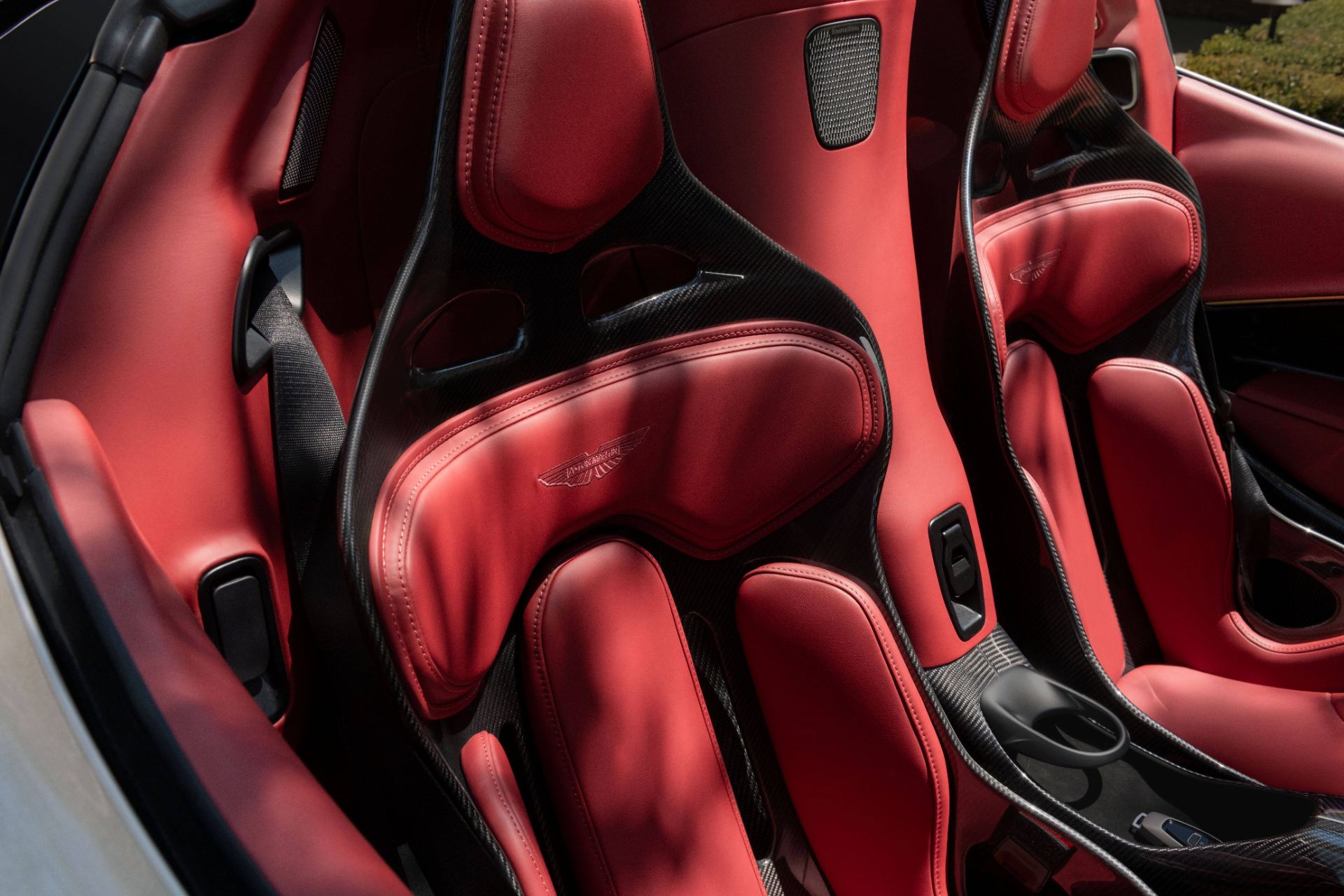
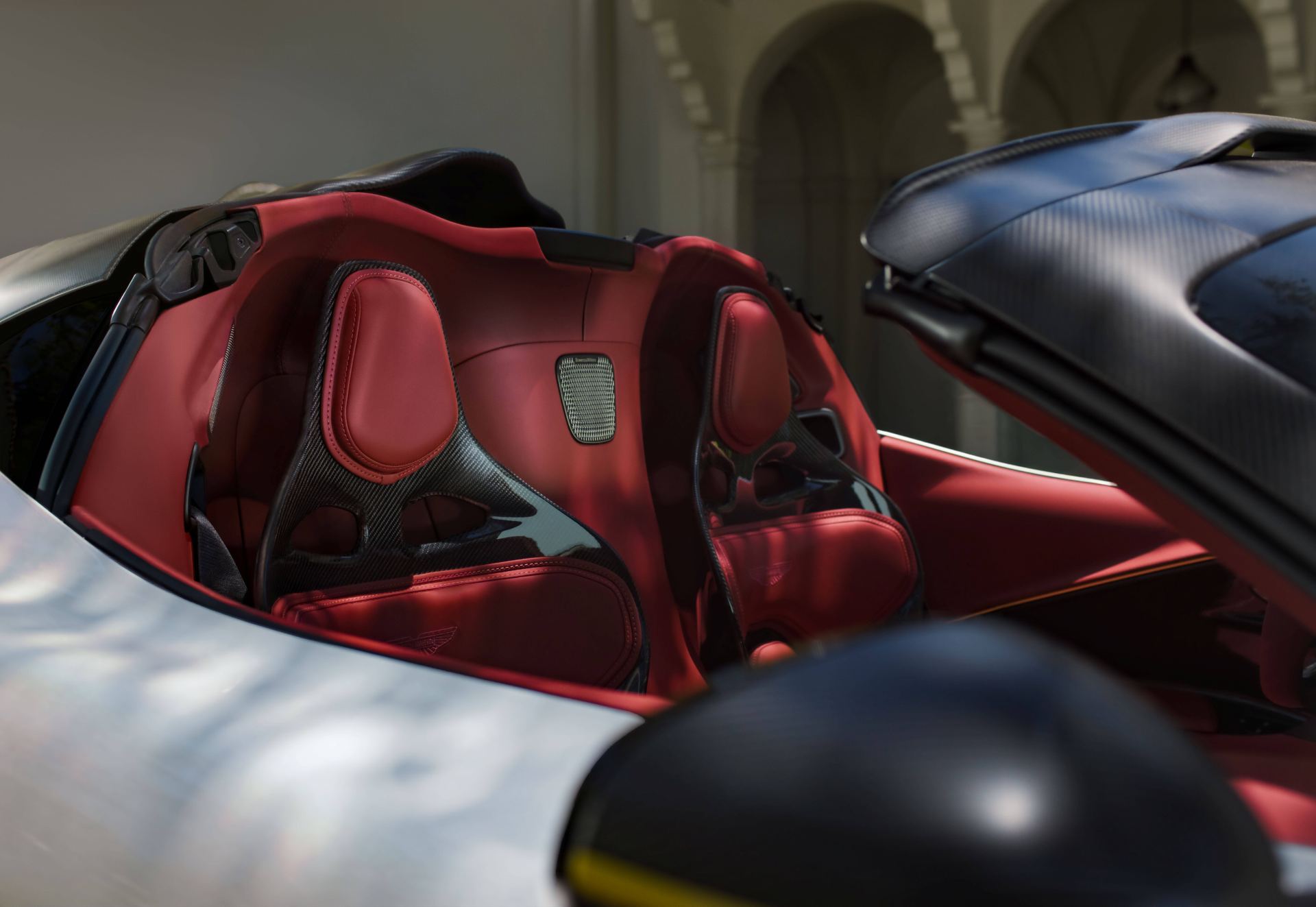
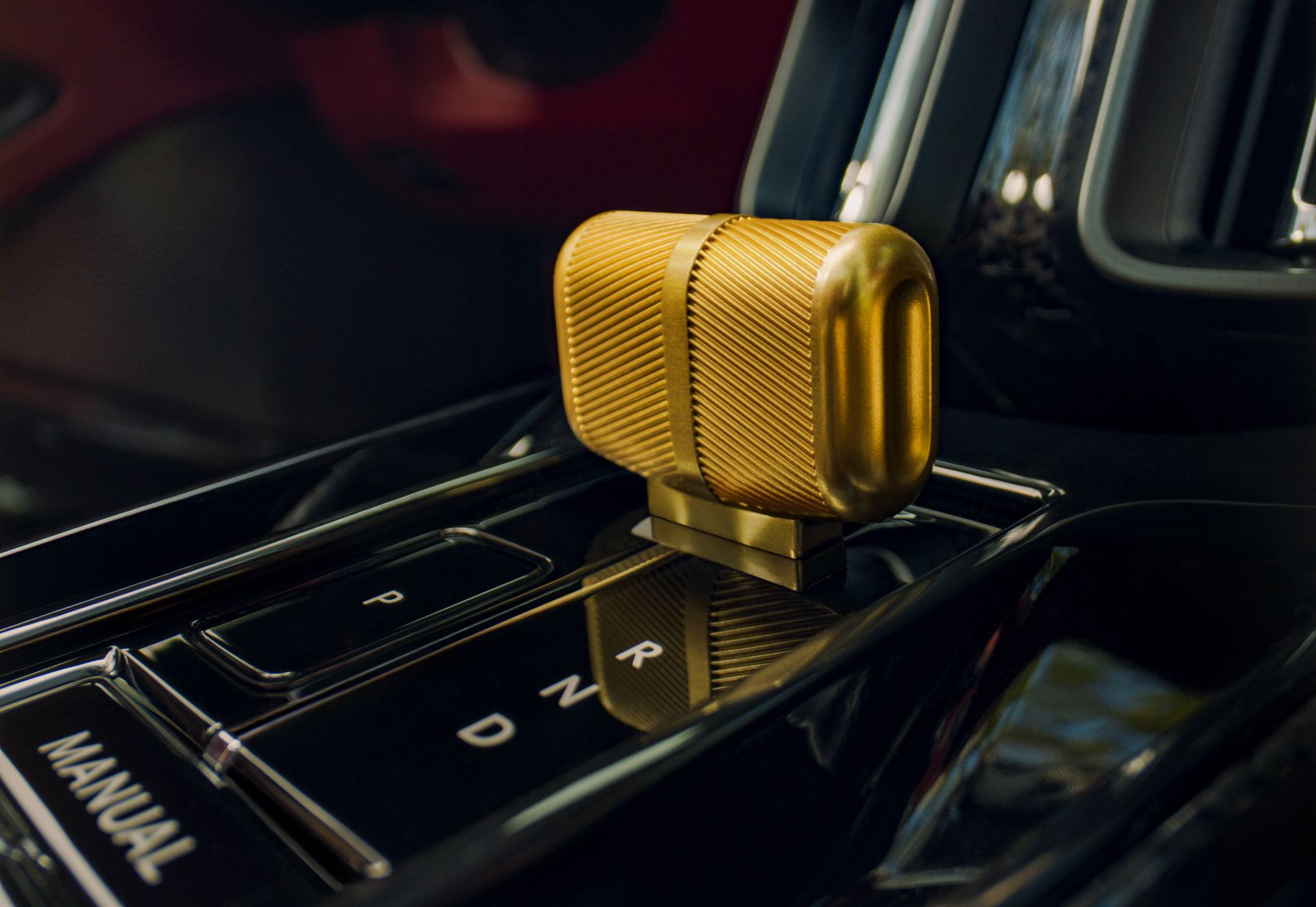
Inside, the significant change is the seat. A carbon fibre Touring Seat is now standard, chosen to improve occupant comfort and make getting in and out easier with the roof fitted; buyers who prefer the firmer support of the Coupe's original carbon fibre seat can specify it at no cost. Standard trim is Alcantara with a black Alcantara headlining, satin 2x2 twill carbon, a polished chrome decorative strip and satin dark chrome jewellery, with a colour-keyed leather sports steering wheel. Aston Martin Audio and Apple CarPlay are standard, with Bowers & Wilkins audio, semi-aniline leather, duotone and tritone trim splits, forged carbon with recycled content and four accent colours for the decorative strip all available.
What It Means for Buyers
The notable thing about the Spider is not that Aston Martin built it, since a roadster version of a halo car is close to inevitable, but how little it concedes. Ferrari's SF90 Spider established that there is an audience for a four-figure-horsepower plug-in hybrid convertible, and the usual cost of entry is a performance tax: structural weight to recover the lost roof, a lower limit with the top stowed, a softer calibration to cover the difference. Aston Martin's answer is to make Vmax available with the roof off, keep the downforce figure and the carbon tub as they are, and limit the technical divergence from the Coupe to active aerodynamics and stability-control calibration.
The caveat is the fabric roof. At 124mph it is a weather solution rather than a performance one, so a buyer who wants both full weather protection and the full 217mph has to specify the carbon fibre hard top, which is standard in the United States and an option everywhere else. With roughly a quarter of a 999-plus car run allocated to the Spider and the order book already strong, the real decision for most prospective owners will be specification rather than whether a build slot exists.
- ✓Full 217mph top speed is available with the roof removed
- ✓Carries over the Coupe's 1,079PS powertrain and carbon fibre tub unchanged
- ✓Peak downforce in excess of 600kg is retained with the roof fitted
- ✓Carbon fibre Touring Seat is standard, with the Coupe's firmer seat a no-cost alternative
- ✓Wind deflector folds into new 15-litre sill stowage rather than eating luggage space
- ✕Standard fabric roof limits the car to 124mph; full speed roof-on needs the optional hard top
- ✕No price announced, and the Coupe it is based on already starts above $1 million
- ✕Fuel economy and emissions figures are still awaiting homologation
- ✕Spider volume is a fraction of a production run that is already largely allocated
- ✕The 1,680kg dry weight is quoted with lightweight options fitted
Common Questions
How much does the Aston Martin Valhalla Spider cost?
Aston Martin has not announced a price for the Valhalla Spider. The Coupe it is based on starts at $1,051,700 in the United States and around £850,000 in the UK, and the Spider is expected to sit above that; published estimates range from about £935,000 to roughly £1.3 million, or around $1.6m. No figure is confirmed until Aston Martin publishes one.
How fast is the Valhalla Spider?
Top speed is an electronically limited 217mph (350km/h), and the Spider can reach it with the roof removed, making it the fastest open-cockpit Aston Martin ever built. With the standard black fabric roof fitted the car is limited to 124mph (200km/h), while the optional carbon fibre hard top allows the full 217mph. Aston Martin quotes a predicted 0-62mph time of 2.5 seconds.
Is the Valhalla Spider slower than the Valhalla Coupe?
Not on top speed. Both cars are electronically limited to 217mph, and the Spider holds that figure with the roof off. The two share the same 1,079PS plug-in hybrid powertrain, the same carbon fibre tub and the same peak downforce in excess of 600kg; Aston Martin says the technical variance between them is limited to specific changes to the active aerodynamics and the Electronic Stability Programme calibration to suit roof-on and roof-off airflow.
When does the Aston Martin Valhalla Spider go on sale?
Deliveries start in the third quarter of 2027. The car was revealed on 28 October 2026 and makes its public debut at the 2026 Concours at Wynn Las Vegas, with Valhalla Coupe deliveries expected to conclude in the first half of 2027 before Spider customer cars begin.
How many Valhalla Spiders will be built?
Aston Martin has not published a Spider-specific allocation. The company has indicated that the combined Valhalla run will sit slightly above the 999 cars originally planned, with the Spider accounting for roughly a quarter of the total, which points to somewhere in the region of 250 cars. That figure is an estimate drawn from those statements rather than an official allocation.
On Sale Date and Availability
Aston Martin shows the Valhalla Spider publicly for the first time at the 2026 Concours at Wynn Las Vegas, with pricing and homologated economy and emissions figures still to follow. First customer deliveries are due in the third quarter of 2027, once Coupe production has worked through its order book.